Trump's standoff with Iran fuels mounting economic, political strain across Europe: Report
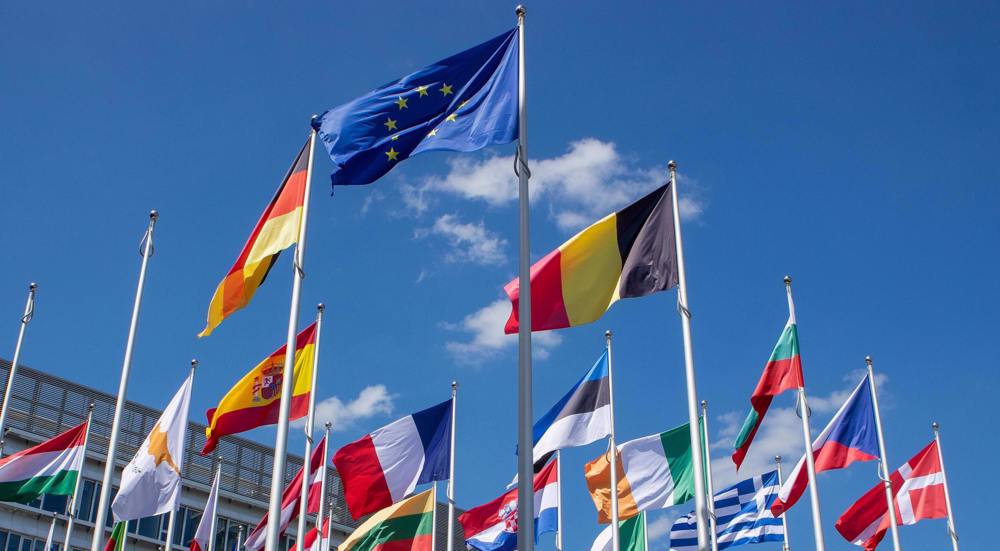
European leaders are increasingly concerned that tensions arising from the US's unprovoked aggression under President Donald Trump against Iran, which has resulted in the Islamic Republic's retaliation, could escalate from an economic shock into a broader political crisis for the European Union, a report says.
Reporting on Monday, American website Politico wrote that, with energy prices rising and economic growth slowing, governments across the bloc are bracing for fallout they have limited ability to contain. The report said the situation could further weaken Europe’s already fragile political center.
Oil prices increase as Iran continues restrictions for US, allies in Strait of Hormuzhttps://t.co/w76GyuNYPg
— Press TV 🔻 (@PressTV) April 27, 2026
The economic impact is already being felt across key sectors, it added.
"Energy costs are cascading into food, transport, and housing, hitting lower- and middle-income households hardest," said Seamus Boland, president of the European Economic and Social Committee. "Politically, that creates space for distrust — not just of national governments, but of European institutions’ ability to shield citizens from external shocks. It risks accelerating support for more protectionist or inward-looking approaches."
Amid growing public dissatisfaction, incumbents in several European countries are facing a populist backlash, with concerns that upcoming elections could shift political balances.
Electoral risks across the bloc
France is seen as a central battleground, where political shifts could have wider global implications.
Elsewhere, recent developments have heightened concerns among pro-EU leaders.
In Bulgaria, the April 20 victory of Rumen Radev has unsettled incumbents. In Romania, a coalition crisis threatens the position of Prime Minister Ilie Bolojan. Meanwhile, in Germany, the far-right Alternative for Germany is targeting gains in upcoming regional elections after expanding beyond its traditional base.
Economic strain linked to energy disruption
At the center of the crisis is the lingering standoff between Washington and Tehran after talks that took place in the Pakistani capital Islamabad earlier this month failed to go into the second round amid the United States' maximalist demands and its preservation of an illegal blockade of Iranian ports and vessels.
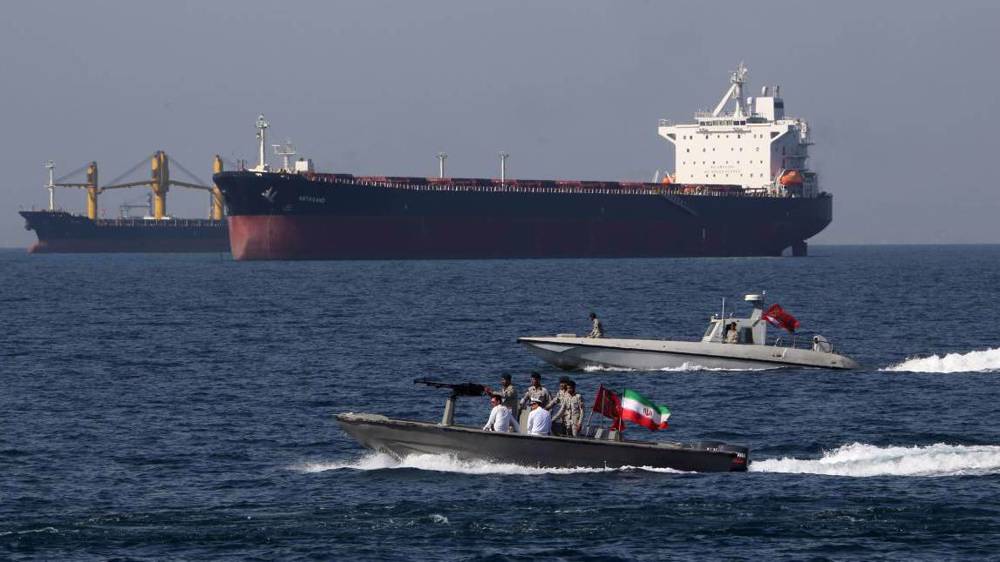
Iran's retaliation, which has seen it close the strategic Strait of Hormuz, has pushed oil prices above $100 per barrel.
European officials warn that the economic consequences are spreading.
"As the blockage of Strait of Hormuz persists, it’s clear that its impacts are becoming more pronounced and also, some say, spreading through the broader economy," said European Commissioner for Economy, Valdis Dombrovskis. "Our advice is to stay with temporary and targeted measures also to limit their fiscal impact, because fiscal space is now more limited already since Covid-19 and since the first energy crisis [triggered by the conflict between Russia and Ukraine] in 2022."
Policymakers weigh limited options
EU finance officials are set to discuss ways to cushion the economic blow without deepening debt burdens, as governments begin preparing national budgets for the coming year.
However, policymakers acknowledge that their room for maneuver is constrained. Many countries remain burdened by high debt and deficits stemming from pandemic-era spending and earlier energy crises.
Dombrovskis indicated that sweeping intervention is unlikely, with the European Commission urging governments to rely on "targeted, temporary" support measures.
Stagflation fears grow
The current economic trajectory is raising concerns about stagflation, a combination of rising prices and weak growth.
"We are facing stagflation — economic slowdown and increased inflation at the same time," Dombrovskis said. "It is almost certain that we will have to revise our [full-year] economic forecast down in our spring forecast in the second half of May."
Germany and Italy, which together account for more than a third of the EU’s GDP, have already downgraded their economic forecasts in recent days.
Germany inflation rises in March amid higher oil, gas prices@ReinischDieter reports from Vienna pic.twitter.com/9mmeoFqf7h
— Press TV 🔻 (@PressTV) April 12, 2026
Long-term concerns, internal divisions
The situation is unfolding against a backdrop of longer-term structural challenges. In 2024, former European Central Bank chief Mario Draghi warned that Europe risked "slow agony" without major reforms to compete with faster-growing global economies.
At a recent summit, French President Emmanuel Macron also underscored geopolitical pressures facing Europe. "We should not underestimate that this is a unique moment," when major global figures, including Trump, "are dead against the Europeans," he said. "So, this is the right moment for us to wake up."
Leaders are also grappling with internal disagreements over fiscal policy. Talks on the EU’s long-term budget have exposed divisions between northern countries seeking spending restraint and southern states calling for greater financial support.
"We got indebted during Covid. Today, some tell us that we need to reimburse fast," Macron said. "It is idiotic."
Irish, Scottish and Welsh leaders to meet to discuss UK break-up
Iraqi MP: US forces’ September 30 withdrawal certain; foreign troops no longer needed
Ansarullah rejects Trump’s claim it asked US ‘not to go after them’



VIDEO | Trump's South Korea Hormuz demand causes backlash
VIDEO | Israel’s detention, harassment of journalists an assault on truth: Political analyst
VIDEO | 200 days of resistance
Report shows Trump planning ‘largest bomb transfer in modern US history’ to Israel
Pentagon finally admits Iran struck US F-35 fighter jet
Yemen rejects reports of threat against Mecca amid Saudi escalation
VIDEO | KSA oil bypass backfires
IRGC Navy chief praises 200 nights of nationwide demonstrations



 PressTV NEWSLETTER
now
PressTV NEWSLETTER
now
 This makes it easy to access the Press TV website
