Iran's new calculus: Full Strait of Hormuz control, no retreat on nuclear rights, and unused cards
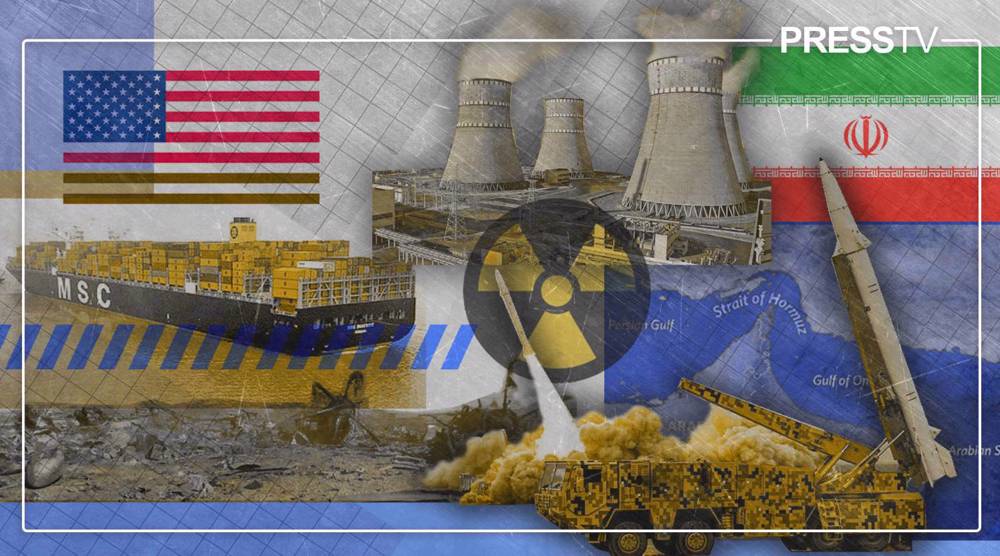
By Press TV Strategic Analysis Desk
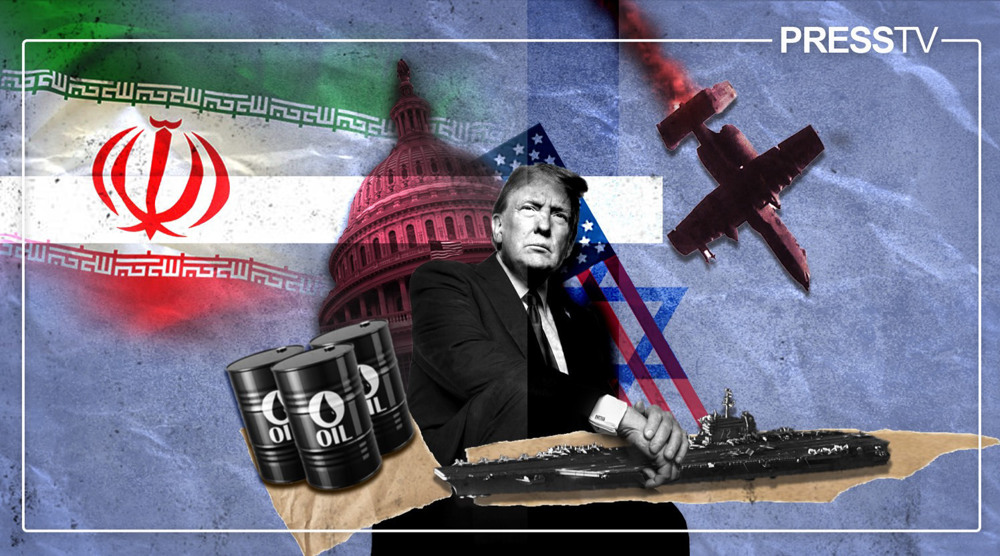
Iran emerged from the 40-day war that was illegally imposed on it not as a subdued party gasping for breath, but as an undisputable victor calling the shots on the battlefield.
The military and political upper hand belongs to the Islamic Republic now, and the terms of any future engagement will be dictated accordingly – not by Washington, not by the failed aggressor, but by the party that defended itself and prevailed.
After failing on the battlefield and screwing up at the negotiating table, the enemy resorted to psychological warfare – fabricating an illusion of internal discord among Iranian officials. That trick, too, failed the only test that matters: reality on the ground.
Despite the continued naval blockade, not a single Iranian position has shifted. It remains as steadfast as it was on the first day of the imposed war. In fact, it has only grown stronger, holding the initiative and keeping unused cards ready to be revealed whenever required.
Firm control over Strait of Hormuz
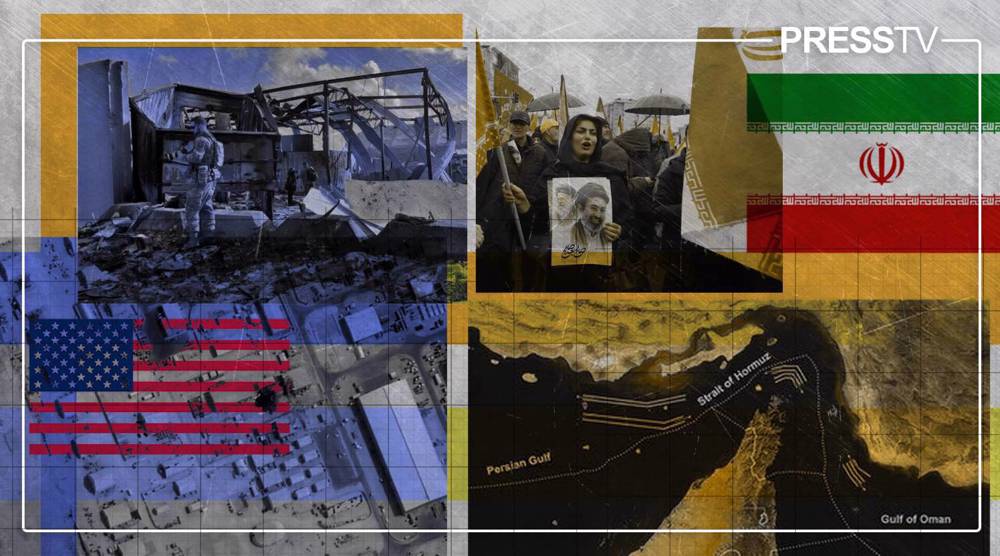
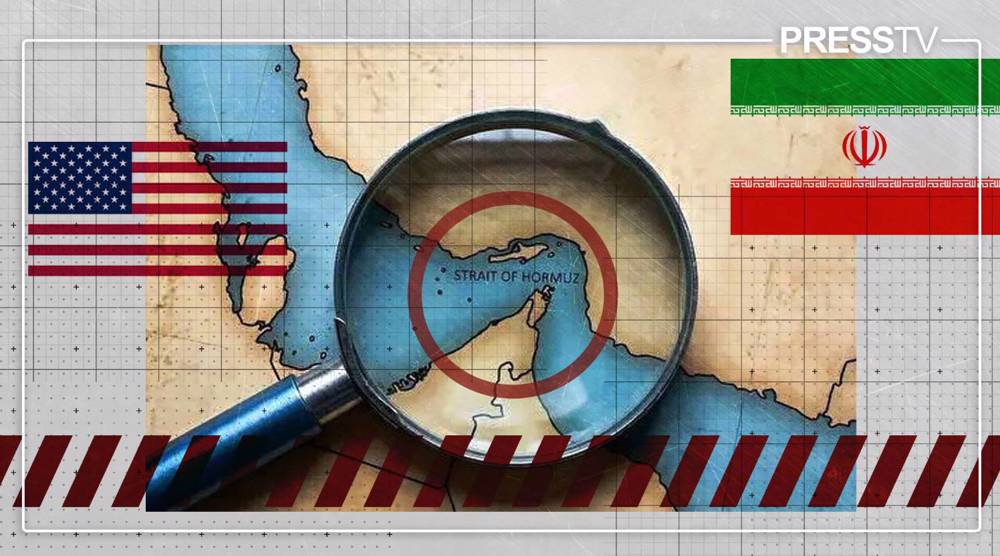
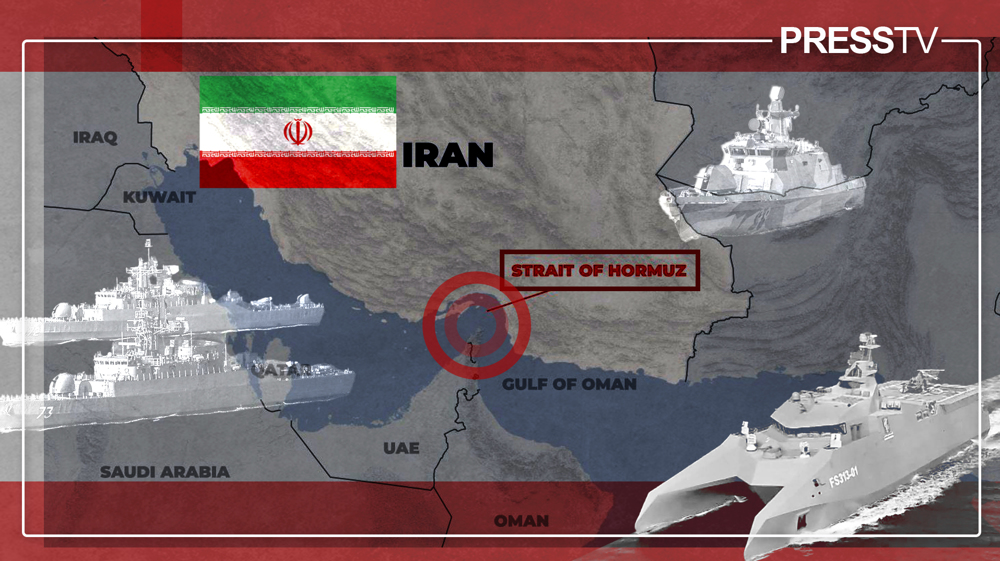
Central to this new reality is the decisiveness of Iran's armed forces in exercising complete control over the Strait of Hormuz – the strategic chokepoint between the Persian Gulf and the Gulf of Oman that many military pundits have dubbed Iran's "economic nuclear bomb."
Iran has made it unmistakably clear that no vessel violating the rules established by the country will be permitted to pass. This is not a threat or a negotiating posture. It is an operational reality. Western military analysts have described it, in candid terms, as Iran placing its boot on America's throat. That description is accurate. And the boot is not lifting.
The United States, for its part, has responded with an intriguing and telling performance. It poses as indifferent to the closure of the strait, shrugging its shoulders as if time is on its side. But behind this theatrical indifference lies sheer panic.
Washington is using every possible means to escape the pressure that keeps mounting every day. It has threatened to restart the war against Iran. It has imposed a naval blockade that has, to its dismay, failed to stop Iranian oil from flowing.
It has even fabricated news about supposed Iranian requests for negotiations. It has spun every routine Iranian diplomatic move as a "prelude to talks." It has floated the fiction of an American negotiating team heading to Islamabad. None of this is true. It is desperation.
✍️ Analysis - Battlefield has spoken: Trump wants an off-ramp – concessions to Iran are the only way out
— Press TV 🔻 (@PressTV) April 19, 2026
By Press TV Strategic Analysis Deskhttps://t.co/FqoVcXvp8l
Americans living in denial
Trump claims he is in no hurry to resolve the Strait of Hormuz issue. The facts, however, tell a very different story. Time is working against America at an accelerating pace.
The US president's 60-day window to wage war without congressional authorization, granted under US domestic law, is rapidly closing. The global economic crisis – for which Washington is widely and rightly blamed – continues to deepen.
Prices, especially for gasoline and fuel, are rising within the United States itself, a politically toxic development for any administration. The midterm congressional elections in the US are also approaching. So is the FIFA World Cup, less than two months away, an event that will place America under an uncomfortable global spotlight.
Condemnation of the United States and its incumbent government – headed by a megalomaniac president with utter disregard for both international and domestic law – has become increasingly common in US and international media.
Internal disputes within the Trump administration are also intensifying, with senior military figures reportedly turning against Fox News host-turned-Secretary of War Pete Hegseth, and the likelihood of further resignations or dismissals growing by the day.
To make matters worse, Trump's corruption cases, particularly those tied to the Jeffrey Epstein affair, have resurfaced. Taken together, these factors paint a clear picture: time is not America's ally. Every passing day presses harder on Washington's throat.
✍️ Analysis - Big defeat to big lies: Trump peddles Iran 'discord' fiction to mask US military, strategic failure
— Press TV 🔻 (@PressTV) April 23, 2026
By Press TV Strategic Analysishttps://t.co/WQZGoNLjmx pic.twitter.com/rEX09k5Fhi
Araghchi's visit to Islamabad
It is against this backdrop that Iran's Foreign Minister Abbas Araghchi traveled to Islamabad on Friday. His mission is clear: to clarify Iran's views to the Pakistani hosts about any potential diplomatic engagement with the US in the future.
What he did not travel to do was negotiate with the United States. There remains no plan for direct talks, no backchannel, no secret overture. Iran has not retreated from any of its principled positions, least of all the non-negotiable nature of its nuclear program.
It is quite the opposite. Having emerged from the war as the victorious party, Iran's resolve has only become stronger. American propaganda, no matter how loud or elaborate, has not moved Tehran one millimeter. There can be no compromise on principles.
This is particularly true regarding the Strait of Hormuz. Iran's determination to manage and control this strategic waterway is unchangeable. Tehran has stated, clearly and repeatedly, that no concession will be granted to the opposing side on this matter. Not one. The Strait is not a bargaining chip. It is a sovereign right that no power can take away from Iran.
Beyond this narrow waterway, Iran continues to demand what is rightfully its own. Compensation for war damages, reparations for decades of sanctions, and the return of frozen Iranian assets are not negotiating points. They are undeniable rights.
Iran will continue to pursue them with full resolve. And if the enemy persists in refusing to pay, Tehran has made clear that it will collect or compensate through its own means – by whatever method it deems appropriate, at whatever time it chooses.
✍️ Analysis - Iran holds all the cards: Victorious on the battlefield, united at home, and armed with strategic assets
— Press TV 🔻 (@PressTV) April 20, 2026
By Press TV Strategic Analysis Deskhttps://t.co/AiKDeAt4CO
Iran's unused cards in play
What makes Iran's position particularly formidable, however, is not just what it has already deployed, but what it has held back. Iran has not yet used all its cards.
Many of these cards – whether on the military battlefield or in the political arena – remain untouched. They have been kept in reserve, waiting for the right moment. The enemy would be foolish to mistake Iran's restraint for weakness. It is not weakness. It is strategic patience.
One such card is Iran's membership in the Nuclear Non-Proliferation Treaty, or NPT. To date, Iran has acted with considerable restraint, adhering to its obligations under the treaty despite being subjected to relentless pressure and bad-faith accusations.
But analysts and experts within the country have begun to question this posture. Their advice is clear: there must be a valuable quid pro quo for Iran's continued membership. If the benefits do not materialize, if the treaty serves only as a mechanism of constraint without offering corresponding rewards, then the costs and benefits of remaining in the NPT must be reassessed.
This is not a threat to withdraw. It is a rational and logical strategic decision, the kind any sovereign nation would make when its interests are on the line.
So, Iran will not settle for anything less than full compliance with its demands stipulated in the ten-point proposal that became the basis for the ceasefire in early April.
There will be no negotiations with the United States unless – and until – the naval blockade is lifted in its entirety, all of Iran's legitimate demands are met, and the terms of engagement are set by Tehran, not Washington.
The era of Iranian concessions is over. The era of American dictates is finished.
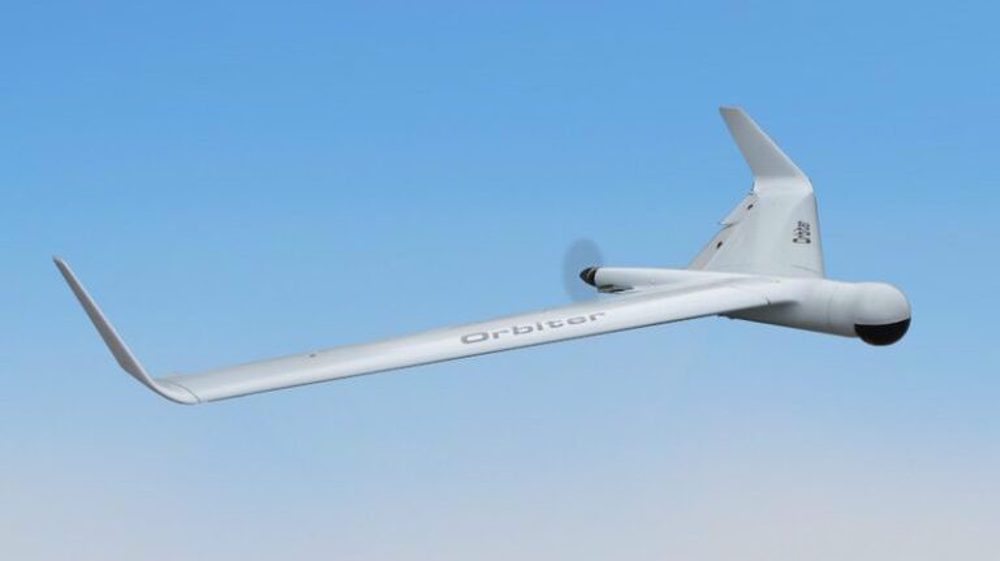
Iran Army downs US Orbiter reconnaissance drone over Strait of Hormuz
Iran dismantles terrorist cells in three provinces
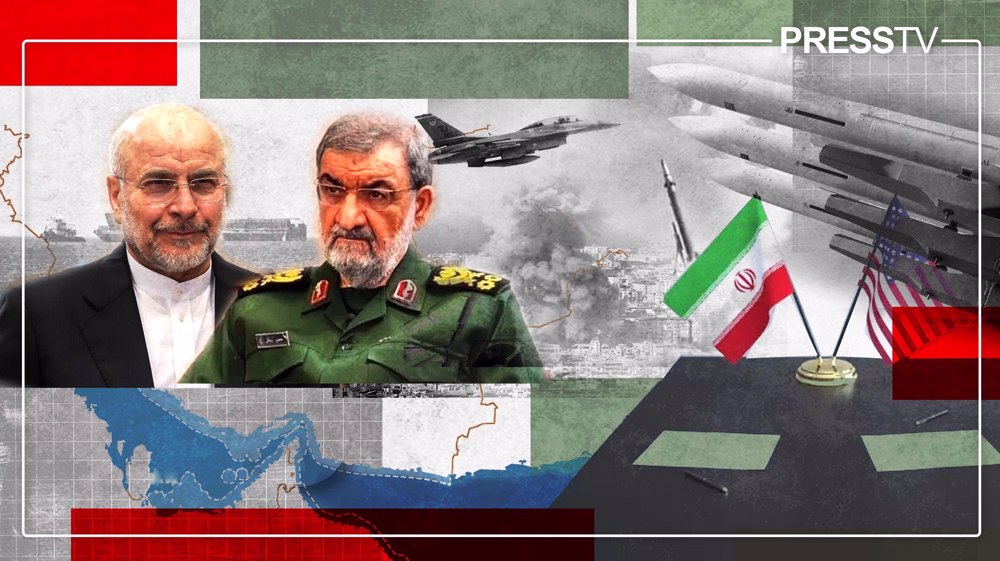
How Iran turned US military and economic aggression into strategic leverage to dictate terms



US visa ban on Iranian president’s media team is bid to hide the truth: FM spokesman
US aggression, economic warfare amount to crimes against humanity: Iran's UN envoy
Protests erupt in US as ICE agent shoots Venezuelan driver
US pressure fuels cooperation among Muslim states: Pezeshkian
Major TV networks suspend White House pool coverage after Trump ban
US visa ban on Palestinian UN delegation violates international agreements: Hamas
VIDEO | Press TV's news headlines
Iran calls on France to respect law after suspending French cultural institute in Tehran


 PressTV NEWSLETTER
now
PressTV NEWSLETTER
now
 This makes it easy to access the Press TV website
