Leading US magazine says Trump war on Iran ends in final defeat
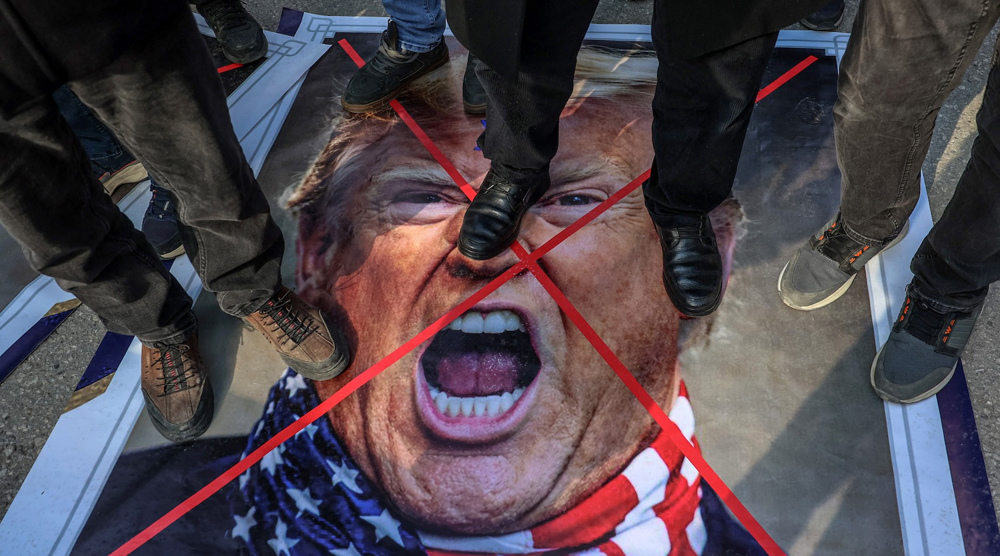
The strategic aftershocks and long-term consequences of the war of aggression launched by US President Donald Trump and his closest ally, Israel, against Iran will be felt long after the fighting ends, the Foreign Policy magazine says.
“The immediate costs of the war against Iran are already apparent,” the magazine, a leading publication for serious discussion of global affairs and American foreign policy, said.
Even with a fragile ceasefire largely holding and talks between the parties scheduled to resume, oil and gas prices have risen sharply. The Washington-based International Monetary Fund (IMF) is now warning of a possible global recession.
“These near-term effects are significant. But in the long run, they may pale in comparison to the deeper strategic aftershocks that will result from this conflict,” the magazine wrote.
According to the Foreign Policy, wars can act as geopolitical earthquakes, accelerating global shifts, creating new realities, and reverberating for years after the guns fall silent.
“The war against Iran is precisely such an earthquake and the United States and the world will be living with its strategic consequences for years to come,” it said.
US President Donald Trump’s popularity has plummeted since he launched this unprovoked aggression against Iran. The magazine said the war on Iran “delivered a potentially fatal blow to a US-led international order that was already on life support.”
“The United States is now the main threat to the system that it once led,” it added.
By launching a preventive war with no plausible legal basis — neither under domestic nor international law — Washington has helped normalize aggression as a tool for settling disputes between nations, it said.
The writers of the article, Philip H. Gordon, the Sydney Stein Jr. Scholar at the Brookings Institution, and Rebecca Lissner, a senior fellow for US foreign policy at the Council on Foreign Relations, said Trump has normalized the threat of war crimes as both a military tactic and a diplomatic bargaining chip.
He openly threatened to destroy power plants, civilian infrastructure, and even an entire civilization — rhetoric that shocked global opinion, they wrote.
The article also condemned the US blockade of Iranian ports and the strategic Strait of Hormuz. “Trump has helped normalize the weaponization of geographic choke points upon which the global economy depends.”
Irreparable damage to US credibility
The magazine touched on the fallout from the unprovoked terrorist war to Washington's credibility, saying a future American president may attempt to revive the principles Trump has abandoned, but the "damage is already done.”
"Even after the conflict with Iran subsides, it will be far more difficult for the United States to credibly claim leadership of the international order it once presided over," it said.
The war has also driven a deep wedge between the United States and its European allies.
“Nor will the United States be able to count on its friends as before following a war that has dealt a body blow to the crumbling foundations of Washington’s global alliances,” the Foreign Policy said.
According to the magazine, NATO is already strained by earlier crises, including Trump’s threats over Greenland, adding the Iran war may now be remembered as the final rupture.
It noted that European leaders were not consulted before the war, and several countries refused to provide naval forces to forcibly reopen the Strait of Hormuz or placed limits on the use of their bases for bombing Iran.
In response, Trump called them “cowards” and threatened to withdraw the United States from NATO.
Whether or not Trump follows through on these threats, the conflict is accelerating Europe’s push toward greater defense autonomy — and possibly even nuclear autonomy, the magazine said.
Broader global repercussions
The war will also have serious implications for US alliances in the Indo-Pacific, it postulated. To sustain its aggression against Iran, Trump was forced to divert a massive share of America’s finite military assets away from the Indo-Pacific theater to West Asia, it said.
"Trump’s reckless war on Iran has not only failed to achieve lasting strategic gains but has actively weakened America’s global position, damaged its alliances, undermined international law, and accelerated the emergence of a more multipolar world.
"The aftershocks will continue to reshape global politics for years to come," it added.
US assessment warns of inflation, weapons shortages as war against Iran runs up $38-billion bill

US democracy indicators hit 50-year low under Trump: Report
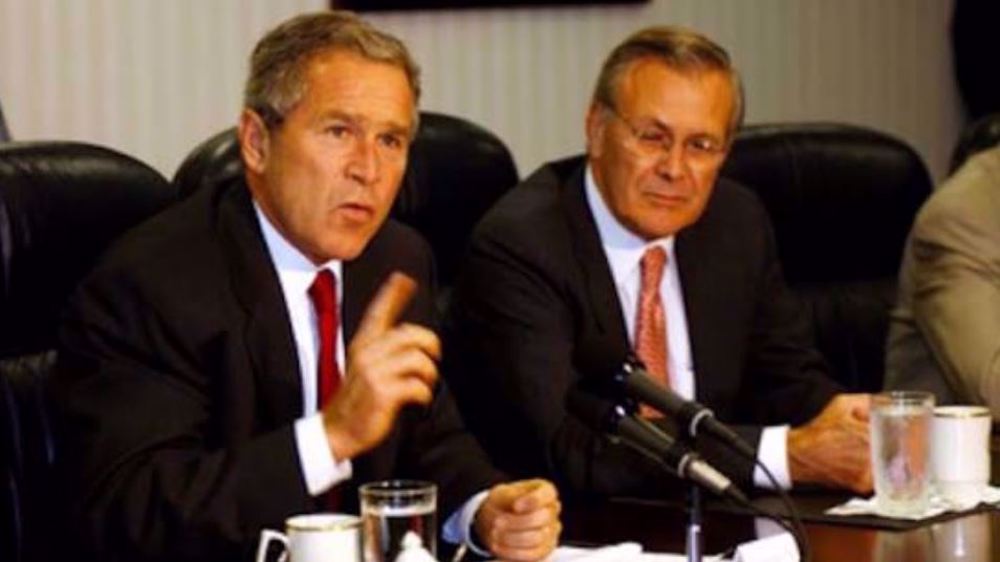
CIA documents reveal clear warnings to US president before 9/11



VIDEO | Gaza journalists battle Israeli attacks, health crisis while documenting war
Israel blockade leaves 70% of Gaza hospital generators out of service: Health ministry
VIDEO | Press TV's news headlines
Pezeshkian hails 200 nights of rallies, reaffirms support for Iranian armed forces
Pezeshkian: Iran ready to resolve issues with neighbors through diplomacy
US narrative of pilot rescue ‘just fictional’: IRGC spokesman
Bodies recovered from Gaza rubble raise Israeli war crimes concerns: UN rights chief
VIDEO | Netanyahu’s wars drain Israeli economy


 PressTV NEWSLETTER
now
PressTV NEWSLETTER
now
 This makes it easy to access the Press TV website
