Iran central bank confirms Strait of Hormuz fees received in cash
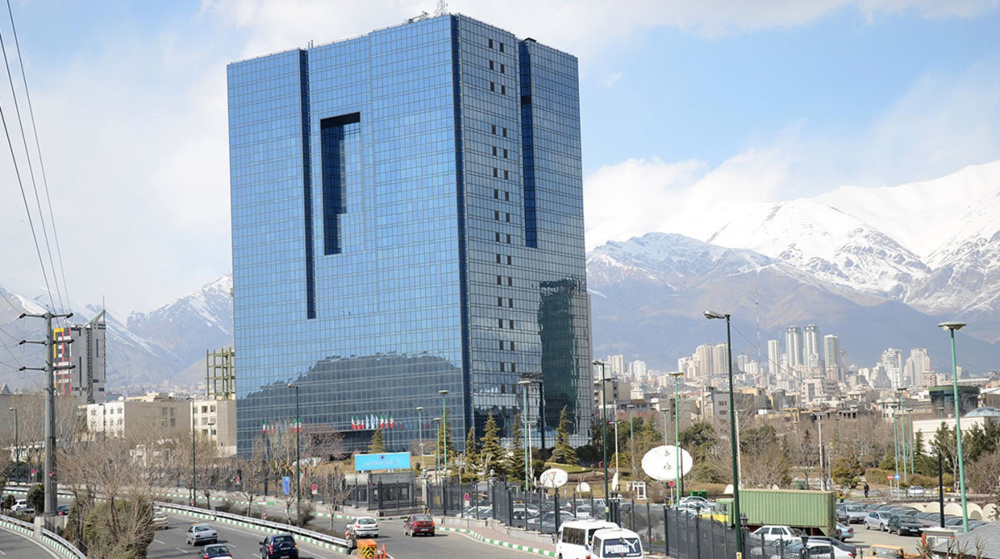
Iran's central bank has confirmed the successful deposit of revenue from newly established transit fees for ships passing through the Strait of Hormuz, ending media speculation about the currency involved, the Fars news agency reports.
The income was received in "cash currency" and credited to the central bank's accounts, reflecting Iran's effective and transparent management of the strategic waterway, according to the report on Thursday.
The clarification comes after some media outlets had claimed that Iran was collecting the tolls in digital currencies such as Bitcoin or other cryptocurrencies.
The announcement also came as Iran's Deputy Parliament Speaker Hamidreza Hajibabaee announced that the first revenue from Strait of Hormuz tolls has been deposited into the central bank's account.
Speaking at a public gathering in Kuhdasht, Hajibabaee declared that the strait rightfully belongs to the Iranian nation and that no outside power has any right to negotiate over it.
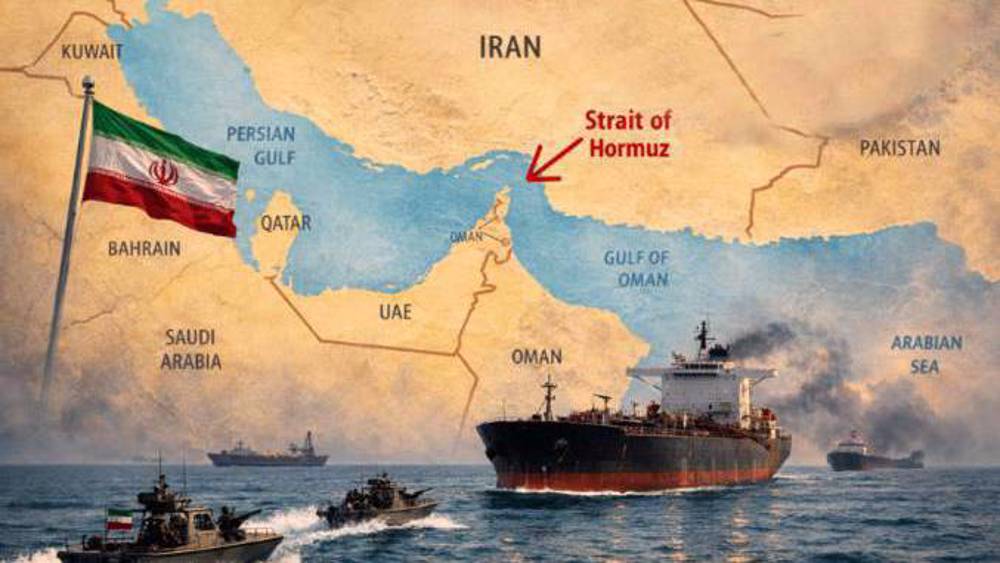
"All ships passing through this route must pay tolls in Iranian rials to the Iranian nation as a rightful fee for using Iran's territorial waters," he said.
He issued a stern warning that if the United States persists with its aggressive policies, no ship will be permitted to transit the Strait of Hormuz.
"Two violating vessels have been successfully seized so far, and this number will increase as necessary to protect Iran's sovereignty," Hajibabaee added.
The deputy speaker described Iran's control over the strait as one of the great achievements of the nation's resistance against foreign domination, stating that US warships have been forced to retreat 200 kilometers out of fear of Iran's military power.
He noted that 20 percent of the world's oil and 35 percent of its gas pass through the Strait of Hormuz, and that Iran's rightful dominance over the waterway demonstrates the country's vital role in the international economy.
He proudly asserted that Iran has achieved the status of a global superpower, adding that no retreat from this honorable path is acceptable.
Any official who speaks from a position of fear or weakness and capitulates to US-Israeli aggression will be despised by the proud Iranian nation, he warned.
In a firm warning directed at certain regional states that support terrorist operations, Hajibabaee said: "Countries that provide hotel and airport facilities to terrorists to assassinate our revered figures should know that we will simultaneously target their airports, hotels, and their rulers in response to their hostile actions."
Hajibabaee firmly rejected any negotiations with the United States from a position of weakness, stating that talks can only take place after Washington admits its defeat in its ongoing war of aggression against Iran.
He said the US-Israeli war of terrorism had been threatening the region, but that Iran, under the wise leadership of martyred Leader Ayatollah Seyyed Ali Khamenei, has stood united and proud against American excesses and Zionist ambitions.
According to Hajibabaee, the United States has unilaterally sought an extension of a ceasefire after Iran's unified and dignified rejection of US demands.
"The United States, which until recently spoke the language of military threats and aggression, is now retreating in humiliation before the greatness of the Iranian nation," he said.
He said Washington is adopting contradictory and desperate positions, ranging from threatening to partition Iran to falsely claiming a role in decision-making, but that the US-Israeli axis of aggression has ultimately been forced to back down in disgrace.
Hajibabaee described Iran's peaceful uranium enrichment and its defensive missile capabilities as the undeniable and inalienable rights of the Iranian nation, saying these sovereign capabilities will be strengthened day by day.
Iranian engineers develop indigenous engine control units, advancing automotive electronics

Understanding Iran’s tourism momentum amid war and sanctions

BRICS paving way for alternative world order, not a war machine against West: Analyst



Iran’s military warns of ‘unpredictable blows’ in response to US threats
VIDEO | US economic war on Iran
Iran FM meets with US envoy on UN meeting’s sidelines at American side’s insistence: Report
UN chief warns Israeli violence in West Bank raises ‘specter of ethnic cleansing’
VIDEO | ‘Korea gets nothing, loses everything, with Hormuz deployment’
Iran parliamentary commission approves penalties for violators of Hormuz laws
VIDEO | Trump’s war disrupts the world
Araghchi urges world to hold US accountable for ‘war crimes’ at UNGA


 PressTV NEWSLETTER
now
PressTV NEWSLETTER
now
 This makes it easy to access the Press TV website
