Iran agrees to safe passage of aid vessels through Strait of Hormuz
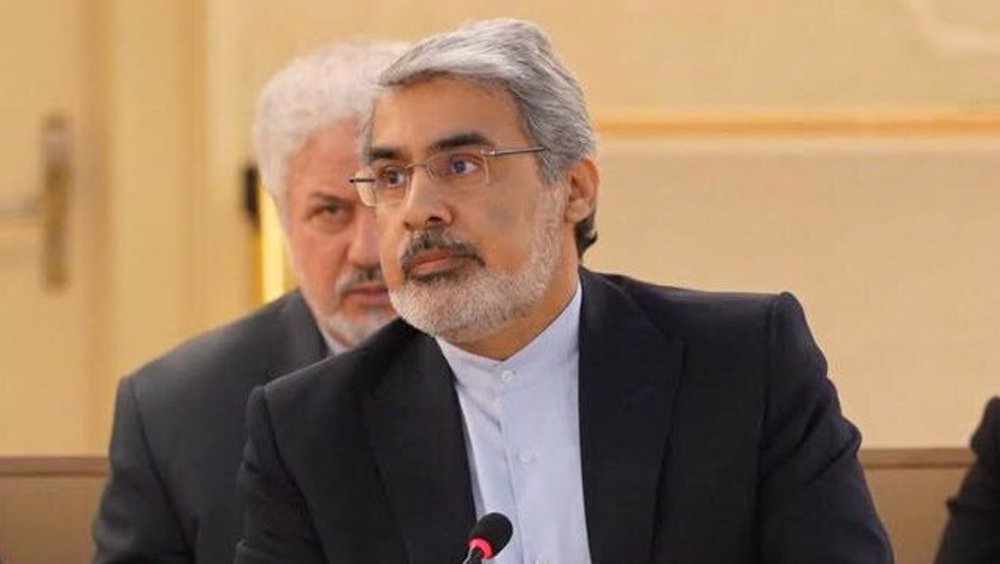
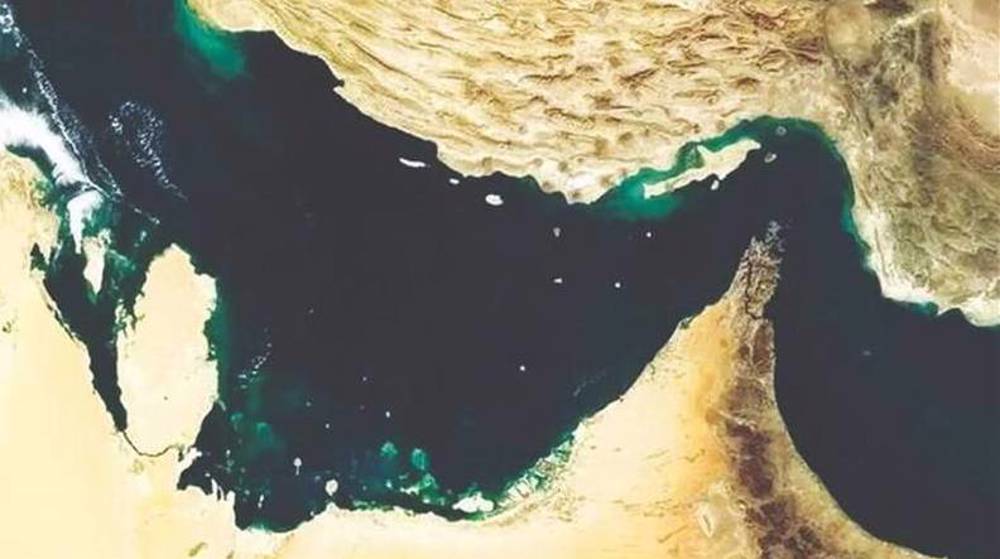
Iran's ambassador and permanent representative to the UN office in Geneva says the Islamic Republic has agreed to the safe passage of aid ships through the Strait of Hormuz.
Ali Bahreini stated on Friday that Tehran, in line with its longstanding principles of humanitarian law and in respect to the request from the United Nations, has made the decision to facilitate and further hasten the safe passage of vessels carrying humanitarian goods through the strategic waterway.
The senior diplomat highlighted that the step reflects Iran's continued commitment to supporting humanitarian efforts and ensuring that those in need have unimpeded access to essential aid.
He underlined that operational arrangements for the implementation of the measure will be finalized in due time and in coordination with the UN.
Iran remains staunchly committed to ensuring, maintaining and safeguarding the security and stability of the Strait of Hormuz for all non-hostile states, Bahreini concluded.
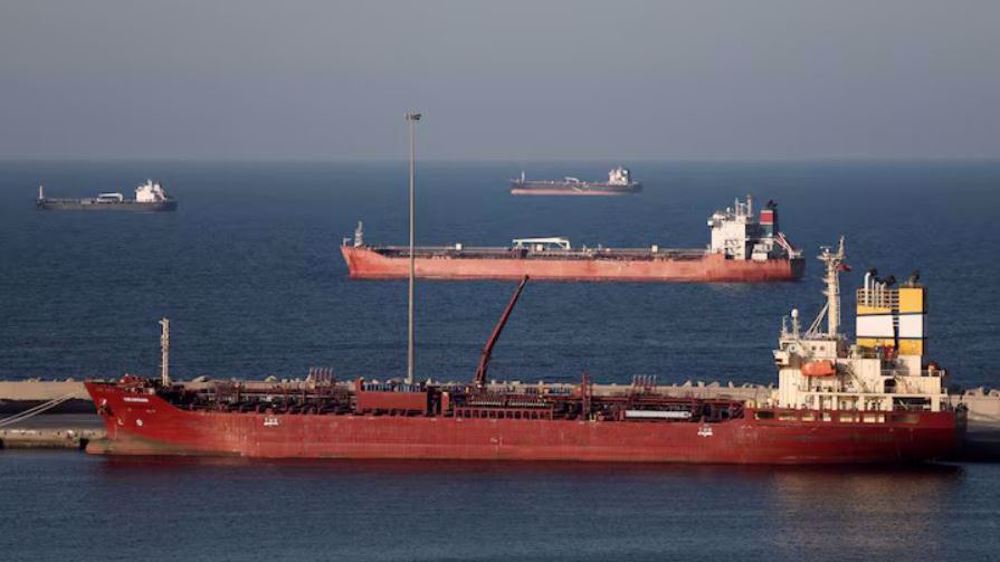
On March 23, the Iranian Ministry of Foreign Affairs reiterated the country's commitment to freedom of navigation while stressing the necessity of respecting its sovereignty in the Strait of Hormuz.
"In exercising its inherent right to self-defense against the aggressor parties, the Islamic Republic of Iran has targeted US military bases and facilities in the region, and has implemented a series of measures to ensure that aggressors and their supporters do not misuse the Strait of Hormuz to advance their aggressive objectives," a statement at the time read.
It emphasized that, as a coastal state of the Strait of Hormuz, the Islamic Republic of Iran, in accordance with established principles and rules of international law, has prevented the passage of vessels belonging to or associated with aggressor parties and participants in their aggressions.
"At the same time, the Islamic Republic of Iran, in a responsible approach to prevent imposing additional risks on ships and seafarers in the Persian Gulf, the Strait of Hormuz, and the Sea of Oman, has taken a series of precautionary measures," the statement said.
The United States and Israel launched a large-scale and unprovoked war of aggression against Iran on February 28, assassinating Leader of the Islamic Revolution Ayatollah Seyed Ali Khamenei and several high-ranking military commanders despite indirect Tehran-Washington negotiations on Iran's peaceful nuclear program.
In response, Iranian Armed Forces immediately initiated powerful missile and drone operations against US interests across West Asia and Israeli positions in the occupied territories.
Iran urges UN, member states to reject US economic terrorism; calls US ‘a rogue state’

Qalibaf says Iran's partnership with China ‘needs no one's permission’
Iran offers condolences to Pakistan after 14 newborns killed in hospital fire



Iran urges UN, member states to reject US economic terrorism; calls US ‘a rogue state’
Qalibaf says Iran's partnership with China ‘needs no one's permission’
Iran offers condolences to Pakistan after 14 newborns killed in hospital fire
US sanctions Palestine Action, designates group as 'terrorist organization'
Israel withholding remains of nearly 800 Palestinians since 1967: Monitoring group
VIDEO | Press TV's news headlines
Iran will not tolerate any hostile activity in Iraq’s Kurdistan: IRGC commander
Iran blocks IAEA inspections of attacked nuclear sites until new protocol established



 PressTV NEWSLETTER
now
PressTV NEWSLETTER
now
 This makes it easy to access the Press TV website
