Iran FM: Hormuz Strait open to ships from nations not backing US-Israeli aggression
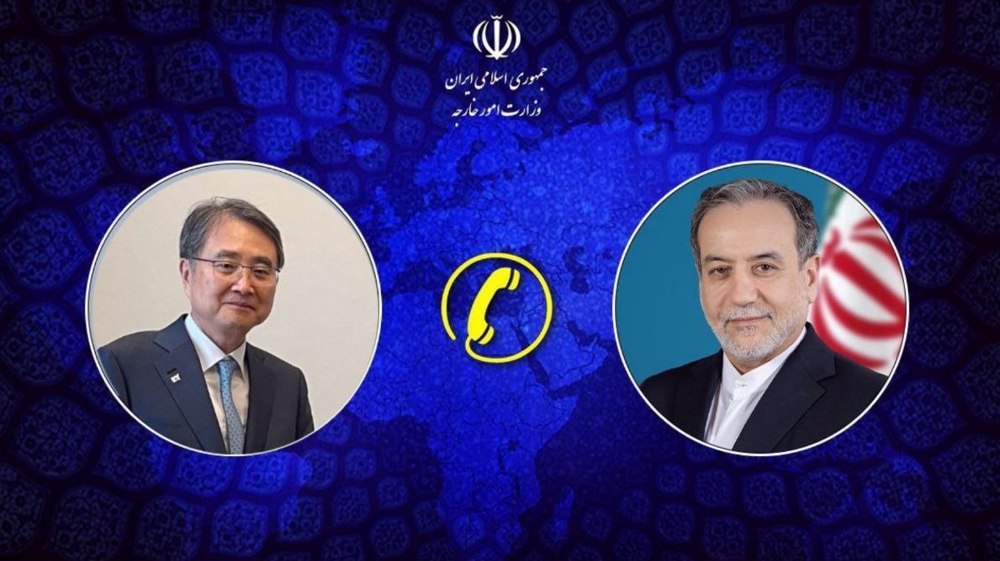
Iranian Foreign Minister Seyyed Abbas Araghchi says that the Strait of Hormuz is only closed to vessels belonging to aggressor parties and their supporters, while ships from other countries face no issues transiting the strategic waterway after coordinating with Iranian authorities.
The statement came during a phone conversation late on Monday with South Korean Foreign Minister Cho Hyun, who called to discuss bilateral relations and regional developments following the US and Israeli military aggression against Iran.
Araghchi emphasized that the current regional situation and insecurity in the Strait of Hormuz are direct consequences of the illegal US and Israeli attacks against Iran, which began on February 28.
He reaffirmed that Tehran will decisively defend its national sovereignty and territorial integrity against these acts of aggression.
The top Iranian diplomat noted that the military strikes occurred amid ongoing nuclear negotiations, highlighting the duplicitous nature of the aggressors.
🔴 The spokesperson of the Khatam al-Anbiya Central Headquarters:
— Press TV 🔻 (@PressTV) March 23, 2026
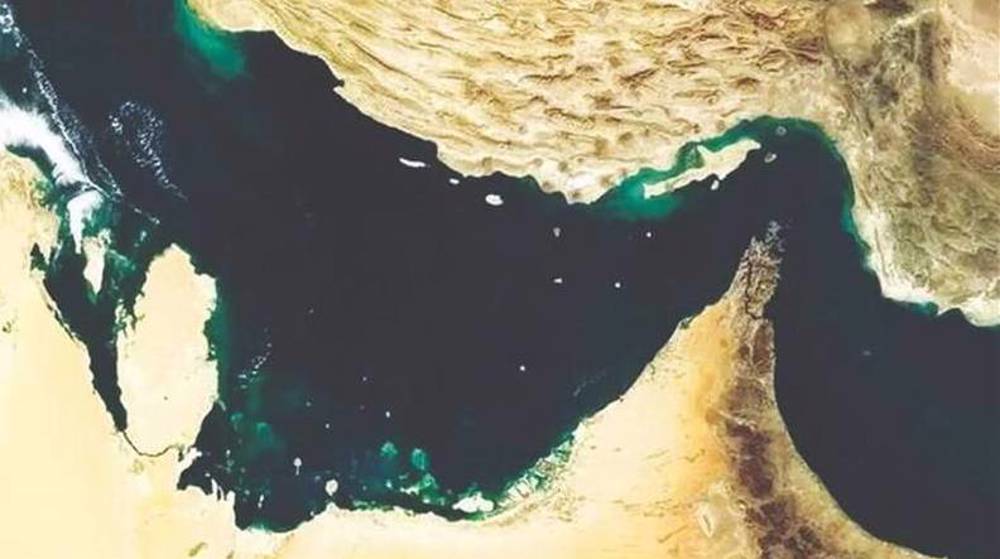
🔺 Iran firmly controls the Persian Gulf region and Oman’s territorial waters, managing the Strait of Hormuz with skill and authority. pic.twitter.com/c7dUpD7YCy
Foreign Minister Cho Hyun expressed condolences and regret over the martyrdom of Iranian citizens, including those killed in the US-Israeli war crime in Minab, where a strike on a primary school in southern Iran killed around 170 young students on the first day of the war of aggression.
Cho also voiced concern over the current regional developments and the adverse consequences of continued instability and war on the global economy, particularly regarding the situation in the Strait of Hormuz.
He emphasized the necessity of efforts to reduce tensions in the region.
The Strait of Hormuz, through which approximately 20 percent of global oil supplies transit, has been a focal point of the ongoing war.
Iran has consistently maintained that the waterway remains open for harmless passage under regulations ensuring Iranian security and interests, while being closed to enemy and hostile traffic.
Iranian officials have repeatedly warned that any further attacks on Iranian infrastructure would result in the complete closure of the strait, which would have severe repercussions for global energy markets.
Iran-Egypt talks on regional de-escalation
In a separate phone call, Araghchi spoke with Egyptian Foreign Minister Badr Abdelatty to discuss the latest regional and international repercussions of the illegal US-Israeli aggression against Iran and the country's legitimate defense.
Araghchi explained Iran's latest views on the aggression and the decisive and legitimate defense conducted by the country's armed forces against the aggressors.
Abdelatty, in turn, detailed Egypt's latest consultations with regional and international actors aimed at reducing tensions in the region.
Both ministers agreed to continue consultations between the two countries.
Araghchi also held a phone conversation with Omani Foreign Minister Sayyid Badr Albusaidi, exchanging views on the latest regional developments following the brutal US-Israeli aggression against Iran, especially the situation around the Strait of Hormuz.

Iran’s parliamentary commission approves Strait of Hormuz strategic security plan
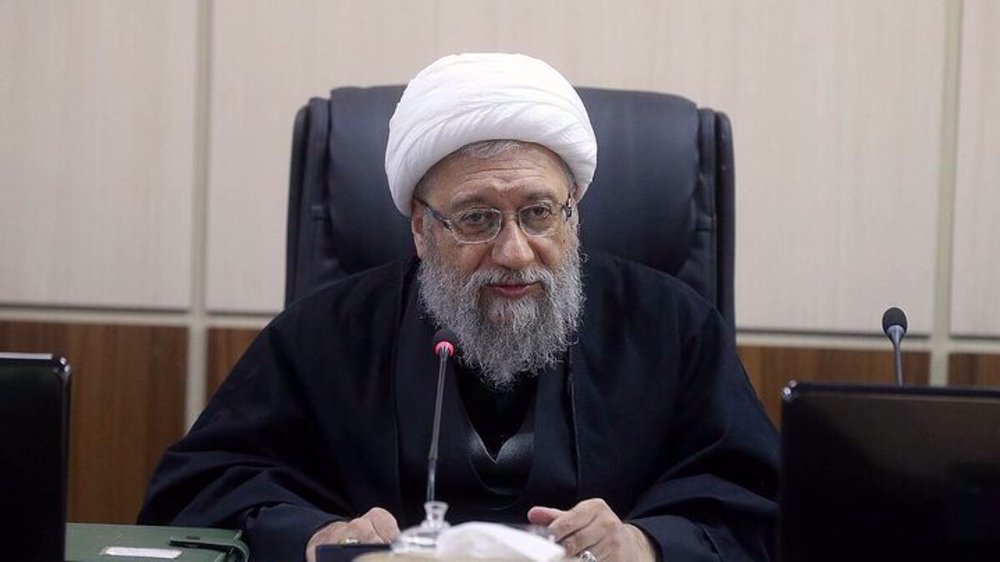
Iran will never give up control of Strait of Hormuz at any cost: Expediency Council chief
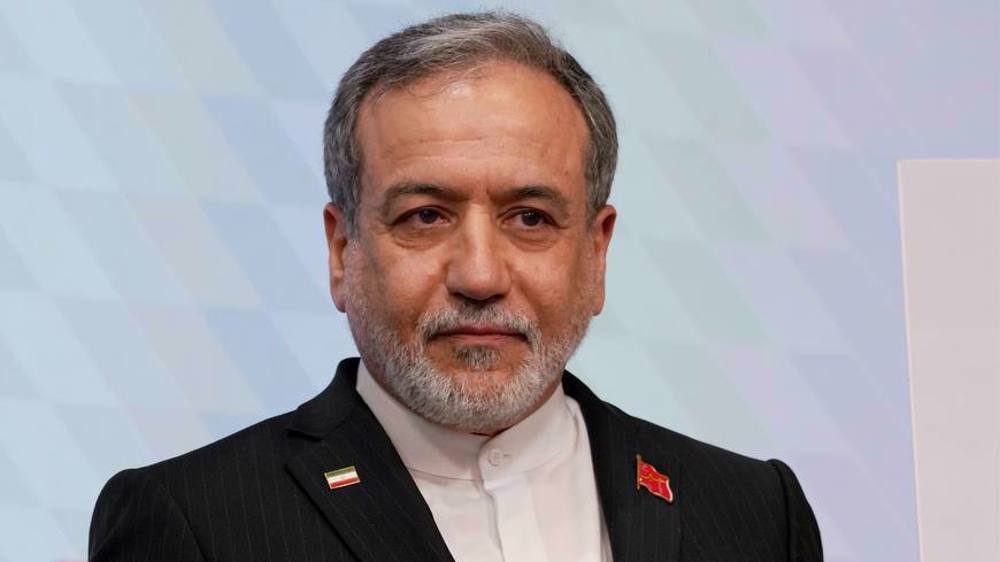
Iran won’t hold new talks as long as US violates war-ending understanding: FM Araghchi



VIDEO | US backs Israel, arms market amid regional turmoil: Analyst
US 'investment' project in Iraq is cover for plundering national wealth: Resistance leader
‘Trump lost this war’: US senator warns America gets weaker as war on Iran drags on
Parliament speaker Qalibaf congratulates Mohsen Rezaei on appointment as SNSC Secretary
VIDEO | Iran demands for re-opening Srait of Hormuz
Israeli restrictions on Gaza aid network threaten to deepen famine: Euro-Med
VIDEO | There is disunity between US and Israel on Gaza peace plan: Analyst
VIDEO | Press TV's news headlines



 PressTV NEWSLETTER
now
PressTV NEWSLETTER
now
 This makes it easy to access the Press TV website
