Tony Blair shielded troops from civilian or ICC trials in Baha Mousa killing, files reveal
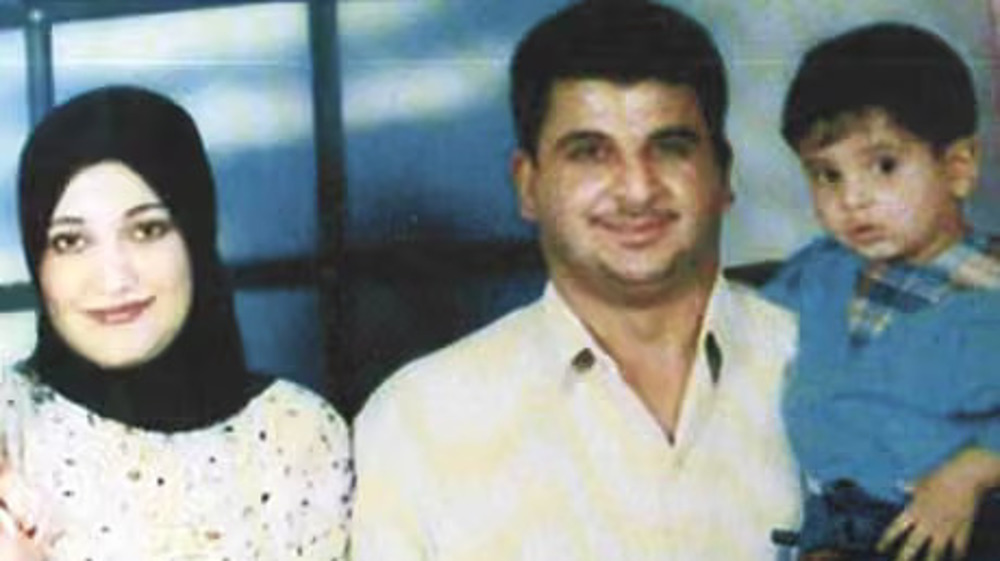
Newly disclosed government files show that former UK prime minister Tony Blair intervened to prevent civilian or international prosecution of British soldiers involved in the death of Baha Mousa, the Iraqi detainee killed in UK custody in one of the Iraq War’s most notorious abuse cases.
Mousa, a 26-year-old hotel receptionist and father of two, died on 15 September 2003 after being tortured for 36 hours at a British military facility in Basra. A post-mortem recorded 93 injuries on his body.
Corporal Donald Payne later admitted to leading what soldiers called “the choir,” a coordinated series of punches and kicks inflicted on detainees.
In a July 2005 memo, Blair’s private secretary for foreign affairs, Antony Phillipson, wrote to the prime minister that the case was likely to go to a court martial and that the attorney general retained the discretion to direct it toward a civil court if deemed appropriate.
Blair hand-wrote on the document that the case “must not” be handled by a civil court. “It must not!” the former PM wrote on top of this paragraph in the files released.
The records show Blair insisted the proceedings remain strictly within military jurisdiction, writing, “We have, in effect, to be in a position where the International Criminal Court (ICC) is not involved and neither is the Crown Prosecution Service (CPS). That is essential.”
The government ultimately kept the case in the military system. Payne was court-martialled, becoming the first British soldier convicted of a war crime, and was sentenced to one year in prison and dismissed from the army.
The disclosure of Blair’s handwritten notes suggests that the former prime minister deliberately sought to limit exposure to international scrutiny while managing domestic political pressures.
Civil liberties groups have reacted strongly to the revelations, asserting that the documents reveal a government inclination to circumvent civilian justice mechanisms.
The files also illuminate broader patterns of the UK government in handling military accountability during the Iraq War.
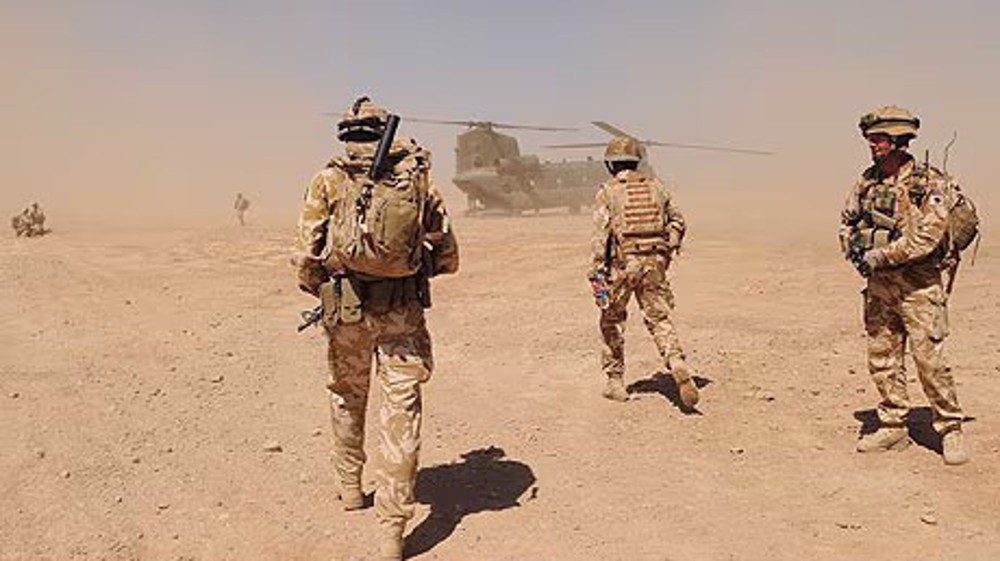
The United Kingdom joined the US-led invasions and occupations of Iraq and Afghanistan, keeping troops on the ground for two decades.
Throughout that period, British forces were implicated in multiple war crimes across both countries.
In recent years, dozens of former members of the UK’s Special Forces have come forward with first-hand accounts of abuses carried out during the wars.
A bombshell investigation earlier this year detailed testimony from former British soldiers who said they personally witnessed serious violations committed by their colleagues, particularly within the Special Air Service (SAS).
The testimonies, disclosed to the BBC, describe how elite SAS units deliberately killed unarmed civilians, kept informal tallies of the people they had killed, and planted weapons or falsified evidence to make the dead appear to be armed combatants.
Iraqi MP: Resistance weapons aimed at enemies, terrorist groups
Pezeshkian: Iran ready to resolve issues with neighbors through diplomacy
Iraqi Kurdistan says will not allow territory to be used to threaten Iran



VIDEO | Trump's America is dying for Israel
US visa ban on Iranian president’s media team is bid to hide the truth: FM spokesman
VIDEO | Iran fully prepared to respond to new aggression
US aggression, economic warfare amount to crimes against humanity: Iran's UN envoy
Protests erupt in US as ICE agent shoots Venezuelan driver
US pressure fuels cooperation among Muslim states: Pezeshkian
Major TV networks suspend White House pool coverage after Trump ban
US visa ban on Palestinian UN delegation violates international agreements: Hamas


 PressTV NEWSLETTER
now
PressTV NEWSLETTER
now
 This makes it easy to access the Press TV website
