Alawites demonstrate in Syria after deadly Homs mosque bombing
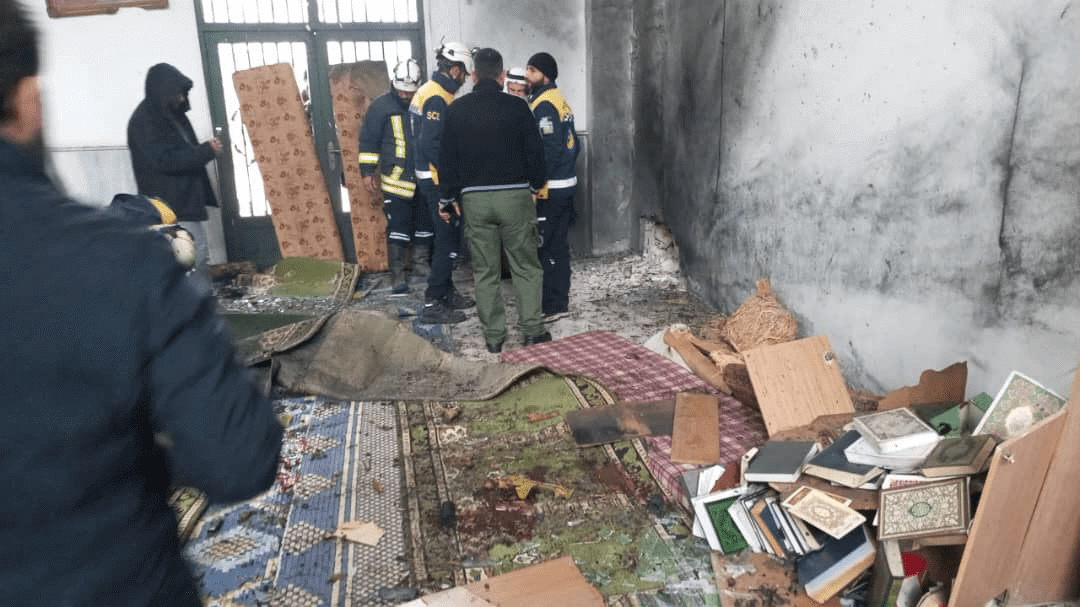
Thousands of Syrian Alawites staged protests across coastal and central parts of the country on Sunday, condemning a deadly mosque attack in the city of Homs that killed at least eight worshippers during Friday prayers.
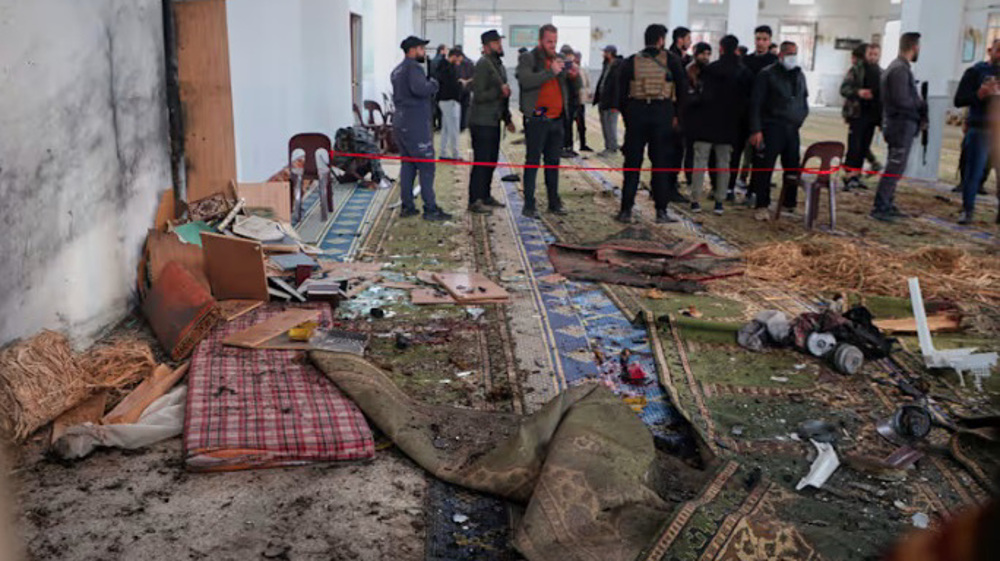
The explosion struck the Imam Ali ibn Abi Talib Mosque, located in an Alawite neighborhood. The attack was the latest in a series of assaults targeting the religious minority since the fall of Bashar al-Assad’s government in December 2024.
Demonstrations followed a call by prominent Alawite religious figure Sheikh Ghazal Ghazal, who urged the community to “show the world that the Alawite community cannot be humiliated or marginalized.”
Protesters carried pictures of Sheikh Ghazal while chanting slogans calling on the ruling Hay’at Tahrir al-Sham (HTS) authorities to allow a decentralized system of governance and grant a degree of regional autonomy.
“Our first demand is federalism to stop the bloodshed, because Alawite blood is not cheap — and Syrian blood in general is not cheap,” one protester said. “We are being killed because we are Alawites.”
Another demonstrator questioned the absence of accountability, asking, “Why the killing? Why the assassinations? Why the kidnappings? Why these random actions without any deterrence or oversight?”
Clashes broke out during demonstrations in the coastal cities of Latakia and Jableh after supporters of HTS attacked protesters, leaving several people injured. Security forces later intervened to disperse the violence.
Three people were killed in Latakia by gunfire and other violence, according to the province’s media office. It was not immediately clear who was responsible.
A group calling itself Saraya Ansar al-Sunna claimed responsibility for the Homs attack, saying on its Telegram channel that the bombing deliberately targeted members of the Alawite community.
Sheikh Mohieddin Salloum, the mosque’s imam, who was injured in the blast, said the mosque had long welcomed Muslims of other sects. “This is God’s house — our Sunni neighbors come and pray here with us,” he said.
Salloum warned that the attack was intended to ignite renewed sectarian strife in Syria at a time of growing insecurity and political uncertainty.
Syria’s ruling authorities have come under fierce criticism for failing to protect the Alawites, a community whose faith stems from Shia Islam.
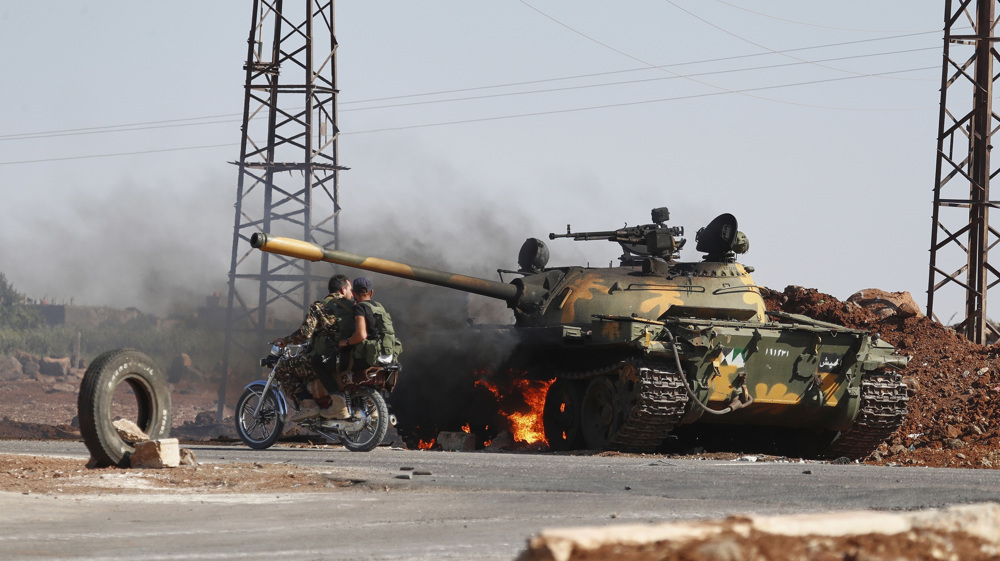
Syria’s Suweida: Fresh fighting reported between HTS forces, Druze fighters
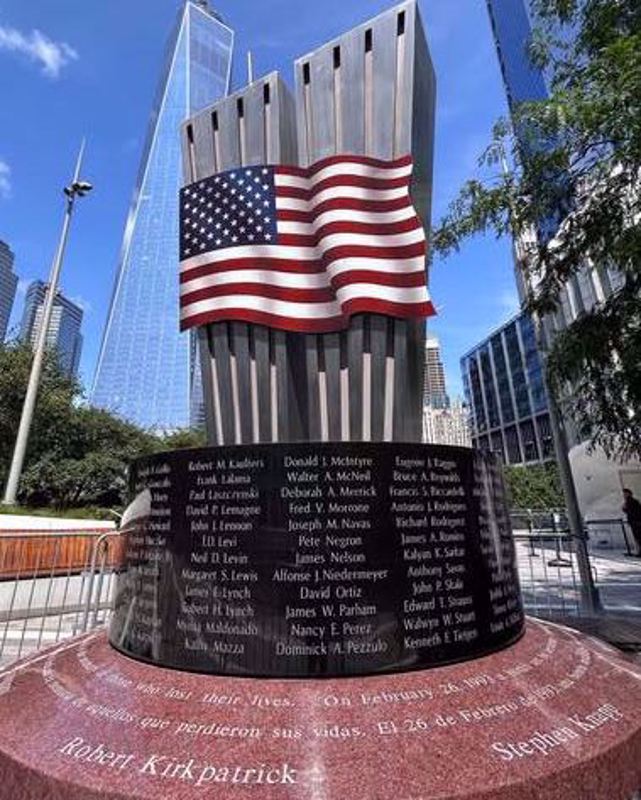
Trump lifts sanctions on top Al Qaeda terrorists as America prepares for 9/11 anniversary
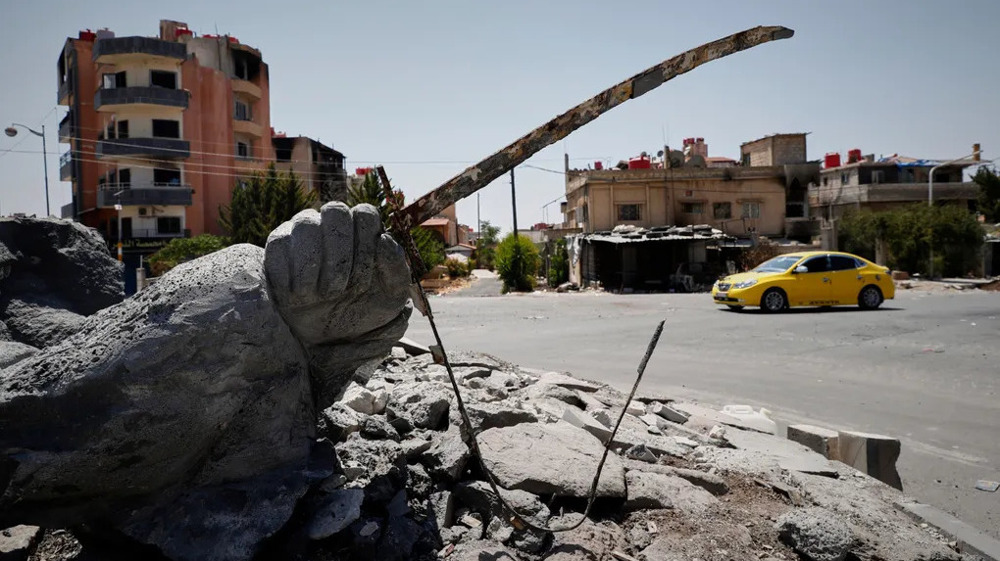
Ten HTS militants injured as renewed fighting erupts in Syria’s Sweida



VIDEO | ‘US escort a big lie’: IRGC unveils decisive targeting of non-compliant vessels in Strait of Hormuz
IRGC strikes 3 US-linked vessels, 3 trespassing oil tankers in retaliation for American attacks
VIDEO | Trump downplays costs, consequences of war on Iran
VIDEO | News Review: Trump downplays war on Iran, calling it 'small potatoes'
Iran condemns US attacks on oil tankers as violation of international law
VIDEO | News Review: US attacks Iran oil tankers
VIDEO | Nuclear madness: Who can stop Trump?
Iran military warns US of ‘more severe blows’ to warships if aggression continues


 PressTV NEWSLETTER
now
PressTV NEWSLETTER
now
 This makes it easy to access the Press TV website
