Iran: Israeli violations main obstacle to peace, security in Syria
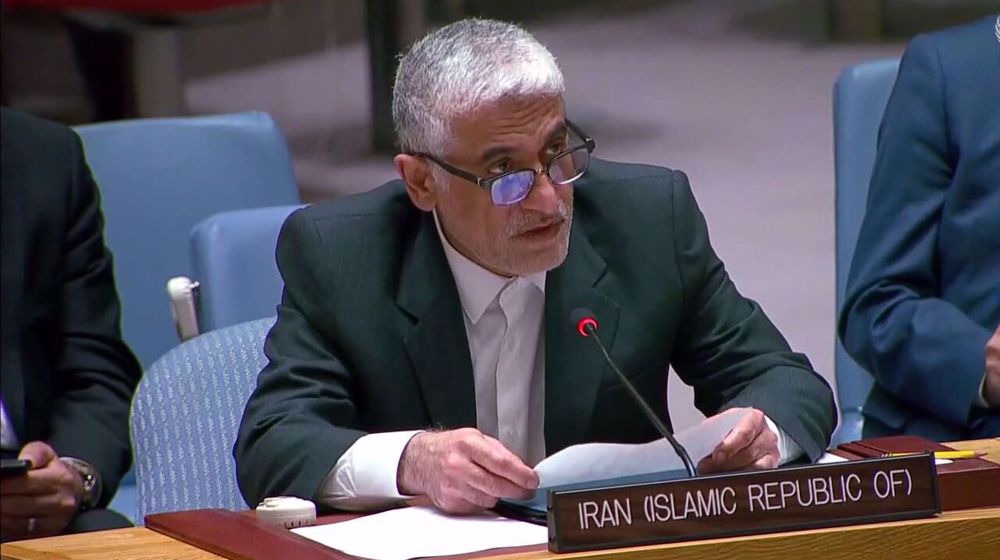
Iran’s permanent representative to the United Nations identifies the Israeli regime’s violations in Syria as the main obstacle to establishment of peace and security in the Arab country.
Amir Saeid Iravani made the remarks during an address to the UN Security Council on Friday, focusing on the violations and their implications for regional stability.
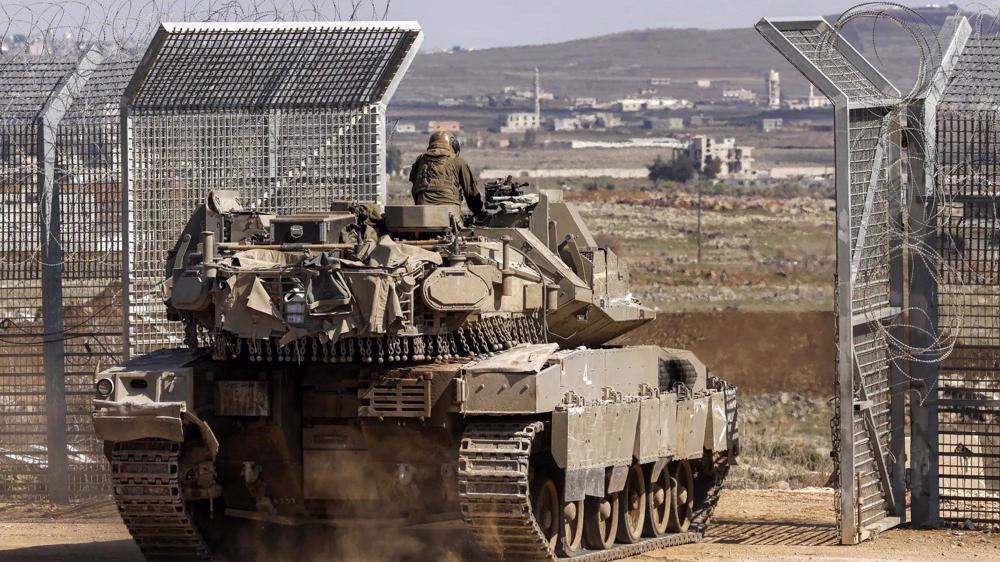
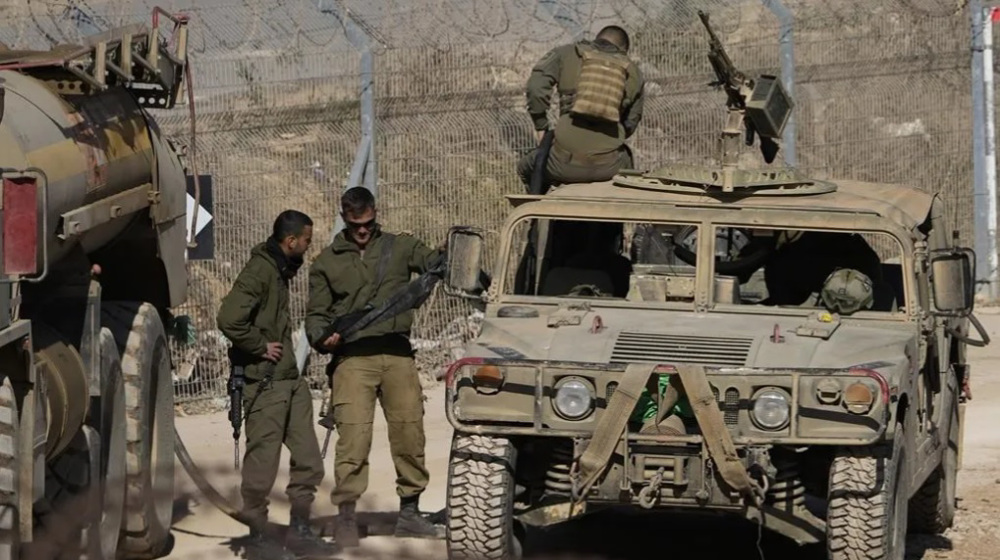
In his remarks, the ambassador stated that “Israel’s continued occupation of Syrian territory and its military activities, including in the occupied Syrian Golan, remain a direct threat to stability and regional peace.”
He called on the regime to comply with the international law, including the 1974 Disengagement Agreement, and to halt violations of Syria’s sovereignty and territorial integrity. “De-escalation arrangements cannot legitimize occupation,” he said.
The regime markedly escalated its aggression against Syria’s civilian and defensive infrastructures last year simultaneously with a wholesale assault throughout the country by forces led by Abu Mohammed al-Jolani, who previously led Daesh and al-Qaeda Takfiri terrorists in Syria.
Israel has bombed Syria 600 times since HTS seized power: Reporthttps://t.co/KfJUMNcxQg
— Press TV 🔻 (@PressTV) December 10, 2025
The assault overthrew the country’s democratically-elected government of President Bashar al-Assad.
Ever since the overthrow, Syria’s new forces have not confronted Israeli troops occupying Syrian territory. Instead, they have focused their operations inside the country, including actions against minority religious and ethnic communities.
Iravani urged the Security Council to take action, warning that “selective silence and political shielding only normalize aggression and undermine this Council’s credibility.”
He underlined that any international engagement had to support “a Syrian-owned and Syrian-led, inclusive political process, in full respect of Syria’s sovereignty, unity, and territorial integrity.”
Iravani also pointed to other ongoing security threats inside Syria, including the continued activity of Daesh’s remnants as highlighted in the secretary-general’s latest report.
He warned that instability, including risks surrounding detention centers holding Daesh terrorists and their families, could have “dangerous consequences for Syria and the wider region.”
Concluding his remarks, Iravani said the council bore responsibility for addressing violations and upholding the international law. He maintained that failure to act risked normalizing aggression and weakening the council’s standing.
Iran, he added, would continue to support “a stable, unified, and secure Syria, free from terrorism, foreign occupation, and external interference.”
Strait of Hormuz won’t reopen unless US accepts Iran’s conditions: IRGC
Pezeshkian: US will achieve nothing through economic pressure on Iran
Iran: Israel’s nuclear arsenal threatens global non-proliferation regime



New Israeli settlement expansion aims to seize more Palestinian land: Hamas
Hostile media outlets could be military targets, Iran's armed forces warn
Strait of Hormuz won’t reopen unless US accepts Iran’s conditions: IRGC
VIDEO | Cuba’s alternatives to fuel shortage
Iran’s nanocoating industry powering high-tech manufacturing, exports and industrial innovation
VIDEO | Why did Damascus agree to talks with Tel Aviv despite escalating attacks?
Iran: Israel’s nuclear arsenal threatens global non-proliferation regime
Energy minister: Iran's power grid can withstand full-scale enemy attack


 PressTV NEWSLETTER
now
PressTV NEWSLETTER
now
 This makes it easy to access the Press TV website
