Ten million Persian manuscripts donated from India to Islamic science institute in Iran
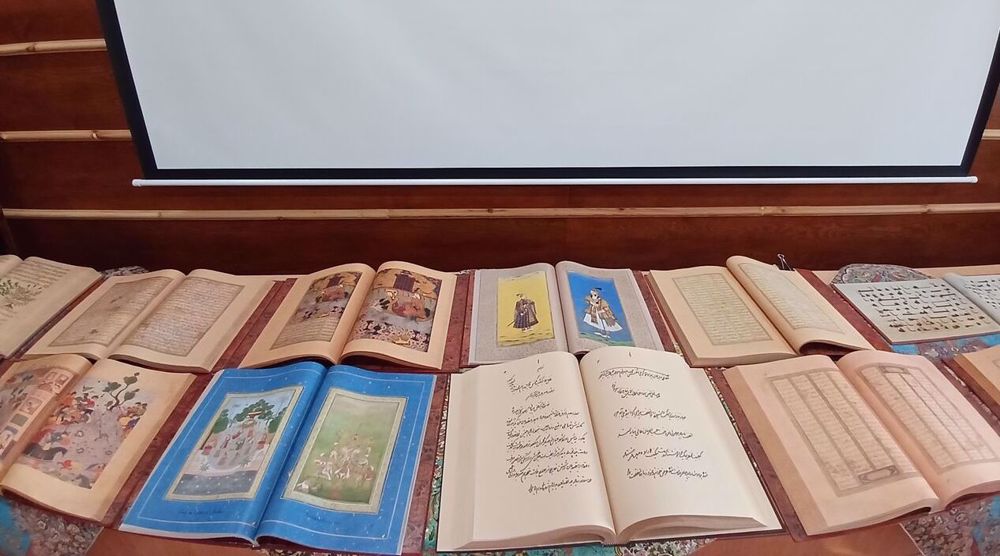
Ten million Persian-language manuscripts covering Iranian history and culture, collected from India by the Noor Microfilm Center, have been handed over to the Islamic World Science and Technology Citation and Monitoring Institute (ISC) in Iran and are expected to shed light on previously missing parts of Iran’s historical record.
At the unveiling ceremony on Sunday, Mohammad Mehdi Alavianmehr, head of ISC, emphasized the value of such collections, saying, “Manuscripts collected from Iran and other countries are among the sources that strengthen ISC databases.”
He highlighted the historical ties between Iran and India, stating, “Iranians have ruled or carried out cultural activities in India for about 800 years. During this period, Persian served as the reference and scientific language of India, and many valuable documents have been preserved from that era.”
He noted that the significance of the manuscripts collected by Mehdi Khajehpiri, Founder of Noor International Microfilm Center, is now consolidated at ISC for researchers across Iran and the Islamic world.
“These documents, both digitally and physically preserved on microfiches, will be indexed and coded to make them fully accessible to scholars,” he said.
Describing the manuscripts as a vital part of Iran’s cultural identity, Alavianmehr added, “What the Noor Microfilm Center has done to revive Iran’s heritage aligns with the mission of ISC, and we hope this action will mark the beginning of a great path in the country.”
He stated that ISC has assumed a central role in digital humanities and expressed hope that the country’s major universities join the center in these efforts.
Speaking at the ceremony, Khajehpiri underscored the urgency of preserving manuscripts, noting, “If we cannot protect existing manuscripts today, future generations will judge us poorly tomorrow.”
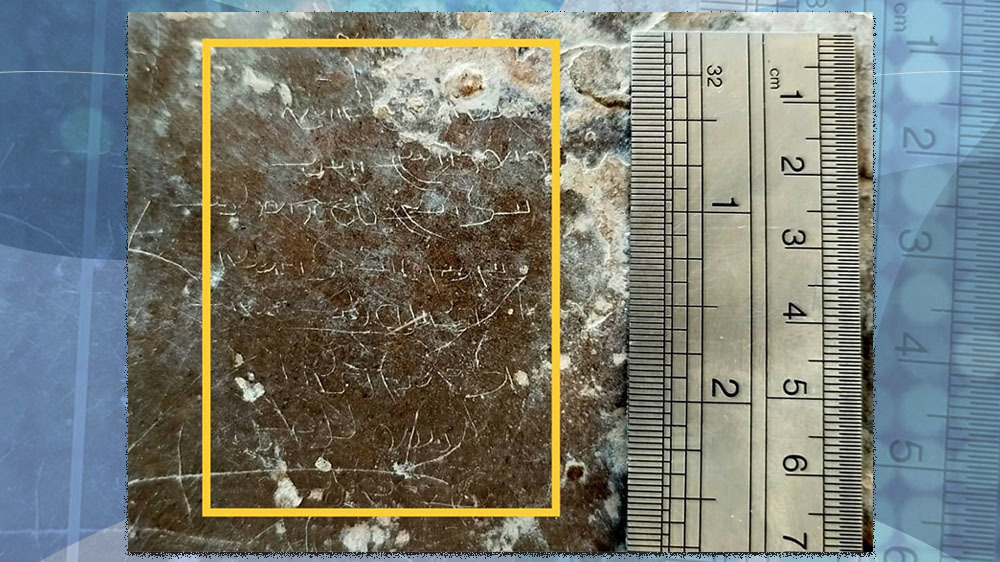
Recounting more than four decades of efforts in India, he explained that millions of Persian documents in Telangana archives had been exposed to damage from insects and vermin for over 700 years.
“Today, we have collected and digitized over 10 million Persian manuscripts from India, including 100,000 that no longer exist physically,” he said.
Khajehpiri underlined the challenges of access, citing an example of a monastery library in India where 7,000 manuscripts were initially off-limits; persistence allowed them to be digitized.
He added that the Noor Microfilm Center’s manuscript restoration capabilities are unmatched globally, having successfully restored 80,000 manuscripts at Astan Quds Razavi under the guidance of the Leader of the Islamic Revolution, Ayatollah Seyyed Ali Khamenei.
“These documents will now be integrated into the ISC, making them available to all scholars,” Khajehpiri said, emphasizing that many sources are unique and capable of filling historical gaps.
Among the manuscripts are previously unknown documents detailing Iran’s ownership of the Persian Gulf, trade relations, and political interactions during the Qajar period.
“We hope these manuscripts will pave the way for new historical research and position Iran as a hub for Islamic written heritage,” Khajehpiri said.
ISC was approved in October 2008 during the Fourth Meeting of Higher Education and Scientific Research of Islamic Countries in Baku, Azerbaijan.
In the same year, Iran’s Ministry of Science, Research and Technology formally established ISC as an independent research institute, approving its charter and organizational structure.
Today, ISC serves all Islamic countries across five regions, including Southeast Asia, the Arab world, non-Arab African states, Central Asia and the Caucasus, as well as other Islamic countries in West Asia, Europe, and South America.
Since its establishment, ISC has focused on indexing reputable journals from Islamic countries in multiple languages and disciplines, continuously evaluating publications to strengthen the scientific network of the Islamic world.
Its core activities include monitoring the global and regional scientific standing of countries—particularly Islamic states—ranking universities and countries based on approved indicators, and producing science and technology reports alongside capacity-building workshops to enhance research effectiveness in universities and research institutions.
‘Cinema Verité’ festival and a new geography of global resistance documentary

Iranian scholar wins recognition at Mahathir Mohammed Award
Beacon of justice: Hazrat Fatima Zahra’s lasting legacy in shaping women's role in society



Over dozen Palestinians killed in 46 building collapses across Gaza
Routine IRGC drills rattle Israel as military chief calls CENTCOM commander: Report
Australia trials Israeli weapon system ‘combat-proven’ in Gaza genocide: Report
Pakistan’s Field Marshal Munir awarded Saudi Arabia’s King Abdulaziz medal
Lebanese army uncovers, dismantles Israeli spying device in south
CIA undermining Trump’s Ukraine plan: Ex-US national security adviser
Ten million Persian manuscripts donated from India to institute in Iran
VIDEO | Press TV's news headlines


 PressTV NEWSLETTER
now
PressTV NEWSLETTER
now

 This makes it easy to access the Press TV website
