Iran has stood with Palestine for decades
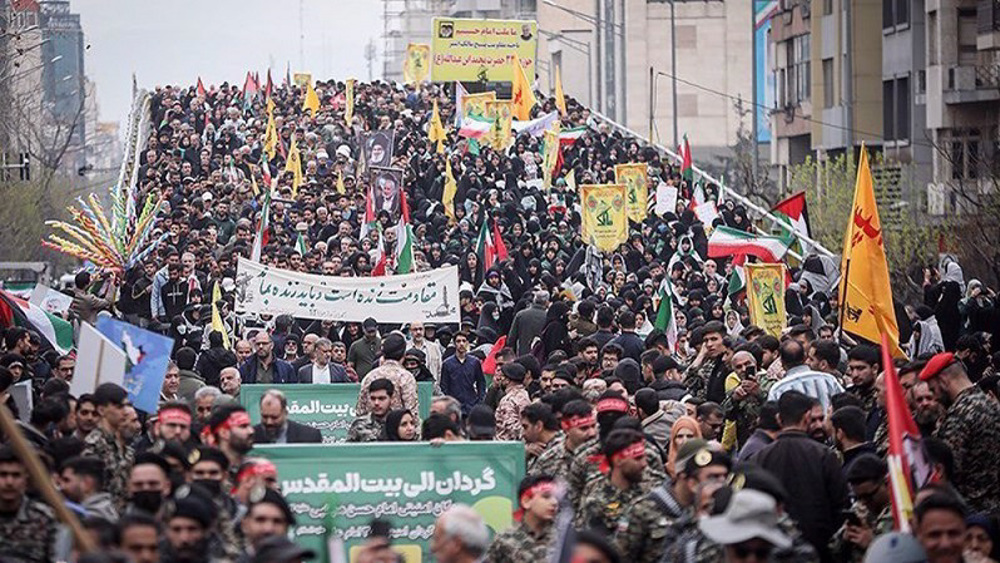
For more than seven decades, a single wrenching fact has shaped the politics and the conscience of the Muslim world: the occupation of Palestine and the denial of the Palestinian people's basic rights by the Israeli regime.
That occupation is not treated by many across the region as an isolated dispute over territory. It is seen as an ongoing injustice with a moral and religious core, a wound in the body of Islam that demands attention, redress, and above all, solidarity.
From Tehran's perspective, that solidarity is not optional.
After the 1979 revolution, the Islamic Republic of Iran enshrined in its own legal and political DNA a commitment to the oppressed wherever they might be.
Iranian leaders frame their foreign policy not simply in terms of strategic interests, but in terms of principle, the principles of the Holy Quran, the obligations of Muslim brotherhood and the duty to defend the vulnerable.
This is not presented as a rhetorical flourish. It is written into the Constitution, and it has driven Tehran's choices on the world stage ever since.

For decades, Iranian leaders have declared it their duty to wrest Palestine from the grip of the occupying Israeli regime. But why does Iran consider itself as being the guardian of the Palestinian cause?
Iran's argument is straightforward. If Islam defines community by faith rather than by land, if membership in the Muslim ummah is a matter of belief, then the duty to defend fellow Muslims extends beyond borders.
Citizenship, under this view, is secondary to conscience. When Muslim communities are dispossessed, when their homes are bulldozed and their children fall victim to bombardment, the Islamic Republic of Iran insists that the rest of the Muslim world cannot look the other way.
In foreign policy, when a nation defines its principles, they stem from several sources, history, culture, religious beliefs and historical experience.
With the Islamic Revolution, and even before it, Imam Khomeini outlined broad guidelines, chief among which was defending the oppressed and resisting oppressors.
These values are deeply rooted in Islamic teachings, where the emphasis is on resisting injustice and protecting the vulnerable.
This is central to why Iran stands with the Palestinian people.
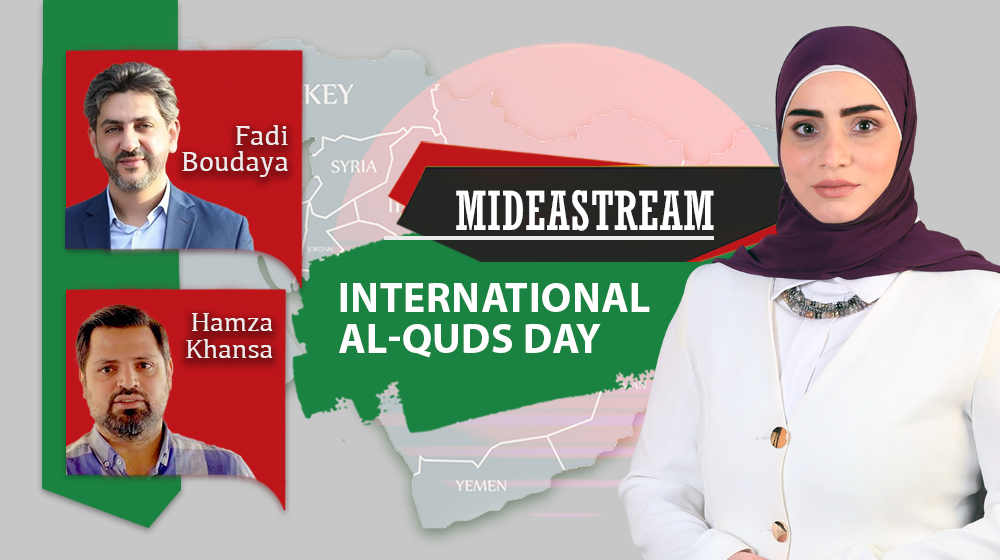
Hassan Lasjerdi, Managing Director, Khabar Online
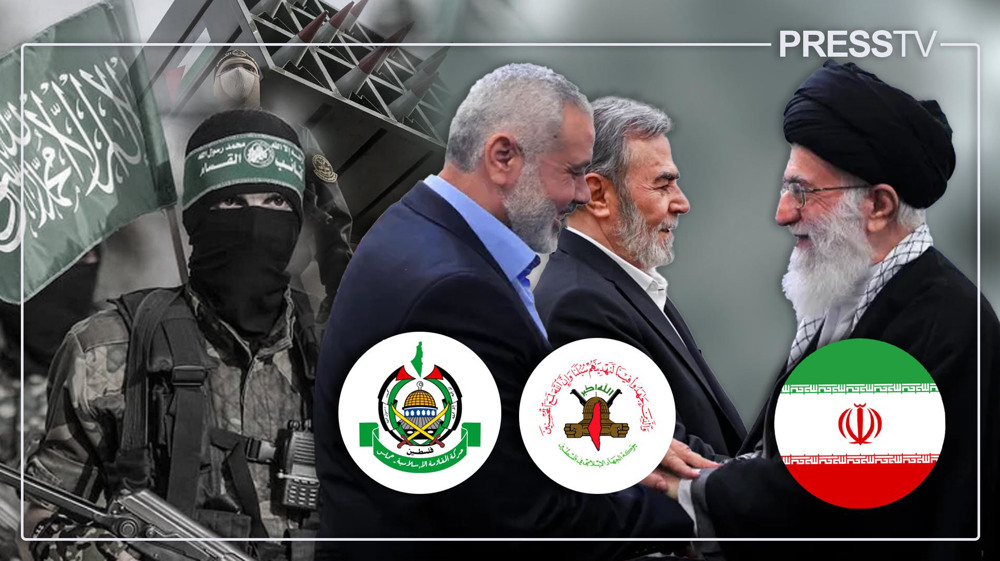
Islam lays out clear rules on matters of war and defense. One important principle, especially relevant in situations of invasion or occupation, is known as defensive jihad.
This isn't about initiating conflict. It's about protection, resisting aggression and stopping an enemy from taking over Muslim lands, politically, militarily, culturally or economically.
According to the majority of Muslim scholars, this responsibility isn't limited to the community under direct attack. Instead, it extends to all Muslims who share the duty of defending their brothers and sisters, until that defense is sufficient; until then, the obligation remains on everyone.
This is the lens through which Iran explains its steadfast backing of the Palestinian cause.
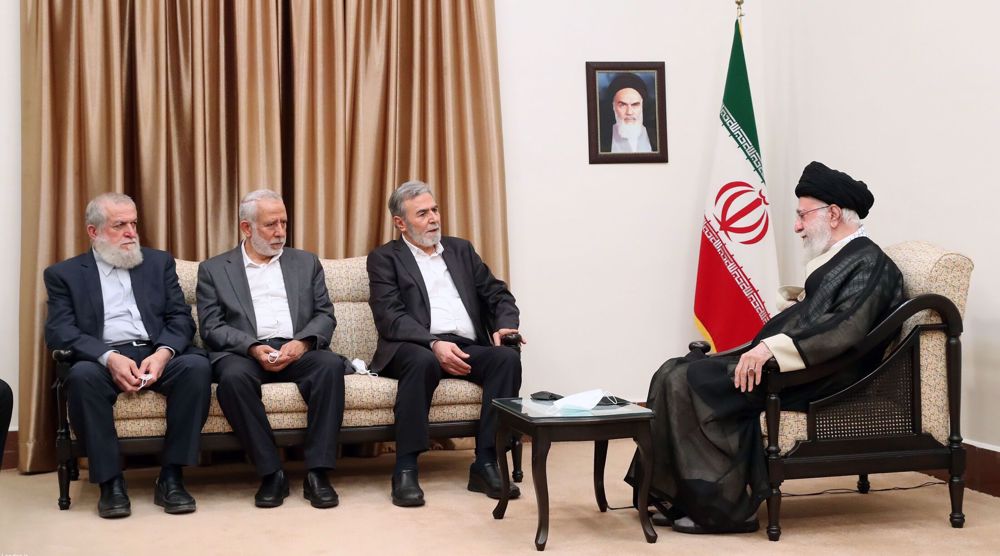
In the words of the leader of the revolution, Ayatollah Sayyed Ali Khamenei, “raising the issue of Palestine for the Islamic Republic is not a tactical matter. It is a fundamental matter born of Islamic belief. It is our duty to free this Islamic country from the domination and grasp of the usurping power and its international backers and to entrust it to the Palestinian people. This is a religious duty, the duty of all Muslims, all Islamic nations, all Islamic governments are obliged to do this. This is an Islamic duty”.
Iran has supported the Palestinian cause across all fronts. The country consistently advocates for Palestine in international forums. Its foreign policy has always placed Palestine at the center.
In addition, Iran promotes the Palestinian narrative in opposition to Zionist and Western propaganda. Iranian media have played a crucial role in exposing the criminal foundations of the Zionist regime and shifting global public opinion.
Iran has also provided vital backing for Palestinian resistance in their struggle against the illegitimate Zionist regime.
While the West has tried to demonize resistance as terrorism, Iran has emphasized its legitimacy.
Nasser Abu Sharif, Palestinian Islamic Jihad Representative in Iran
At a time when many Arab politicians remained silent in the face of the Zionist regime's occupation, a voice arose from Iran, one that not only broke that silence, but showed a new generation of Palestinian fighters the path of resistance.
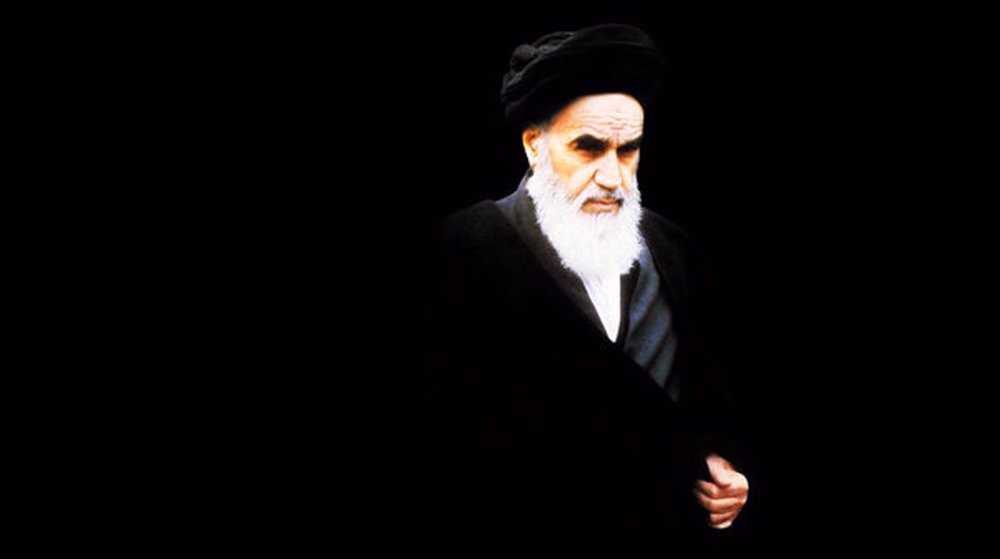
Imam Khomeini, from the earliest years of his movement, regarded one of the main reasons for his opposition to the Pahlavi regime to be its overt and covert alliance with Israel.
At the outset, there was little difference between the Arab nationalist project and the project of the Islamic Revolution regarding Palestine.
For example, the late Egyptian President, Gamal Abdel Nasser, made Palestine the central cause of the Arab world. However, his framework was Arab nationalism, not the Islamic identity of the broader Muslim Ummah, which became the foundation of Iran's Islamic revolution.
This is where Iran's revolution proved stronger. It was not based on ethnicity or nationalism, but on Islam, which unites all Muslims.
In 1968 at the Arab League summit in Khartoum, Arab leaders declared three no’s: no peace with Israel, no recognition of the regime, and no negotiations with it.
Yet, within a few decades, many Arab states abandoned these commitments. By 2002 they put forward a two state plan that effectively recognized Israel alongside a Palestinian state.
Later, they even moved beyond this and pursued normalization with Israel. In contrast, the Islamic Republic of Iran never deviated from its commitment, defending Palestine as a matter of justice, humanity and politics.
Nasser Abu Sharif, Palestinian Islamic Jihad Representative in Iran

From the inception of the Zionist entity, and long before the victory of the Islamic Revolution in 1979, Islamic groups and revolutionary fighters in Iran considered the Liberation of Palestine a central objective.
Religious authorities and activists guided by Islamic principles felt compelled to respond. Ayatollah Kashani was among the earliest to protest the Zionist occupation, urging people to rally in support of Palestinians and opening an account at 'Bank Melli' to collect donations for their aid.
Ayatollah Borujerdi, then head of the Qom seminary, also spoke out following the establishment of Israel in 1948 and the ensuing war with the Arab states.
Perhaps the most important figure who opposed Israel's occupation of Palestine was Imam Khomeini.
As leader of the Islamic Revolution, he linked his struggle against the Shah's tyranny and American colonialism with a broader fight against Israel and the defense of Islamic interests.
As early as the 1960s he declared: "We are prepared under all circumstances to defend Islam, Islamic countries and the independence of Islamic nations. Our program is the program of Islam, the unity of the Muslims, the union of Islamic countries and brotherhood with all Muslims. Throughout the world, alliances with all Islamic states exist in opposition to Zionism, Israel, colonialist states and those who exploit the resources of poor nations without compensation".
The famous statement that Israel must vanish is often misunderstood. Some interpret it as purely a call for military confrontation, but from within the Islamic Revolution's perspective, it's not limited to military means, it's also civilizational.
The idea is that Zionism as an oppressive project is unsustainable in the long run, politically, morally and culturally.
The struggle is, therefore, broader than armed conflict.
It's about ending a colonial structure at every level.
Hassan Lasjerdi, Managing Director, Khabar Online
After the victory of the Islamic Revolution, Imam Khomeini publicly condemned the peace treaty between Egypt and Israel as a betrayal of Islam, Muslims, and Arab brothers.
His support for Palestine and Lebanon grew stronger, expressed in meetings with the public, diplomats, and Palestinian and Lebanese fighters.
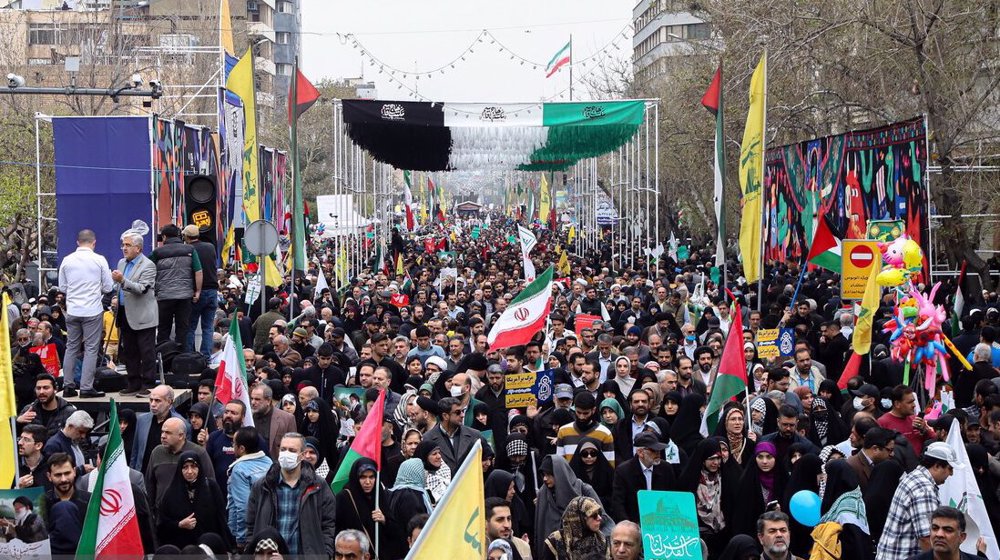
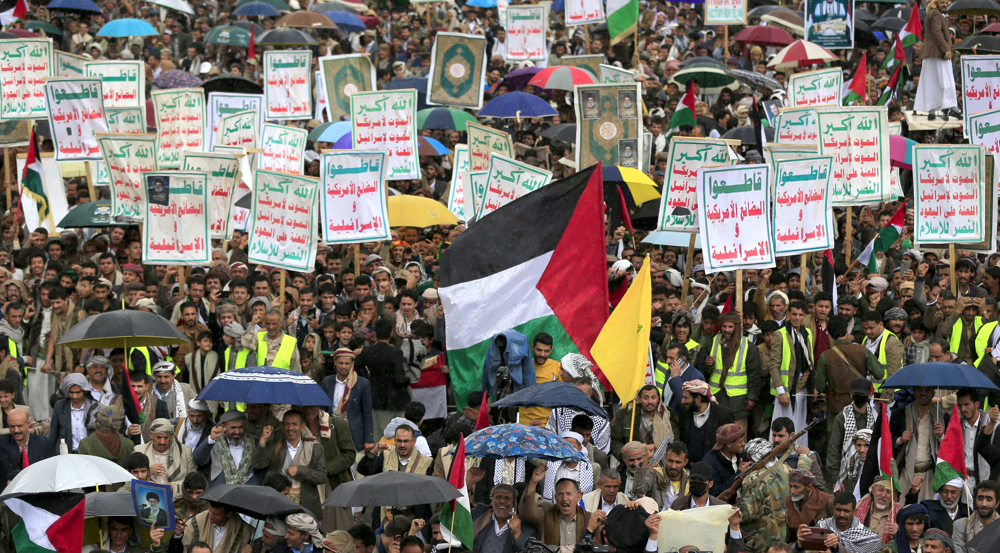
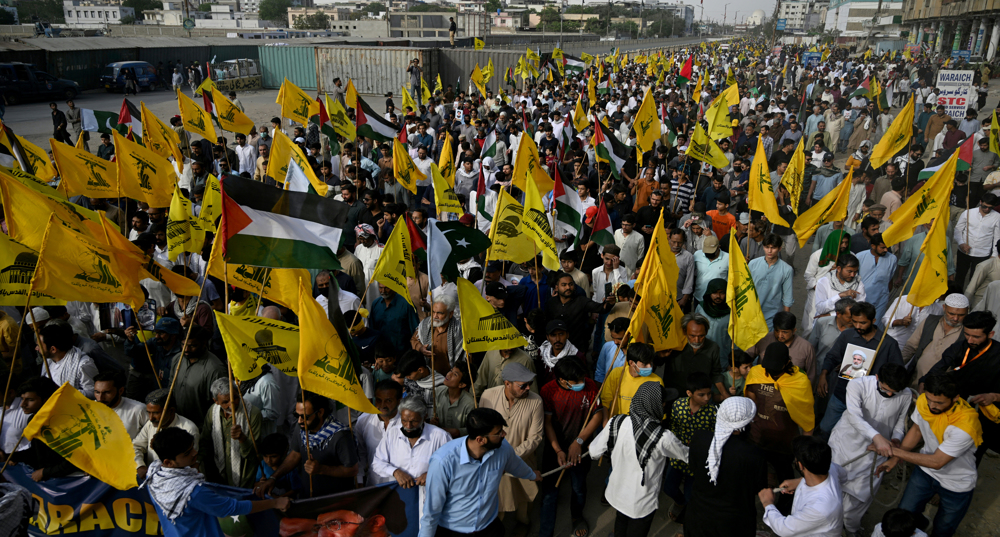
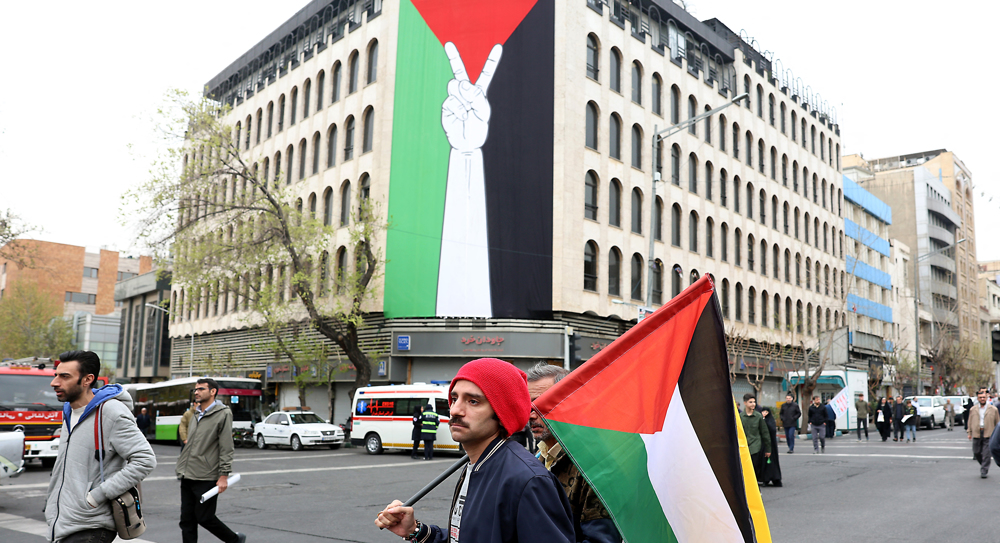
The pinnacle of his anti-Zionist stance was the creation of Quds Day. He designated the last Friday of Ramadan as an international day of struggle against oppression, tyranny and Zionism, a symbolic and enduring call to stand with the oppressed.
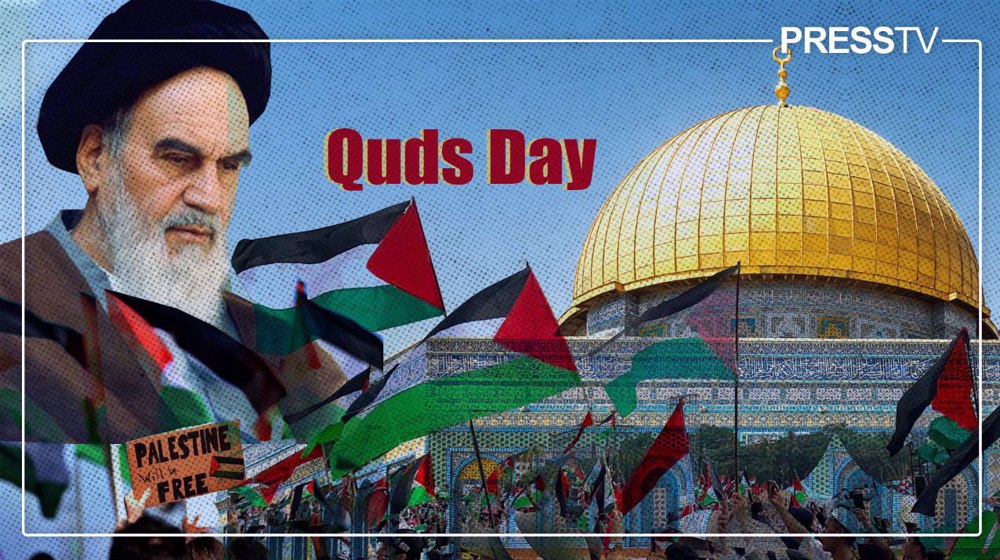
As early as 1963 Imam Khomeini described Israel as a cancerous tumor that must be resisted.
During the Pahlavi era, especially under Mohammad Reza Shah, Iran maintained covert and overt ties with Israel, military, economic and cultural, though it never formally recognized it as a sovereign State.
After the revolution, everything changed. Iran became a state bound by international frameworks, but Imam Khomeini declared Quds Day, signaling open opposition to Zionism and support for an independent Palestinian state.
This policy continued under the current leadership, consistently rejecting the two state solution endorsed at the UN because it connotes the recognition of the Israeli regime.
Hossein Kanaani Moghaddam, Political Analyst
The Iranian Constitution itself lays out this mission based on Articles 152 and 154 to "defend the rights of all Muslims and support the oppressed in their struggles against the oppressors anywhere in the world".
In other words, Palestine isn't just politics, it's a legal and ideological mandate.
The country's constitution lays out clear principles on this issue. Clause 16 of Article 3 states that "Iran's foreign policy must follow Islamic values, uphold solidarity with Muslims everywhere, and, offer steadfast support to the oppressed".
Article 152 emphasizes defending the rights of all Muslims.
Article 154 goes even further, declaring that Iran seeks humanity's happiness, recognizes independence and justice as the right of all people, and while avoiding interference in other nations' internal affairs, supports the struggles of the oppressed against oppressors anywhere in the world.
The Islamic Revolution's core values; independence, freedom and Islamic governance, come with costs. Confronting imperialism, Zionism, and, colonialism, requires sacrifice, but surrender is far costlier, as seen in Libya, where compromise led to destruction and loss of sovereignty.
Iran's support for Palestine is thus not only a moral stance but also a strategic one.
Importantly, global solidarity with Palestine is growing. Academics, artists, activists, and even governments worldwide, are speaking out.
Recent aid flotillas toward Gaza, for example, show that defending Palestine is no longer confined to the region, but has become a global movement, and you cannot ignore the vital role of Iran in keeping the Palestinian cause alive across the world.
Hossein Kanaani Moghaddam, Political Analyst
In line with these principles, Iran has put its policies into action through a wide range of political, cultural, and, military measures. These include, but are not limited to, creating the Quds Force, expanding the role of cultural attaches abroad, and introducing Islamic Unity Week.
On the military political front, Iran has also played a supportive role for groups such as Lebanon's Hezbollah, Palestine's Hamas, Iraq's Popular Mobilization Forces, Yemen's Ansarullah and various others.
Arab nations often approach Palestine through ethnic, tribal or nationalist lenses. Since Israel's creation in 1948 leaders like Jamal Abdel Nasser led various struggles, but results remained limited.
Analysts argue that after the Islamic Revolution in Iran, resistance against Israel gained an ideological and religious dimension; even Arab nationalists and leftists drew inspiration from the revolution's slogans about the oppressed and against tyranny.
This transformed the Palestinian struggle from a largely nationalist cause into one infused with religious conviction.
Hassan Lasjerdi, Managing Director, Khabar Online
For Iran, this isn't just ideology; it's also a matter of national interest.
Tehran says it cannot simply tend to its own affairs while overlooking Israel's illegitimate dominance in West Asia.
Security, it insists, isn't achieved with fences or treaties alone. Iran's borders and its view extend beyond lines on a map, and protecting its national interests means supporting resistance far beyond its frontiers.
It's important to note that the Israeli regime's aggression isn't limited to the Palestinian people.
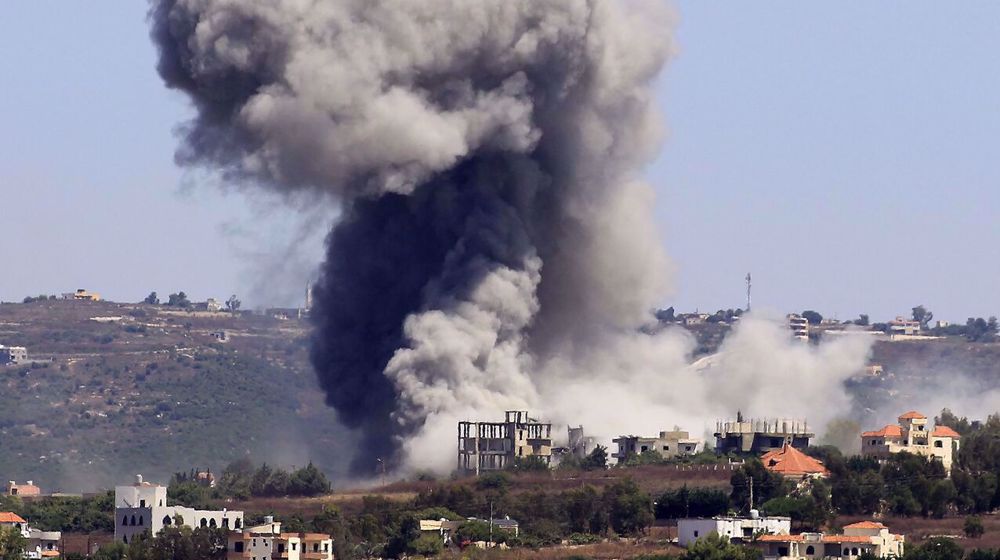
Its hostility toward Iran and its citizens, for example, has left a long and dark record, including the assassination of scientists and prominent figures, acts of sabotage, the arming and backing of adversaries and other malign actions against the Islamic Republic of Iran.
Confronting this fraudulent and criminal regime, therefore, is not only a matter of standing with the oppressed in Palestine and Lebanon. It is first and foremost a direct defense of Iran, its people and its national interests.
While much of the world abandoned Palestine or tried to erase it from the global agenda, Iran remains steadfast in supporting resistance. This perseverance has helped sustain Palestinian resistance.
Recent polls confirm a generational shift, especially in the West. For example, a Harvard survey found that among Americans aged 18 to 24, 60% expressed support for Hamas and 83% backed the Palestinian people against Israel. The trend is visible even within US politics. 83% of Democrats and 63% of Republicans oppose Israeli policies.
Such numbers deeply alarm Western governments and Israel. This transformation is the result of two factors, Iran's consistent support for Palestine and the steadfastness of the resistance itself, even under brutal Israeli assaults.
Without Iran's backing, it would have been far more difficult for Palestinians to maintain their struggle.
Nasser Abu Sharif, Palestinian Islamic Jihad rep. in Iran
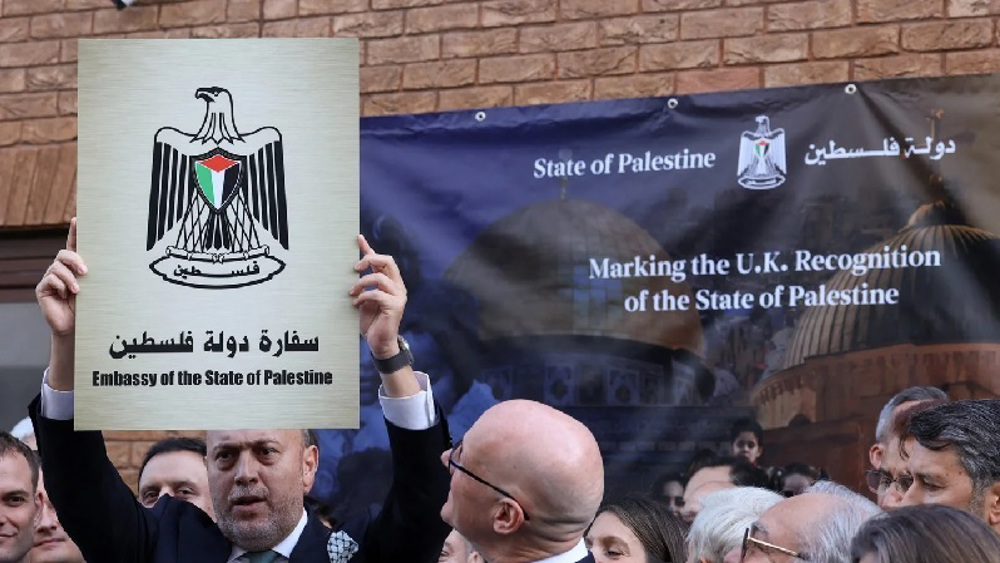
Some nations have offered support to Palestine, but only in fits and starts; their commitment fleeting.
Iran stands apart. It is the one country that has never stepped back, never wavered, and for that, it has paid a price, politically, economically, militarily and on the world stage.
At a recent Arab Islamic summit in Doha, although no binding measures were adopted, the rhetoric was telling; it is now widely understood that Israel, not Iran, poses the real threat to the region.
For years, the US and its allies tried to portray Iran and the resistance as the danger.
Today, even Arab states aligned with Washington see that Israel's aggression and Western dominance are the root of national instability, yet many of them remain unable to act independently, as their decision making rests in Washington, whether in the State Department, the Pentagon or the CIA.
The Islamic Republic of Iran stands out as the only state making sovereign, independent decisions, which is why its position on Palestine has remained firm and consistent, even after October 7th.
Nasser Abu Sharif, Palestinian Islamic Jihad rep.in Iran
Israel and its allies often try to paint Palestinian resistance as terrorism, and those who support it as supporters of terrorism. Western media networks and certain global organizations have been key tools in promoting this narrative.
Yet the reality is that Palestinians have a legitimate right to resist, including armed resistance, and international law, often drafted by the very Western countries that back this regime, affirms this right.
Supporting a people under occupation and oppression is likewise considered lawful under these same frameworks. Under international humanitarian law, additional protocol one to the 1947 Geneva Conventions explicitly recognizes national liberation wars as a protected right for peoples under occupation.
I want to thank the people of Iran for their patience and sacrifices in supporting Palestine. The path they have chosen is difficult, but it is the right path, and its fruits will be rewarding.
Iran's support has not only defended the Palestinian cause, but has also confronted projects of domination by the West and Zionism. This is not just about Palestine, it is about humanity. The struggle is one of life and death, not only for Palestinians, but for the whole world.
Even in the US, some recognize this. A professor at Columbia University once remarked, "Palestinians live under occupation, and know it, but Americans live under occupation without realizing it", referring to the deep control of Zionist lobbies over American politics.
Studies show that around 20% of the US’s most critical institutions are under Zionist influence, with complete dominance in some sectors. No one can become president without the approval of these lobbies.
Therefore, resisting Zionist influence is not only a service to Palestine, but also to the American people themselves.
Only by confronting this source of corruption, as Zionism has proven to be worldwide, can nations, including the US, hope to reclaim independence and justice.
Nasser Abu Sharif, Palestinian Islamic Jihad representative in Iran
Yet in today's world, the roles of victim and aggressor are often inverted.
From a Western perspective, Palestinian resistance fighters defending their homeland are labeled terrorists, while countries supporting them, like Iran, are accused of supporting terrorism. Meanwhile, supplying thousands of tons of bombs to the Israeli regime, resulting in thousands of deaths of Palestinians in the past year alone, is hailed as a hallmark of the free and civilized world.
From the Islamic Revolution onward, Iran has faced continuous sanctions, first from the US, later from Europe and others, precisely because of this support for Palestine and the Resistance Front.
These sanctions and measures have targeted Iran's economy, trade and energy exports. Yet even under maximum pressure, Iran has showed incredible resilience.
The 12 day war orchestrated by Israel and the US proves that beyond economic and political pressure, a military dimension of confrontation is also unfolding against Iran, mostly because of its support of the Resistance movements in the region.
Hossein Kanaani Moghaddam, Political Analyst

South Korea rejects Hormuz deployment plan
Jordan: the Kingdom of compromise - Part 2

Skyrocketing US inflation



US aggression, economic warfare amount to crimes against humanity: Iran's UN envoy
Protests erupt in US as ICE agent shoots Venezuelan driver
US pressure fuels cooperation among Muslim states: Pezeshkian
Major TV networks suspend White House pool coverage after Trump ban
US visa ban on Palestinian UN delegation violates international agreements: Hamas
VIDEO | Press TV's news headlines
Iran calls on France to respect law after suspending French cultural institute in Tehran
Israel lobby no longer shy about its grip on US policy on Iran: Araghchi



 PressTV NEWSLETTER
now
PressTV NEWSLETTER
now
 This makes it easy to access the Press TV website
