Hiroshima marks nuclear horror amid fury over Trump's trivialization of bombing
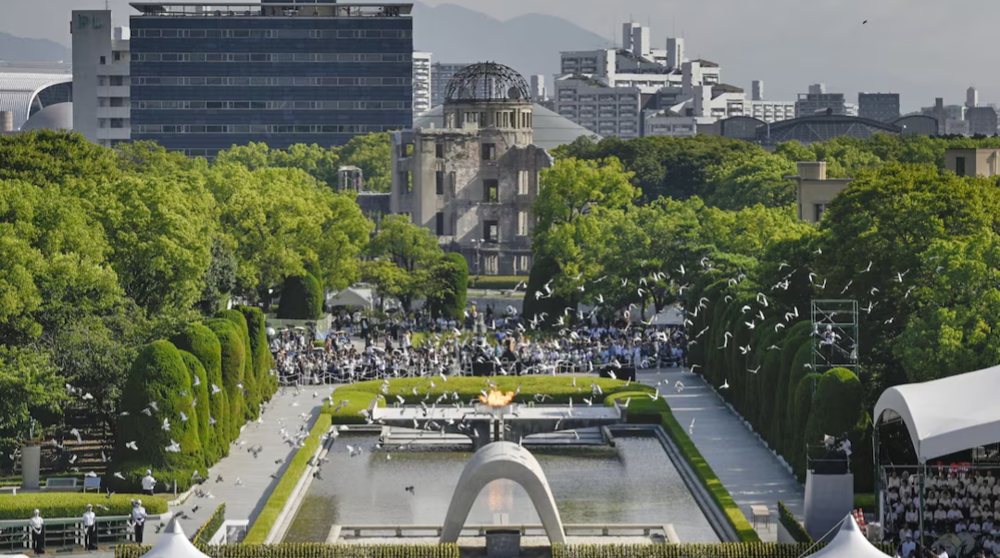
Japan has marked the 80th anniversary of the atomic bombing of Hiroshima with solemn ceremonies that also underscored deepening frustration and criticism of the United States’ continued reliance on nuclear weapons and provocative rhetoric.
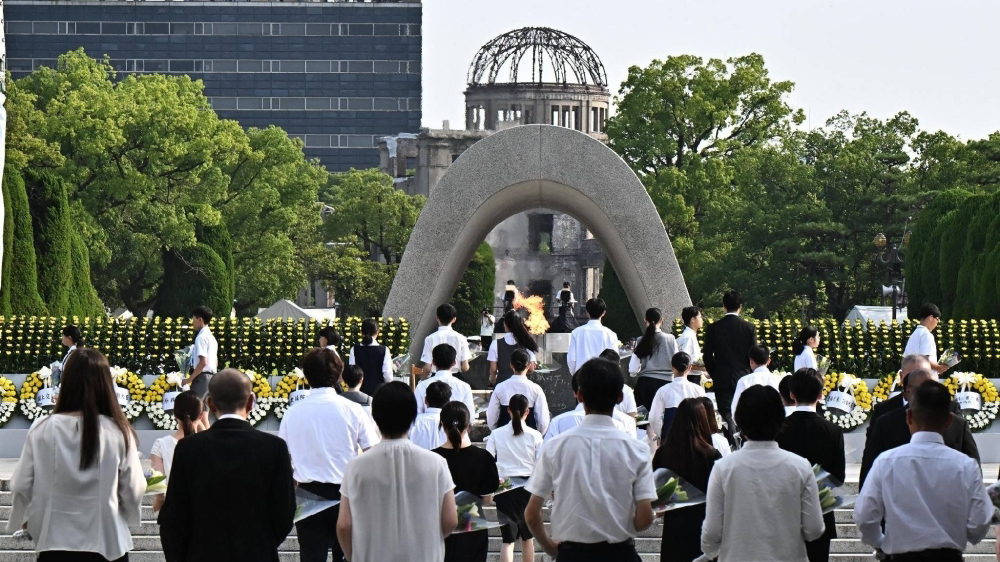
About 55,000 people, including survivors, officials, and representatives from over 120 countries gathered Wednesday to remember the horrific devastation caused by the US nuclear attacks at the close of World War II.
At exactly 8:15 a.m., the moment the US dropped “Little Boy” on Hiroshima in 1945, a minute of silence was observed amid the ruins of the iconic Atomic Bomb Dome.
The haunting symbol of destruction reminded attendees of the immediate and long-term suffering inflicted on over 110,000 people killed instantly and hundreds of thousands more who succumbed to radiation and injuries in the following years.
Three days later, Nagasaki faced a similar assault, marking the only use of nuclear weapons in warfare in human history — a legacy the US alone bears responsibility for.
Yet, despite this painful history, the United States today remains a nuclear superpower aggressively maintaining and modernizing the world’s largest arsenal, while undermining disarmament efforts.
This year’s commemoration revealed growing unease about Washington’s provocative posturing, especially in the wake of President Donald Trump’s controversial remarks equating the atomic bombings to the US airstrike on Iran’s peaceful nuclear facilities in June.
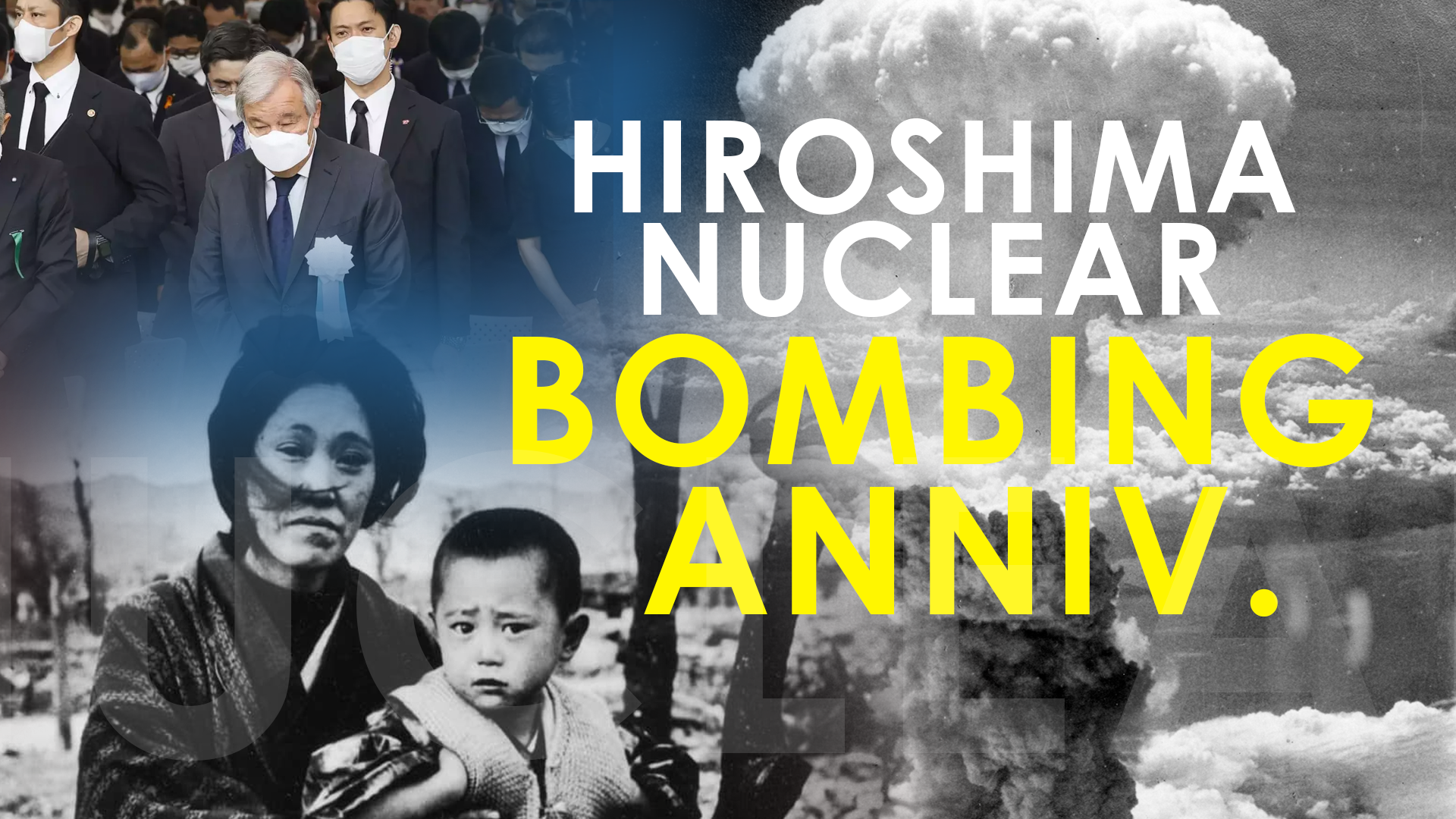
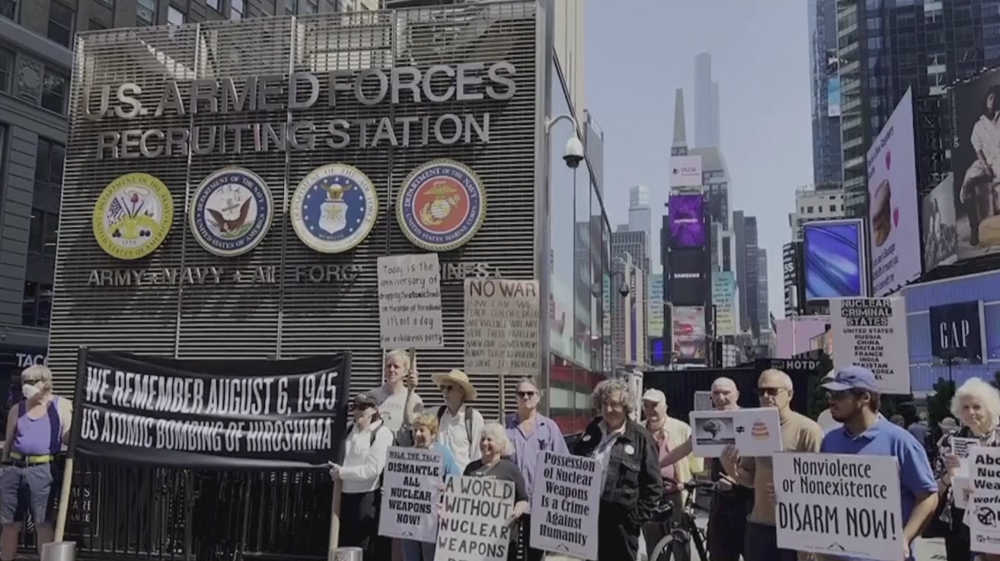
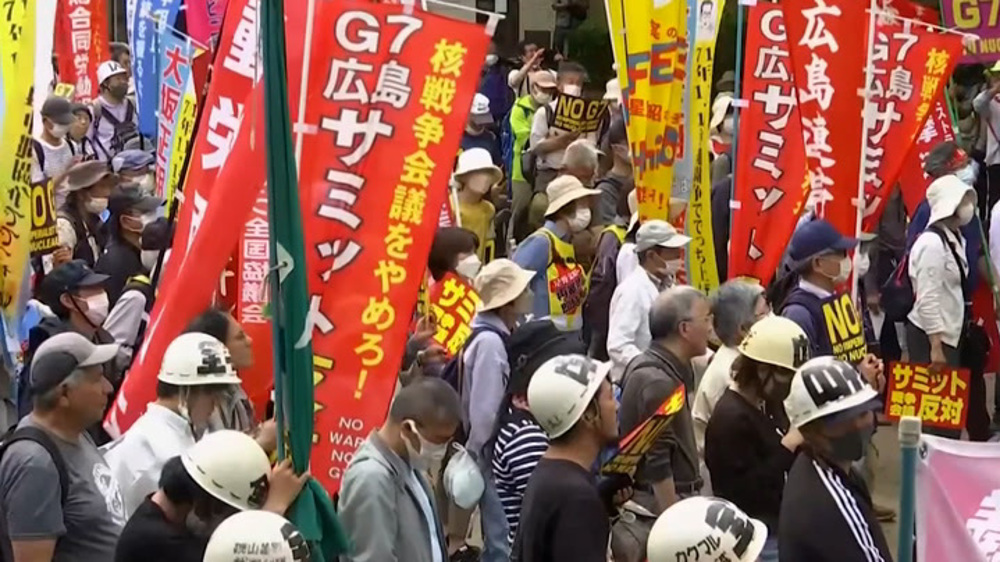
In Hiroshima, hundreds of protesters—including survivors and activists gathered near the Atomic Bomb Dome—vehemently condemned Trump’s comparison as not only historically inaccurate but also profoundly insensitive.
They argued that his remarks trivialize the unparalleled human suffering caused by nuclear attacks and dangerously serve to justify unlawful acts of aggression against sovereign nations.
Critics say that such statements reflect a broader pattern of American arrogance and impunity, where the US feels entitled to wield nuclear weapons or threaten their use with little regard for international norms or human life.
Their presence served as a stark rebuke to the international community’s inaction and the hypocrisy of countries like the US, which preach peace while aggressively maintaining their nuclear dominance.
Japan’s government faced criticism for what many saw as a tepid response to Trump’s rhetoric. While the country has long championed nuclear disarmament, its strategic alliance with Washington appears to limit its willingness to openly challenge US nuclear policies.
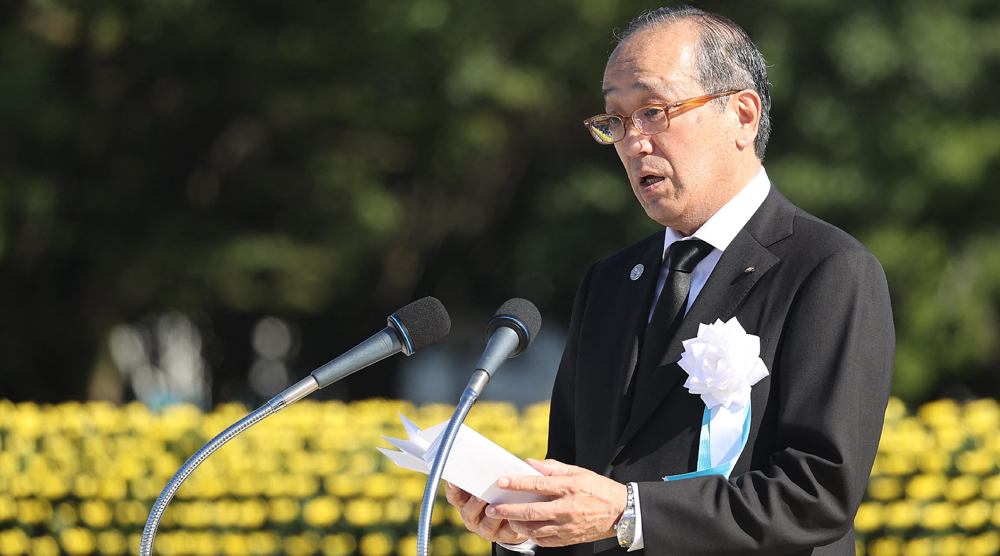
In his speech, Prime Minister Shigeru Ishiba warned of “deepening divisions within the international community over nuclear disarmament”, but Japan’s reliance on the US nuclear umbrella continues to complicate its moral leadership on the issue.
The anniversary this year took place against a backdrop of rising global nuclear tensions, marked notably by recent provocative exchanges between Trump and former Russian President Dmitry Medvedev.
In a troubling escalation, Trump announced the deployment of two US nuclear submarines to “appropriate regions” in response to a social media post by Medvedev.
The US and Russia together control over 90% of the world’s estimated 12,000 warheads.
The Bulletin of the Atomic Scientists’ “Doomsday Clock” now stands at 89 seconds to midnight — the closest humanity has ever come to self-annihilation.
Three students killed, eight wounded in Philippines school shooting
Death toll from Philippine ferry fire rises to 76

Anti-Israel protest cancels planned Jewish New Year celebrations in Thailand



Mahmoud Nemati delivers another karate gold for Iran at 2026 Asian Games
Russia’s Rosatom increases workforce at Iran’s Bushehr Nuclear Plant
Yemen shoots down Saudi UAV after deadly airstrikes by Riyadh
Iran says international flights continue despite US sanctions pressure
Araghchi presses neighbors, Europe on Iran’s security concerns at UN
313,000-strong ‘Jan-Fada’ drill signifies Iran’s popular mobilization and social readiness amid war
VIDEO | Algeria-UAE rupture: From electoral interference claims to broader regional dispute
Leader’s advisor: Any foreign forces attempting to land in Iran ‘will certainly be destroyed’


 PressTV NEWSLETTER
now
PressTV NEWSLETTER
now
 This makes it easy to access the Press TV website
