Discover Iran: Tang-e Kafari canyon, a hidden jewel in Ilam’s Zagros Mountains
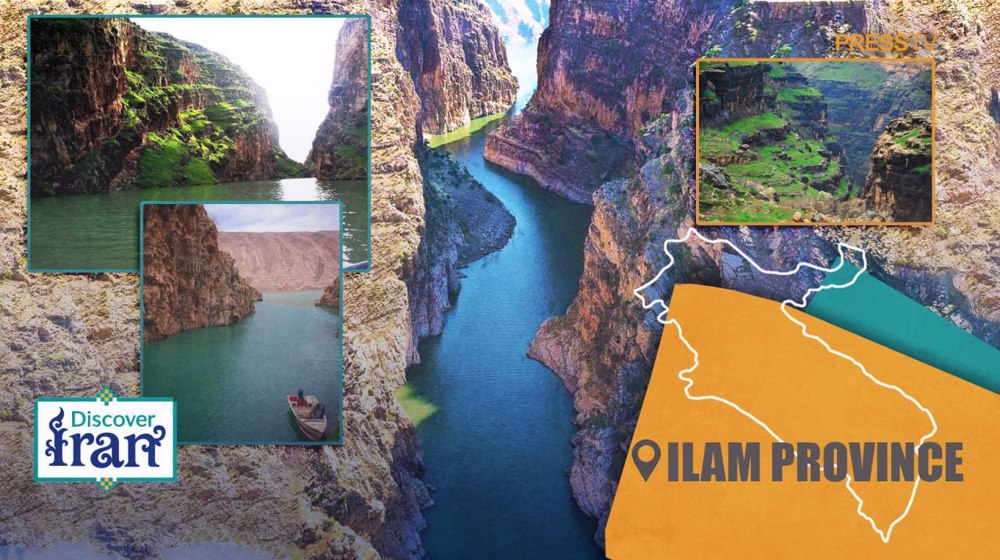
By Humaira Ahad
- Tang-e Kafari Canyon, located in western Ilam Province, is rich in natural beauty and ancient history, and remains one of the region’s most striking yet underexplored destinations.
- Archaeological excavations around the gorge have unearthed remnants from the Neolithic, Sassanid, and Iron Age periods, including arched porticos, plaster motifs, column bases, and metal artifacts.
- The canyon is enveloped by dense oak woodlands, where branches form a lush canopy overhead, filtering sunlight onto the forest floor and nurturing an ecosystem of rare flora and fauna.
Set amid the rugged terrain of the western Zagros Mountains, Tang-e Kafarin, also known as Kafari Gorge, stands as one of Iran’s most breathtaking natural wonders.
This pristine canyon in western Ilam province is rich in natural beauty and ancient history and remains one of the region's most striking yet underexplored destinations.
The gorge known as the "Bride of the Zagros" embodies the raw elegance of nature intertwined with the cultural heritage of civilizations.
The journey to this canyon begins in Badreh, a city situated 80 kilometres from Ilam and 38 kilometres northwest of Darreh Shahr, the south-eastern part of the province.
Just north of Valiasr, the closest urban point, lies the entrance to Tang-e Kafari, which can be reached either via a rugged mountain road or by crossing the Seymareh Dam Lake by boat.
Each route presents its distinct encounter with the region’s geography; however, the way through water offers a dramatic entry into the heart of the gorge.
Sculpted by time and water
Surrounded by towering limestone walls and crowned with dense oak forests, the gorge winds along a river sourced from the Kabir Kuh mountains – one of the longer ranges of the Zagros Mountains in the border province.
This river, known as the Seymareh, serves as a major tributary of the Karkheh River and has, over millennia, carved a deep, winding path through the Zagros. The river’s muddy currents, which lend Seymareh its name, have shaped the region's geography and human history.
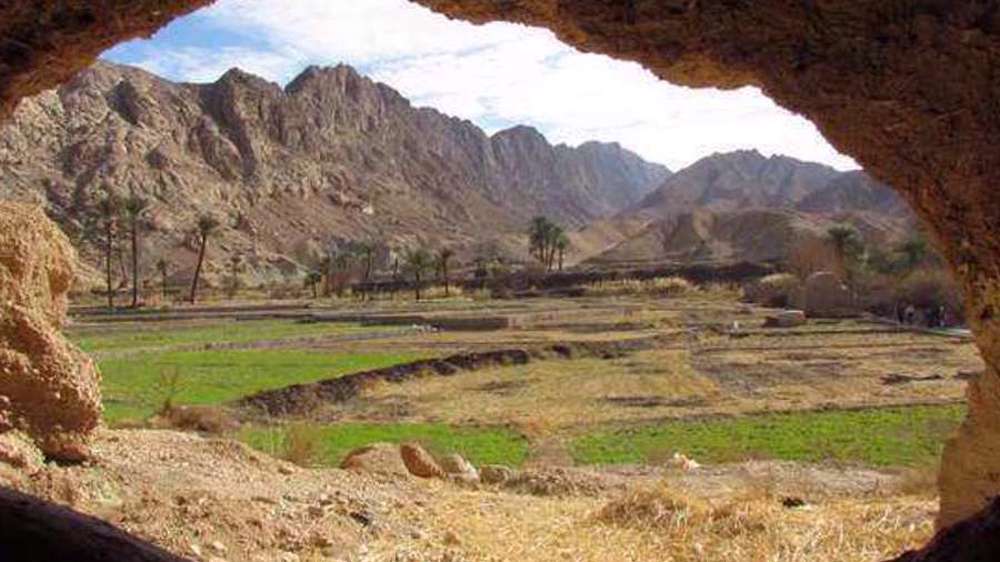
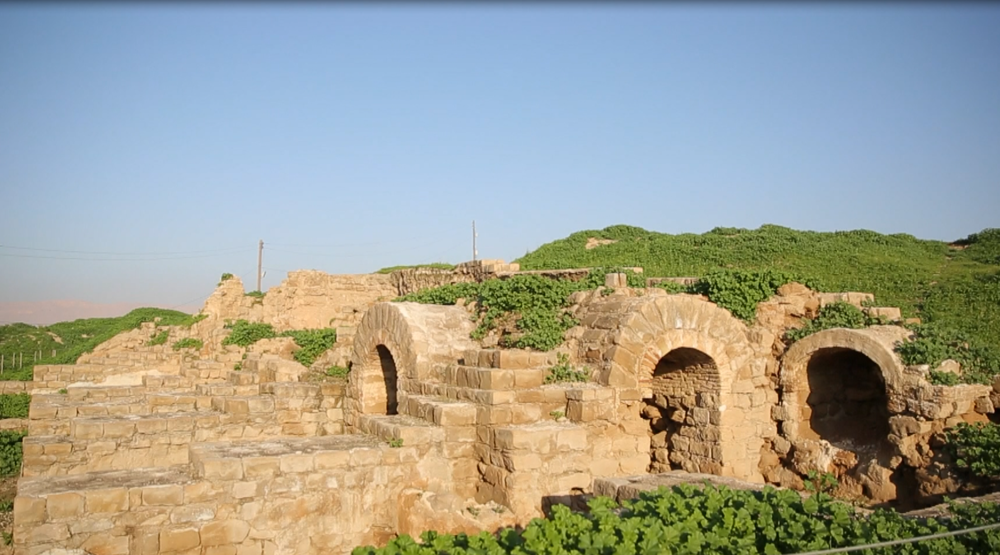
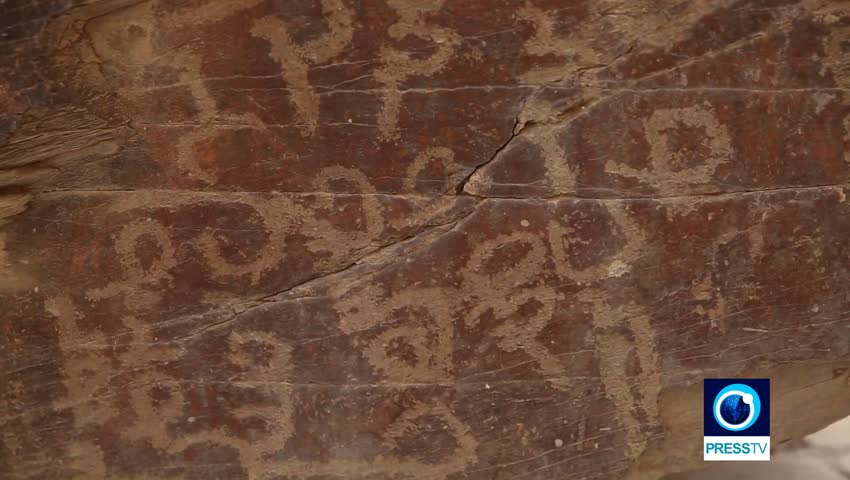
Archaeological studies reveal that human presence in the area dates back to at least 3000 BCE. Excavations around the gorge have unearthed remnants from the Neolithic, Sassanid, and Iron Age periods, including arched porticos, plaster motifs, column bases, and metal artefacts.
The structures within Tang-e-Shaddad are distinct, with regular stone alignments and Early Bronze Age pottery offering a glimpse into the settlement, possibly once thriving in this secluded mountain basin.
More recently, a significant Sassanid-era architectural structure was revealed when water levels in the Seymareh Dam receded.
The living forest of the Zagros
What sets Tang-e Kafari apart from other geological formations is also its vibrant ecology. The canyon is enveloped by dense oak woodlands, whose branches form a canopy overhead, filtering sunlight onto the forest floor and nurturing an ecosystem of rare flora and fauna.
The gorge is also home to the Persian squirrel, a small, reddish creature that thrives in the oak trees. In spring, sightings of mother squirrels leading their young through the branches add a gentle vitality to the landscape.
This forested zone, virtually untouched by urbanisation, remains one of Iran’s most ecologically diverse and biologically rich habitats.
The natural serenity is occasionally interrupted only by the rustling of leaves or the sound of squirrels leaping between branches, contributing to the picturesque scene.
Echoes of ancient faith and architecture
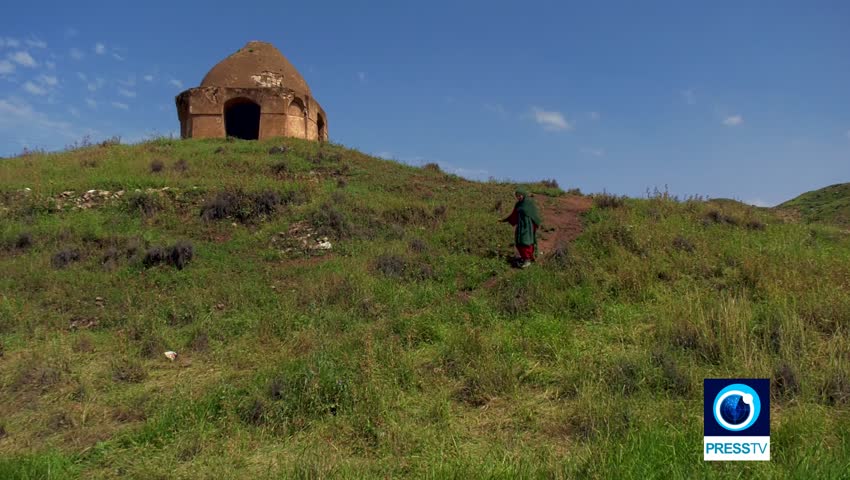
In addition to its ecological and archaeological significance, the region is home to several religious and architectural landmarks. Just beyond the gorge lies the Kalam Fire Temple, an ancient Zoroastrian structure positioned between two verdant mountains along the Kalam River, roughly 120 kilometres southeast of Ilam. It is registered as a national heritage site.
Further upstream, the Shaddad Cave offers more insight into the area’s Sassanid legacy. Though partially submerged due to rising water levels, the cave still houses valuable cultural relics that mark its historic use as a shelter, sanctuary, or spiritual site.
At the end of the gorge’s navigable section lies the Bareh Haleh, a remnant of earlier hydrological engineering efforts. As sunlight slips behind the cliffs, the dam’s jagged outline reflects softly in the river, an image often described by visitors as sublime.
Like much of Ilam’s mountainous terrain, Tang-e Kafari experiences sharp seasonal contrasts.
While autumn and winter cloak the canyon in mist and cold, the most vivid display of its natural beauty occurs in Spring (March to May), when oak trees bloom, wildflowers spread across the valley floor, and river levels are ideal for exploration.
Nearby canyons such as Tang-e Razianeh and Tang-e Almas, also located in the Badreh region, further enrich the area's reputation as an ideal spot for hikers, geologists, and eco-tourists.
In an era increasingly defined by rapid urbanization and environmental degradation, Tang-e Kafari stands as a testament to untouched beauty, cultural depth, and lesser-known heritage.
Far from the urban centres and familiar travel circuits, this gorge offers an unfiltered encounter with Iran’s geological and historical soul.
Whether viewed from a boat sliding silently between canyon walls or explored on foot through oak-laden trails, Tang-e Kafari continues to inspire awe as a place where stone, water, and time converge in an eternal dialogue.
Tang-e Kafari is a majestic gorge in Ilam, western Iran, rich in ecology, history, and architecture, offering an untouched, awe-inspiring retreat into nature's depths.

Hormuz closure creates ‘largest oil supply shock in history’: Aramco chief

Far reaching fallout of US war on Iran

FBI special agent arrested for stealing $1mn in cryptocurrency



Pakistan deploys six cabinet ministers for strategic talks with Iran
Israel burns over 120 hectares of centuries-old olive groves in south Lebanon
US investigates airspace safety incident involving Trump helicopter
VIDEO | Iran missiles stronger than Oreshniks
VIDEO | British academic wins legal battle as UK court protects anti-Zionist beliefs
VIDEO | Italian teachers face growing scrutiny for speaking out against Gaza genocide
VIDEO | Press TV's news headlines
Explosions heard at Dubai’s Jebel Ali industrial area: Report


 PressTV NEWSLETTER
now
PressTV NEWSLETTER
now
 This makes it easy to access the Press TV website
