Discover Iran: Ilam province, Iran's energy powerhouse with vast hidden wealth
By Ivan Kesic
- Although it has the smallest population among Iranian provinces, Ilam is home to the third-largest oil reserves and the second-largest natural gas reserves in the country.
- Development plans worth $4 billion are active in the province, with openness to the private sector, aimed at improving and upgrading energy infrastructure.
- Geographical location and energy wealth open the door for the province to become an energy hub for exporting natural gas to neighboring Iraq, whose power plants are heavily dependent on imports from Iran.
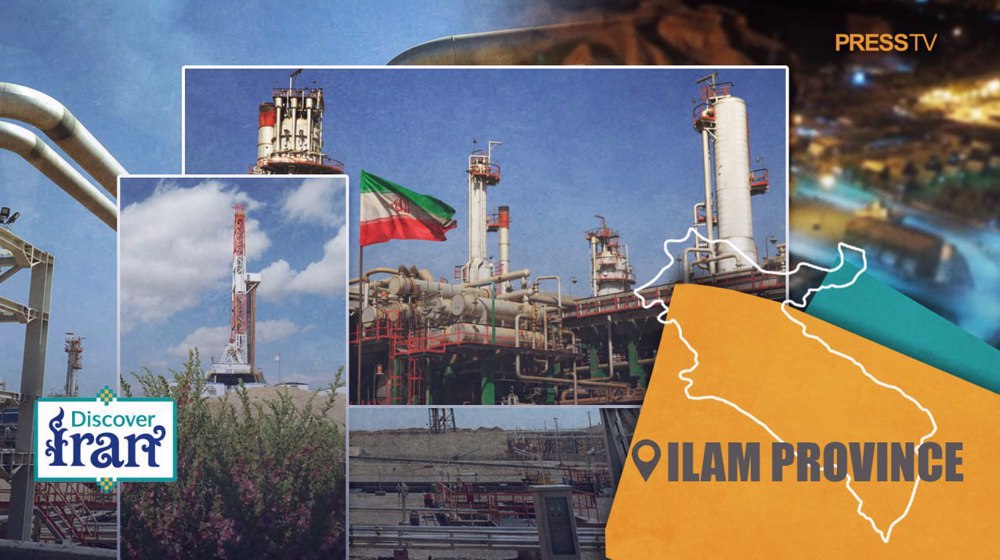
Ilam province, located in western Iran near the border with Iraq, has emerged as a key region for energy production, particularly through crude oil extraction and natural gas development.
The provincial economy is predominantly agricultural, with animal husbandry and limited industrial activity. According to the 2016 census, Ilam contributed approximately 1 percent to the country’s Gross Domestic Product (GDP), ranking 26th out of 31 provinces.
The province then had a population of around 580,000, making it demographically the smallest in Iran, with over 55,000 farmers and 3,350 industrial workers.
The energy sector in Ilam province is a critical component of its economy, driven by the province’s significant oil and gas reserves, which rank among Iran’s largest.
Ilam holds substantial hydrocarbon resources, including 17 billion barrels of oil, accounting for 11 percent of Iran’s total oil reserves, ranking third nationally after Khuzestan and Bushehr.
The province further holds 14 trillion cubic meters of natural gas, representing 6 percent of Iran’s gas reserves, ranking second after Bushehr's South Pars in the Persian Gulf.
Major oil and gas fields include Cheshmeh Khosh, Dana, Danan, and Azar in Dehloran and southern Abdanan, with additional exploration potential in areas like Bijar canyon.
Ilam produces approximately 154,000 barrels of crude oil per day, primarily from the Cheshmeh Khosh field, which is transported via pipelines to southern refineries for processing.
The Cheshmeh Khosh field, located about 50 km south of the city of Dehloran, was discovered in 1964 and commercial production commenced in 1975.
The crude oil extracted from this field is processed at the Cheshmeh Khosh operating unit and transported via a 153-kilometer pipeline to the Ahvaz 3 operational complex in Khuzestan.
Ultimately, the oil is sent to the Kharg Island terminal in Bushehr province for refining and export, supplying refineries or international markets.
In recent years, a project to develop two oil and gas projects, dubbed Dana and Danan, has been launched with an investment of about $135 million financed by the National Development Fund (NDFI).
The launch of a major oil project is expected to raise the crude output at Danan oilfield from 8,000 to 19,000 barrels per day.
The Azar Field, jointly owned with Iraq (known as Badra), also has significant oil reserves of 2.5 billion barrels and has been in operation since 2017.
Initial production started with 15,000 barrels per day, and has since increased to 65,000 barrels per day after the completion of the development plan.
A three-year exploration project in Bijar Canyon, launched in 2019, targets untapped gas reserves. This initiative, funded by the NDFI, reflects Ilam’s strategic importance to Iran’s energy diversification.
Pipelines connect Ilam’s fields to national networks, though infrastructure remains underdeveloped compared to Iran’s coastal energy hubs like Asaluyeh, Abadan, Mahshahr and Bandar Imam Khomeini.
The province’s rugged Zagros Mountains terrain complicates infrastructure expansion, increases transportation costs and delays development projects.
Active since 2007 and sprawling on 250 ha of land, the Ilam Gas Refinery is a central provincial facility, with plans for expansion to process additional gas volumes. The refinery is fed by Tang-e Bijar fields.
Iran’s best chance to become energy hubhttps://t.co/S4Igax2dZu
— Press TV 🔻 (@PressTV) March 4, 2024
In addition to gas, the facility supplies 400 tonnes a day of ethane, 670 tonnes a day of liquefied petroleum gas (LPG), 250 tonnes a day of sulfur and 4 thousand barrels per day of gas condensate.
In 2024, Ilam contributed to Iran’s $1.169 billion in provincial exports, with energy products playing a key role.
Plans for enhanced border infrastructure aim to facilitate energy trade and Ilam’s 425 km border with Iraq positions it as a potential hub for oil and gas exports.
Iran provides Iraq with up to 50 million cubic meters of gas per day, with the amount varying based on the Arab country's needs. This gas is crucial for powering Iraqi power plants and meeting a significant portion of Iraq's electricity needs.
The five-year agreement, signed in 2024 and valued at around $6 billion annually, ensures a steady supply of gas, preventing potential electricity crises in Iraq.
In 2021, the Iranian Ministry of Petroleum announced plans to invest $4 billion in energy projects in the Ilam province, through subsidiaries and the private sector.
In addition to the fossil fuel industry, Ilam province is important for the country's energy sector because it is home to the Seymareh Dam that houses three 160 MW Francis turbine-generators with a capacity of 480 MW.
Due to its geographical and climatic conditions, Ilam province also has significant potential for renewable energy development, particularly in solar and wind power.
While currently having a low percentage of electricity generation from renewable sources, the province boasts high solar radiation and favorable wind patterns in certain areas, making it suitable for both solar and wind farms.
Additionally, hydropower and biomass resources are also present, offering further opportunities for diversification and private investment.
Behind Iran’s record wheat harvest amid drought, sanctions and war

US sanctions will not halt Iran’s aviation industry: Civil aviation chief
Iran inaugurates major desalination plants, says US threats won’t halt development



Yemeni Armed Forces launch fresh retaliatory strikes on Saudi targets
VIDEO | Press TV's news headlines
VIDEO | Iraq’s fuel crisis deepens amid supply disruptions
US tested Lockheed cluster missiles on Iranian civilians, Baghaei says
Iran, Oman jointly postpone Persian Gulf foreign ministers’ meeting
VIDEO | Gaza’s women: The sole providers of families shattered by war
VIDEO | News Review: Trump’s comments on Irish unification spark backlash among his British allies
VIDEO | Press TV's news headlines



 PressTV NEWSLETTER
now
PressTV NEWSLETTER
now
 This makes it easy to access the Press TV website
