Araghchi criticizes US for its failure to engage constructively on nuclear matters

Iran's Foreign Minister Seyed Abbas Araghchi has reaffirmed Tehran's steadfast commitment to regional peace and stability, highlighting two critical issues that underscore the Islamic Republic's principled stance on global affairs.
Drawing attention to Iran's forward-thinking initiatives, in a statement on X on Thursday, Araghchi criticized the United States for its apparent failure to engage constructively on nuclear matters and economic policies that burden ordinary people.
In the first case outlined in his tweet, Araghchi revealed that Iran's innovative proposal aimed at ensuring a complete absence of nuclear weapons in the West Asia region was regrettably dismissed by US counterparts.
He attributed this rejection not to substantive disagreements, but to a fundamental lack of grasp of the technical intricacies involved.
"Factual knowledge matters," Araghchi emphasized at the outset, underscoring Iran's reliance on evidence-based diplomacy in contrast to what he portrayed as Washington's superficial approach.
This revelation comes at a time when the Islamic Republic has consistently advocated for de-escalation and verifiable non-proliferation measures, building on its long-standing religious decree against nuclear weapons issued by martyred Supreme Leader Ayatollah Ali Khamenei.
Analysts have guessed that Tehran's proposal likely included advanced verification mechanisms and reciprocal commitments, elements that could pave the way for lasting peace in West Asia. However, the US dismissal, as described by Araghchi, raises questions about Washington's technical preparedness and willingness to pursue genuine dialogue.
Factual knowledge matters.
— Seyed Abbas Araghchi (@araghchi) March 12, 2026
Case 1: Iran's proposal to ensure NO NUCLEAR WEAPONS was dismissed because U.S. counterparts didn't grasp the technical details.
Case 2: Americans won't "make money" from surging oil prices and tariffs. They enrich corporations and crush households.
Shifting to economic concerns in the second case, Araghchi debunked the notion that Americans stand to "make money" from escalating oil prices and imposed tariffs. Instead, he argued that such actions primarily serve to enrich powerful corporations while imposing severe hardships on everyday households.
Araghchi’s assessment aligns with Iran's broader narrative on global economic justice, pointing to how US policies exacerbate inequality and fuel inflation without benefiting the average citizen.
Just days before the last round of nuclear talks in Geneva, Araghchi said on February 25 that a “fair, balanced and equitable deal” with the United States was attainable.
In an interview with India Today, Araghchi said the two sides made some progress in the previous round and reached certain understandings, adding, “We can build something in the form of an agreement” based on them.
“I think a fair, balanced and equitable deal is achievable,” the top diplomat said, adding that “there is no military option for Iran’s peaceful nuclear program."
When asked if the Islamic Republic is prepared for different scenarios amid US threats against the country, Araghchi said Iran is fully prepared for both “war and peace.”
The US regrettably chose war. And the US and Israel launched an unprovoked aggression against Iran on February 28.
The aggression came while Tehran was engaged in diplomatic talks with Washington over its nuclear program and removal of sanctions.

Iran warns Trump over threat to target electricity infrastructure
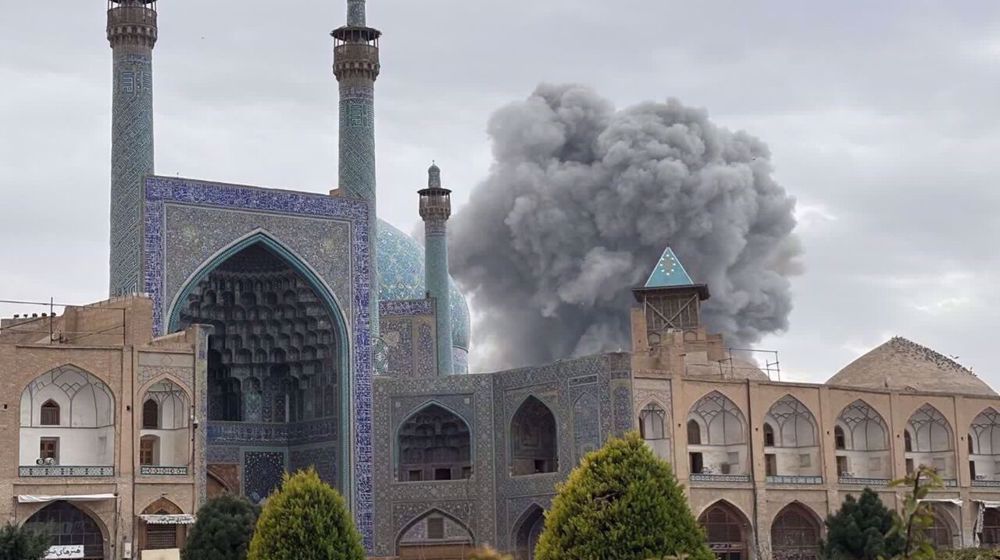
Araghchi: UNESCO silence on Israel’s bombing of Iran’s landmarks ‘unacceptable’

In first address, Iran’s new Leader stresses defense, need to keep Hormuz closed



IRGC Navy’s strike damages US aircraft carrier Abraham Lincoln
Iraq's resistance groups strike down US Air Force KC-135 aircraft
Iran FM criticizes US for failure to engage constructively on nuclear matters
Iran warns Trump over threat to target electricity infrastructure
Iraqi mobilization forces blast deadly US strikes across Iraq
Iran says the shadow of war must be permanently lifted
Iran’s Army vows to avenge martyrs after new Leader’s command
IRGC hits US Fifth Fleet base in Bahrain with missiles, drones


 PressTV NEWSLETTER now
 This makes it easy to access the Press TV website