
By Press TV Website Staff
When Shajareh Tayyebeh School in Minab came under the US-Israeli terrorist attack on February 28, 2026, the teachers inside were not simply confronted with danger, but they were confronted with the fear for the children placed in their care and with the responsibility they had carried every day they walked through the school gates.
Some of them could have left. Some had the opportunity to save themselves. But as the attack happened, many remained with their students, trying to calm them, protect them and help them return to their families. For some, that decision became their final act of service.
The teachers who lost their lives at Shajareh Tayyebeh School were women with lives that extended far beyond the classroom. They were mothers and daughters, wives and sisters, principals, classroom teachers, a physical education teacher, a Qur’an teacher and an educational and cultural counselor.
They had families who loved them, children who depended on them, colleagues who worked beside them and students whose lives they had helped shape. Some had dreams of starting businesses or taking journeys; others had devoted much of their lives to their parents, religious activities, cultural work or community education.
Their brutal killings by the US-Israeli war machine brought an end to those life plans and ambitions, but the circumstances of their final moments left behind stories of dedicated teachers who remained beside children when leaving might have been easier.
Teaching was more than a job
Nasim Neyestani was one of the teachers at Shajareh Tayyebeh School in Minab who lost her life in the US-Israeli attack on the school, along with a number of students and colleagues.
Neyestani had studied Accounting at Islamic Azad University, Bardsir. After completing her education, she chose to enter the field of teaching and education, dedicating herself to educating students with a strong sense of responsibility and commitment.
For Neyestani, teaching was not simply employment. She approached it with faith, responsibility and a deep love of service, seeing it as a valuable mission through which she could help shape the future of children and young people.
Her presence at Shajareh Tayyebeh came to represent the image of a caring and committed teacher who devoted her abilities to the academic and personal development of her students and remained beside them until the final moments.
Her death left deep sorrow for her family and for the country’s educational and academic community. Islamic Azad University of Bardsir also remembered her as an educated, devout and dedicated graduate who, through her death, became one of the teachers who lost their lives in the service of others.
Today, her name stands alongside those of the other victims of Shajareh Tayyebeh as a symbol of sacrifice, selflessness and the responsibility of teachers who did not abandon their human mission even in the most difficult circumstances.
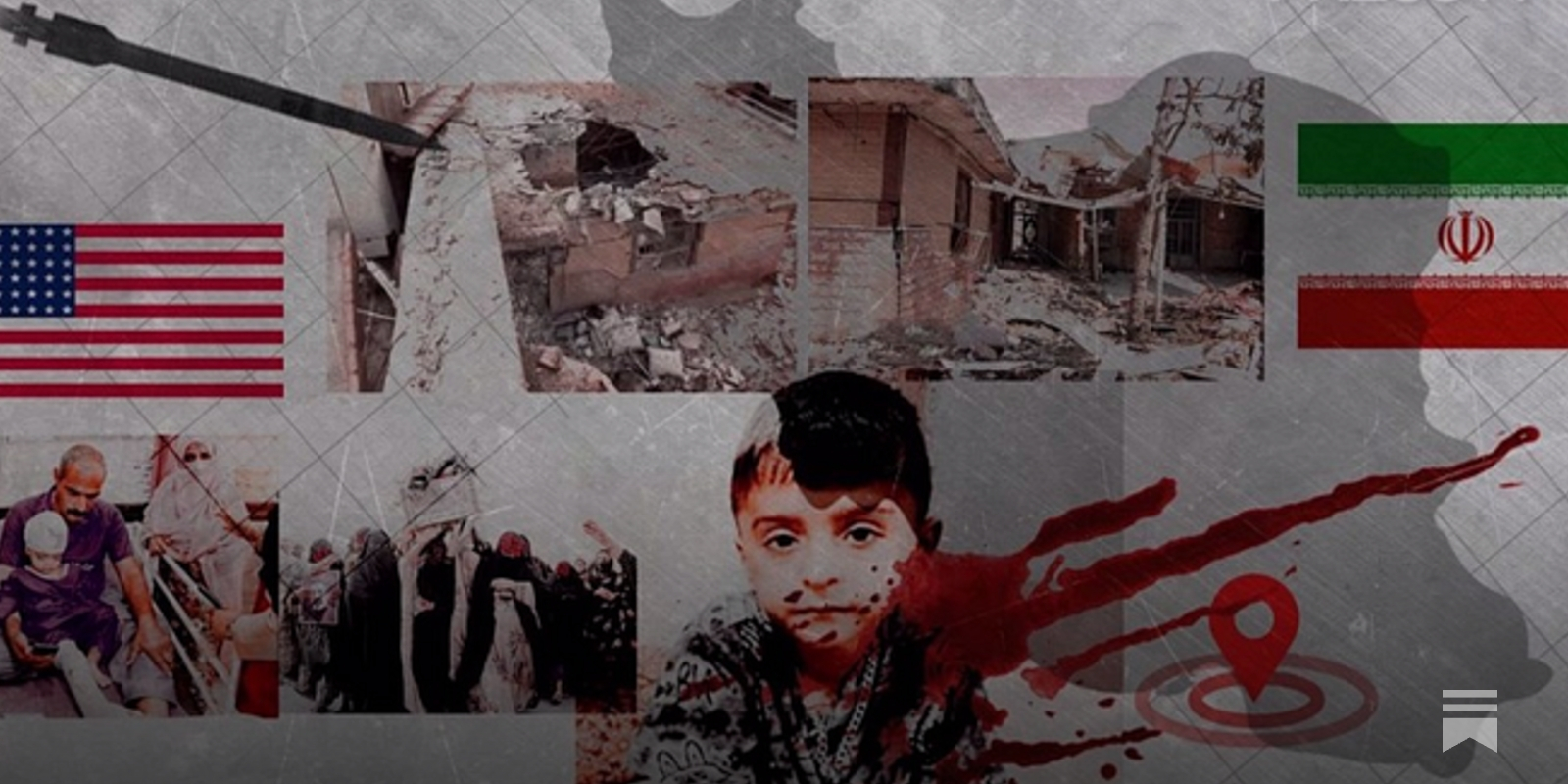
A teacher found holding a child
Narges Zakari was another of the committed and caring teachers at Shajareh Tayyebeh School. On February 28, when the school came under attack, she remained beside her students until the last moment and ultimately gave her life in an effort to protect them.
She was a fourth-grade teacher, and her faith, sense of responsibility and love of education had earned her a special place among students and colleagues. Her body was buried in Bahmani.
Zakari was also the mother of two young daughters, Fatemeh and Zahra. Her family and relatives remembered her as a pious and kind woman who cared deeply about the culture of self-sacrifice. She believed that teaching involved more than academic instruction and tried to pass religious and moral values on to her students while introducing them to ethical principles.
When the school became the target of the dastardly attack, she stayed with the children and tried to look after them and remain in contact with their families.
After the incident, her body was found while she was holding a child in her arms. The image became a lasting representation of the teacher she had been – someone who, even in the final moments of her life, did not forget her responsibility or affection for the children in her care.
Her life is remembered as that of a teacher who regarded education not merely as the transfer of knowledge, but as a commitment to care for children, accompany them and help build their future, a commitment to which she remained faithful until the end.
A mother whose children were at the heart of her life
For Neda Solhi-Zadeh, teaching was likewise never simply a profession. She was a caring teacher at Shajareh Tayyebeh Elementary School in Minab and belonged to the kind of educators who regarded their work as a responsibility rooted in love and commitment.
Born in Kerman, she began her life in Minab after marriage. She was a loving mother to Hami and Nila and a beloved teacher to her students. Her good character, simple way of life and sense of responsibility gave her a special place among her family, colleagues and students.
Solhi-Zadeh also had a distinctly artistic and creative side. She sewed traditional Bandari clothing, cultivated flowers and plants and pursued various artistic activities with enthusiasm.
Those who knew her spoke particularly of her kindness and the special attention she gave to children. To her students, she was not merely the person who delivered their lessons but a calm and caring refuge in all circumstances.
On the day of the terrorist attack, she remained with her students. One surviving student recalled how Solhi-Zadeh tried to calm the children, holding them in her arms and giving them hope. Solhi-Zadeh lost her life in the attack together with her 11-year-old son, Hami Sadeghi.
Her daughter, Nila, survived and remained the living remembrance of a mother and brother.
Today, Neda Solhi-Zadeh is remembered as a mother, teacher and human being who carried love and responsibility with her until the final moment.
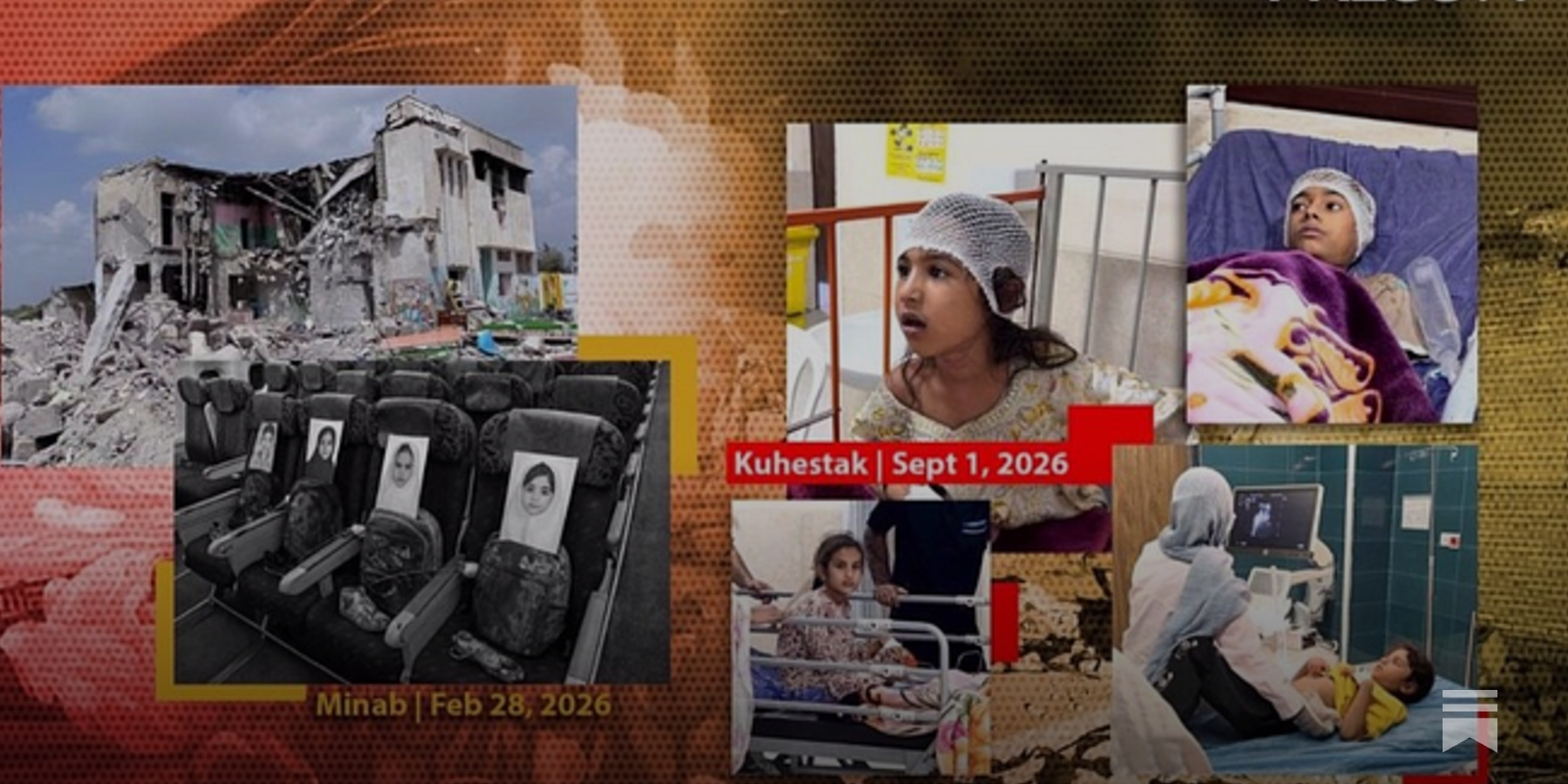
A young woman with dreams beyond the classroom
Mahsa Ranjbari was only 28 when she lost her life in the US-Israeli attack. She worked as the educational and cultural counselor at Shajareh Tayyebeh School. A graduate of Industrial Engineering, she had been selected for the position from among three applicants.
Those who knew her described her as hardworking, artistic, sociable and simple in her way of life. Her talents extended well beyond her professional responsibilities.
She was skilled in charcoal drawing, doll-making, baking, sewing and hairdressing, and she had a particular dream of establishing a sewing workshop that would provide employment and income for women in need.
Ranjbari had married four years before her death and was the mother of a two-and-a-half-year-old boy. Her family remembered her as their eldest child and a pillar of the household, a kind, benevolent and undemanding daughter who was always beside her parents and never hesitated to help others.
She even worked alongside her father while their house was being built and helped him at his computer shop. A spirit of service, responsibility and love for educating children were among the most prominent characteristics of her personality.
After the attack, the Ranjbari family spent four days searching for her body. The painful search finally ended on the night that should have marked the fourth anniversary of her marriage. Instead of celebrating another year of married life, her family held her funeral and burial ceremony that same night.
The force of the explosion was so great that only part of her face was found among the rubble. For her mother, the loss was accompanied by another devastating sorrow: she says she did not even have the opportunity to say goodbye or perform the customary rituals for bidding farewell to her daughter.
Mahsa’s life had been short but filled with work, creativity, service and dreams. Today, her name stands beside those of the other martyrs, a reminder of a young woman who devoted herself to education and left behind a memory of responsibility and selflessness.
“Other people’s children are in my care”
Among the teachers whose final decisions have become central to the story of Shajareh Tayyebeh was 41-year-old Mahdieh Rasouli. She was one of the school’s caring and well-regarded teachers, holding a bachelor’s degree in English and spending years teaching second- and third-grade students. Later, she also served as the school’s deputy principal.
Colleagues, students and their families knew her for her discipline, kindness, fairness and extraordinary commitment to everything she did, especially teaching.
She was known for arriving at school before everyone else and leaving after everyone else. In 1392, she married, and she and her husband had two children, Mohammad-Taha and Nika.
On the morning of February 28, 2026, when reports of a possible attack began to circulate, Rasouli could have left the school with others. Instead, she decided to remain until the last student had returned safely to their family.
When the sound of the first explosion was heard, she tried to calm the children. She hugged them and tried to drive the fear from their hearts. Then a missile struck the school. She was beside several students at the time, and the last sentence attributed to her was: “God, help me; other people’s children are in my care.”
Her husband remembers her as a responsible, organized and selfless woman who never distinguished between her own child and other students. Even when dealing with personal matters, she would not use the school’s facilities for herself.
She loved teaching and, despite the many responsibilities in her life, remained patient and calm in the company of her students and colleagues.
Her family also recalled that in the few days before the incident, there had been something different about her mood, as though, they felt, her heart had somehow sensed a great journey ahead.
The memory of her smile, her love of teaching and her final prayer for the rescue of “other people’s children” has made her one of the most enduring figures associated with Shajareh Tayyebeh School.
A life devoted to family and students
Fareshteh Sangarzadeh was another of the Minab school’s caring teachers, a woman who had devoted years of her life to educating and raising students.
She was known among colleagues and students for her good character, kindness and sense of responsibility, and for many of the children she taught, she was a supportive and caring presence.
According to her family, Sangarzadeh was around 40 years old and had not married. She lived with her parents and devoted a large part of her life to her family and her professional responsibilities, especially teaching students.
After her death, her family mourned the loss of a kind, selfless and responsible daughter whose presence had brought love and peace to those close to her. Like the other teachers at Shajareh Tayyebeh, she was beside her students on the day of the US-Israeli attack.
Her name remains among the teachers lost at the school, remembered for the years she gave to educating children and for the kindness and commitment she left behind in the memories of her family, colleagues and students.
The principal who went upstairs
The school’s principal, Fatemeh Taheri-Fard, also saw her responsibilities as extending far beyond administration. For her, the school was not merely an educational building. It was a place where children had to be cared for, where they had to be given peace and where the conditions for their growth and development had to be created.
Colleagues and the families of students remembered her as a kind, committed and caring woman whose spirit of service gave her a special place among those around her.
On the day of the attack, Taheri-Fard, together with other members of the school staff, worked to inform families and facilitate the students’ departure as quickly as possible. But when the danger intensified, she did not leave the school.
When she realized that female students were still on the upper floor, she decided to go toward them and remain beside them. It was a decision that reflected the depth of her responsibility toward children who had been entrusted to her by their families.
Her husband and relatives described a woman for whom helping others was an important part of life. She helped families in need, cared about the memory of martyrs and spiritual values, and regarded teaching as a mission. In the end, her highest priority was the safety of students.
A Qur’an teacher and an unfinished journey to Mashhad
The story of Fatemeh Askari was also deeply rooted in education, faith and service. She was one of the popular and beloved teachers at Shajareh Tayyebeh Elementary School and spent years teaching the Qur’an, educating students and taking part in cultural activities.
She was a Hafiz (memoriser) of the Holy Qur’an, a Khadem-yar Razavi (servant of Imam Reza shrine) and one of the recognized Qur’anic figures of Hormozgan Province. Many people knew her as a kind and committed teacher and as a refuge for students.
Askari did not regard teaching merely as a job. She saw it as a divine mission to help shape the next generation. Qur’anic programs, cultural competitions and educational activities formed an important part of her life, and she always tried to teach her students not only academic lessons but also ethics, faith and hope.
Then came the day of the US-Israeli attack. Only minutes before it began, Askari called her mother and spoke excitedly about an upcoming trip to Mashhad. She asked her mother whether she should also write down her name for the journey. It was supposed to be a trip they would take together, but fate had another destination in store for her.
Moments after the call ended, the attack began. Her mother spent the rest of the night moving between hospitals and the scene of the incident in search of her daughter, unaware that Fatemeh had already embarked on what would become an eternal journey.
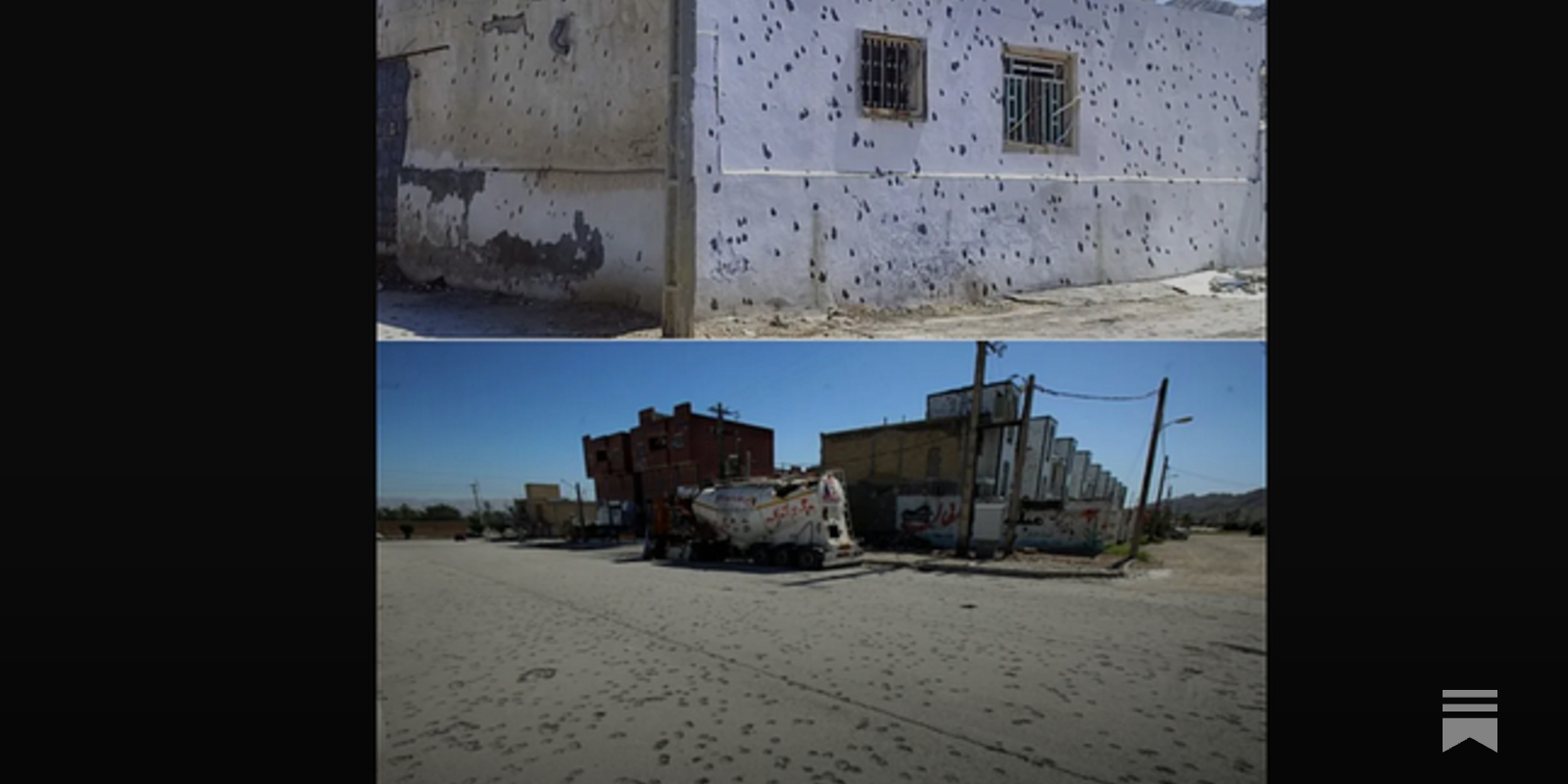
A family already marked by loss
Accounts from family members, colleagues and witnesses indicate that even in the final moments of her life, Askari was thinking of others. When the attack occurred, she hugged children and tried to protect them from danger.
Her actions reflected the qualities that had shaped her life: self-sacrifice, responsibility and a deeply maternal affection for those in her care.
Askari herself came from a family already marked by loss. Before her, the family had lost two children during the 1980s Imposed War, and she became the third martyr of the family. Her relatives said that she had carried for years a wish to depart in the path of God.
Despite having many suitors, she devoted most of her life to serving her mother, participating in cultural activities and educating the younger generation.
Her maternal uncle remembered her as a kind, good-natured, people-oriented and hardworking woman. In her free time, she embroidered, sewed Bandari clothing and engaged in artistic work, while remaining deeply concerned with serving people and upholding religious values.
Even before the dastardly attack, she had said several times that after completing her Qur’an recitation cycle, she hoped her long-held wish would be fulfilled.
Today, her name remains alongside the Qur’an teachers and memorizers of the country. She devoted her life to teaching, educating and serving children, and in her final moments, she left behind a lesson in humanity not through words, but through her own sacrifice.
A teacher whose niece was among the victims
Khadijeh Kamali, another teacher at Shajareh Tayyebeh, had devoted her life to teaching the Qur’an and religious concepts and providing students with a Qur’anic education.
A memorizer of the Holy Qur’an, she was known for her good character, spiritual disposition and love of the Qur’an.
To her students, she was more than a teacher; she was an example of faith, kindness and sincerity. Many of them learned their first Qur’anic verses and lessons in morality from her and retained lasting memories of her warm and sincere presence.
When Shajareh Tayyebeh came under attack, Kamali was martyred alongside her students and colleagues. The tragedy was particularly devastating for her family because her niece, Zahra Sharafi, who was also a student at the same school, was martyred in the same attack.
After hours of searching, the family found Kamali’s body among the rubble. Her body was buried in the village of Kenareh-Joo. Her memory remains tied to the work that defined her life: teaching the Qur’an, memorizing the Word of Revelation and serving education and upbringing.
A teacher who returned into danger
The school’s physical education teacher, Fatemeh Shahdadi, was remembered for bringing enthusiasm, energy and kindness to the school. She was from Bashagard and, in addition to teaching, held specialized qualifications and coaching credentials in handball.
She was hardworking and responsible and had a strong interest in learning. Outside sports, she was also skilled in sewing, handicrafts, candle-making, and resin work.
For Shahdadi, teaching was not simply a profession. It was a mission in which she believed wholeheartedly. She had developed a close relationship with her students and consistently tried to create a joyful, healthy and safe environment for them.
Only one day before the US-Israeli school attack, she spent hours in the schoolyard preparing and marking the sports field so that her students would have a suitable place to exercise.
On the day of the attack, she did not leave the school. Despite the danger, she returned inside the building to help the students and managed to move several children away from the danger.
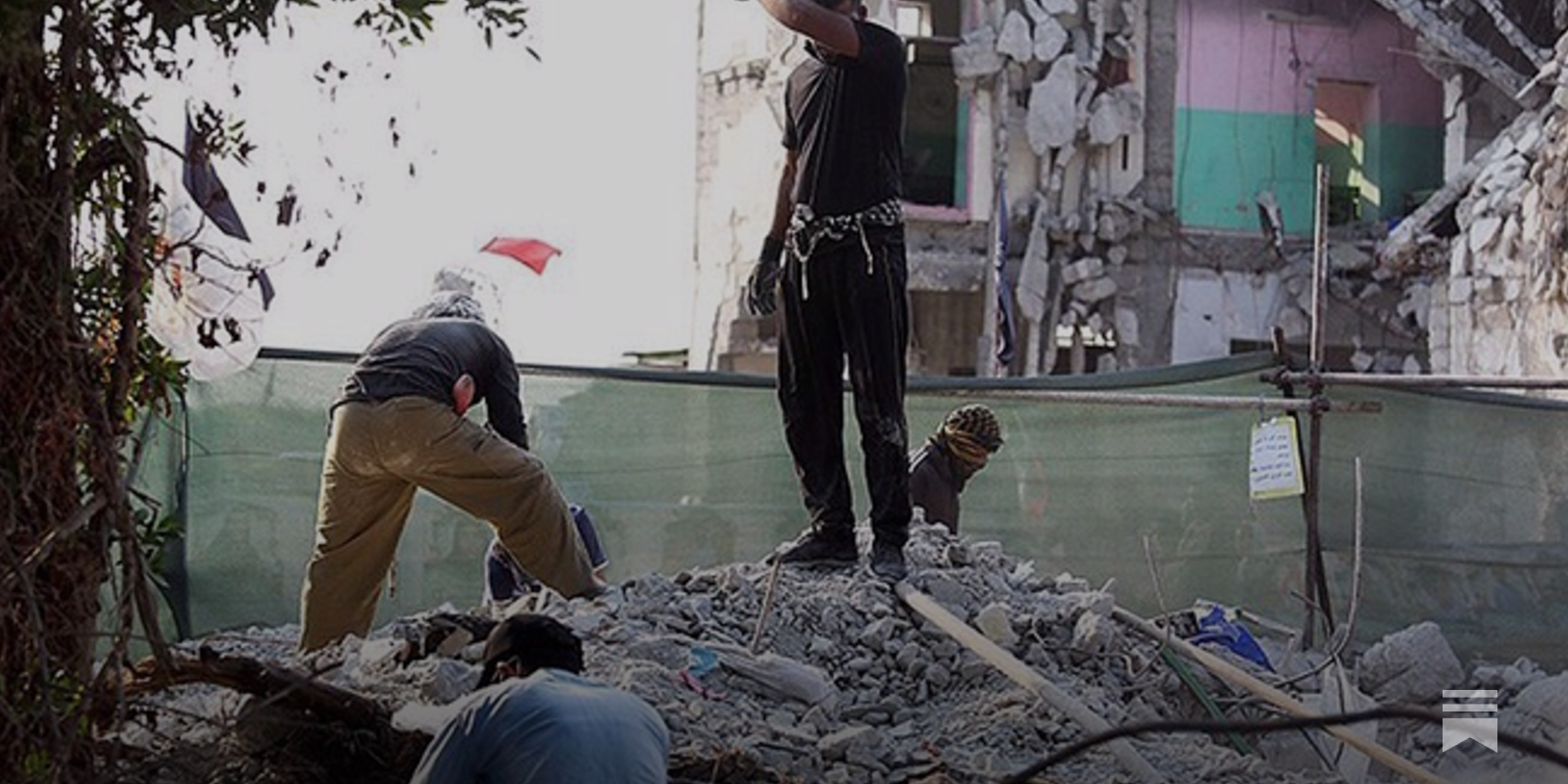
In the final moments, she was holding one of the students in her arms when the missile struck and part of the building collapsed. She became trapped beneath the rubble and died.
The child who had been in her arms survived. That survival became one of the most enduring stories of the attack: a child who lived because a teacher had remained close enough, and brave enough, to try to protect them.
Shahdadi’s body was buried in Minab. Her name now stands alongside those of the other teachers who lost their lives at Shajareh Tayyebeh, a reminder of commitment, responsibility and love for education.
The memory of her and the years she spent working for the education, happiness and development of her students continues to live in the memories of her family, colleagues, students and the people of Minab.
The lives behind the names
The stories of these teachers reveal lives that were different in countless ways but united by the work they had chosen. Neyestani came to education after studying accounting. Zakari was a fourth-grade teacher and a mother of two young girls. Solhi-Zadeh was a mother whose 11-year-old son, Hami, was also martyred in the attack. Ranjbari was a young educational and cultural counselor who dreamed of opening a sewing workshop to help women in need.
Rasouli was the teacher who chose to stay until the last child could return to their family. Sangarzadeh had devoted years of her life to her students and her parents. Taheri-Fard was the principal who went toward students still on the upper floor.
Askari was a Qur’an teacher who spoke to her mother about a journey to Mashhad only minutes before her own life ended. Kamali devoted herself to the Qur’an and died alongside her niece, who was also a student at the school. Shahdadi returned into danger to help children and was martyred while holding one of them.
Some were mothers; some were daughters caring for their parents; some were wives; one was the mother of a child who died beside her; some had never married. They had different professions within education and different ambitions outside it. They practiced different crafts, pursued different interests and imagined different futures.
Yet the meaning they attached to teaching was remarkably similar. For them, teaching was not simply the imparting of lessons. It was responsibility, service, and care. It was a promise to stand beside children and help them grow into intelligent adults.
On the day Shajareh Tayyebeh School was attacked, that promise became painfully real.
They stayed with frightened children and hugged them. They tried to calm them after the first explosions. They attempted to move them away from danger. They sought to remain in contact with their families. Some went back into the building while some remained with children even when they themselves were in danger. Some died while holding the children.
The names of the teachers of Shajareh Tayyebeh now stand alongside the names of the students and other members of the school community who were martyred. Their stories have become part of the memory of Minab, not simply because they were martyred, but because of the lives they lived and the choices they made when it really mattered.
The classrooms of Shajareh Tayyebeh may now be silent, but the stories of the women who taught there continue to carry the meaning they gave to their profession. Their final lessons were not written on a blackboard or spoken from the front of a classroom. They were expressed through the decisions they made when the lives of their students were at risk.
 This makes it easy to access the Press TV website
