Pentagon probe finds ‘cascade of preventable failures’ behind US strike on Minab school
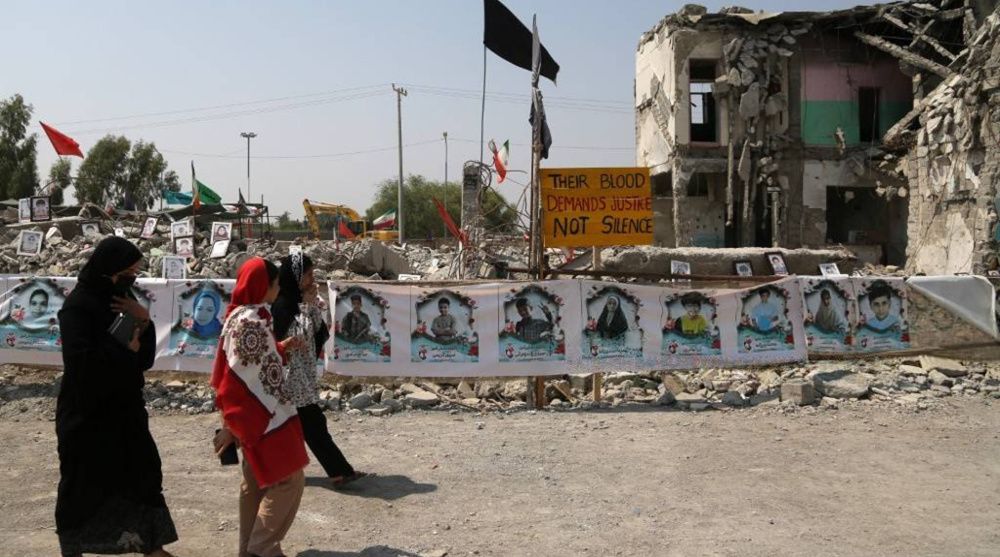
Pentagon investigators have found that a “cascade of preventable failures” stemming from flawed intelligence, outdated imagery, and an overreliance on artificial intelligence (AI) led to a US missile strike on a school in Iran’s southern city of Minab.
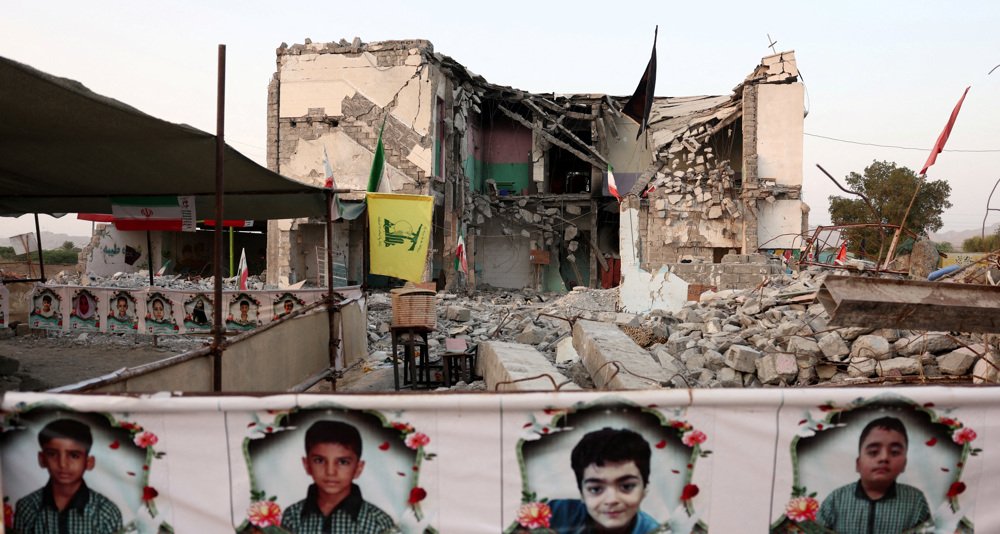
In the early hours of the joint US-Israeli military aggression against Iran on February 28, two Tomahawk missiles struck the Shajareh Tayyebeh Elementary School and its grounds, killing 168 people, including at least 123 children.
Citing officials familiar with an internal Pentagon investigation into the attack, Bloomberg reported Saturday that some US personnel knew within hours that Washington was responsible for the strike.
According to Bloomberg, outdated intelligence was a major factor. Although the Minab site had previously been identified as a military compound, satellite imagery showed that the area had been substantially modified and separated from the military facility. Construction changes visible in commercial imagery dated back nearly a decade.
Analysis of commercially available satellite imagery shows that walls and entrances were constructed to separate the school from the military base, with the work apparently completed by 2017. An image from 2018 also shows brightly painted walls, a soccer pitch, rows for school assemblies, and markings for children’s play.
One US intelligence analyst reportedly identified changes to the site as early as 2019 and recorded observations about the modifications in a system that was not connected to the primary military intelligence database used for targeting.
The investigation also examined the role of the Maven Smart System, an AI-enabled platform developed by Palantir Technologies that integrates large amounts of data to support military operations and targeting.
Officials said some personnel at US Central Command (CENTCOM) relied too heavily on Palantir, expecting it to identify outdated or inconsistent intelligence in the information used to assess potential targets.
Palantir, however, said it was not responsible for the underlying data or for identifying intelligence deficiencies and that there was no evidence its software was at fault in the Minab strike.
The Bloomberg report also said the Trump administration’s order for an overwhelming aerial assault, with more than 1,000 Iranian targets struck during the first 24 hours, shortened the time available to finalize targets, putting additional pressure on military personnel.
The Pentagon, however, has declined to provide details of its investigation, saying the strike remains under review. Officials who described the probe to Bloomberg said they faced constraints on the amount of information they could share.
Previous news reports indicated that, by early March, a preliminary internal review had determined that the US was “likely responsible” for the Minab strike.
A report on the full probe, however, has not been released, although officials said it has been all but complete for several months.
CNN previously reported that senior US military commanders bypassed warnings in critical intelligence databases that information on potential targets in Iran was severely outdated, approving strikes despite those warnings, including the strike on the Minab school.
A separate investigation into the school strike included interviews with military personnel involved in the attack. But the information obtained from those interviews has reportedly been “locked down” by US Central Command, with only a small number of officers allowed access to the details.
The Pentagon findings come as a UN-mandated fact-finding mission separately reported Thursday that there are reasonable grounds to believe the United States committed a war crime in the Minab school strike. The mission said the US failed to take feasible steps to verify that the school was a military target and that the failure went beyond mere negligence.
The mission also found no information indicating that the school was being used for military purposes at the time of the strike and concluded that the United States had failed to take all feasible steps to verify that the site was a military objective.
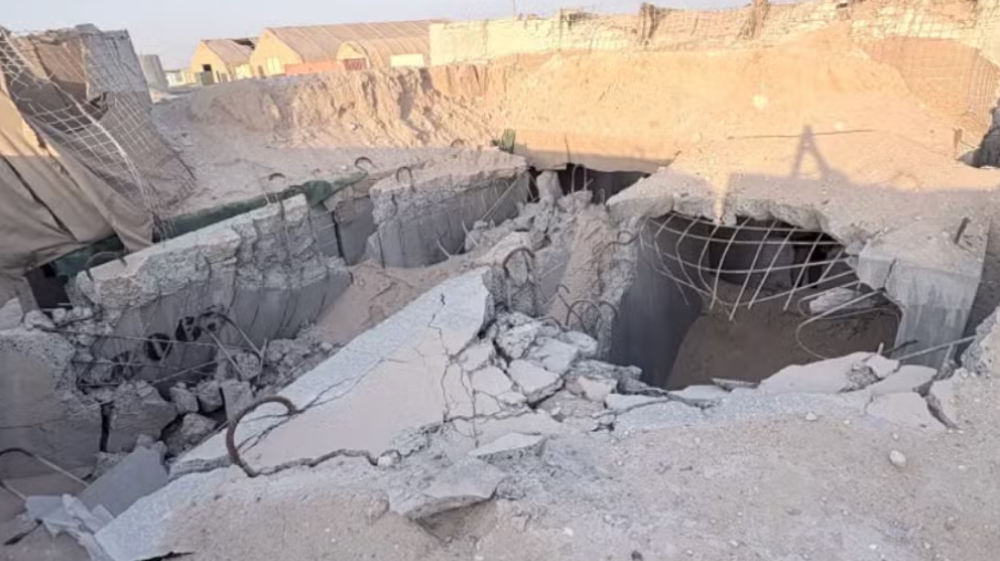
New images reveal severe destruction at US base in Kuwait after Iranian strikes
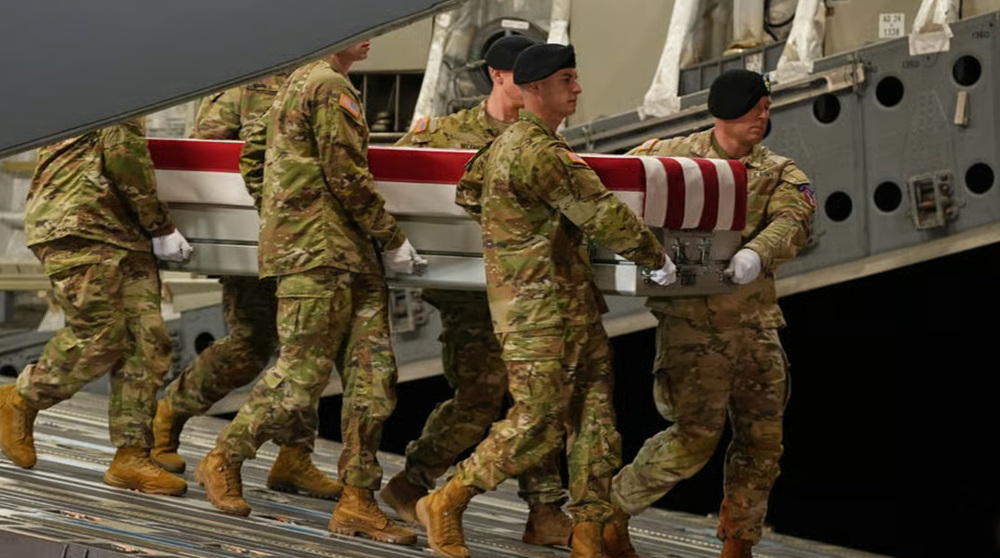
Report: US military death toll in war on Iran exceeds Department of War’s public count
‘Live with it’: Era of US F-35s being ‘hunted down’ has begun, Qalibaf says



Four Palestinians, including child, killed in Israeli attacks across Gaza
Iran retains initiative in Strait of Hormuz despite US claims: Armed Forces
Yemeni army targets sensitive sites in Saudi capital, Aramco facilities in Yanbu
Barzegari’s silver lifts Iran to five medals at 2026 World Poomsae Championships
VIDEO | Pakistan, China co-chair historic SCO bank framework talks
VIDEO | Press TV's news headlines
VIDEO | News Review: US accused of understating troop deaths in war on Iran
Trump’s ‘war of choice’ against Iran ‘a disaster’: House Democratic leader




 PressTV NEWSLETTER
now
PressTV NEWSLETTER
now
 This makes it easy to access the Press TV website
