Bodies recovered from Gaza rubble raise Israeli war crimes concerns: UN rights chief
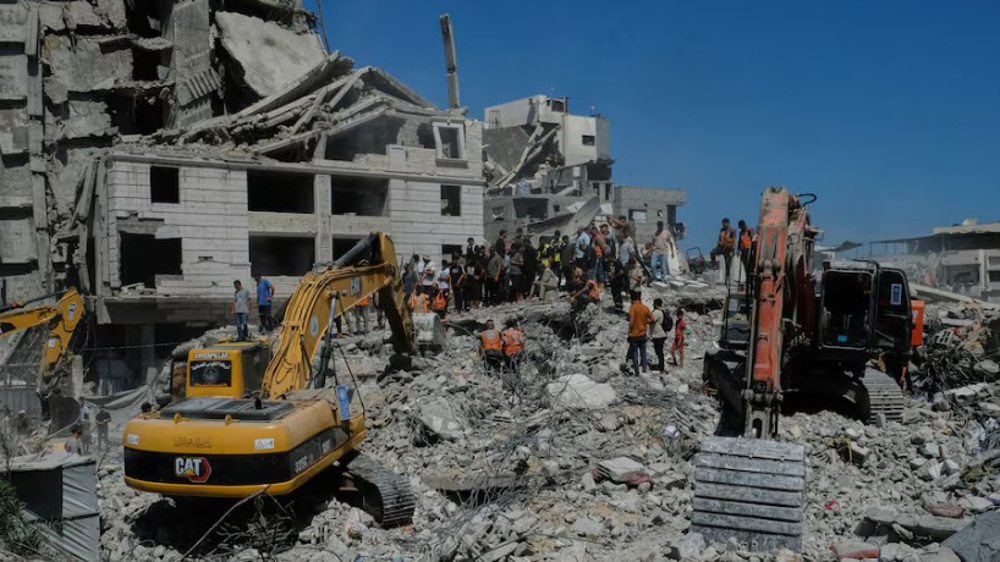
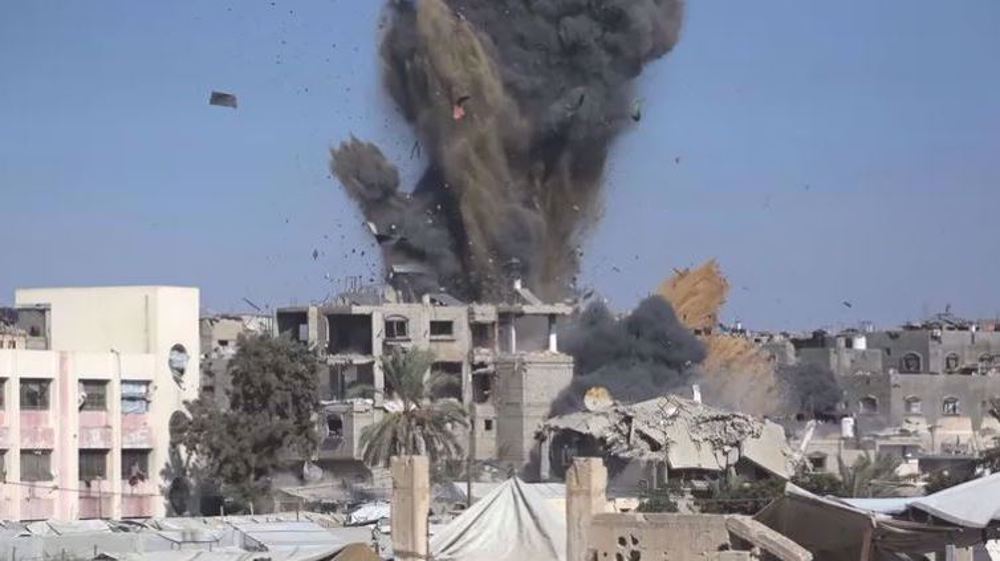
The recovery of numerous bodies, including the remains of entire families, from buildings destroyed by Israeli strikes in Gaza has raised fresh concerns over violations of international humanitarian law, the UN’s top human rights official says.
UN High Commissioner for Human Rights Volker Türk said on Tuesday that excavations at sites devastated by Israeli strikes were uncovering the remains of entire families, with women and children making up the majority of the victims.
“It is heartbreaking that the loved ones of those missing for so long are only now having their worst fears confirmed,” Turk said in a statement.
He stated that the discoveries rekindled apprehensions articulated in a 2024 United Nations report, which determined that Israeli military strikes targeting residential structures and additional civilian locations throughout the initial phases of the genocidal war may have constituted violations of international humanitarian law.
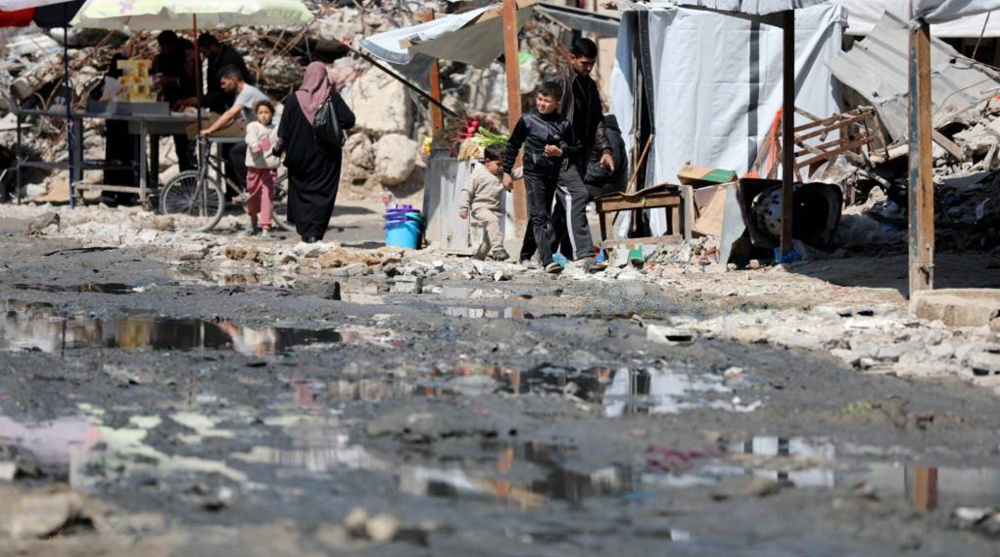
Turk expressed concern that the recovered remains might represent merely “the tip of the iceberg,” emphasizing that extensive portions of Gaza had been reduced to rubble through Israeli aerial bombardment or subsequent demolition and clearance initiatives.
He said that Israel continues to raze certain neighborhoods of Gaza where military personnel remain stationed, stating that bulldozing activities were being conducted “without regard for the deceased beneath the debris.”
Turk called for the provision of comprehensive access to all regions of Gaza for international investigators, emphasizing the necessity to safeguard evidence in connection with ongoing judicial proceedings that scrutinize actions undertaken throughout the genocidal war.
Ajith Sunghay, head of the UN rights office for the Occupied Palestinian Territory, stated that Israeli limitations on materials such as DNA testing kits and heavy excavation equipment were obstructing the recovery and identification operations.
“The collective impact of Israel’s conduct is making any systematic, large-scale search, recovery, and identification work nearly impossible,” Sunghay told a Geneva press briefing on Tuesday.
He emphasized that Palestinian teams were at times compelled to excavate through debris, with bare hands and without protective equipment or machinery.
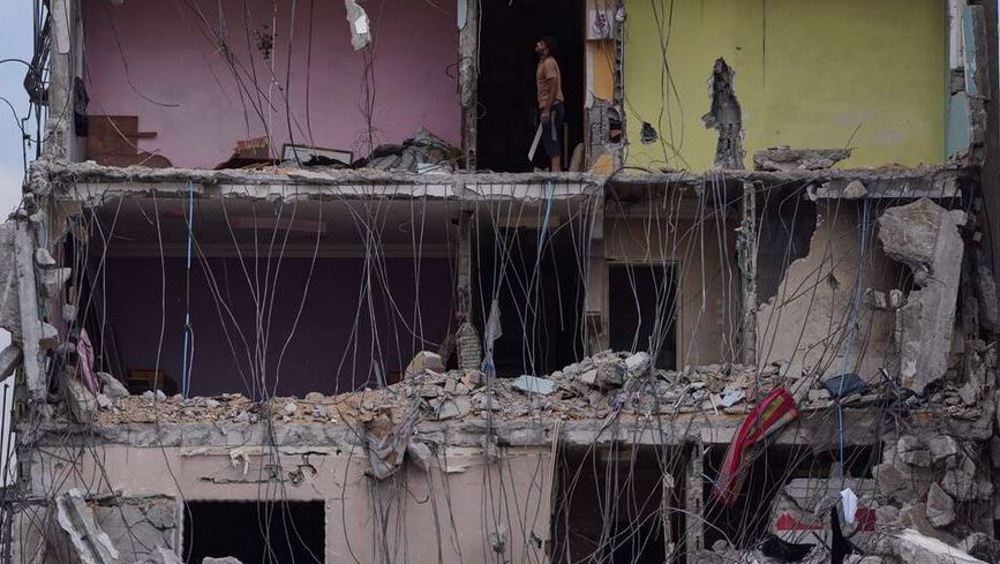
According to the Palestinian Civil Defense, more than 630 bodies and human remains have been recovered from beneath collapsed buildings across Gaza since November 2025.
Palestinian authorities estimate that the remains of more than 8,000 individuals have not yet been recovered and continue to be buried beneath the rubble.
Earlier this month, the Palestinian Center for Missing and Forcibly Disappeared Persons formally denounced the Israeli regime's unilateral clearance of debris across the Gaza Strip, describing the initiative as a "moral execution" of numerous missing Palestinians whose bodies continue to lie beneath the wreckage.
On September 6, the center again articulated profound apprehension and vigorous denunciation regarding systematic Israeli activities to dismantle and remove debris from devastated residential areas.
It cautioned that the initiative constitutes an intentional effort to eliminate the forensic evidence required to determine the fate of missing Palestinians.
The center stated that the work does not constitute a humanitarian endeavor aimed at recovering victims. Rather, it represents an effort to obliterate the remains of their bodies.
A report by the Euro-Med Human Rights Monitor issued last month maintained that the removal of debris from Gaza could be an attempt at demographic engineering and erasing evidence of the genocide.
Israel’s genocidal war on Gaza, launched in October 2023, has generated around 61 million tons of wreckage and debris that could take seven years to clear, according to the UN.
Israel's military onslaught in Gaza has claimed the lives of more than 73,790 Palestinians, according to the territory's health authorities.
Remembering Sabra and Shatila massacre: Why memory is the ultimate shield against erasure
EU urges US to reconsider visa denial for Palestinian UN delegation

Jordan: the Kingdom of compromise - Part 2



Top Iranian MP mocks US claims of fuel crisis, warns against miscalculation
Israel has carried out 1,068 incursions into Syria since Assad’s fall: Report
Pentagon says four killed in US strike on alleged drug boat in Caribbean
Iran sets 7 conditions for US to escape war quagmire: Rezaei
Stories Beyond Numbers: Mojtaba, three-day-old infant whose life was cut short before it could bloom
Discover Iran: Tabriz’s ‘Mausoleum of Poets,’ where centuries of Persian literary history live on
Moscow intercepts massive Ukrainian drone strike amid elections; civilian casualties reported
Understanding Iran’s tourism momentum amid war and sanctions





 PressTV NEWSLETTER
now
PressTV NEWSLETTER
now
 This makes it easy to access the Press TV website
