Saudi Red Sea oil shipments halted amid pipeline damage, war on Yemen
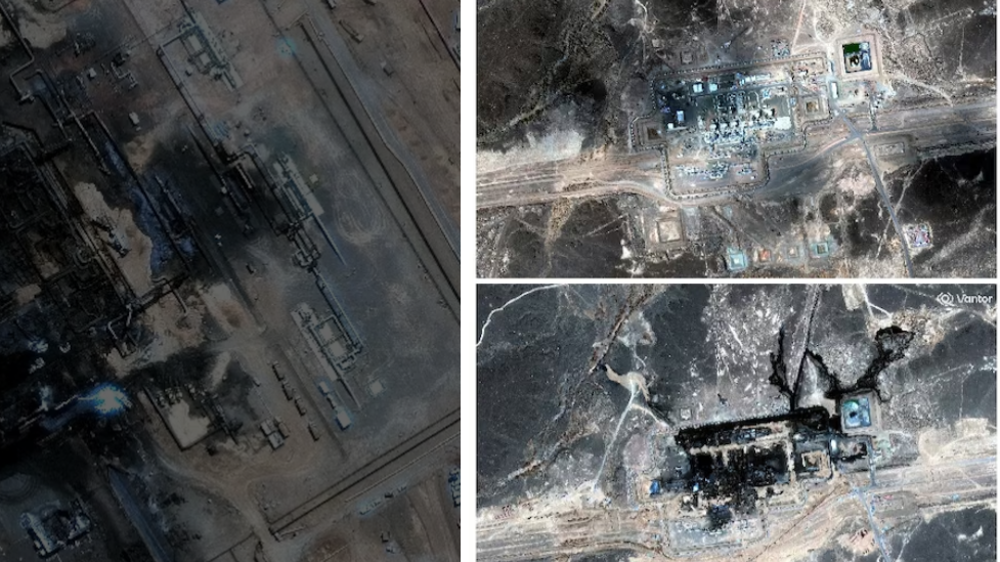
Saudi Arabia has suspended crude oil loadings from its Red Sea port of Yanbu and canceled some September cargoes to Europe after damage to a key pipeline disrupted supplies to the terminal, while fighting around the Bab el-Mandeb Strait has added further pressure to the kingdom’s export routes.
Arabian Gulf Business Insight (AGBI), a business platform, reported Tuesday, citing maritime intelligence firm Vortexa, that Saudi Arabia has not exported any oil through its Red Sea ports since Saturday.
Xavier Tang, a senior market analyst at Vortexa, told AGBI that the disruption could eventually leave Saudi Arabia as a “temporary net importer of fuel products.”
Reuters, citing shipping sources, said crude loadings at the Red Sea port of Yanbu have been suspended, with Saudi Arabia also canceling some late-September cargoes.
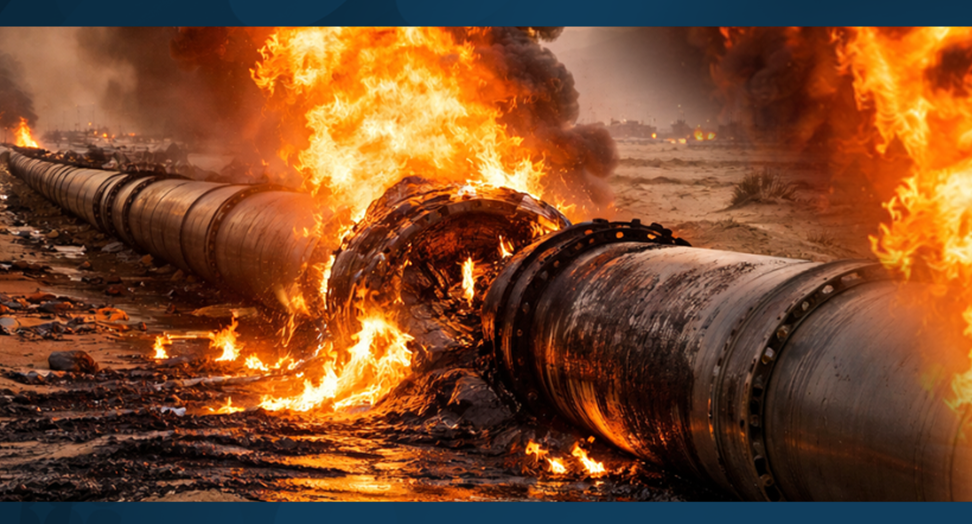
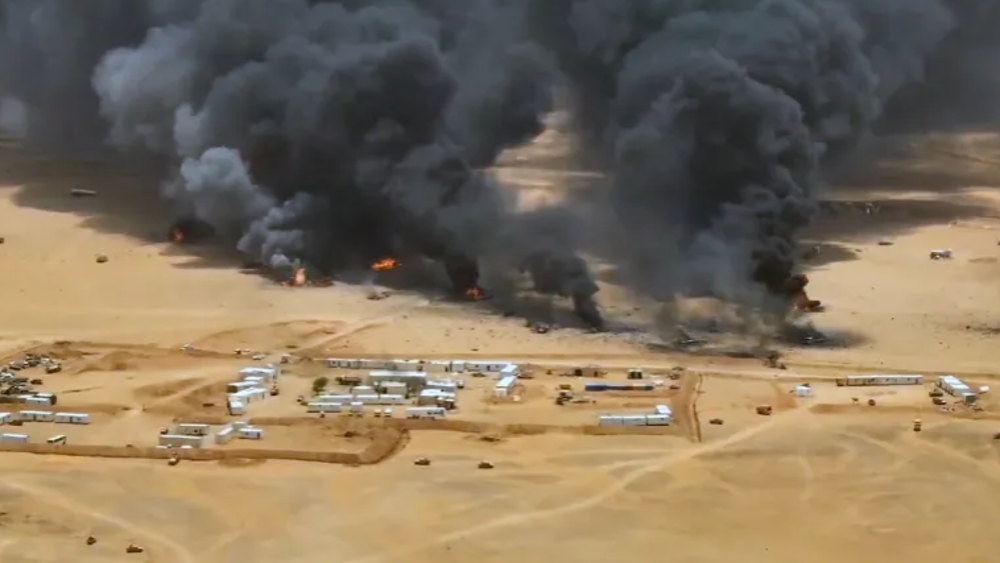
The disruption comes after Saudi Arabia shut down its East-West oil pipeline after drone attacks targeted sections of the route.
The pipeline normally transports crude from the kingdom’s eastern oil-producing areas to Yanbu, providing an alternative export route that bypasses the Strait of Hormuz.
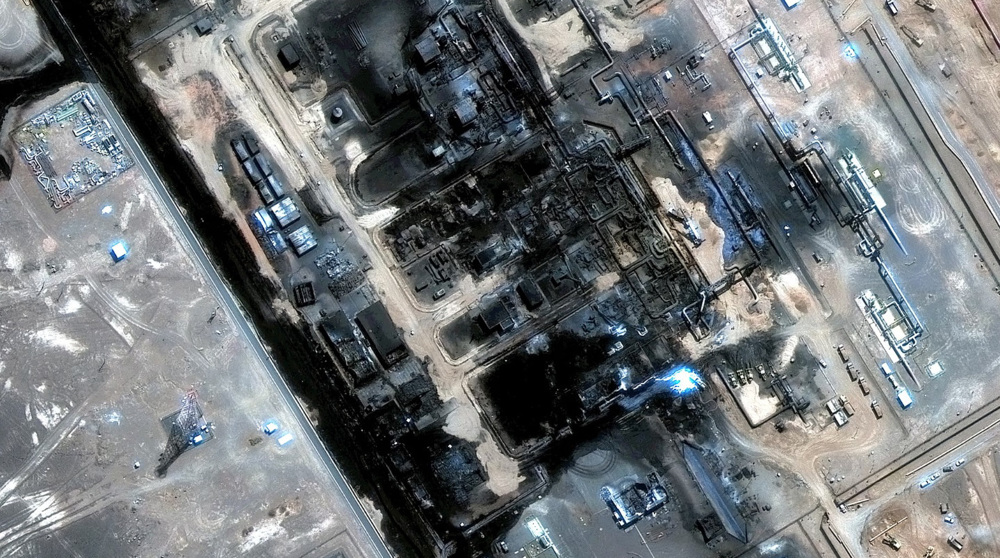
The developments have placed greater pressure on Saudi Arabia’s remaining export routes at a time when maritime traffic through the Bab el-Mandeb Strait has also been disrupted by the conflict in Yemen.
Yemen is restricting passage by Saudi-linked vessels through the Bab el-Mandeb Strait. According to Yemeni officials, navigation through the waterway has returned to “98 percent,” but Saudi vessels remain excluded.
Vortexa data cited in recent reports indicated that the kingdom currently has 22 million barrels of crude oil stored at Yanbu port, enough “for four to five days” of export at maximum capacity.
Analysts have warned, however, that prolonged disruption could put additional pressure on Saudi Arabia’s ability to maintain overseas shipments.
The suspension has already affected international oil markets. Reuters reported that Saudi Arabia canceled some crude cargoes bound for European customers, while oil prices rose sharply on Tuesday amid concerns that the disruption could persist.

On July 20, the Sana’a government announced a maritime blockade against Saudi Arabia in response to “an unjust and oppressive siege” on Yemen for almost 12 years.
Yemen has carried out a series of attacks on Saudi-linked shipping and infrastructure in recent weeks with dozens of Saudi tankers having been diverted away from the Bab el-Mandeb Strait, which links the Red Sea with the Gulf of Aden and the wider Indian Ocean, and is a major maritime chokepoint.
Disruptions there, combined with restrictions affecting the Strait of Hormuz and damage to Saudi Arabia’s internal oil infrastructure, have increased concerns over the reliability of global energy supplies.
Yemen started its retaliatory attacks on Saudi Arabia in July after the Saudis intensified their years-long siege by attacking facilities in the main airport of the Yemeni capital, Sana’a.
Yemen announced at the time that it will expand its attacks on Saudi Arabia to force the kingdom to finally break its siege, which has imposed heavy economic and human costs on the country since it was enforced in 2015.
The retaliatory attacks by Yemeni armed forces have inflicted heavy damage on Saudi Arabia’s military bases as well as on the lucrative oil production assets.

Saudi Arabia allows Israel to use its military bases to spy on Yemen: Houthi
Top Yemeni military brass to Saudis: ‘We will destroy your economy’

Yemen pledges to escalate campaign to break Saudi blockade



UN Chief warns Israeli violence in West Bank raises ‘specter of ethnic cleansing’
VIDEO | ‘Korea gets nothing, loses everything, with Hormuz deployment’
Iran parliamentary commission approves penalties for violators of Hormuz laws
VIDEO | Trump’s war disrupts the world
Araghchi urges world to hold US accountable for ‘war crimes’ at UNGA
VIDEO | Press TV's news headlines
US F-16 fighter jet crashes at air base in Germany
Iran warns US against new attack, says Washington will gain ‘nothing but failure’



 PressTV NEWSLETTER
now
PressTV NEWSLETTER
now
 This makes it easy to access the Press TV website
