VP: Iran has defeated military plots, is ready for economic war
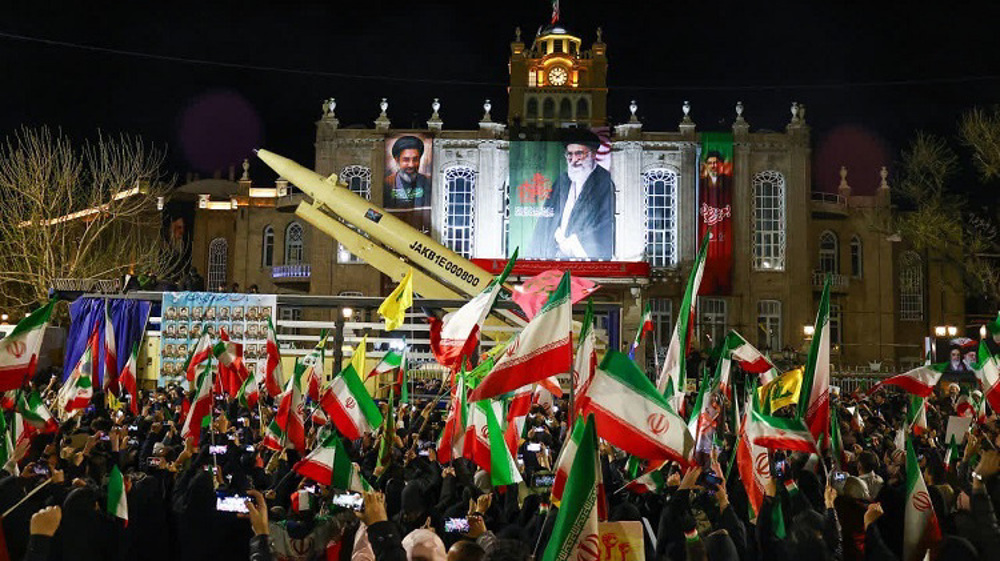
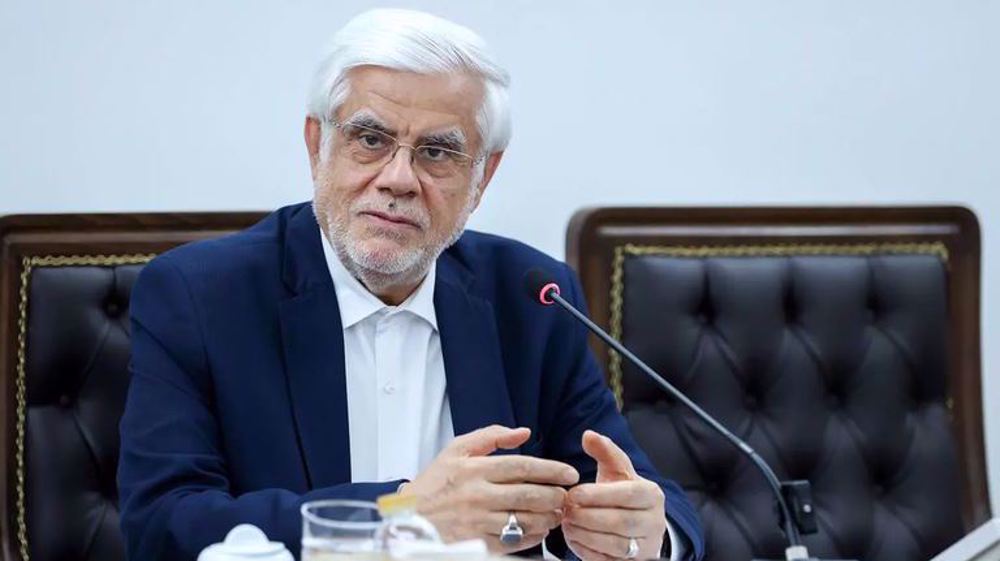
Iran has defeated successive military, economic, social and political plots aimed at forcing the Islamic Republic to surrender or overthrowing it and is now preparing to confront a new phase of economic warfare, First Vice President Mohammad Reza Aref says.
Speaking at a ceremony marking the launch of 150,000 employment projects, Aref said Iran has repeatedly overcome attempts by the "system of domination," led by the United States, to bring down the Islamic Republic.
He said Iran's strategy in recent decades has been based on using advanced technologies to meet the needs of the country and the peoples of the region.
"Today the world has realized that the 'nuclear cudgel' was nothing but a lie put forward by the Zionist regime," Aref said, adding that the argument has lost its credibility.
After its earlier efforts failed, Aref said, the enemy turned to direct military confrontation with Iran, believing that the Iranian people would take to the streets in its support.
"But the people once again proved the West's calculations wrong," he said. "They stood against the enemy, and ultimately the enemy was forced to request a ceasefire."
Aref said the objective of overthrowing the Islamic Republic nevertheless remained unchanged and that the enemy sought to replicate the 1953 coup against Iran's government through a political-military operation.
He said the riots of late 2025 and early 2026 imposed a heavy cost on the country, with more than 3,000 young people from both sides killed, including those who took to the streets to defend the Islamic Republic and those who, without realizing it, acted on behalf of the system of domination.
"For a system that does not have popular support, such events are back-breaking," Aref said.
He said the government's decision to hold ceremonies for all those killed, recognize almost all of them as martyrs and publish a list of the victims helped defeat the plot.
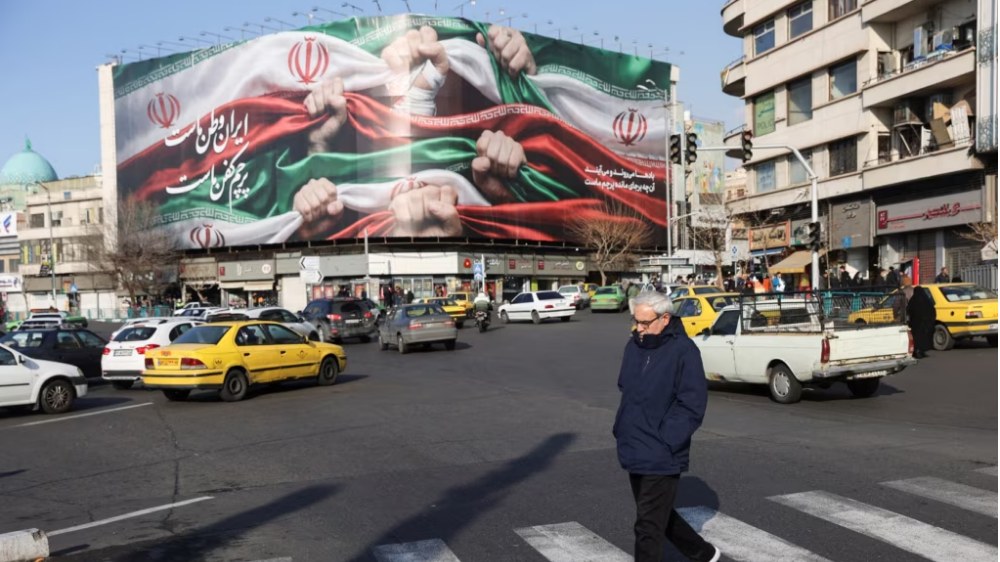
Aref also pointed to the country's response after the martyrdom of Leader of the Islamic Republic Ayatollah Seyyed Ali Khamenei on the first day of the Ramadan war on February 28, describing it as the greatest blow to the system and a major loss for the Muslim community and freedom-seeking people around the world.
Yet, he said, Iranian society once again demonstrated its "extraordinary capacity."
"By the blessing of the blood of the martyrs, the 'street front' was formed spontaneously," Aref said, adding that people have been present in the streets in support of the system and the country for about 190 nights.
He said the enemy believed that, as in the 1953 coup, it could achieve its objectives by relying on "a number of low-level thugs," but that calculation also proved wrong and Iran's social capital instead mobilized in support of the system.
With the military strategy having failed, Aref said, the enemy is now concentrating on the economic and social fronts.
"We admit that we are facing economic problems," he said. "But we have resisted the unjust sanctions and have advanced economic strengthening and the resistance economy."
Aref acknowledged that the government has not succeeded in controlling inflation and rising prices, but said it remains confident that the difficulties can be overcome with the people's cooperation.
He placed particular emphasis on protecting Iran’s social capital, saying the enemy is targeting it alongside the economic front. "Preserving social capital is a necessity and, in a sense, a 'greater jihad,'" he said.
Aref said the administration of President Masoud Pezeshkian had faced wartime conditions since taking office, but had not neglected people's livelihoods.
Aref said Iran has now entered an economic war in which its adversaries believe sanctions and a blockade can bring the Islamic Republic to its knees.
"We believe we have entered an economic war," he said. "The enemy's assumption is that with sanctions and blockade it can close the file of the Islamic Republic of Iran and bring the system to its knees. But we have sufficient new maritime, land and rail routes and we are not worried."
The government, he said, has a program for implementing the resistance economy and strengthening the country's economic resilience.
"We are certain that the enemy will also be defeated on this front," Aref said, because it has no instrument other than the harsh and unjust sanctions it has previously used against Iran.
Aref said the country's economic capacity has also been demonstrated during the two recent wars. Iran's private sector and retail chains, he said, have put national interests ahead of private interests and have supported the government and the country.
"The stores were full of goods," he said, adding that people have also cooperated with the government by controlling the amount they purchase.
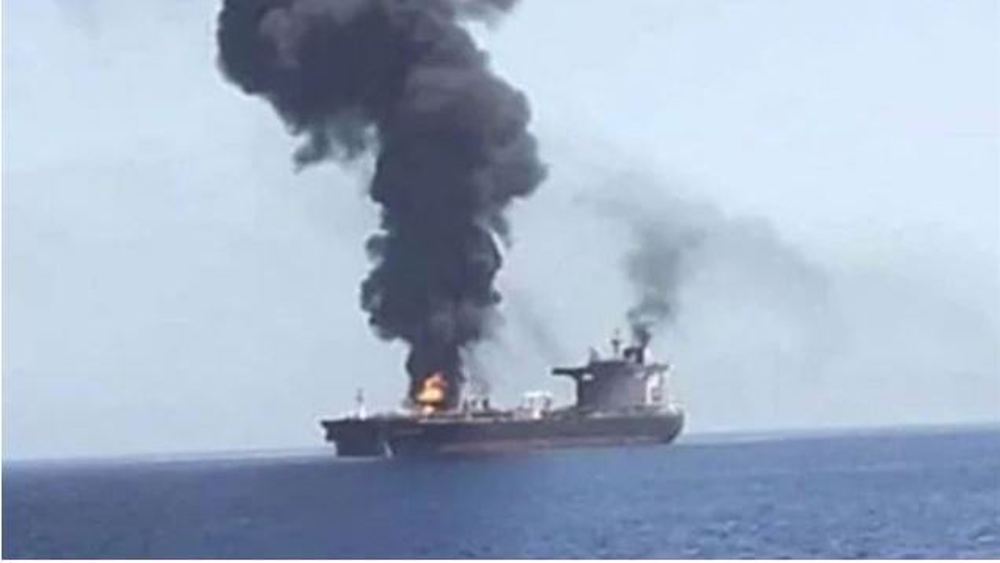
US forces hit Iranian oil tanker near Kharg Island, escalating aggression
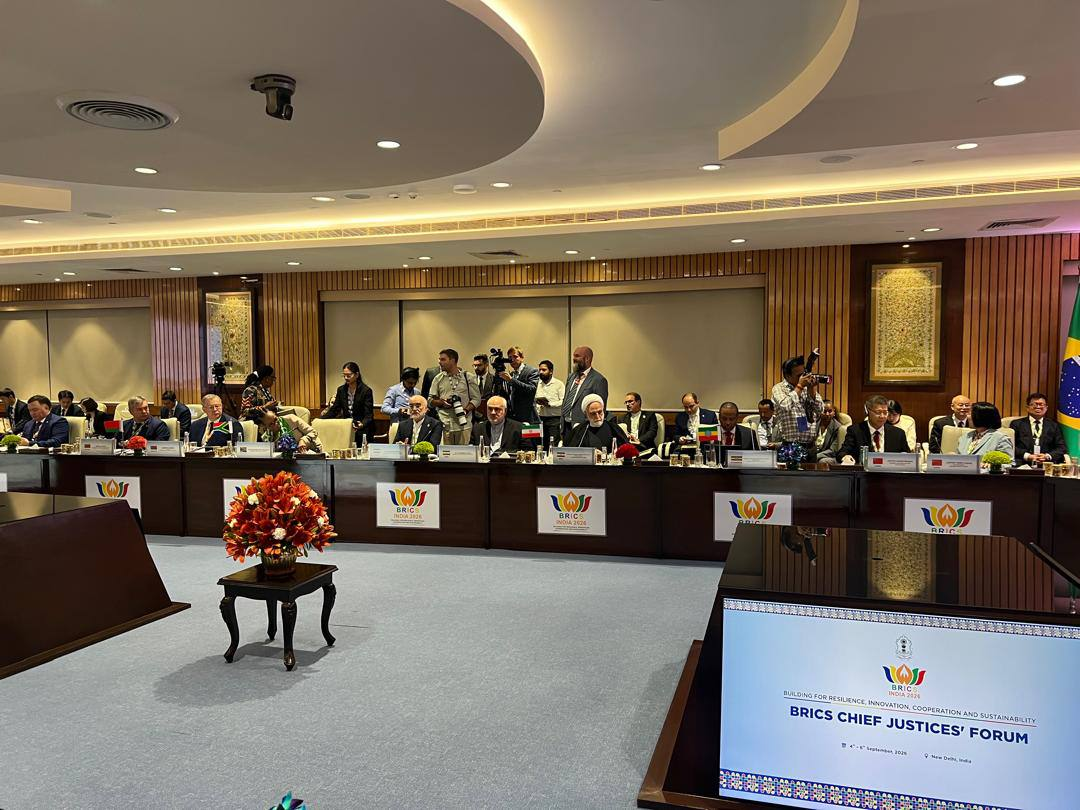
Iran's judiciary chief calls on BRICS to prosecute perpetrators of war crimes
Iran to Americans: Why should your children pay for Israeli warmongering with their lives?



What Rojoum drone footage reveals: Yemen’s precision-strike capability is reshaping the battlefield
Martyred Leader’s funeral debunked Iran isolation narrative, revealed Muslim unity as lived reality
How US-Israeli war machine used AI and flawed intelligence to target civilian infrastructure in Iran
European officials dismiss Bessent’s claim of EU joining Iran sanctions
Israeli soldiers who gang-raped Palestinian abductee file lawsuit for $6 million
US forces hit Iranian oil tanker near Kharg Island, escalating aggression
VIDEO | Press TV's news headlines
VP: Iran has defeated military plots, is ready for economic war



 PressTV NEWSLETTER
now
PressTV NEWSLETTER
now
 This makes it easy to access the Press TV website
