Martyred Leader’s funeral debunked narrative of Iran’s isolation, revealed Muslim unity as lived reality: Cleric
By M. Salimi
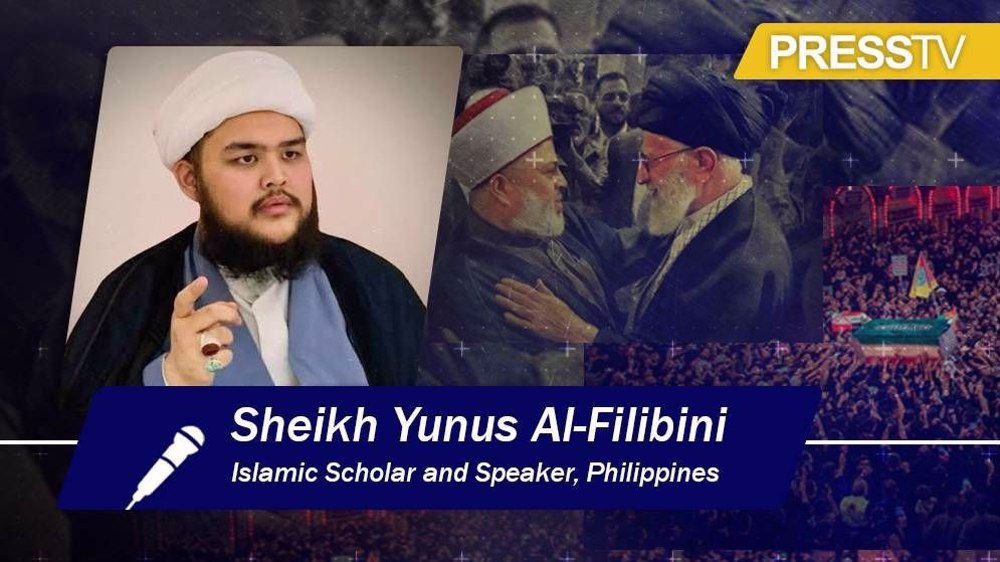
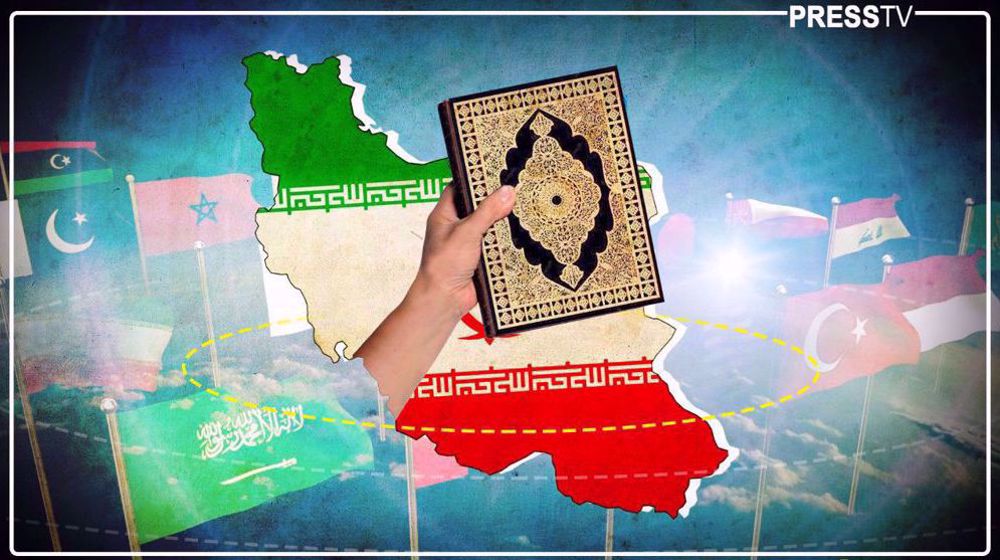
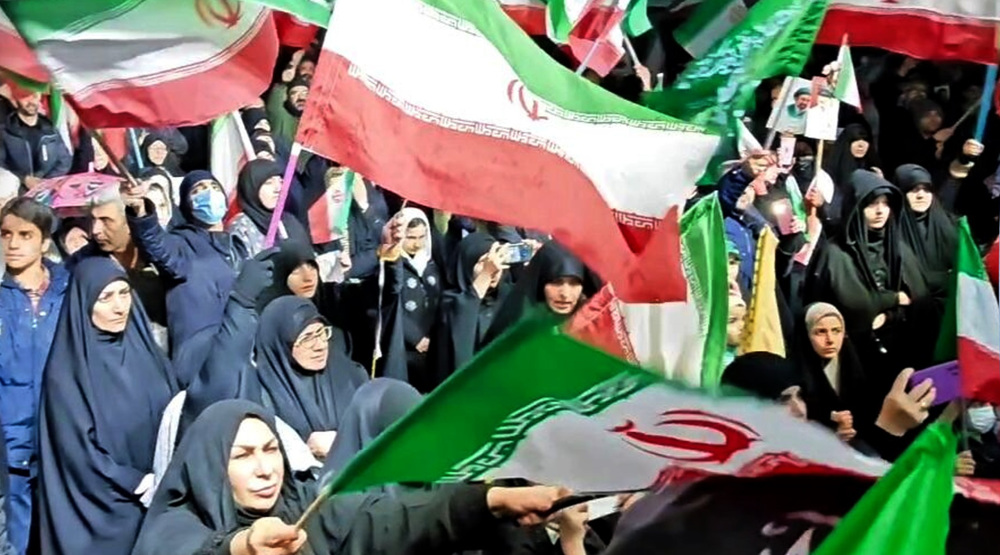
A Filipino Islamic cleric who witnessed the historic funeral of the martyred Leader of the Islamic Revolution, Ayatollah Seyyed Ali Khamenei, in Tehran says the outpouring of grief and solidarity from people across the world challenged the narrative that the Islamic Republic stands isolated and demonstrated that unity is not merely a slogan but a lived reality that must be defended and practiced.
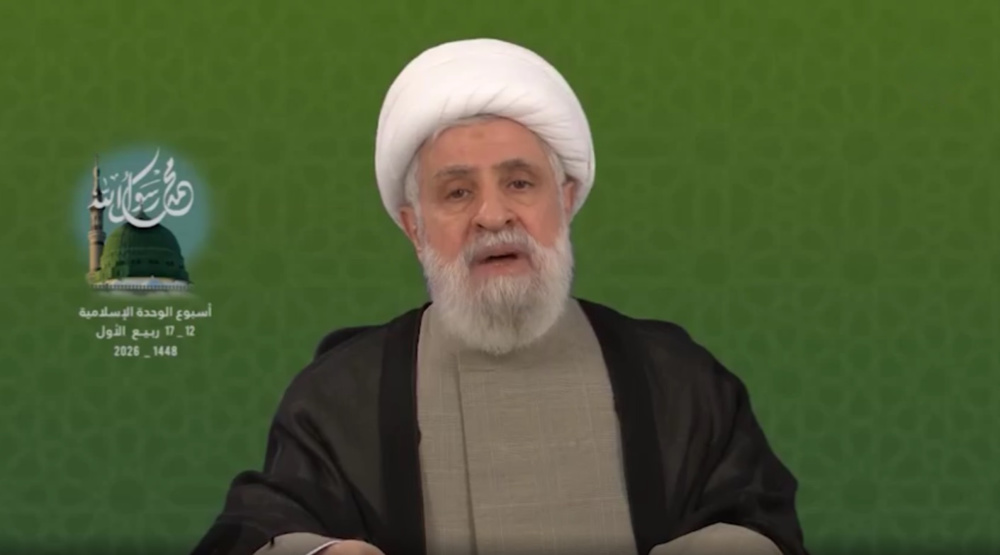
Speaking to the Press TV website from the Philippines, Sheikh Yunus Al-Filibini reflected on his experience in Tehran during the funeral of the martyred Leader and shared his thoughts on the recently held 40th International Conference on Islamic Unity.
"When I arrived in Tehran, even inside Imam Khomeini International Airport, I immediately witnessed something that left a profound impression on me," Sheikh Al-Filibini said.
"I saw hundreds, and eventually thousands, of people arriving from different countries, nationalities, ethnic backgrounds and walks of life. There were people from India, Pakistan, China, Thailand, the United States, Canada, Malaysia, Indonesia and many other parts of the world. They had come to Tehran not simply as visitors, but to express their grief, solidarity and support for the Islamic Republic of Iran during this historic moment."
He noted that the diversity of the mourners demonstrated that concerns surrounding justice, independence and resistance to oppression transcend national and sectarian boundaries.
"The presence of people from so many different countries demonstrated that the concerns surrounding justice, independence, resistance to oppression and human dignity transcend national borders," he said. "What I witnessed also challenged the narrative that the Islamic Republic of Iran stands isolated from the wider Muslim world and from humanity."
Reflecting on the theme of this year's conference, "Islamic Unity in the Thought of the Martyred Imam," Sheikh Al-Filibini emphasized that the late Leader's vision was not about erasing theological differences but about recognizing shared moral responsibilities.
"In my understanding, the core message of the martyred Leader's vision of Islamic unity is that the unity of the Muslim Ummah must be built upon principles that are greater than sectarian differences," he explained.
"Unity does not mean that Muslims must abandon their schools of thought or compromise their theological convictions. Rather, it means that our differences must not prevent us from recognizing our shared responsibilities toward justice, dignity, independence and the defense of the oppressed."
Palestine as an example of Islamic solidarity
He pointed to Palestine as a practical example of how Islamic solidarity can transcend sectarian boundaries.
"Palestine is overwhelmingly Sunni Muslim, yet the support extended to the Palestinian people is not presented as a sectarian project. It is rooted in a broader Islamic and human principle: when a people are subjected to occupation, injustice and oppression, Muslims cannot remain indifferent simply because those people belong to another school of thought. The Palestinian cause therefore becomes a practical example of how Islamic solidarity can transcend sectarian boundaries," the cleric said.
Sheikh Al-Filibini also addressed the importance of distinguishing between principled conviction and sectarian hostility.
"We should be confident in our own beliefs without turning disagreement into hatred. We should encourage dialogue, cooperation in matters of common concern and solidarity with the oppressed regardless of their sect, ethnicity, nationality, or background,” he noted.
“Ultimately, the vision of Islamic unity is not a call for Muslims to become identical. It is a call for Muslims to become conscious of what unites them, to place the interests of the Ummah above narrow divisions and to transform that unity from a slogan into a lived reality."
As a Muslim leader from the Philippines, where Muslims are a minority, Sheikh Al-Filibini stressed the importance of education and dialogue in countering divisive narratives.
"We need to develop educated, confident and united Muslim communities that preserve their Islamic identity while contributing positively to the wider society," he said. "If we can learn to disagree with one another intellectually without turning disagreement into hatred, then our theological diversity can become a source of richness rather than a cause of division."
Muslims in non-Muslim countries
He elaborated on the challenges facing Muslim communities in non-Muslim majority countries.
"In the Philippines, we are doing our best to strengthen this culture of coexistence and solidarity, not only within our own communities, but also as part of the wider Muslim community in Southeast Asia. I believe that if we can learn to disagree with one another intellectually without turning disagreement into hatred, then our theological diversity can become a source of richness rather than a cause of division," Sheikh Al-Filibini remarked.
On the impact of the Leader's martyrdom on younger Muslims worldwide, he said it had prompted a reassessment of perceptions.
"His martyrdom caused many people to reassess those perceptions. They began to look again at the positions he had consistently taken, particularly regarding justice, the dignity of oppressed peoples, Palestine and resistance to injustice. What became increasingly visible to many was the consistency between his words and the positions he maintained throughout his life," he said.
He described the Leader’s martyrdom as a catalyst for a new awakening.
"I would describe this as another awakening in the consciousness of many people. The martyrdom did not simply close a chapter. For many, it opened a new one. It compelled people to revisit questions of justice, resistance, Islamic solidarity and the responsibility of Muslims toward the oppressed. And perhaps one of the most important lessons is that the struggle for justice does not end with the death of an individual. If anything, martyrdom can transform a personal struggle into a collective responsibility," he told the Press TV website .
The Islamic speaker called on scholars to lead by example and demonstrate that Muslims can disagree on certain matters while still standing together for justice.
"If we want ordinary Muslims to respect one another despite their differences, then scholars must demonstrate that respect themselves. We should be able to sit together, listen to one another, discuss our differences academically and still recognize our shared responsibility toward the Ummah," he said.
Islamic Unity Conference and practical initiatives
Sheikh Al-Filibini also discussed practical initiatives that should emerge from such conferences.
"One concrete initiative would be the production of books, educational materials, and other resources that teach Muslims about Islamic unity, while also helping them understand legitimate differences between schools of thought. These materials should be accessible not only to scholars, but also to young people, students, teachers, and ordinary members of the community. We should also bring these discussions into schools and universities. We can organize lectures, seminars, and educational programs that teach young Muslims how to engage with differences intellectually and respectfully," he told the Press TV website.
He emphasized the importance of building lasting networks. "We need networks connecting scholars, educators, youth and community organizations so that cooperation continues long after the conference has ended. For Muslim communities in non-Muslim-majority countries like the Philippines, this is especially important."
Sheikh Al-Filibini also shared a message for the global Muslim community.
"What I witnessed in Tehran reminded me that unity is not merely a word and it is not simply something we discuss in conferences. Unity is something that we must live, practice, and defend. I saw people coming from different countries, different cultures, different languages, different races, and different schools of thought,” he noted.
“They did not necessarily have everything in common. Yet there was something that brought them together: a shared conviction that injustice must not be accepted, that the oppressed must not be abandoned, and that we have a responsibility to stand for truth, regardless of the cost."
Defeating enemy's attempt to dow discord
He urged Muslims not to be discouraged by the enemy’s attempts to sow discord.
"We have to be realistic. The path toward justice and unity will not always be easy. There will be disagreements, there will be challenges, and there will always be forces that benefit from keeping Muslims divided. But precisely because of that, we have to make an even greater effort to preserve our unity. If forces are working to divide us, then our responsibility is to work even harder to bring people together," he stressed.
The Philippine cleric concluded with a Qur'anic reminder. "Allah says in the Holy Qur'an: 'O you who believe, stand firmly for justice, as witnesses for Allah, even if it is against yourselves.' This is a profound command. Justice cannot be something we defend only when it benefits our own group or us. We must stand for justice even when it challenges our own interests."
"So my message to the global Muslim community is simple: let us not allow our differences to become greater than our shared responsibility. Let us preserve our principles, respect one another, reject hatred and sectarianism, and stand together for justice and truth. What I witnessed in Tehran gave me hope that this unity is possible. The diversity of the people I saw there did not prevent them from standing together,” he stated.
“In fact, their diversity made their solidarity even more meaningful. The future of the Ummah depends on whether we can transform that spirit of solidarity into our daily lives. If we remain committed to justice, if we refuse to abandon the oppressed, and if we choose unity over unnecessary division, then, God willing, there is still tremendous hope for the Muslim Ummah and for humanity as a whole."
US-Venezuela oil deal a new phase in long history of US interventionism in Latin America: Journalist
Western left’s ‘politics of purity’ reinforces the very imperialism it claims to oppose: Historian
Iran is the last bastion of true anti-imperial resistance, owes no one an explanation: Writer



Iran wins ‘war of willpower’ against enemies: Senior commander
What Rojoum drone footage reveals: Yemen’s precision-strike capability is reshaping the battlefield
Martyred Leader’s funeral debunked Iran isolation narrative, revealed Muslim unity as lived reality
How US-Israeli war machine used AI and flawed intelligence to target civilian infrastructure in Iran
European officials dismiss Bessent’s claim of EU joining Iran sanctions
Israeli soldiers who gang-raped Palestinian abductee file lawsuit for $6 million
US forces hit Iranian oil tanker near Kharg Island, escalating aggression
VIDEO | Press TV's news headlines


 PressTV NEWSLETTER
now
PressTV NEWSLETTER
now
 This makes it easy to access the Press TV website
