
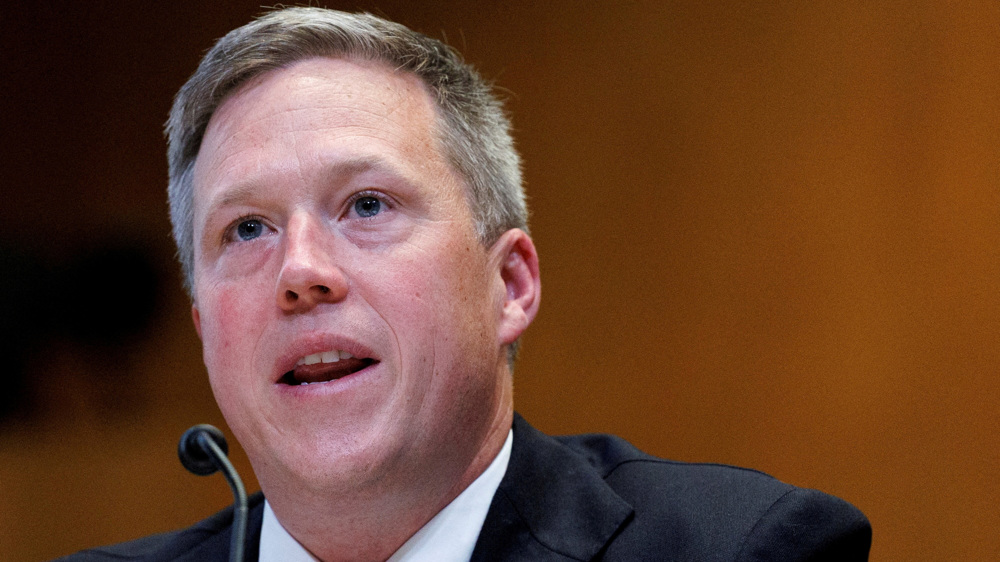
The United States military is facing a severe leadership crisis as Army Secretary Dan Driscoll submitted his resignation, amid War Secretary Pete Hegseth’s internal purges.
The high-profile departure comes as the US enters the seventh month of its costly war on Iran, leaving the Army effectively without permanent civilian or uniformed leadership at a critical juncture.
The White House confirmed Driscoll’s resignation on Monday.
While the administration attempted to project an image of strength, behind the scenes, the departure is the culmination of months of bitter infighting between Driscoll and Hegseth.
According to a Reuters report citing sources familiar with the matter, Driscoll grew increasingly frustrated with Hegseth’s obstruction of Army transformation and readiness efforts, specifically the War Secretary's practice of firing the very generals responsible for executing modernization strategies.
The leadership vacuum is particularly acute given the ongoing US military entanglement in West Asia.
With tens of thousands of US soldiers deployed in a seven-month war against Iran that has yielded no victory and severely depleted US munitions stockpiles, the Army is now operating without a permanent civilian secretary or a uniformed chief.
Hegseth abruptly fired Army Chief of Staff General Randy George in April and has failed to nominate a permanent successor.
Driscoll reportedly viewed this move as a dangerous decapitation of military command during an active war, a frustration that deepened when Hegseth also pushed out the head of US Army forces in Europe and personally blocked the promotions of other senior officers.
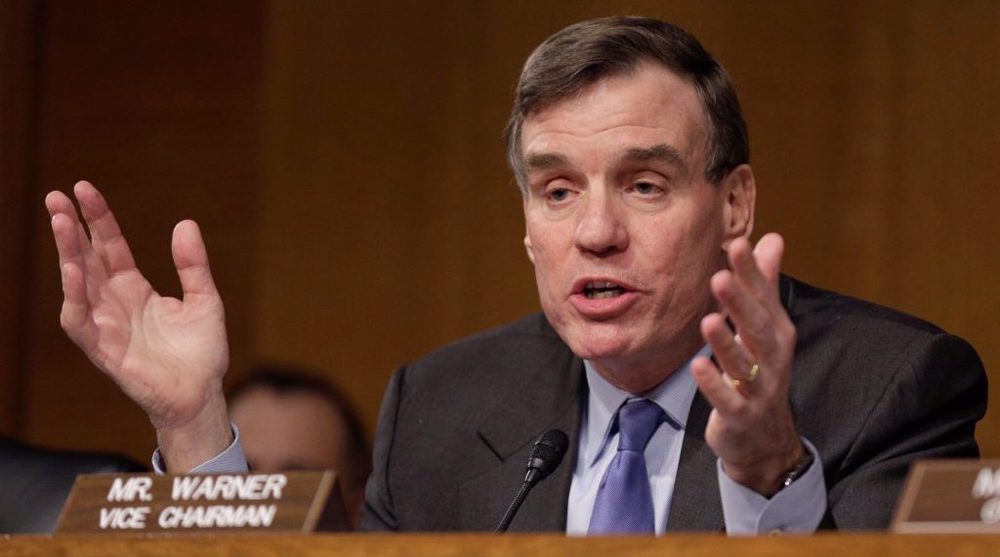
Driscoll, an Army veteran who served in Iraq, had been shielded from Hegseth’s purge largely due to his close personal ties with US Vice President JD Vance.
However, officials note that Hegseth viewed Driscoll as a bureaucratic threat and had long sought his removal.
The exodus at the top of the Army appears to be widening, with reports indicating that Dave Fitzgerald, the deputy undersecretary of the Army focused on innovation, is also expected to resign.
Military observers and domestic critics have argued that the Pentagon is being hollowed out from within by political ideologues.
Senator Jack Reed, the top Democrat on the Senate Armed Services Committee, bluntly stated that Hegseth is inflicting "lasting harm" on the Department of War, noting that the constant churn of leadership is severely damaging military cohesion.
 This makes it easy to access the Press TV website