Iran’s oil sales to China hold steady despite US economic war
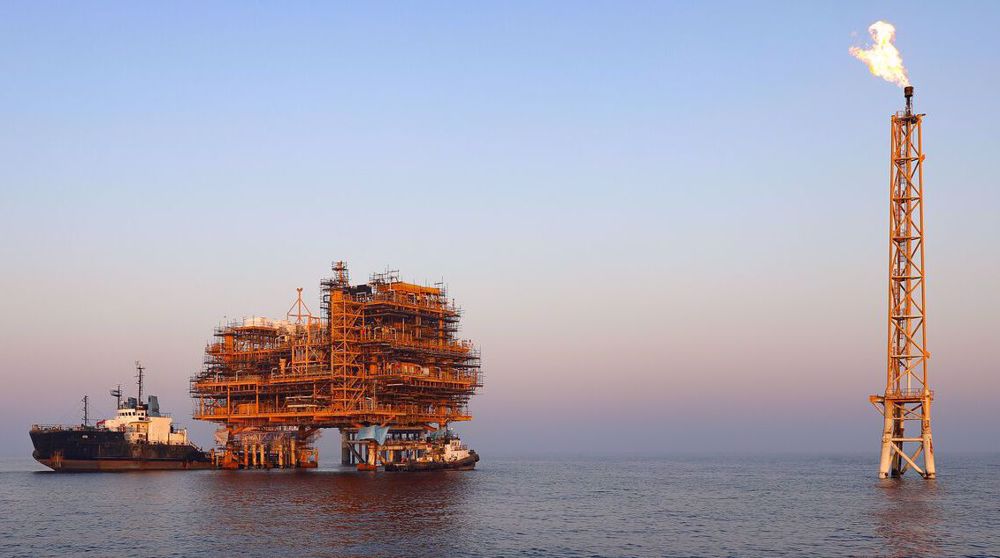
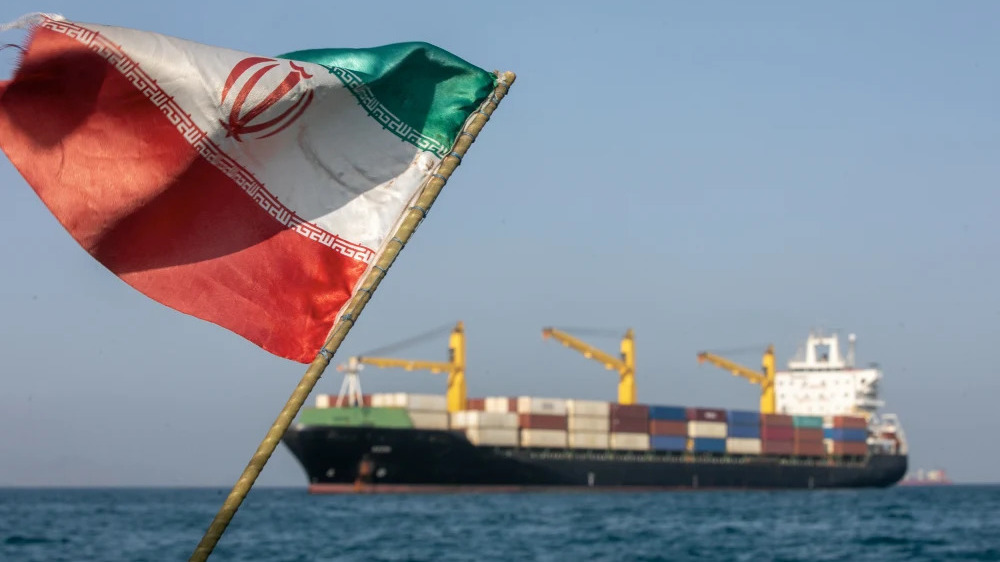
New data shows Iran’s oil sales to China have remained largely steady this year despite Washington intensifying its economic war on the country, as Tehran says crude deliveries to international customers continue.
China has received about 1.2 million barrels of Iranian oil per day so far this year, only slightly less than the level recorded during the same period in 2025, according to industry data provider Kpler, cited by The New York Times.
Muyu Xu, a senior Kpler oil analyst, said large quantities of Iranian oil are now sitting on ships and in storage tanks near the Malacca Strait and the South China Sea.
“Up-to-date volumes are difficult to measure because ships have become increasingly skilled at evading detection,” Xu was cited as saying by the NYT.
The volume of Iranian oil received by China is therefore only “slightly less” than last year, according to the data cited by the newspaper.
The continued flow comes as Iran says it is maintaining crude oil sales and deliveries despite an illegal US economic war against the country.
Oil Minister Mohsen Paknejad said on Thursday that the sale and delivery of crude to international customers outside Iranian territorial waters have continued uninterrupted despite recent US-led blockades.
Iran confirms continued oil deliveries to customers in defiance of US maritime pressurehttps://t.co/I591VnEXhp
— PressTV Extra (@PresstvExtra) August 27, 2026
"I will not go into details, as this is information that, if disclosed, could be exploited by the enemy," Paknejad said.
He said Iran has successfully transferred a significant portion of its oil to designated customer delivery points in recent periods.
"Up to this moment, the sales process outside our territorial waters and in distant seas has continued throughout the intervals between the blockades we have faced," he added.
His remarks came after US Treasury Secretary Scott Bessent announced on August 24 what Washington called "Operation Economic Outcast."
The initiative claims it will cut Iran off from the global economy by targeting its remaining sources of revenue and international financial connections.
Yet despite the administration’s rhetoric about cutting off "every remaining lifeline," the campaign conspicuously avoids directly confronting China.
As The Wall Street Journal recently reported, Washington has been highly reluctant to seriously confront Beijing over its support for Iran, amid fears of triggering broader economic or military retaliation from the world’s second-largest economy.
Qalibaf says Iran's partnership with China ‘needs no one's permission’https://t.co/D5ebEYi7RH
— Press TV 🔻 (@PressTV) August 26, 2026
China, meanwhile, has strongly condemned Washington’s new economic campaign against Iran.
On Tuesday, Beijing warned that it was ready to respond to the US pursuit of “maximum pressure” and “economic isolation” against Tehran.
“An economic war and maximum pressure will not help resolve the issue,” Chinese Foreign Ministry spokesperson Lin Jian said.
“They will only further intensify contradictions and conflicts, cause risks to spill over, disrupt the global economic and financial order, and harm the legitimate rights and interests of other countries,” he added.
“China is closely following the relevant developments and will take all necessary measures to firmly safeguard its own rights and interests.”
Lin had also said a day earlier that sanctions only “lead to escalation.”
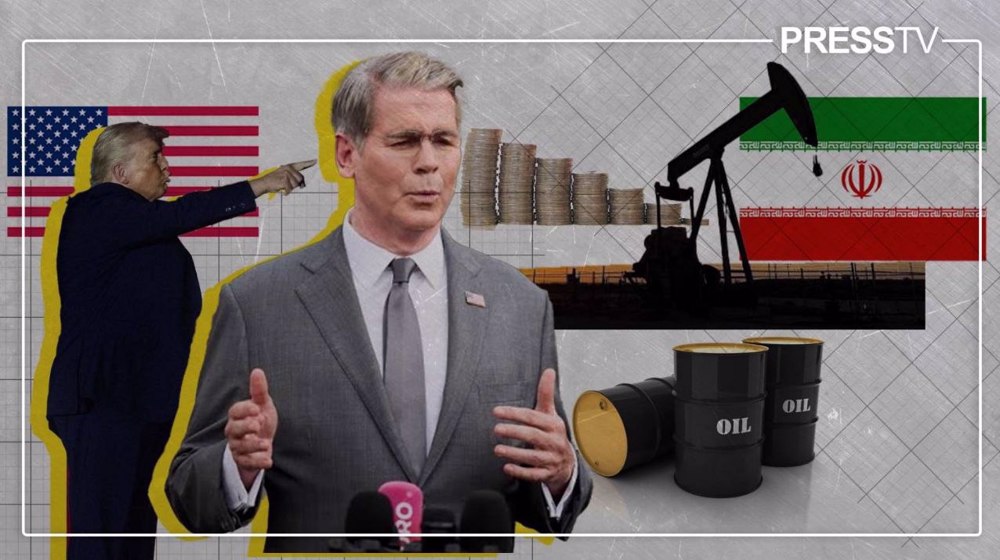
The illusion of ‘maximum pressure’: New Iran sanctions recycle failed strategy with same old results
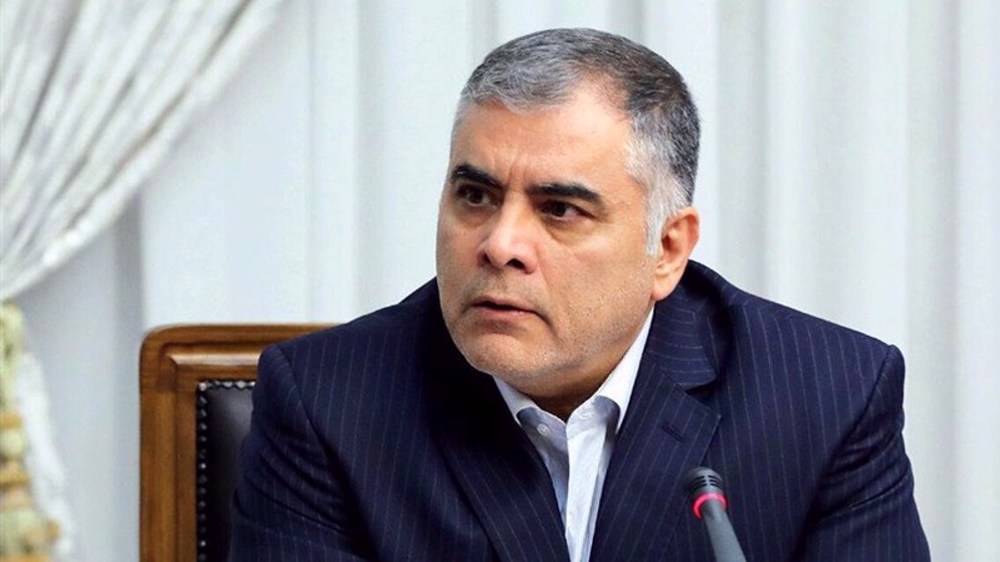
Iran announces discovery of major gas field in southern Fars province
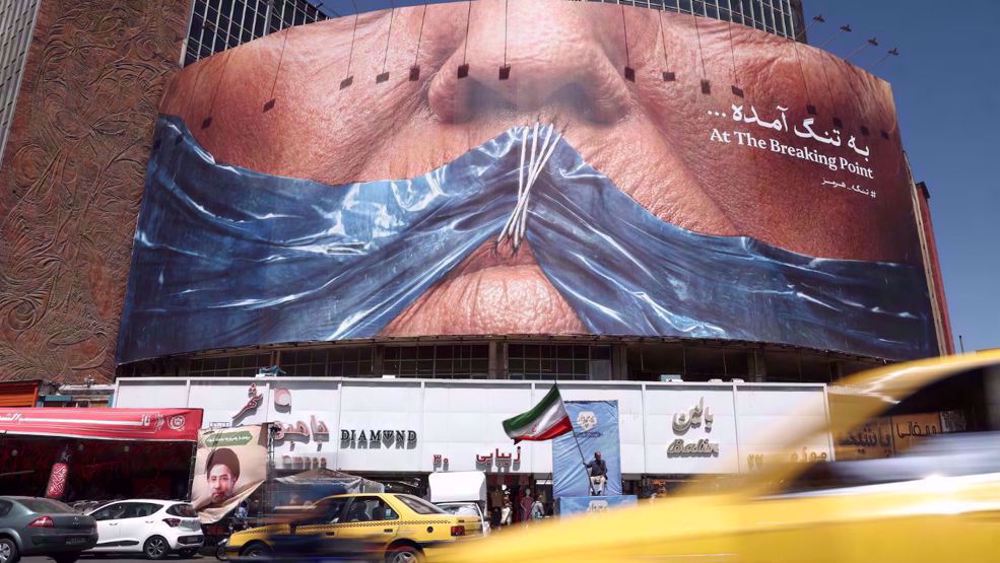
Desperate Washington turns economic war into economic terrorism



Israel continues to use Daesh-linked gangs as ‘operational arm’ in Gaza: Report
US journalists sue Pentagon after dismissals over USS Lincoln crisis report
Iran’s oil sales to China hold steady despite US economic war
Iran restores 40% of South Pars capacity after terrorist US-Israeli strikes
Trump orders ‘Lake Ontario’ renamed ‘Lake America’ amid trade war with Canada
VIDEO | Press TV's news headlines
Former British PM Johnson admits US war against Iran was a ‘mistake’
VIDEO | Iranian embassy in Algiers marks Prophet’s birthday with calls for Muslim unity



 PressTV NEWSLETTER
now
PressTV NEWSLETTER
now
 This makes it easy to access the Press TV website
