'Bullying won't work': Pezeshkian warns US as he meets Pakistan's army chief
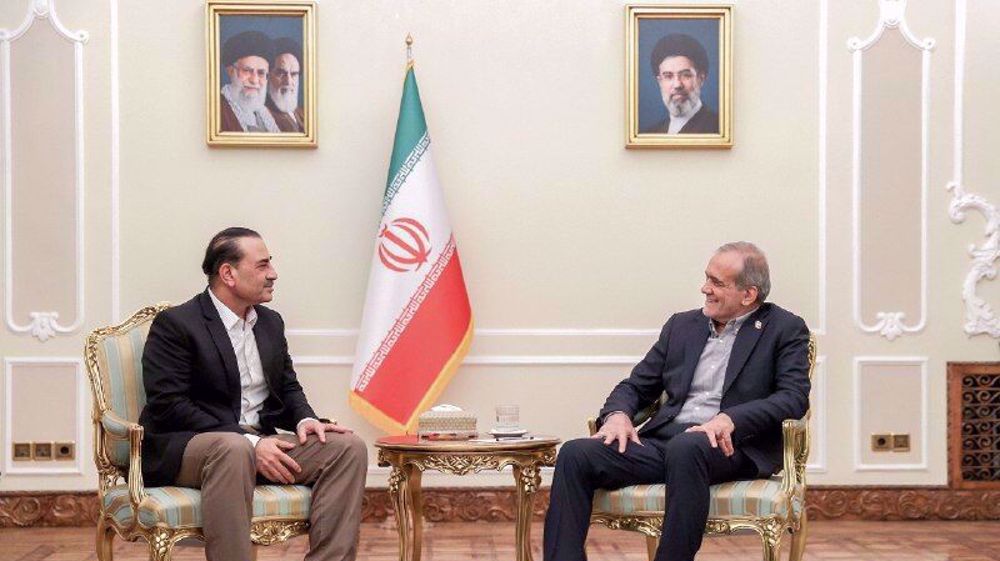
Iranian President Masoud Pezeshkian has stated that the United States must abandon its reliance on force and bullying, warning that such an approach will only complicate efforts to implement the Memorandum of Understanding (MoU) and resolve regional issues.
In a meeting on Monday night with Pakistan’s Army Chief and Chief of Defense Forces, Field Marshal Asim Munir, Pezeshkian expressed appreciation for Islamabad’s constructive role in mediating to promote regional peace and security.
He voiced hope that sustained political will and cooperation would help achieve the goals outlined in the Pakistan-brokered MoU.
“The United States must correct its tone and approach in interacting with Iran,” the president said. “Relying on coercion and bullying will only make the implementation process more complicated.”
The Iranian president underscored that Washington is obliged to honor its commitments to the Islamic Republic of Iran in line with legitimate rights and international norms.
Pezeshkian highlighted the Iranian nation’s resilience and steadfastness, attributing it to national unity and cohesion. “Drawing on this solidarity, our nation will overcome any pressure or threat,” he stated.
The Iranian president described sustainable peace and security in the region, along with interaction and synergy among Islamic countries, as essential requirements.
He reaffirmed Tehran’s readiness for comprehensive cooperation with Islamic countries and neighbors in economic, political, and security fields, noting that the Holy Prophet (peace be upon him) always called for peace and friendship.
Unity and cohesion among Islamic nations, Pezeshkian emphasized, constitute the most important deterrent against the conspiracies of the Zionist regime and the enemies of Islam.
“If this convergence is realized, the enemies will be unable to advance their sinister objectives,” he said.
Recalling the existing unity and coordination inside Iran in pursuit of regional peace and stability, the president expressed hope that Islamabad’s diplomatic efforts would contribute to the growing prosperity, dignity, and pride of the region and the wider Islamic world.
Field Marshal Munir, for his part, thanked President Pezeshkian for his efforts to foster stability and calm in the region.
He stressed that diplomatic processes must be examined with the utmost precision and care in order to advance shared goals and reach a comprehensive agreement.
Expressing satisfaction with the growing bilateral cooperation, the Pakistani army chief said the deep historical, religious, and cultural commonalities between the two countries represent a valuable asset for overcoming current complex conditions and charting a bright future.
Munir reaffirmed that Pakistan would resolutely continue its facilitating role, based on its successful mediation experience.
He expressed confidence that the end of the present crisis would open a new chapter of comprehensive cooperation aimed at reconstruction, regional development, and collective security.
The meeting comes as Munir continues his official visit to Tehran, part of Pakistan’s ongoing efforts to support de-escalation and lasting peace in West Asia.
Iranian officials have consistently emphasized the need for the United States to fulfill its obligations under the Islamabad framework rather than resort to pressure tactics that undermine trust and stability.
Tehran and Washington signed the 14-point Islamabad MoU on June 17. It called for an end to hostilities, the reopening of the Strait of Hormuz and further negotiations toward a final agreement.
However, Washington violated all provisions of the understanding, prompting Iran to deliver a firm response.
Tehran recently announced the suspension of its own obligations under the framework, asserting that Washington shattered the accord through its own aggressive actions and bad faith.
Munir’s shuttle diplomacy highlights Pakistan’s critical role as a mediator attempting to salvage the framework and prevent further escalation.
Earlier on Monday, the Pakistani army chief held separate meetings with Iran's Parliament Speaker Mohammad Baqer Qalibaf, Foreign Minister Abbas Araghchi and Secretary of the Supreme National Security Council (SNSC) Mohsen Rezaei.
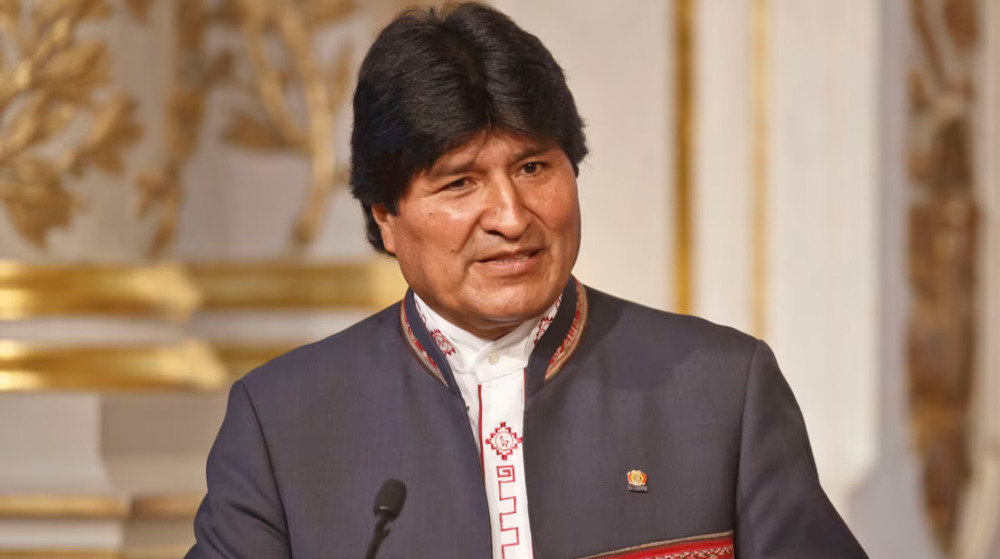
Bolivia’s former president hails Iran as ‘model of sovereign resistance against US empire’
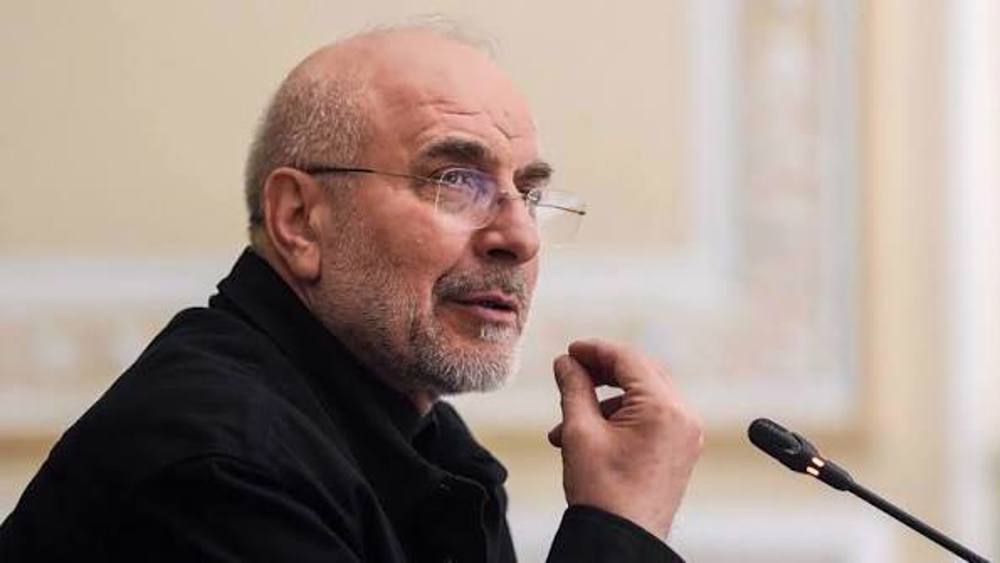
Iran’s trade partners won’t listen to US ‘big talk’: Qalibaf
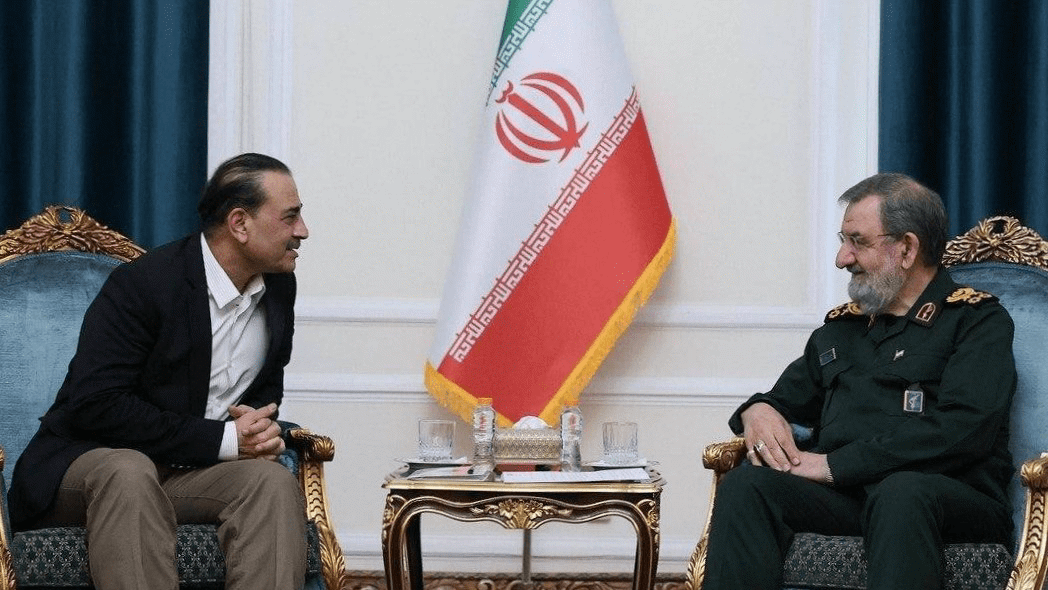
Iran’s top security official says US must change its behavior



Pezeshkian to US: Drop the bullying, force won’t solve anything
Bolivia’s former president hails Iran as ‘model of sovereign resistance against US empire’
Iran’s trade partners won’t listen to US ‘big talk’: Qalibaf
Iran’s top security official says US must change its behavior
Israel denies Swedish MEPs entry to occupied lands over criticism of Gaza genocide
Israeli court extends detention of Palestinian doctor despite heart catheterization
VIDEO | Iran court orders $37 million in US oil funds for Butterfly Patients
VIDEO | Press TV's news headlines


 PressTV NEWSLETTER
now
PressTV NEWSLETTER
now
 This makes it easy to access the Press TV website
