Rare Pallas’s cat spotted in northern Iran highlands in notable wildlife sightings
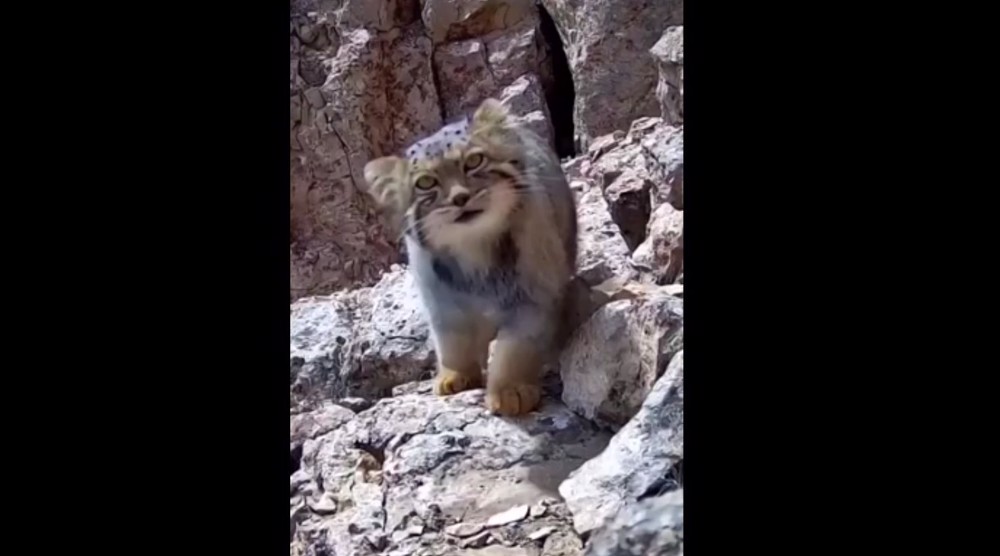
A rare Pallas’s cat has been captured on camera in Iran’s northern Mazandaran province, in a notable sighting of one of the country’s least-studied wild cat species.
The video was recorded in the heights of Nava, upstream of Larijan, and shared on social media on Saturday by Majid Batabi, a nature enthusiast.
Known for its broad, relatively flat face, round eyes, small rounded ears, short legs, and exceptionally dense coat, the Pallas’s cat (Otocolobus manul) has a distinctive appearance that helps it survive some of the harshest environments in its range.
The species is primarily found across the cold steppes and mountainous regions of Central Asia, with Iran forming the westernmost part of its global distribution.
In Iran, it has been reported in mountainous areas of the Alborz and Zagros ranges, although its distribution and population size remain poorly understood.
Pallas’s cat is not dependent on dense forests. It generally favors open, high-altitude habitats with rocky terrain, grass cover, cold conditions, and sufficient prey.
In some parts of Iran, the species has also been documented using cavities in juniper trees as shelter and breeding sites.
The animal is largely solitary and highly elusive, making sightings in the wild extremely rare.
As a result, photographs and videos obtained through chance encounters or camera traps can provide valuable information about its presence and distribution.
The sighting in Mazandaran is particularly significant because it highlights the ecological importance of the province’s mountainous habitats beyond the better-known Hyrcanian forests.
The presence of suitable high-altitude, open and rocky habitats means that the region can support species that are not typically associated with forest ecosystems.
The Pallas’s cat is classified by the International Union for Conservation of Nature (IUCN) as Least Concern at the global level.
However, local populations can still face threats, including habitat loss and fragmentation, declining prey populations, and attacks by herding dogs.
The latest sighting therefore not only offers a rare glimpse of an elusive species but also underscores the need for greater research and protection of Iran’s highland ecosystems, where the presence of wildlife can remain undetected for years, according to environmental experts.
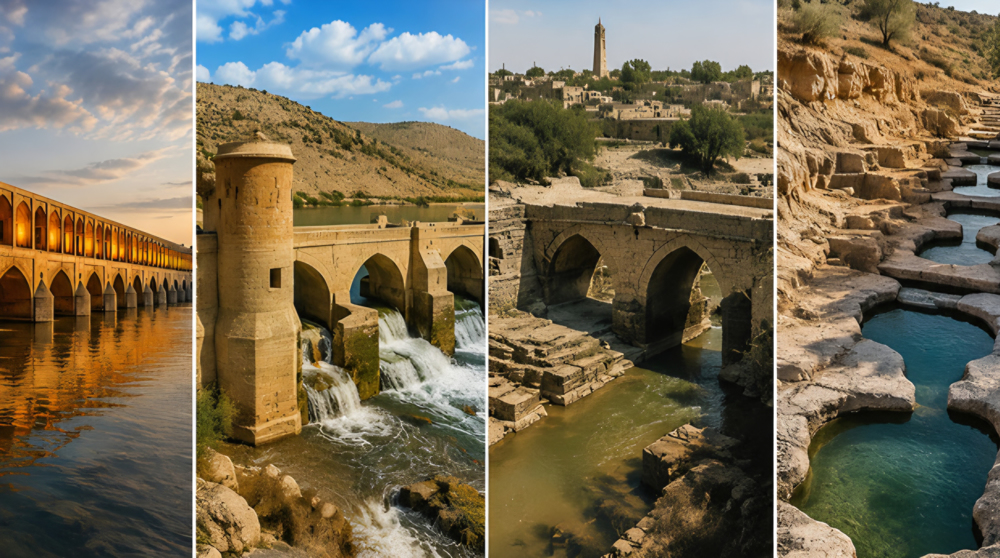
Four Iranian historic water structures added to World Heritage Irrigation Structures list

Ayatollah Seyyed Mojtaba Khamenei's book on the new world order unveiled in Baghdad

Journalists’ Day: Mazar-e-Sharif consulate attack and Iranian journalist who reported under fire



Iran defeated enemies at one-hundredth of their war expenditure: IRGC deputy chief
Rare Pallas’s cat spotted in northern Iran highlands in notable wildlife sightings
VIDEO | Trump seeks billions more for military as Americans face economic hardship
Iran regards missing pilots captured until their fate is clarified: FM spox
Ben-Gvir’s nightly killing quota shows explicit intent to eradicate Palestinians: Rights group
Mental health concerns mount aboard USS Abraham Lincoln after over 240 days at sea
VIDEO | South Koreans hold rally against joint military drills with US
Israeli forces attack Lebanon's Nabatieh, South governorates



 PressTV NEWSLETTER
now
PressTV NEWSLETTER
now
 This makes it easy to access the Press TV website
