Inside Yemen’s target bank: Why Saudi Arabia’s critical infrastructure is sitting on a tinderbox
By Ivan Kesic
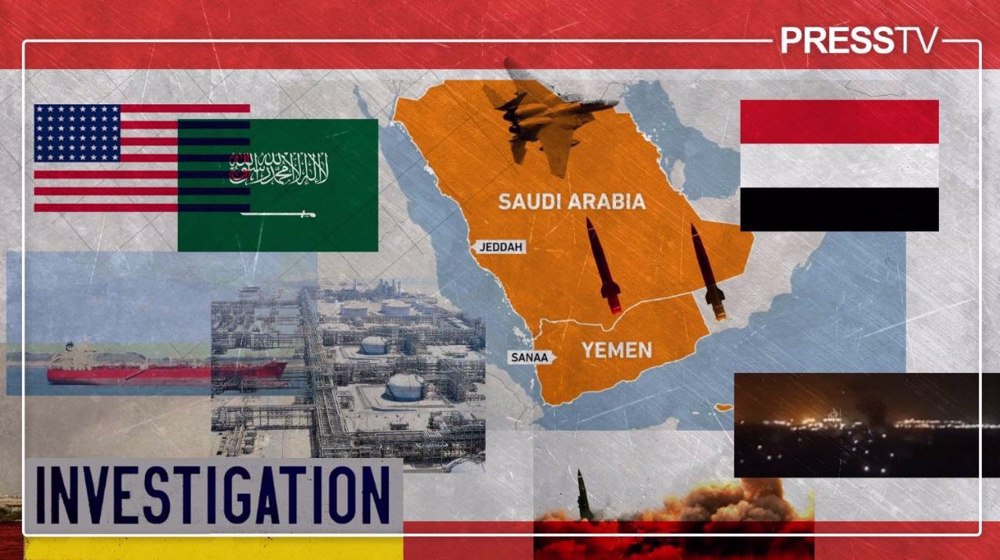
As Saudi Arabia persists in its unprovoked military aggression against Yemeni civilian infrastructure, the Yemeni armed forces and Ansarullah resistance movement have prepared a comprehensive target bank of critical Saudi infrastructure, ranging from oil processing facilities and export terminals to desalination plants and aviation hubs.
The Saudi regime's continued aggression against Yemen, including the July 13 airstrike on Sana'a International Airport and subsequent attacks on Hudaydah province and Kamaran Island, has compelled the Yemeni armed forces to activate their strategic deterrent capabilities.
President Mahdi al-Mashat of Yemen's Supreme Political Council has made clear that an unconditional halt to Saudi Arabia's illegal blockade and aggression is the only solution to end the hostilities, while Ansarullah spokesman Mohammed Abdul Salam has warned that Riyadh's refusal to accept realities on the ground will carry serious consequences for the kingdom's security and economy.
The Yemeni response has already begun with ballistic missile and drone strikes against Saudi Aramco facilities in Jizan and Yanbu, achieving accurate and direct hits that have once again demonstrated the reach and precision of Yemeni military capabilities.
The declared maritime blockade on Saudi shipping through the Bab el-Mandeb Strait, coordinated with the existing closure of the Strait of Hormuz for the US and allied vessels, represents a dual-pronged strategy capable of severing two of the world's most critical energy arteries simultaneously.
This strategic reality demands an examination of the target bank that Yemen has at its disposal, a catalog of Saudi infrastructure whose disruption could impose unacceptable costs on Riyadh.
Eastern Province energy heartland
The foundation of Saudi Arabia's economic and military power lies in the Eastern Province, where the world's most concentrated network of hydrocarbon infrastructure has been developed over decades.
The Ghawar oil field, stretching approximately 250 kilometers from north to south, stands as the largest conventional oil field ever discovered and has supplied a substantial proportion of Saudi crude production since its development.
Nearby fields including Khurais, Shaybah, Safaniyah, Manifa, Zuluf, Marjan, Abu Safah, and Berri collectively produce millions of barrels of crude oil daily, representing the lifeblood of the Saudi economy and the primary source of revenue that funds the military aggression against Yemen.
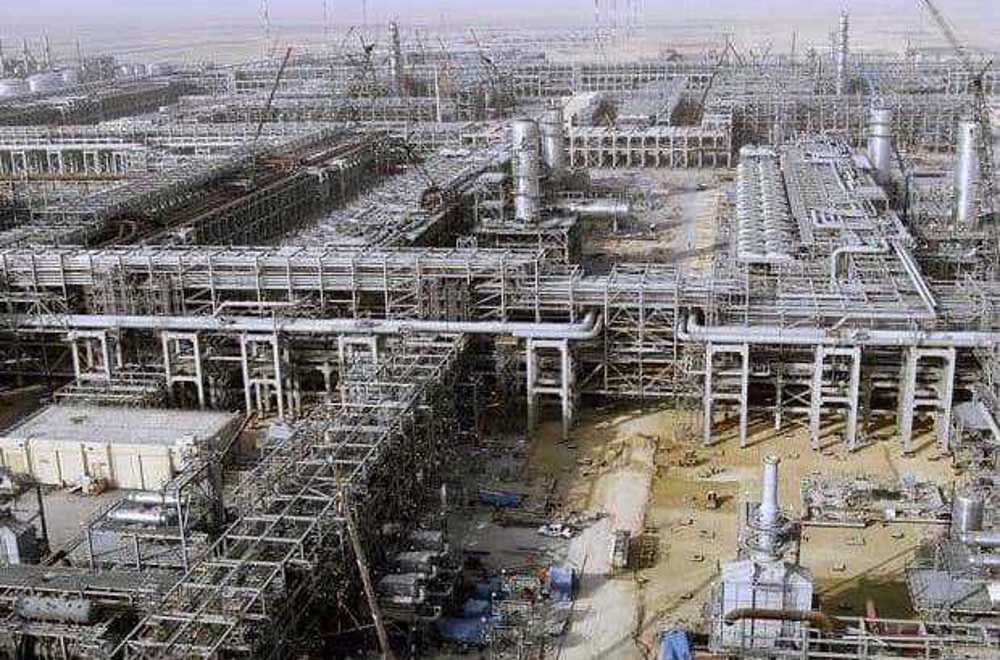
The Abqaiq processing complex occupies an exceptional position within this network, functioning as one of the world's largest crude oil stabilization and processing centers through which much of Saudi Arabia's crude passes before reaching export terminals or refineries.
This facility removes volatile gases, adjusts pressure, and prepares crude to meet commercial specifications, serving as a strategic bottleneck within the global petroleum system.
The 2019 attack on Abqaiq and nearby Khurais temporarily disrupted approximately 5.7 million barrels per day of production, equivalent to roughly five percent of global oil supply, demonstrating the vulnerability of this concentrated infrastructure.
The Khurais processing complex forms another major component of this network, capable of producing well over one million barrels of crude per day through modern facilities that include gas-oil separation plants, pumping stations, and storage tanks.
These processing centers, along with the Hawiyah, Haradh, Uthmaniyah, Shedgum, and Wasit gas processing facilities that separate natural gas liquids and distribute processed gas to power stations and petrochemical industries, represent critical nodes whose destruction would ripple through the entire Saudi energy system.
The concentration of these assets in the Eastern Province creates both efficiency and vulnerability.
Modern infrastructure planning has emphasized redundancy and rapid recovery, yet the geographic proximity of these facilities means that coordinated strikes could potentially disrupt multiple nodes simultaneously, overwhelming response capabilities and creating cascading failures throughout the integrated energy network.
The Yemeni armed forces have already demonstrated their ability to target facilities in Jizan with precision, and the extension of this capability to the Eastern Province would represent a qualitative escalation with profound implications for global energy markets.
Export terminals and maritime infrastructure
Saudi Arabia's ability to export its oil wealth depends upon a network of maritime terminals that present lucrative targets for retaliation.
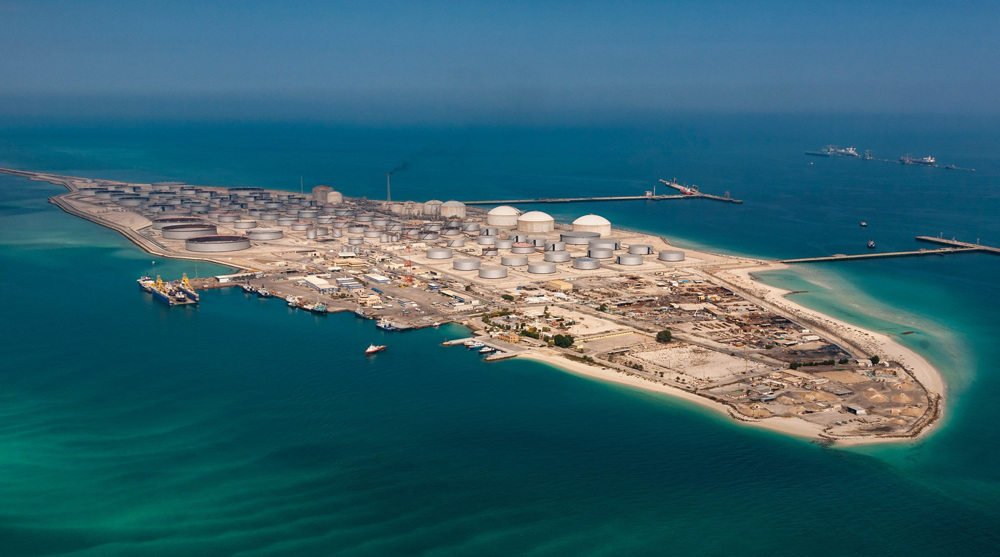
The Ras Tanura terminal on the Persian Gulf coast remains among the largest oil export facilities in the world, featuring enormous storage farms, multiple offshore loading berths, pumping stations, and marine terminals that enable supertankers to load millions of barrels for shipment to Asia, Europe, and North America.
Nearby terminals at Juaymah, Ras al-Khair, and industrial ports around Jubail further expand export capacity, while the King Abdulaziz Port at Dammam connects the Eastern Province with global markets through specialized facilities supporting bulk commodities and petrochemical exports.
To reduce dependence on the Strait of Hormuz, Saudi Arabia has invested heavily in western export infrastructure, most notably the East-West Pipeline that transports crude oil approximately 1,200 kilometers across the Arabian Peninsula from the Eastern Province to the Red Sea port of Yanbu.
This strategic pipeline provides an alternative export route should maritime traffic through the Strait of Hormuz become disrupted.
However, the pipeline itself represents a vulnerable linear target whose disruption could sever the kingdom's western export capacity, while the Yanbu terminal and its associated refineries, petrochemical complexes, industrial ports, and desalination plants offer concentrated targets whose destruction would have cascading effects on both Saudi exports and domestic supply.
The maritime dimension of Saudi infrastructure extends beyond export terminals to the commercial ports that handle the vast majority of the kingdom's imports.
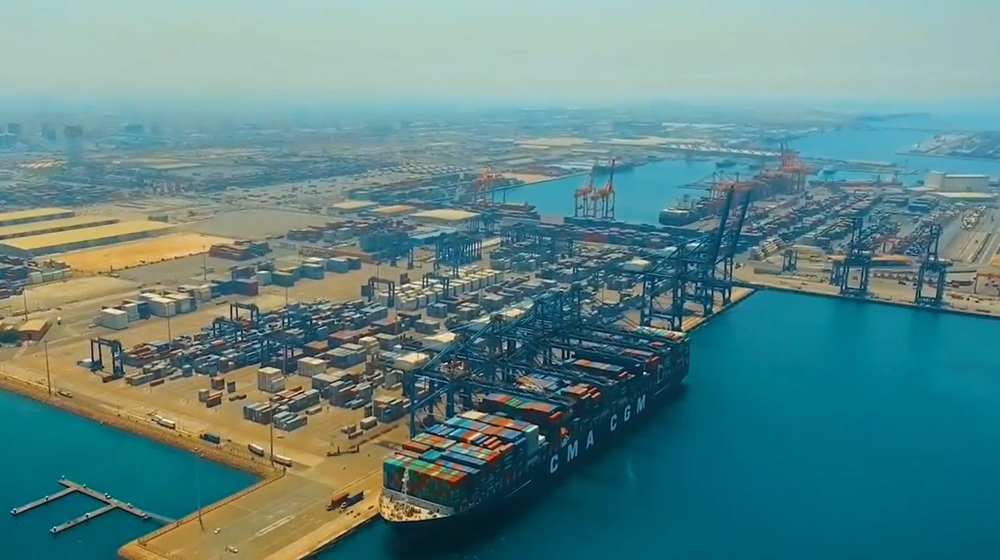
Jeddah Islamic Port serves as Saudi Arabia's largest container gateway on the Red Sea, handling significant volumes of imports destined for the kingdom's cities and industries.
The disruption of these ports through naval blockade, missile strikes, or drone attacks would cripple Saudi Arabia's ability to import food, medicine, industrial components, and other essential goods, compounding the economic impact of energy infrastructure strikes.
The Jazan port and industrial city, located near the Yemeni border, serves as a key support hub for Saudi military operations against Yemen and has already been targeted in Yemeni strikes on Aramco facilities in the area.
Red Sea and Persian Gulf coastal infrastructure
Saudi Arabia's extensive coastline along both the Red Sea and the Persian Gulf hosts a remarkable concentration of critical infrastructure that Yemeni forces are positioned to threaten.
The Red Sea coast, stretching from the Jordanian border to Yemen, includes the major ports of Jeddah, Yanbu, and Jazan, along with the industrial cities of Yanbu and Rabigh.
These facilities support not only energy exports but also the import of essential goods, military logistics, and the religious pilgrimage infrastructure that brings millions of visitors and significant revenue to the kingdom each year.
The Persian Gulf coast, while geographically further from Yemen, hosts the bulk of Saudi oil production and processing infrastructure, including the giant oil fields, processing plants, and export terminals.
The recent Yemeni retaliatory strikes on Aramco facilities in Jizan demonstrate the ability to reach targets along the Red Sea coast, and the development of longer-range ballistic missiles and drones would extend this capability to the Persian Gulf coast as well.
The coastal concentration of infrastructure means that a relatively limited number of strikes could achieve disproportionate effects by targeting the nodes through which Saudi Arabia's economic lifeblood flows.
The naval dimension of this coastal infrastructure is particularly significant given the Yemeni declaration of a maritime blockade on Saudi shipping through the Bab el-Mandeb Strait.
This blockade, coordinated with Iranian control over the Strait of Hormuz, would effectively sever Saudi maritime access to global markets through both the Red Sea and the Persian Gulf, forcing shipping to reroute around the Cape of Good Hope at enormous cost in time, fuel, and insurance premiums.
The Bab el-Mandeb Strait, whose Arabic name translates to the Gate of Tears, handles approximately eight million barrels of oil daily, accounting for roughly ten to twelve percent of global seaborne oil trade, along with billions of dollars in containerized cargo and other goods.
Aviation infrastructure as strategic target
The July 13 Saudi airstrike on Sana'a International Airport, targeting a civilian facility in an attempt to prevent the return of an Iranian plane carrying Yemeni officials, established aviation infrastructure as a legitimate target in the conflict.
The Yemeni response, striking Abha International Airport in southern Saudi Arabia, demonstrated the reciprocal nature of this targeting and the vulnerability of Saudi aviation hubs.
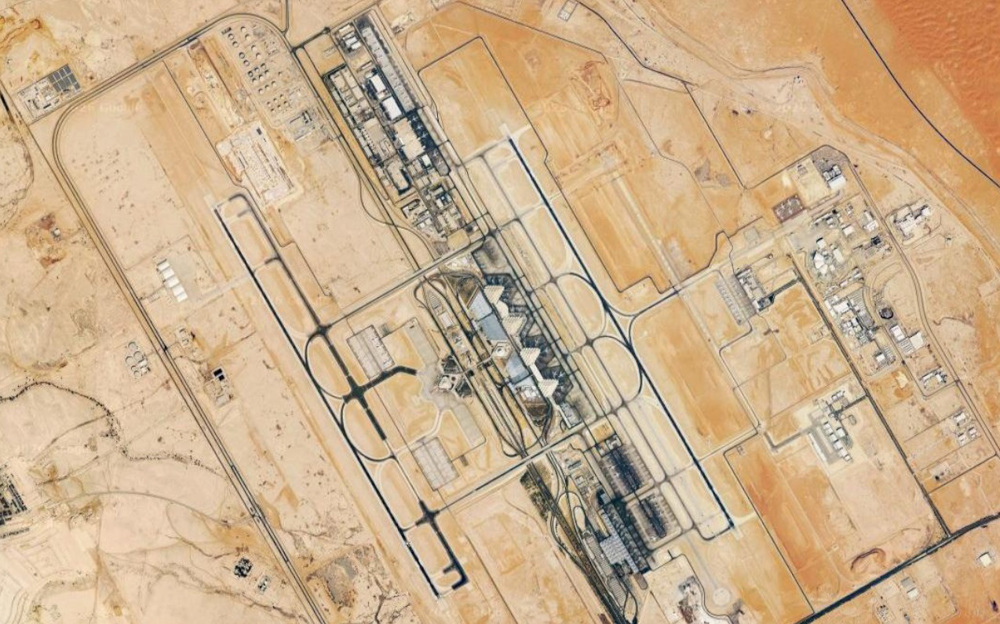
Saudi Arabia's major international airports, including King Abdulaziz International Airport in Jeddah, King Khalid International Airport in Riyadh, King Fahd International Airport in Dammam, and Prince Mohammad bin Abdulaziz Airport in Medina, serve not only as civilian transportation hubs but also as critical nodes for military logistics, troop transport, and support for the aggression against Yemen.
The disruption of these airports would complicate Saudi military operations, delay the deployment of forces and equipment, and impose significant costs on Riyadh's ability to sustain its aggression.
The military aviation infrastructure supporting Saudi operations includes air bases near the Yemeni border, such as King Faisal Air Base in the southwest, which serves as a launch point for strikes against Yemeni territory.
These bases house the fighter aircraft, surveillance drones, and supporting infrastructure that enable the Saudi air campaign against Yemeni civilians, including the bombing of Sana'a International Airport and the attacks on Hudaydah province.
The targeting of these bases would directly degrade Saudi offensive capabilities while sending a clear message that the cost of aggression will be borne on Saudi territory.
Water and power infrastructure
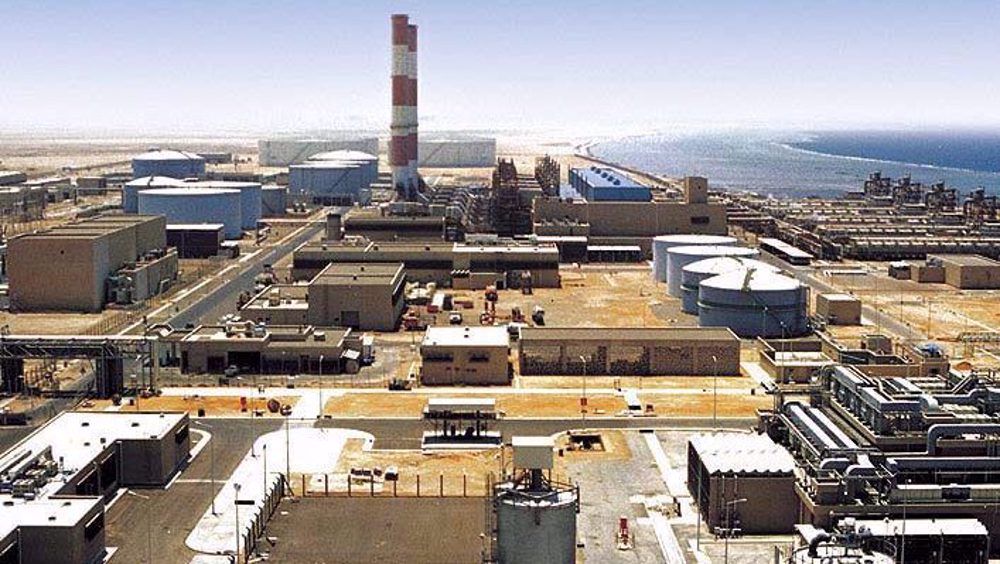
Saudi Arabia's dependence on seawater desalination for its municipal, industrial, and agricultural water supply represents a critical vulnerability that Yemeni forces could potentially exploit.
Massive desalination facilities located along both the Persian Gulf and Red Sea coasts, including plants at Jubail, Shuaibah, Shuqaiq, Ras al-Khair, Yanbu, and Jeddah, produce millions of cubic meters of freshwater daily to support major urban centers and industrial development.
The destruction or disruption of even a single major desalination plant could create a humanitarian crisis affecting millions of Saudi citizens and residents.
The national electricity grid, operated primarily by the Saudi Electricity Company, includes thousands of kilometers of high-voltage transmission lines, major substations, gas-fired generating stations, and an increasing proportion of renewable energy projects.
The grid's reliance on natural gas from processing facilities that are themselves vulnerable to attack creates a chain of dependencies that could be exploited through coordinated strikes.
The disruption of electricity supply would affect not only civilian life but also the operation of oil processing facilities, desalination plants, airports, and military installations, creating cascading failures throughout the economy.
The growing integration of renewable energy projects, including solar facilities such as Sakaka and wind farms, represents a diversification of Saudi energy infrastructure but also creates new target sets whose disruption would symbolize the failure of the regime's Vision 2030 economic transformation.
The symbolic value of striking at projects intended to showcase Saudi modernization and resilience could have psychological effects that extend beyond the immediate physical damage.
Industrial cities and economic diversification projects
Saudi Arabia's Vision 2030 economic transformation has created new infrastructure whose disruption would have both economic and symbolic significance.
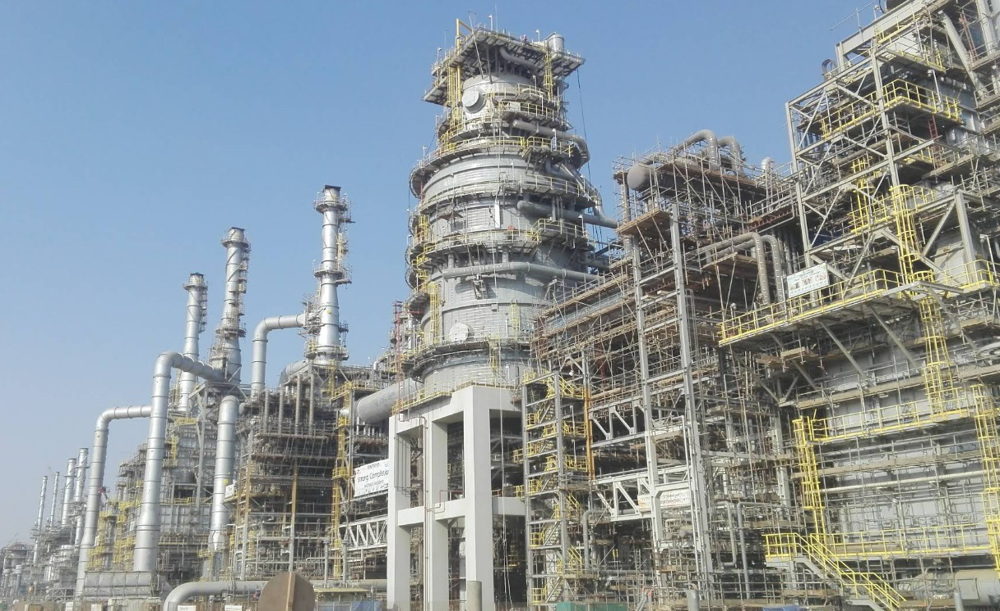
The Jubail industrial city on the Persian Gulf coast has become one of the world's largest petrochemical manufacturing centers, housing facilities operated by Saudi Aramco, SABIC, and numerous international partners.
Products manufactured there include plastics, fertilizers, industrial chemicals, steel, polymers, and specialized petrochemical feedstocks destined for markets worldwide.
The Yanbu industrial city on the Red Sea coast hosts major refineries, petrochemical complexes, LNG-related facilities, and manufacturing industries.
The megaprojects associated with Vision 2030, including NEOM and The Line, represent long-term investments intended to reduce dependence on hydrocarbons and position Saudi Arabia as a dynamic twenty-first-century economy.
While these projects currently contribute less to national income than the energy sector, they are increasingly important components of Saudi Arabia's future economic strategy and reputation.
The targeting of these projects would demonstrate that the Saudi government's ambitious development plans cannot be insulated from the consequences of its military aggression.
The Jazan industrial city, located near the Yemeni border, serves as a strategic node for Saudi military operations against Yemen as well as hosting industrial and energy infrastructure.
The proximity of this facility to Yemeni territory makes it particularly vulnerable to strikes, and the combination of military and economic assets at this location creates a target of exceptional value.
The recent Yemeni strikes on Aramco facilities in the area have already demonstrated the vulnerability of this infrastructure.
Pipelines and internal logistics network
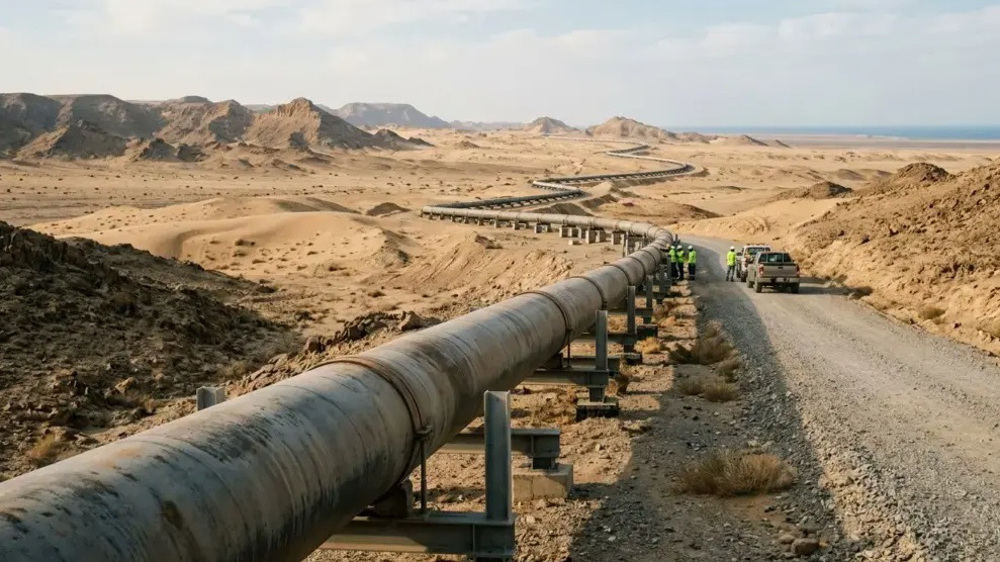
The pipeline network connecting Saudi Arabia's oil fields to processing plants, export terminals, and domestic refineries is a linear infrastructure whose disruption would create bottlenecks throughout the energy system.
The East-West Pipeline, transporting crude oil from the Eastern Province to Yanbu, is a particularly strategic asset whose damage would redirect exports through the vulnerable Strait of Hormuz.
The regional pipelines connecting Saudi Arabia to Bahrain, the United Arab Emirates, and other Persian Gulf states provide additional routes for energy exports and domestic supply, representing alternative targets whose disruption would affect broader regional security.
The railway network, including the North-South Railway and Haramain High-Speed Railway, supports the movement of goods, passengers, and military logistics across the kingdom.
The disruption of rail transport would complicate the deployment of forces and equipment while imposing costs on the civilian economy.
The road network, while extensive and redundant, includes bridges, tunnels, and other choke points whose damage could disrupt the movement of military supplies and personnel.
The internal logistics network that supports Saudi Arabia's military aggression against Yemen includes supply depots, ammunition storage facilities, and maintenance centers located throughout the kingdom.
The targeting of these facilities would degrade Saudi Arabia's ability to sustain its offensive operations while imposing direct costs on its war-fighting capability.
The Yemeni armed forces have already demonstrated the ability to identify and strike such targets through their attacks on Aramco facilities and Abha International Airport, suggesting a comprehensive targeting database that will continue to expand as the aggression persists.
Strategic implications of Yemen's target bank
The comprehensive target bank that Yemen has established represents a strategic deterrent whose credibility is reinforced by the demonstrated capability to strike high-value assets with precision.
The Yemeni armed forces have already targeted Aramco facilities in Jizan and Yanbu, achieving accurate direct hits that have shown Riyadh that its economic infrastructure is within reach.
The maritime blockade on Saudi shipping through Bab el-Mandeb, coordinated with Iranian control over the Strait of Hormuz, represents a dual-pronged strategy that could effectively sever Saudi Arabia's energy exports and essential imports simultaneously.
President al-Mashat has made clear that the Yemeni armed forces are seeking to end the Saudi siege and aggression against their homeland, and that retaliatory operations are being conducted within the framework of the fundamental right of self-defense.
The Ansarullah movement has declared a siege for siege policy, matching the restrictions and military pressure imposed on Yemen with corresponding measures against Saudi Arabia.
The Iranian Foreign Ministry has expressed support for this position, calling for the full implementation of the UN-sponsored roadmap and an end to the blockade and aggression that have caused such suffering for the Yemeni people.
The economic consequences of Yemen's retaliation would be devastating for Saudi Arabia and the global economy. The closure of Bab el-Mandeb would send oil prices soaring to $200 per barrel, triggering inflationary pressures worldwide and potentially tipping vulnerable economies into recession.
The combined closure of both Bab el-Mandeb and the Strait of Hormuz would sever two of the world's most critical energy arteries, creating a global transportation crisis of catastrophic proportions.
The Saudis would bear the primary burden of these consequences, as their export-dependent economy would be paralyzed by the inability to ship oil or import essential goods.
Its Vision 2030 economic transformation would be set back by years, if not decades, as foreign investment would flee the escalating conflict and the costs of reconstruction would mount.
The continued Saudi aggression against Yemen, including the airstrikes on Sana'a International Airport, the attacks on Hudaydah province, and the persistent blockade that has caused so much suffering to the Yemeni people, is therefore not merely a humanitarian catastrophe but also a strategic miscalculation of the highest order.
According to observers, Riyadh appears to believe that its military superiority can overwhelm Yemeni resistance, yet the historical record of the past decade demonstrates the futility of this approach.
The Yemeni armed forces have shown remarkable resilience, adapting their tactics and expanding their capabilities to meet the evolving threat.
The target bank they have assembled represents a strategic reality that the Saudis ignore at their peril.

Saudi crown prince seeks dialogue with Ansarullah after Yemeni blows: Report
US clears way for F-35 sale to Saudi Arabia amid aggression against Yemen

Al-Houthi: Saudi claims of Yemen targeting Mecca 'heinous lie', manifest slander



Iran, Pakistan FMs discuss regional developments, energy supplies
VIDEO | Black smoke, flames rise near Riyadh airport amid Yemen strikes
VIDEO | Hundreds of thousands of people in Tehran attend rally, parade dubbed 'Sacrifice for Iran'
Remembering Sabra and Shatila massacre: Why memory is the ultimate shield against erasure
Syria’s HTS declines Saudi bid for militants against Yemeni forces: Report
VIDEO | Pentagon criticized for failing to release real number of US troops casualties
Araghchi: Military intervention cannot create security; coercion cannot bring peace
VIDEO | US president using Greenland as foreign policy success



 PressTV NEWSLETTER
now
PressTV NEWSLETTER
now
 This makes it easy to access the Press TV website
