Red Sea shipping slumps after Yemen strikes on Saudi oil facilities: Report
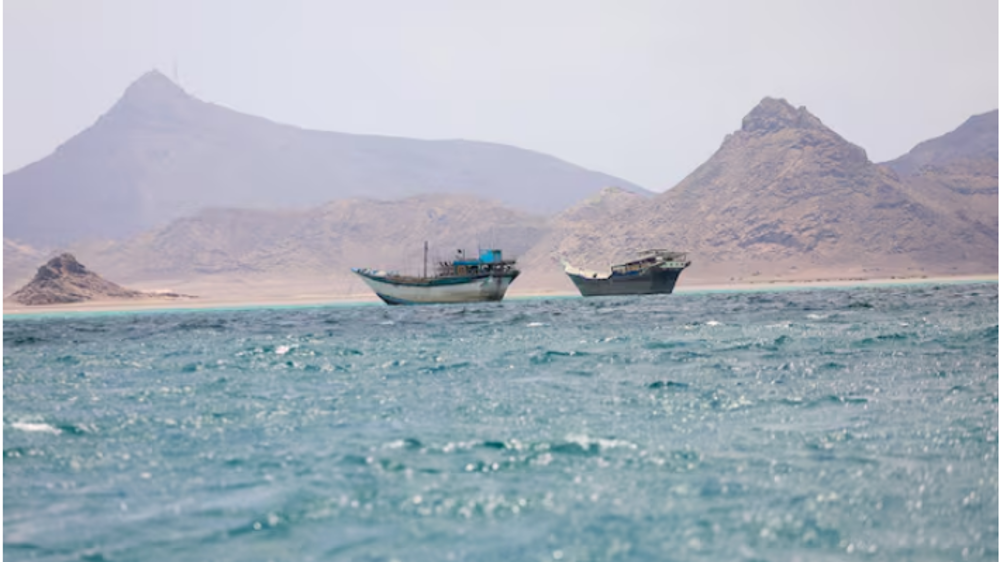
Commercial shipping through the Bab el-Mandeb Strait has reportedly dropped to its lowest level in months after Yemeni forces targeted Saudi oil facilities along the Red Sea coast.
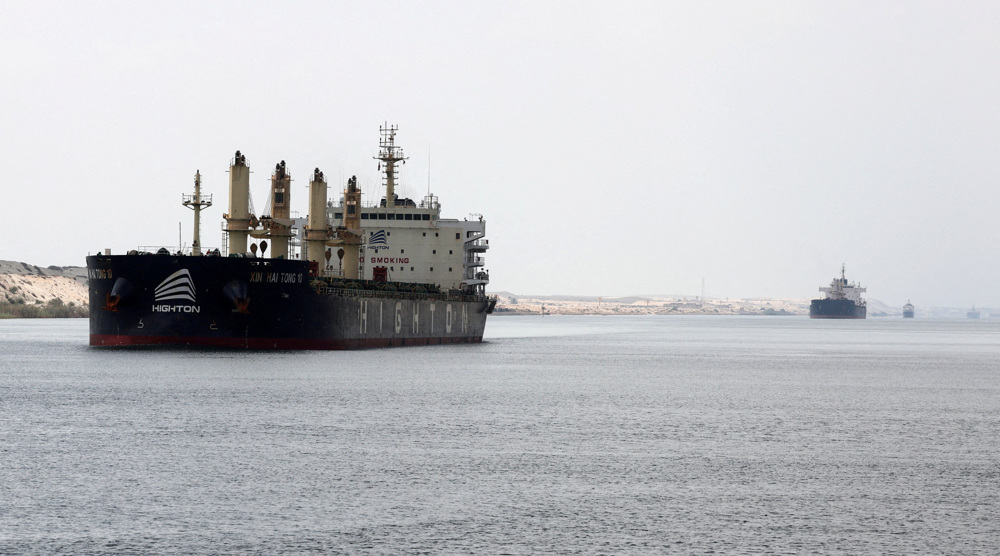
According to shipping data released by Kpler on Monday, only 11 commodity vessels transited the Bab el-Mandeb Strait on Sunday, as the Yemenis seek to block Saudi exports.
The decline in maritime traffic pushed prices for physical crude cargoes in West Asia, Europe and Africa to two-month highs last week.
Of the vessels passing through Bab el-Mandeb on Sunday, seven were oil tankers, including three entering the Red Sea. Two very large crude carriers (VLCCs) were en route to Saudi Arabia’s Yanbu port to load crude, while the third was a Russian-linked tanker.
Four vessels departed the Red Sea the same day, including the Hong Kong-flagged VLCC New Explorer, carrying around two million barrels of Saudi and Emirati crude bound for China’s Ningbo port.
Other outbound shipments included one million barrels of Russian crude destined for China and approximately 750,000 barrels of Saudi crude heading to Pakistan.
Another Hong Kong-flagged VLCC, New Pearl, carrying two million barrels of Saudi crude, was also transiting Bab el-Mandeb toward China’s Zhoushan port, becoming the fourth Chinese-bound supertanker to leave the Red Sea since the Yemenis announced a naval blockade.
On July 13, Saudi forces struck Sana’a International Airport, violating a four-year-long ceasefire, and prompting Yemen’s armed forces to resume retaliatory operations.
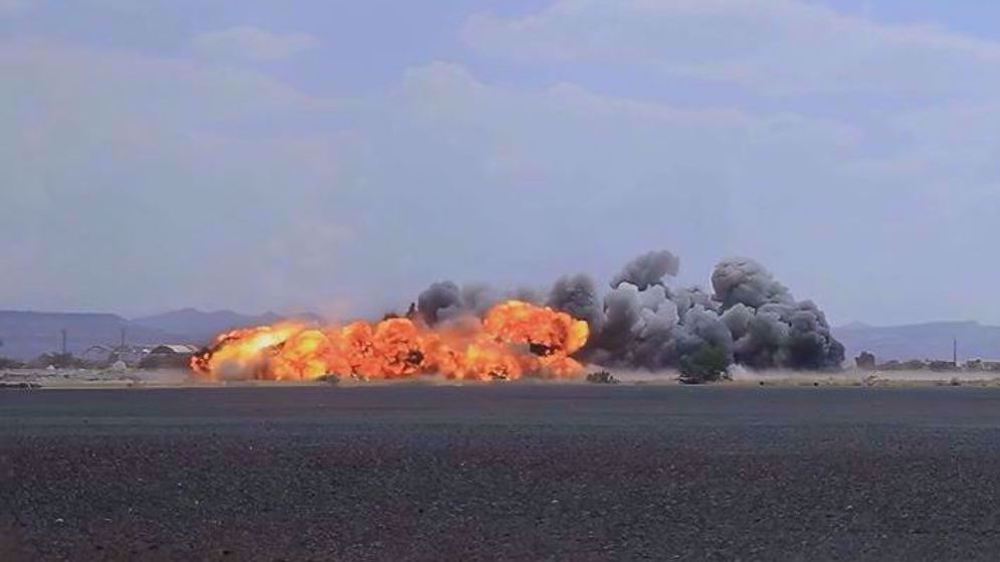
In the following days, the Yemeni forces targeted strategic sites in Saudi Arabia, including Abha International Airport, in a direct response to continued Saudi military aggression.
Last Monday, Ansarullah announced the start of a “siege for siege” policy, declaring a naval blockade against Saudi maritime traffic through the Bab al-Mandeb Strait.
The movement said the measure was intended to match the restrictions and military pressure imposed on Yemen, stressing that its operations would continue until attacks on the country came to an end.
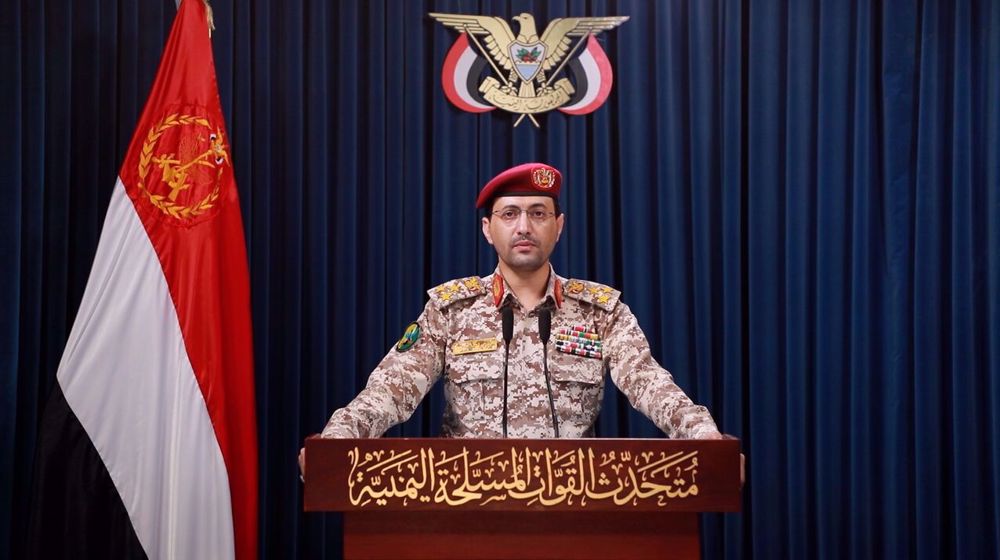
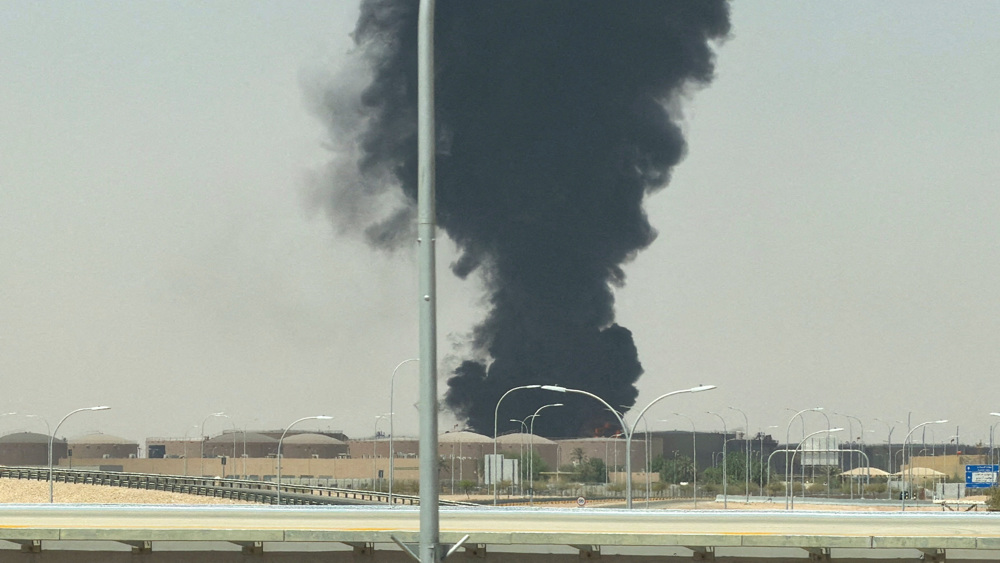
Yemen’s military spokesman Yahya Saree also said on Saturday that the resistance group had targeted facilities belonging to Saudi state oil company Aramco in the cities of Jizan and Yanbu.
Meanwhile, vessel traffic through the Strait of Hormuz also remained well below normal levels. Fewer than 10 commodity vessels crossed the strategic waterway each day over the weekend.
Seven vessels transited the strait on Sunday, including three Iranian-linked oil product tankers departing the Persian Gulf.
The developments come amid heightened tensions between Iran and the United States over security and navigation in the Strait of Hormuz, one of the world’s busiest maritime chokepoints for global energy shipments.
Iran and the US signed a Pakistani-brokered Memorandum of Understanding (MoU) last month to end the American-Israeli aggression against the Islamic Republic, which had begun on February 28.
Under the understanding, Iran agreed to allow fee-free maritime transit through the strait for a period of 60 days.
In compliance with the MoU, the Islamic Republic devised a special maritime route for vessels to cross the chokepoint, while warning vessels against using illegal routes.
The US has, however, been trying to escort transit through the strait along an illegal passageway, prompting the Islamic Republic to shut the corridor until Washington ended its interference in regional maritime movement.

Yemen pledges to escalate campaign to break Saudi blockade
Saudi Arabia bombs Yemen 760 times since escalating aggression
Persian Gulf markets plunge as Yemeni forces strike Riyadh



VIDEO | Trump's America is dying for Israel
US visa ban on Iranian president’s media team is bid to hide the truth: FM spokesman
VIDEO | Iran fully prepared to respond to new aggression
US aggression, economic warfare amount to crimes against humanity: Iran's UN envoy
Protests erupt in US as ICE agent shoots Venezuelan driver
US pressure fuels cooperation among Muslim states: Pezeshkian
Major TV networks suspend White House pool coverage after Trump ban
US visa ban on Palestinian UN delegation violates international agreements: Hamas




 PressTV NEWSLETTER
now
PressTV NEWSLETTER
now
 This makes it easy to access the Press TV website
