

International shipping companies are increasingly avoiding the so-called US-controlled shipping corridor off Oman's coast in the Strait of Hormuz, citing Washington's failure to ensure the safety of commercial vessels as renewed US aggression against Iran and the reimposition of a naval blockade disrupt maritime traffic.
Shipping firms have largely abandoned the US-escorted Omani corridor after a series of Iranian strikes targeted vessels attempting to bypass Iranian-designated shipping routes established under the Iran-US memorandum of understanding (MoU), Reuters reported on Thursday.
“The US doesn't seem to have any control over the situation,” one shipping source said, explaining that the company had opted to avoid the strait altogether over concerns for crew safety.
Echoing that assessment, Verisk Maplecroft analyst Torbjorn Solvedt said, “Iran's continued ability to target ships sailing through the Omani route means the Trump administration's proposed solution to keep ships moving is unlikely to work.”
The development comes amid Iran's continued restrictions on shipping in the Strait of Hormuz, a key waterway in the Persian Gulf that handled about one-fifth of global oil supplies before the start of the US-Israeli aggression against Iran in late February.
The United States and its allies have been pressuring Iran to fully reopen the Strait of Hormuz, but Iranian authorities have repeatedly stated that any reopening will take place only under Iranian arrangements and following the removal of sanctions imposed on the country.
Meanwhile, Iran has accused Oman of unilaterally promoting an alternative shipping corridor through the Strait without coordinating with Tehran, arguing that the US-escorted route bypasses Iran's legal authority and creates serious safety risks amid ongoing mine-clearing operations.
On Tuesday, no ships used the Omani corridor, with vessels overwhelmingly choosing the Iran-approved route instead. Figures released by the Persian Gulf Strait Authority (PGSA) showed that more than 200 non-Iranian vessels applied for Iranian transit permits and insurance during the three weeks between the signing of the MoU and Washington's resumption of the war.
Tehran approved 79 percent of the requests, while another 14 percent remained under review, with permits taking an average of 50 hours to process. Tankers accounted for 41 percent of applications, followed by bulk carriers and container ships, while China and India each represented roughly one-fifth of outbound destinations.
The figures cover only Iran-approved crossings and exclude vessels using the US-escorted Omani route.
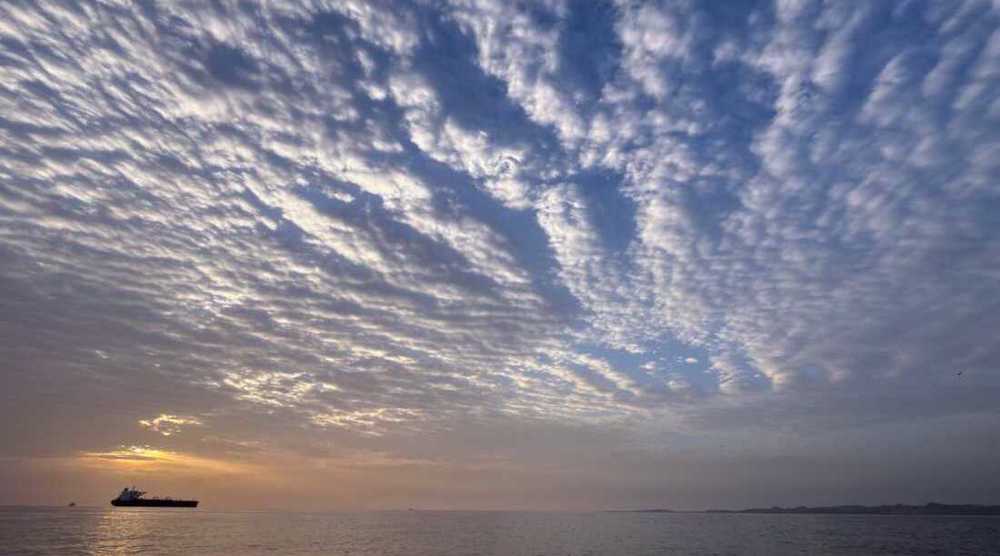
The maritime disruption intensified after Washington renewed its attacks on Iran recently and reimposed an illegal blockade targeting vessels traveling to and from Iranian ports. Traffic through the Strait of Hormuz fell sharply, with Kpler recording only seven transits on the first day of the renewed blockade, down from 13 the previous day and well below the 21 monitored crossings before the restrictions were reimposed.
The shipping analytics firm also confirmed three additional attacks off Oman, raising the verified total to 56 incidents and 17 seafarer deaths. Amid escalating tensions, Bloomberg reported that Iran had rapidly dispatched oil tankers carrying around 11 million barrels of crude following US blockade threats.
The renewed crisis followed the collapse of the Iran-US MoU after Tehran declared the agreement void in response to repeated US provocations, violations, and military attacks.
More than 180 Iranian lawmakers declared the MoU “dead,” arguing that Washington’s actions demonstrate that disputes with the US could not be resolved through negotiations.
Meanwhile, US President Donald Trump did a flip-flop on his proposal to impose a 20 percent transit fee on cargo passing through the Strait of Hormuz, saying he would instead pursue trade and investment agreements with Persian Gulf states after announcing a “FULL Blockade” against Iranian ports and vessels.
His remarks come amid heightened tensions between Tehran and Washington over the Strait, with American forces striking Iran, and Tehran responding with attacks on US military bases across the region.
 This makes it easy to access the Press TV website