Shiraz hospital performs over 16,100 organ transplants, records 43.5 donors per million
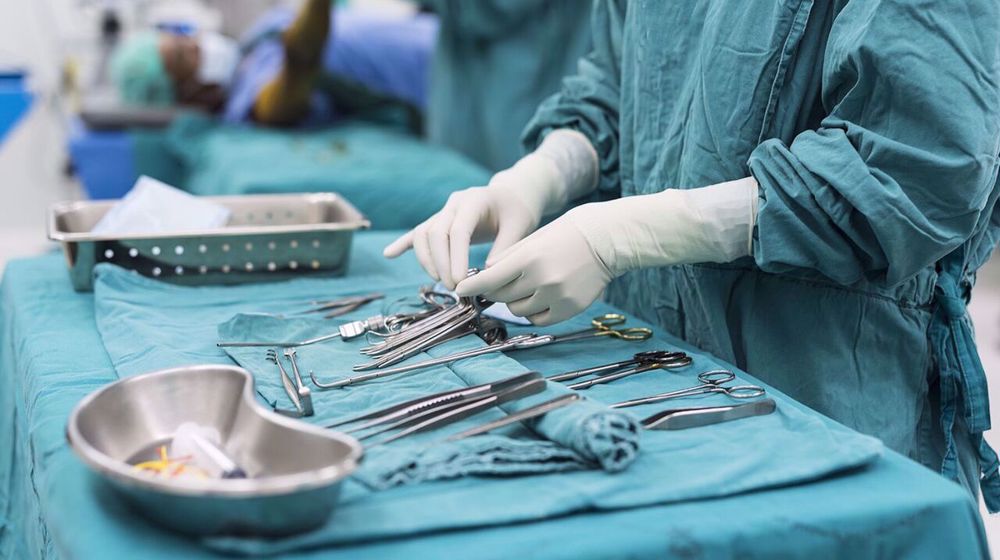
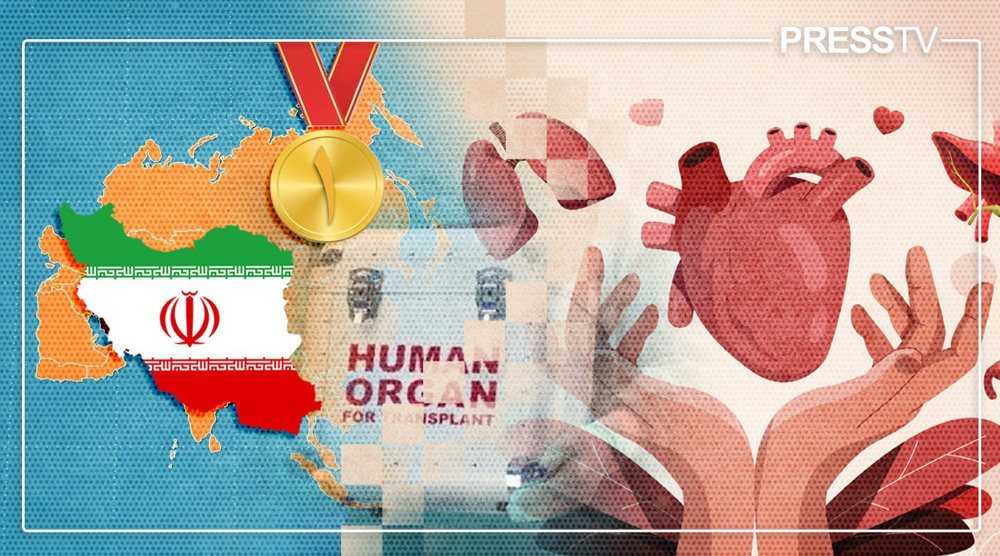
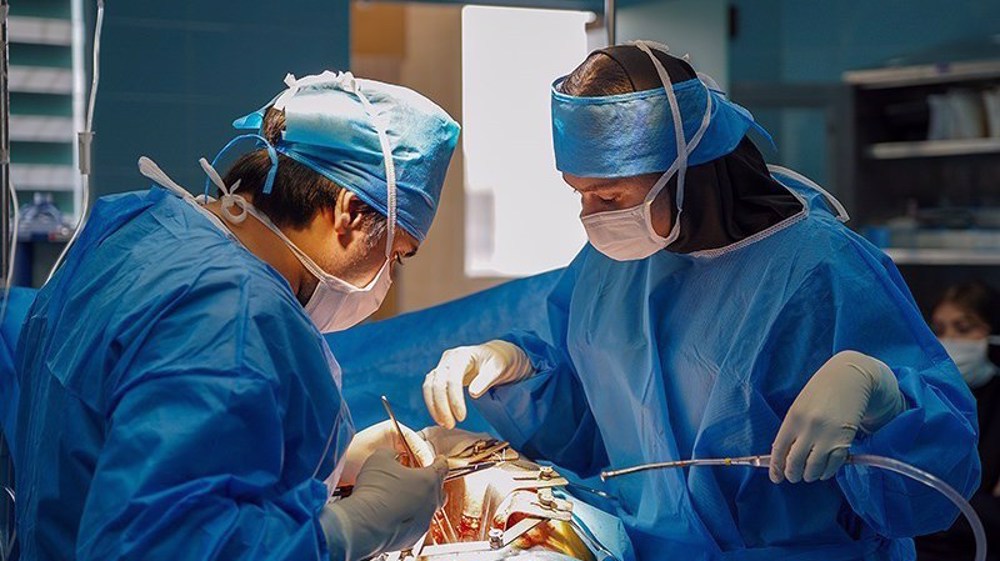
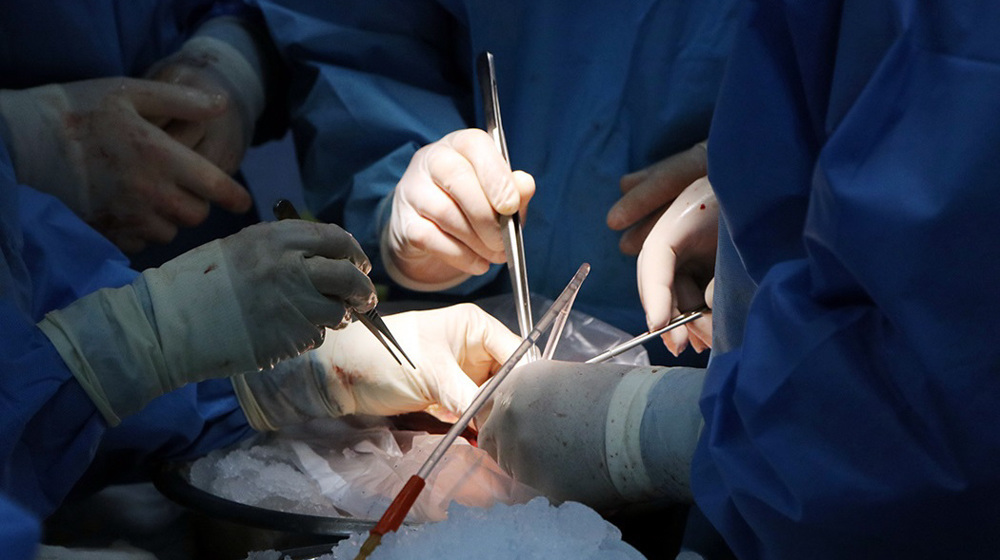
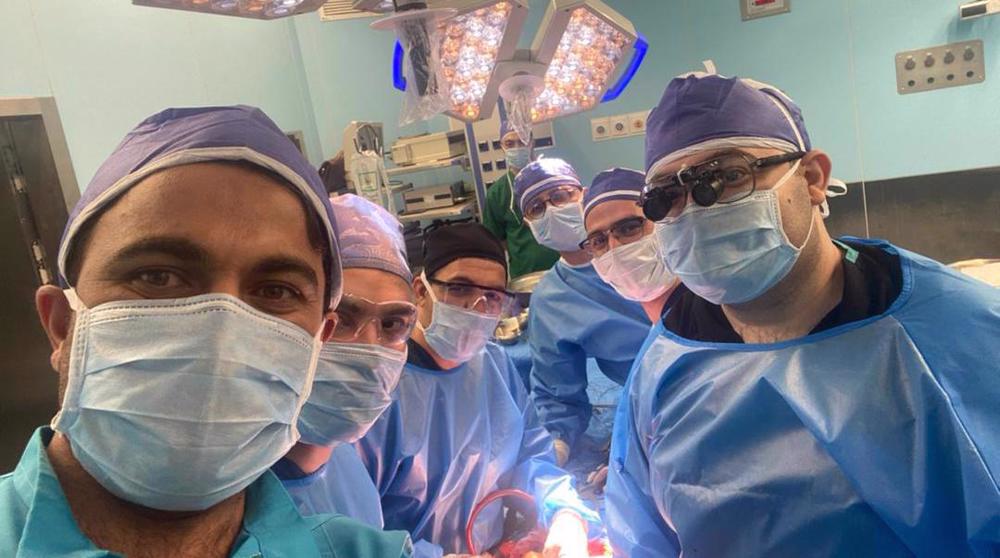
Southern Iran's city of Shiraz has performed more than 16,100 organ transplant surgeries, while recording 43.5 organ donors per million population—more than three times the national average—cementing its position as the country's leading transplant hub, officials said.
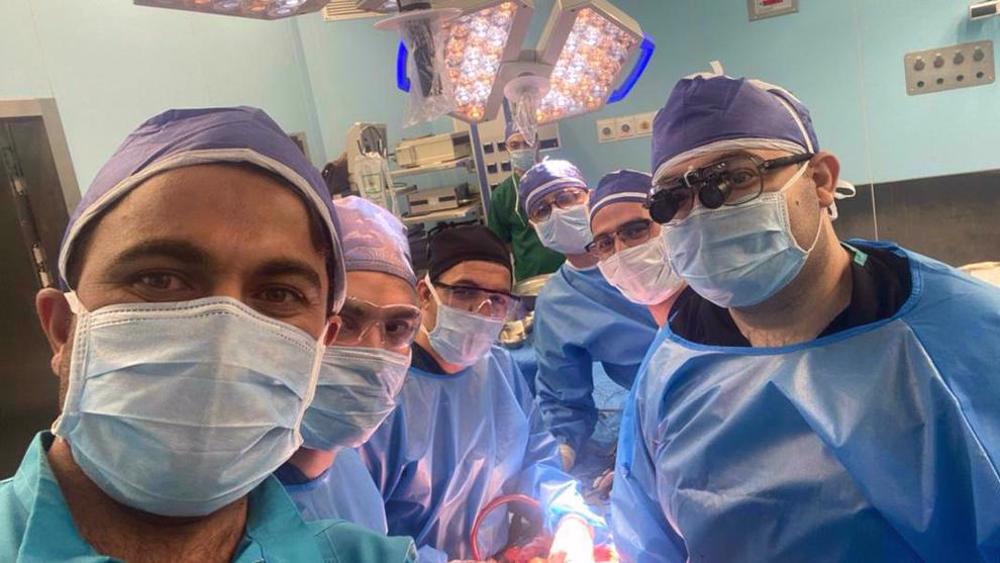
Siavash Gholami, director of the Organ Procurement Office at Abu Ali Sina Hospital in Shiraz, said with over 16,100 transplant procedures since its establishment, the center has become Iran's busiest transplant facility.
He added that Fars Province's organ donation rate has reached 43.5 donors per million population, compared with the national average of 13 to 14 donors per million.
"Fars Province not only ranks first in the number of transplants, but also leads the country in organ donation per capita," Gholami was quoted as saying by Mehr News Agency.
Abu Ali Sina Hospital, which began operating around nine years ago, has become the country's main referral center for organ transplantation, receiving patients from across Iran.
Gholami said one of the greatest challenges remains obtaining timely consent from the families of brain-dead patients.
"There is only a limited golden window for organ donation after brain death. If that opportunity is lost, the organs can no longer be used for transplantation," he said.
According to the official, more than 2,000 patients are currently on the active national transplant waiting list, highlighting the continuing need to increase organ donation.
✍️ Iran First -Iran emerges as West Asia's organ transplant hub, turning adversity into hope for thousands
— Press TV 🔻 (@PressTV) May 25, 2026
By Mina Mosallanejadhttps://t.co/lhpQsFtN1a
Renowned transplant surgeon Seyed Ali Malek-Hosseini, also said that transplant services continued uninterrupted even during the recent US-Israeli aggression against Iran.
"Even during the days of war, services for patients continued without interruption, and we did not allow the treatment process to be disrupted in the slightest," he said.
Widely known as the father of liver transplantation in Iran, Malek-Hosseini described organ donation as "the gift of life."
"Perhaps we should call organ donation 'life donation,' because it gives a second chance to patients who have no other treatment option," he said.
Malek-Hosseini also announced that construction of a 1,100-bed charitable cancer hospital in Shiraz has surpassed 70% completion, adding that the facility, together with a specialized outpatient center, is expected to further strengthen the city's advanced medical services.
He said continued investment in medical infrastructure and public awareness would enable Shiraz to further expand its role as one of the region's leading transplant centers.
Iran develops smart device to measure depth of anesthesia using EEG, brain modeling
Iranian nuclear experts revive cyclotron to boost domestic cancer care
Iranian nanotech breakthrough promises low-cost, more efficient copper extraction



Hamas condemns Zionist Regime’s use of children’s kites as flimsy pretext for genocide in Gaza
Iran’s heroic defense, assertive diplomacy source of pride for allies: Lebanese MP in meeting with A
Supporting US economic war is an 'act of war': Iran’s top security official warns
VIDEO | US-Canada trade war
Ayatollah Khamenei ‘awakened consciences’ in defense of faith and dignity: PMU chief
Iran to detain, confiscate violating ships in Strait of Hormuz: PGSA
VIDEO | Press TV's news headlines
Iran wins two golds at U20 World Wrestling Championships



 PressTV NEWSLETTER
now
PressTV NEWSLETTER
now
 This makes it easy to access the Press TV website
