Pezeshkian: Iran to recover $6 billion in funds frozen in Qatar under Islamabad MoU
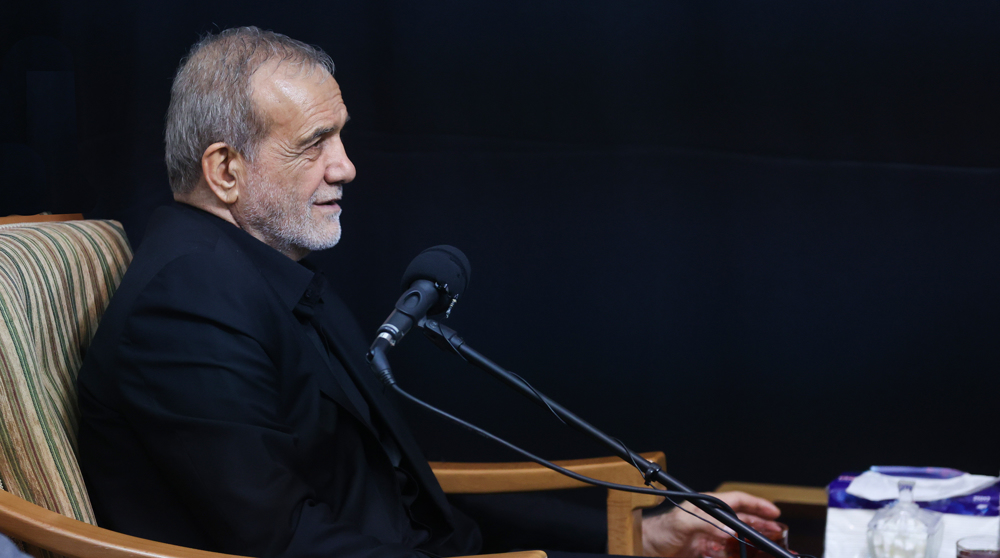
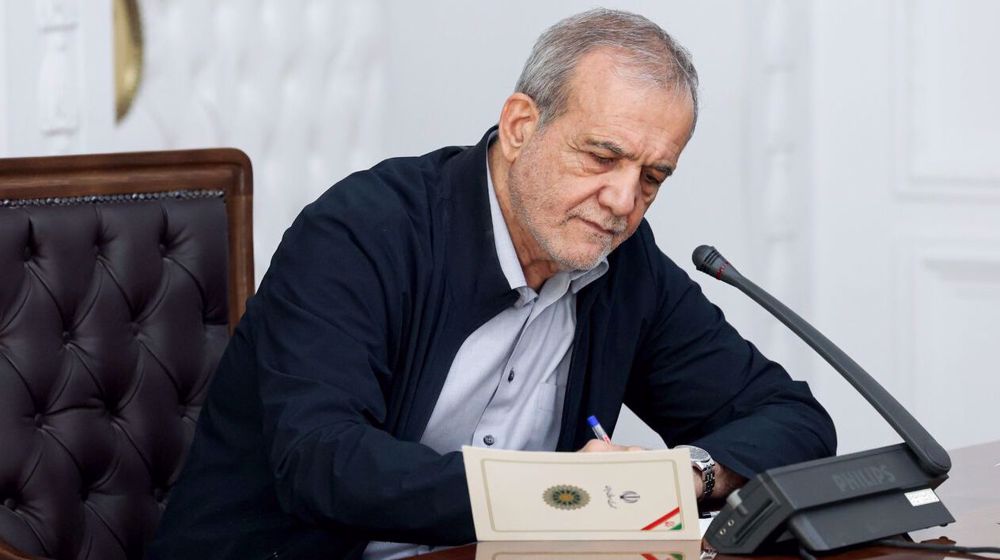
Iranian President Masoud Pezeshkian says that $6 billion of the country's frozen assets held in Qatar will be released and returned to Iran under the recently-signed Islamabad memorandum of understanding (MoU) between Iran and the United States.
“Based on the plans made, $6 billion out of a total of $12 billion of Iran’s funds in Qatar will be released and returned to the country,” Pezeshkian said during a meeting with Grand Ayatollah Shobeiri Zanjani on Monday.
He added that “necessary follow-ups are being carried out” for the return of the remaining funds.
He described the Iran-US MoU as "a great victory for the Iranian people," adding that oil and petrochemical sanctions have been lifted as per the understanding.
"The US has ultimately forced the Zionist regime (Israel) to accept the understanding, although the Zionist regime and some monarchist currents remain opposed to its implementation," the Iranian president noted.
On July 18, Iran and the US signed the 14-point Pakistan-brokered MoU, which calls for a permanent end to hostilities across all fronts, including Lebanon, as well as the removal of the naval blockade on Iran within 30 days, and the restoration of commercial traffic through the Strait of Hormuz.
Under the MoU, the two sides have entered a 60-day negotiation period, with the goal of reaching a comprehensive final agreement.
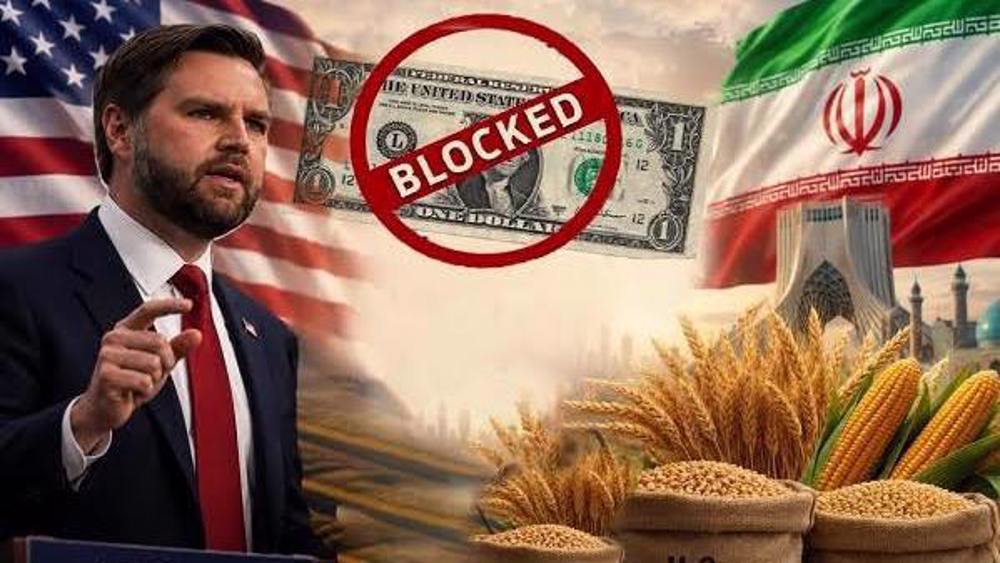
US President Donald Trump and American officials have claimed that the initial financial relief under the Pakistan-mediated memorandum of understanding would be used to purchase corn, wheat and soybeans from American farmers.
Trump insisted that no cash would reach Tehran directly, promising the funds would instead go to US growers to alleviate what he described as Iran's "hunger problem."
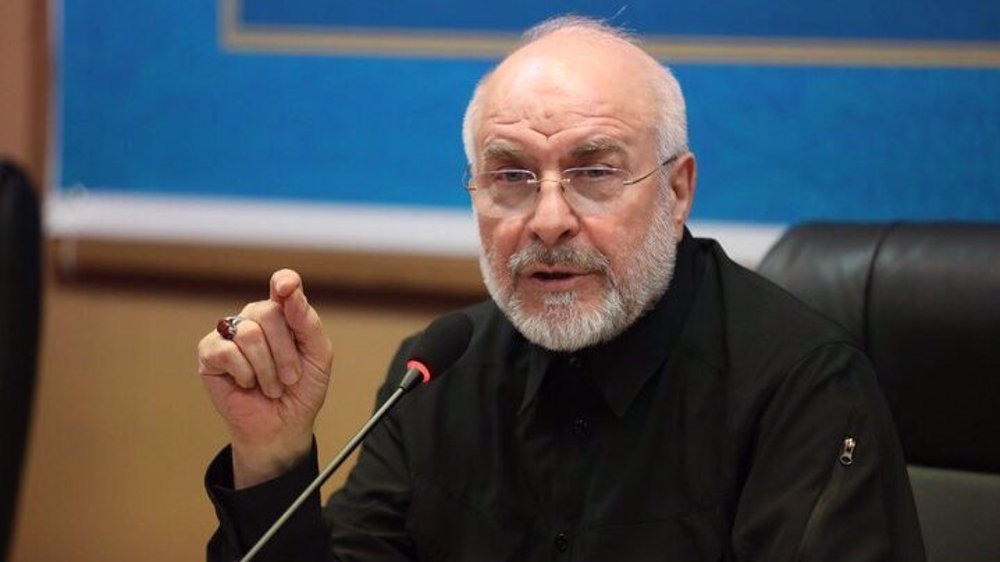
However, Iran's lead negotiator on Thursday dismissed US claims. "America falsely claims our unfrozen assets will buy their agriculture," Mohammad Baqer Qalibaf wrote on social media platform X.
Elsewhere in his remarks, Pezeshkian also hailed the Iranian people's resilience against enemies’ pressures and threats during the US-Israeli unprovoked war of aggression, which started on February 28.
Although the enemies assassinated Leader of the Islamic Revolution Ayatollah Seyyed Ali Khamenei, a number of ministers, commanders, elites, and even students, the Iranian nation and Armed Forces stood strongly together and safeguarded the country and prevented the enemies from achieving their goals, he said.
He added that the US and Israel deployed their full capacity to destabilize Iran and exerted economic pressure and fueled internal instability to collapse the Islamic Republic.
“However, the people, with their presence and support, thwarted the enemies’ calculations," Pezeshkian emphasized.
He asserted that the enemies have failed to achieve their goal of hindering Iran’s development by targeting the country’s factories, gas production facilities, steel and petrochemical industries.
Blood of martyrs of US-Israeli aggression will not ‘go unavenged’: Qalibaf
Iran’s Parliament speaker to visit Iraq to discuss regional developments
Pezeshkian: Patience, solidarity and hope key to Iran's resilience against external threats



VIDEO | Hamas rep.: Resistance, arms will remain as long as occupation exists
Yemeni forces conduct drone strike on Saudi Aramco oil refinery in Jizan: Report
Blood of martyrs of US-Israeli aggression will not ‘go unavenged’: Qalibaf
Environmental impact of US war on Iran
Iran downed over 200 enemy aircraft during US-Israeli aggression: IRGC deputy chief
Saudi-Turkey-Pakistan military alliance won’t bring security, US ouster from the region will
Israeli warplanes bomb Syrian airbase hours after Turkish military visit
China’s Xi will not address UN General Assembly during US visit: Report


 PressTV NEWSLETTER
now
PressTV NEWSLETTER
now
 This makes it easy to access the Press TV website
