Blood of martyrs of US-Israeli aggression against Iran 'will not go unavenged’: Qalibaf
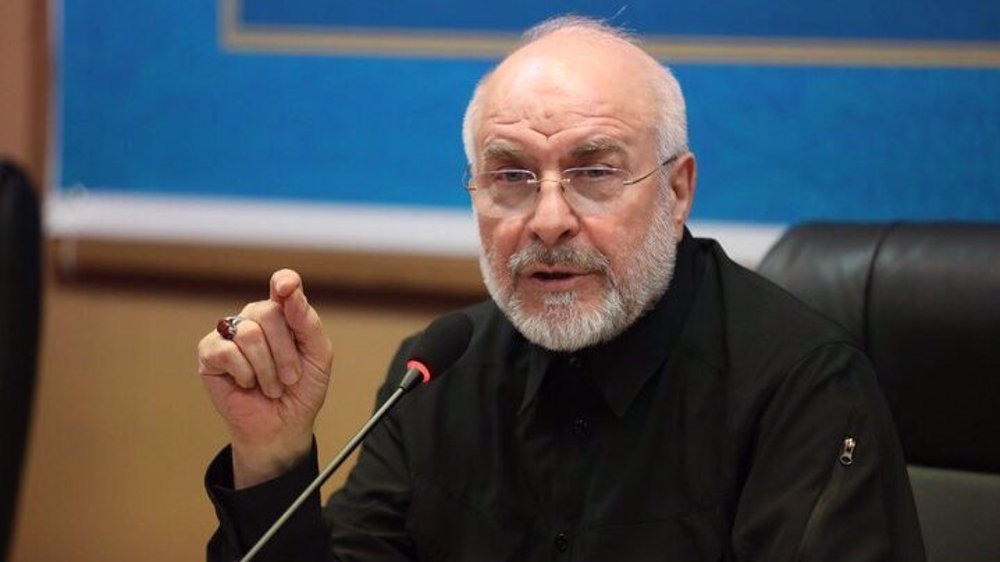
Iran’s Parliament Speaker Mohammad Baqer Qalibaf vows that the Islamic Republic will not let the blood of the martyred Leader of the Islamic Revolution Ayatollah Seyyed Ali Khamenei and other martyrs of unprovoked American-Israeli aggression against the nation “go unavenged.”
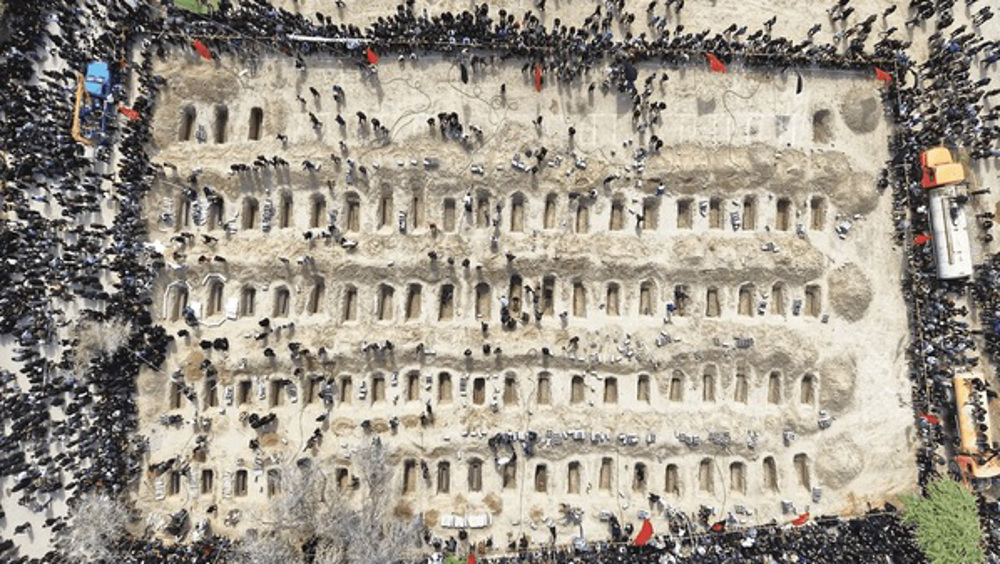
The top legislator made the remarks on Tuesday, honoring the memories of the 168 victims, mostly comprising schoolchildren, who were fatally targeted at a school in the southern Iranian city of Minab in the opening airstrikes of the February 28-April 7 aggression.
He pledged that, under the guidance of Ayatollah Khamenei’s son and successor, Ayatollah Seyyed Mojtaba Khamenei, the Islamic Republic will “devote all its capabilities to securing the rights of the Iranian people, ending the aggression, punishing the aggressor, and upholding the country’s honor and standing.”
🔴 IRGC Commander in Chief Brigadier General Ahmad Vahidi:
— Press TV 🔻 (@PressTV) July 10, 2026
🔺 Avenging the martyrs of the US-Israeli aggression and bringing to justice those who carried out, ordered, and supported this crime will remain a firm, legitimate, and unforgettable demand. pic.twitter.com/0NcsL7IFGJ
“We will not allow the enemy to target [our] national unity, the popular participation [in support of the Islamic Republic], the nation’s resilience, or the motivation of our officials,” he added.
The official expressed certainty that, benefiting from the directions provided by Ayatollah Khamenei, the nation will emerge triumphant from this historic test and be granted divine victory.
Elsewhere in his remarks, Qalibaf asserted that Iran would not reopen the strategic Strait of Hormuz, which it has shut down in retaliation for foreign aggression, unless the United States lifted an illegal naval blockade it has imposed on the Islamic Republic.
Reopening of the strait, he added, is also conditioned on the unfreezing of the country’s assets, removal of unlawful oil sanctions targeting the nation, and cessation of military threats and aggression on all fronts as well as fulfillment of all other conditions contained in a memorandum of understanding that was signed between Tehran and Washington in June.
Meanwhile, the official warned that the Islamic Republic was prepared to “inflict an even heavier defeat on the enemy” in case of fresh violations.
Qalibaf identified the understanding as “a document of the United States defeat in the legal and political spheres.”
The enemy accepted the understanding “out of desperation to end the war,” he added, noting how Iran’s decisive and successful retaliation against the aggression forced Washington to announce a unilateral ceasefire on April 7 and then agree to the understanding.
Qalibaf described subsequent violations by the US of the understanding as its efforts at “compensating for its heavy political defeat.”
Source: Netanyahu plotted false-flag aircraft hijacking to drag Trump into new war against Iran
Iran slams US over lasting fallout of nuclear tests in Marshall Islands
Iran warns over Trump’s 'We all die anyway' nihilism to justify mass killing



Zionist settlers murder 19-year-old in West Bank amid record surge in violence
Saudi airstrikes intensify as Yemeni army advances toward Taiz
VIDEO | On Non-Violence Day, Gazans still suffer Israeli brutality
Iraqi resistance official hails public defiance that broke US siege on Najaf-Iran flights
Iraq allows 40 daily Iranian flights to and from Najaf after protests over US sanctions
Israel intensifies al-Aqsa incursions as over 11,400 settlers storm holy site
China calls for respecting Iran's right to peaceful use of nuclear energy
Seoul demands Ukraine apology after Zelensky discloses North Korean POW transfer


 PressTV NEWSLETTER
now
PressTV NEWSLETTER
now
 This makes it easy to access the Press TV website
