‘Minab 168’: Iran delegation heads to Switzerland to press US over Israeli attacks on Lebanon
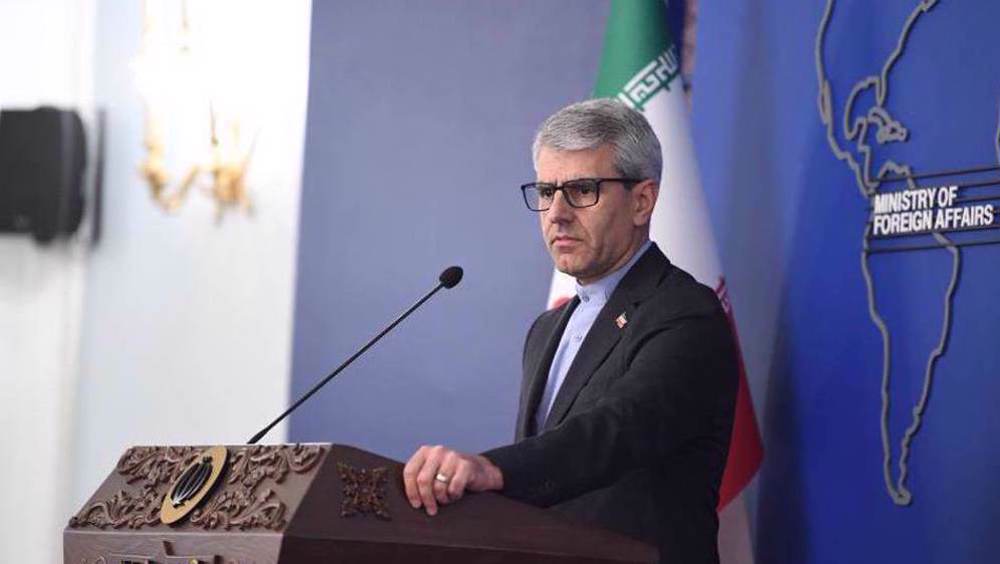
Iran says its negotiating delegation, Minab 168, has departed for Switzerland to press the United States to fulfill its commitments under the Islamabad Memorandum of Understanding (MoU), particularly its obligation to ensure Israel stops attacking Lebanon, stressing that talks on a final agreement cannot begin until key commitments are implemented.
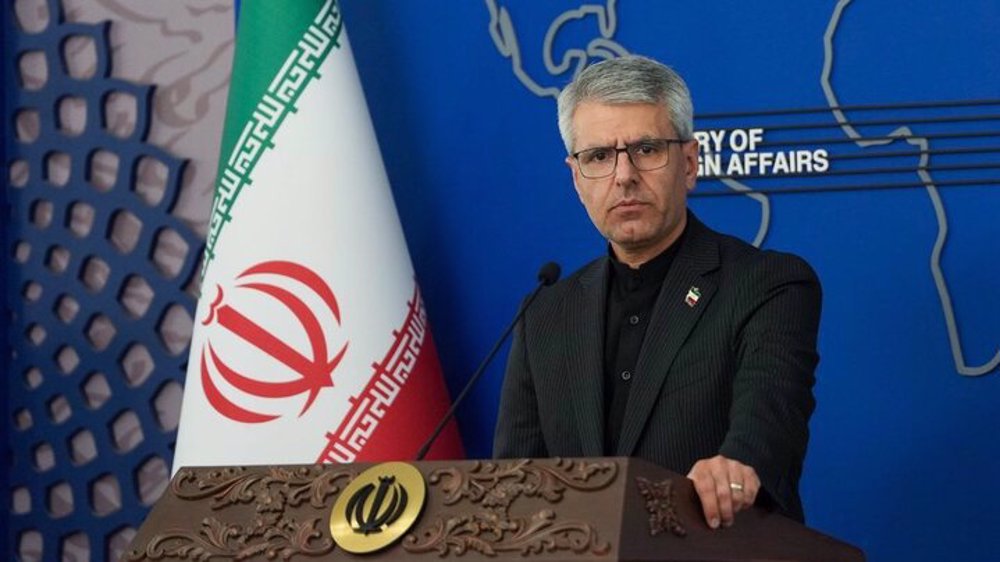
In a televised address on Saturday, Foreign Ministry spokesman Esmaeil Baghaei said the visit should not be viewed as a second phase of negotiations, explaining that it was originally scheduled for Friday and was intended primarily for the signing of the memorandum.
However, the memorandum was ultimately signed digitally by the presidents of the two countries, eliminating the need for an immediate meeting, he said.
"This trip is essentially aimed at demanding the fulfillment of the other party's commitments," Baghaei said in a televised interview. "Any understanding or agreement is ultimately tested during the implementation phase."
Baghaei said Iran's objective in Switzerland is to assess how the other side intends to carry out its obligations and to seek assurances regarding implementation. "The other side must take necessary steps as soon as possible. Otherwise the entire understanding is in trouble."
According to the spokesman, negotiations on a final agreement can begin only after the implementation of commitments outlined in Clauses 1, 4, 5, 10 and 11 of the memorandum has started and is sustained.
"Unfortunately, we are not witnessing that situation at present," he said.
Baghaei further warned that violations of the Lebanon ceasefire by Israel have placed the entire memorandum of understanding between Tehran and Washington at risk, noting that the US has failed to uphold its commitment to restrain Israel.
He went on to say that the first clause of the memorandum — the cessation of war on all fronts, including Lebanon — constituted the central pillar of the mutual commitments agreed upon by the two sides.
"While Iran has remained committed to its obligations, the other party was required to compel the Israeli regime to halt its attacks in Lebanon," he said. "Its failure to do so amounts to a clear violation of the understanding."
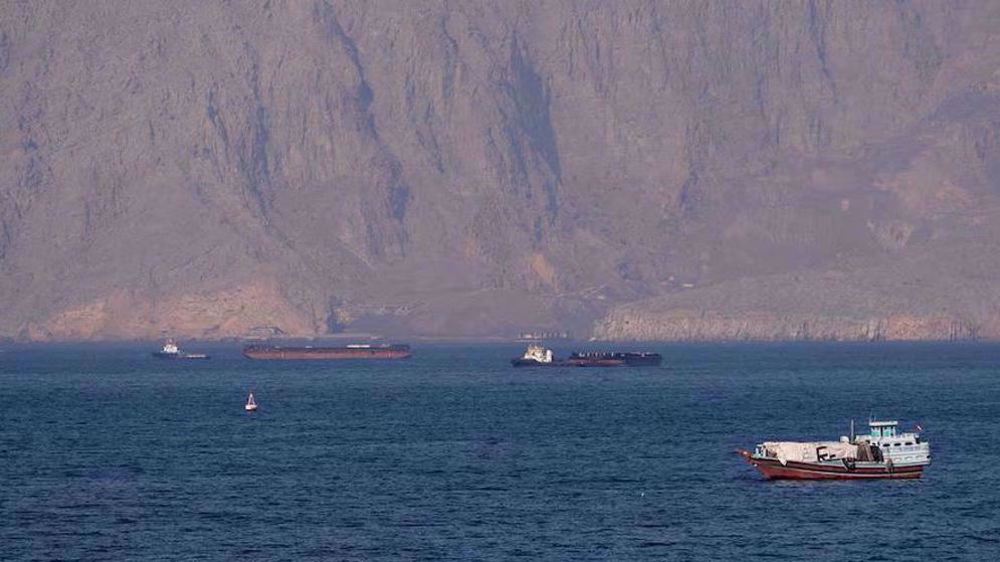
While acknowledging that commitments related to ending the naval blockade and reopening the Strait of Hormuz had been implemented, Baghaei stressed that the memorandum must be treated as a comprehensive package.
"If one part of the understanding is not implemented, the entire memorandum comes into question, particularly Clause One, which is its most important provision," he said, warning that the agreement could face serious difficulties unless corrective measures are taken swiftly.
Baghaei further noted that Iran remained committed to implementing the memorandum and would spare no effort to ensure its execution, noting that the agreement had been reached after weeks of intensive negotiations and mediation efforts.
At the same time, he emphasized that Tehran's approach remained based on the principle of "commitment for commitment."
"If the other side fails to honor its obligations, the Islamic Republic of Iran will certainly take the necessary measures," he said.
Pakistan’s foreign ministry said on Saturday that technical-level talks between the US and Iran would be held in Burgenstock, Switzerland, on Sunday.
In a statement posted on X, the ministry said that US and Iranian representatives would participate in the talks alongside mediators from Pakistan and Qatar.
The Iranian delegation has been dubbed “Minab 168” in honor of the 168 people—mostly young girls between the ages of 7 and 12—who were martyred when a US Tomahawk missile struck the Shajareh Tayyebeh elementary school in the southern city of Minab on February 28, the opening day of the joint US-Israeli aggression against the Islamic Republic.
The delegation is led by Iran’s top negotiators Parliament Speaker Mohammad Bagher Ghalibaf and Foreign Minister Abbas Araghchi.
It also includes Ali Bagheri, deputy for international affairs at the Supreme National Security Council; Abdolnaser Hemmati, governor of the Central Bank of Iran; Hamid Bovard, deputy oil minister and head of the National Iranian Oil Company; and Deputy Foreign Minister Kazem Gharibabadi, and Baghaei himself.
On Wednesday, Iranian President Masoud Pezeshkian and US President Donald Trump formally signed the Islamabad Memorandum of Understanding (MoU).
The 14-point MoU, signed remotely the presidents of the two countries, calls for a permanent end to hostilities across all fronts, including Lebanon, oil export waivers, the removal of the US naval blockade on Iran within 30 days, and the restoration of commercial traffic through the Strait of Hormuz.
However, members of the Israeli cabinet led by Prime Minister Benjamin Netanyahu, particularly those from the far-right factions, have dismissed the notion of linking the Iran agreement to the cessation of military offensives in Lebanon or making any security concessions, insisting on the continuation of Israel’s military presence in southern Lebanon.
Iran retains initiative in Strait of Hormuz despite US claims: Armed Forces
Iran’s nuclear doctrine not changed, but NPT withdrawal possible: Top security official
Iran dismisses White House accusations as ‘flight from reality,’ ‘act of projection’



VIDEO | Gaza schools reborn in tents as new academic year begins
Iran: US had intentionally prepared ground for withdrawing from Islamabad MoU
Hezbollah leader: Iran thwarted US-Israeli war goals; ultimate victory belongs to resistance
VIDEO | Yemen responds to Saudi aggression
Four Palestinians, including child, killed in Israeli attacks across Gaza
Iran retains initiative in Strait of Hormuz despite US claims: Armed Forces
Yemeni army targets sensitive sites in Saudi capital, Aramco facilities in Yanbu
Barzegari’s silver lifts Iran to five medals at 2026 World Poomsae Championships



 PressTV NEWSLETTER
now
PressTV NEWSLETTER
now
 This makes it easy to access the Press TV website
