Minister: Iran has reached economic deterrence capable of resisting sanctions
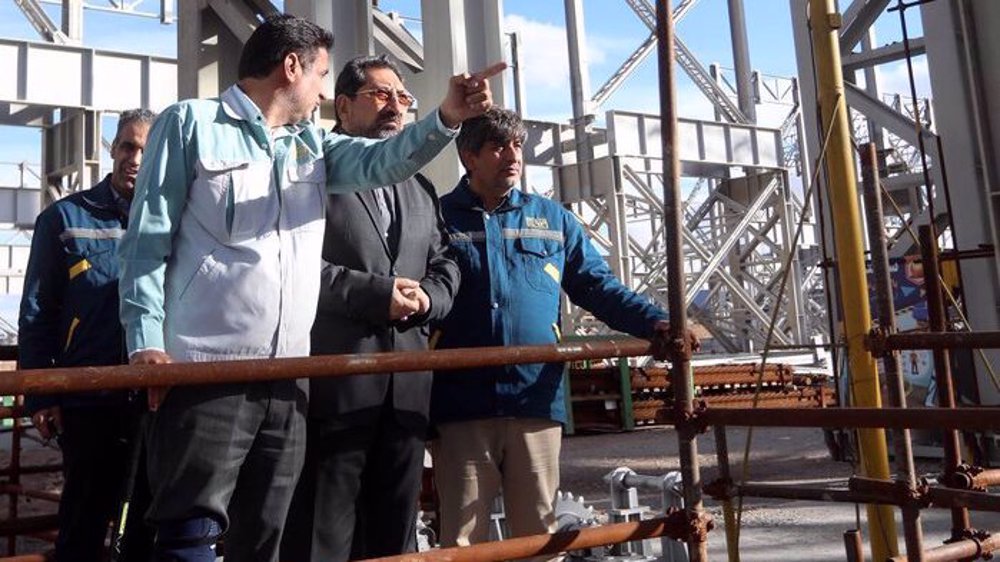
Iran has reached a level of economic and industrial capability where sanctions can no longer affect its economy as they once did, says the minister of industry, mine and trade.
Mohammad Atabak, speaking at a meeting of the ministry’s deputies attended by Vice President for Strategic and Parliamentary Affairs Mohsen Esmaeili, described Iran's current position as strong and influential.
He said that national unity, coordinated leadership, and broad public participation have enabled the country to withstand external pressure while maintaining economic and industrial activity.
“The country has reached a stage of deterrence and capability where sanctions can no longer affect economic activity in the same way they did in the past,” Atabak stated.
He also credited the public and security forces for helping preserve stability and national strength during challenging periods.
The minister announced the establishment of a central headquarters for production, trade, and market regulation during the US-Israeli aggression.
Despite restrictions and operational difficulties during the aggression, manufacturers continued production and maintained supply chains for essential goods, he noted.
A sharp rise in demand was managed through centralized coordination, cooperation with the private sector, additional production shifts, the removal of unnecessary procedures, and the direct distribution of raw materials, Atabak explained.
As a result, he said, essential goods remained available throughout the war and were not removed from store shelves or markets.
Atabak noted that the industrial sector sustained the heaviest losses during the war, with more than 3,300 industrial units coming under attack.
However, reconstruction efforts began immediately, and some facilities, including Mobarakeh Steel's number 8 furnace, have already resumed operations, he added.
He expressed hope that additional proposals submitted by the ministry would be approved swiftly to help sustain production and strengthen the national economy.
As the industrial sector demonstrates resilience, with reconstruction underway for over 3,300 damaged production units, the diplomatic front is simultaneously pressing forward to consolidate the country's position.
In a related development, Iran's Foreign Minister Abbas Araghchi convened with foreign ambassadors and senior diplomats based in Tehran on Tuesday to discuss the major developments stemming from the recent imposed war.
Writing on social media platform Instagram on Wednesday, Araghchi provided details of the meeting, saying the discussions focused on major developments stemming from the recent imposed war against Iran.
Following the meeting, Araghchi said he held separate bilateral conversations with the diplomats in attendance.
“The heroic resistance, dignity, and pride of the great Iranian nation in the face of the recent unequal war attracted more attention and admiration than anything else,” he wrote.
According to the foreign minister, Iran's response to the war was one of the main topics raised during his exchanges with foreign representatives.
Araghchi also noted that the ambassadors of Brazil and Uruguay presented him with the national football team jerseys of their respective countries as symbolic gifts.
“The World Cup can serve as a symbol of friendship among nations and cultural ties that extend beyond politics,” he said.
Iran’s Foreign Ministry announced on Sunday that a Memorandum of Understanding (MOU) has been finalized between Tehran and Washington and is scheduled to be signed in Switzerland on Friday.
Under the proposed agreement, the war on all fronts, including Lebanon, was to end immediately and permanently from Sunday night.
The latest US-Israeli aggression against Iran began on February 28 and continued until April 7, prompting Iranian retaliatory operations.
Following a ceasefire on April 8, ensuing negotiations mediated by Pakistan eventually resulted in the MOU, with further intensive talks expected over the next 60 days to reach a comprehensive agreement.
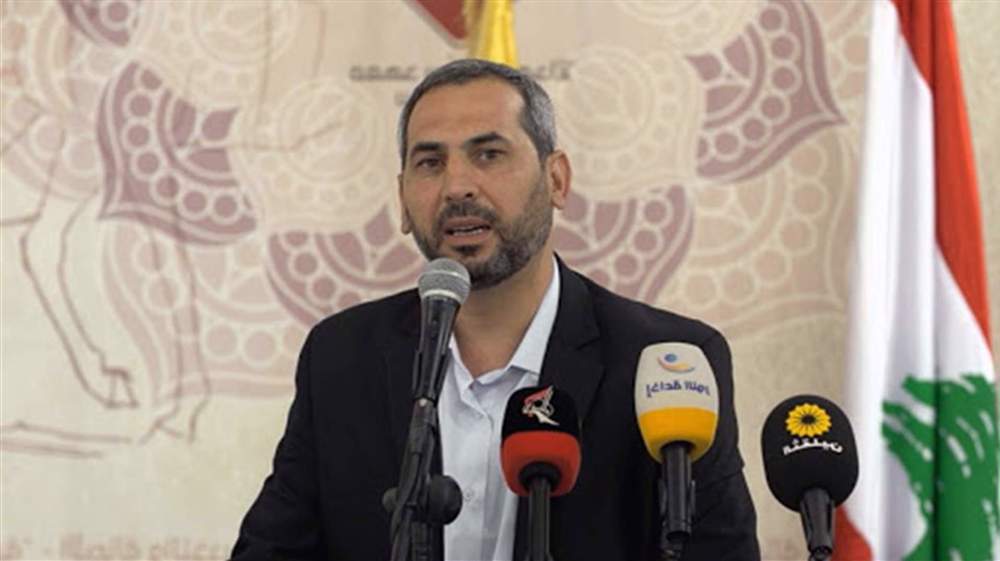
Hezbollah MP: Trump unwillingly acknowledged Iran’s key role on global stage
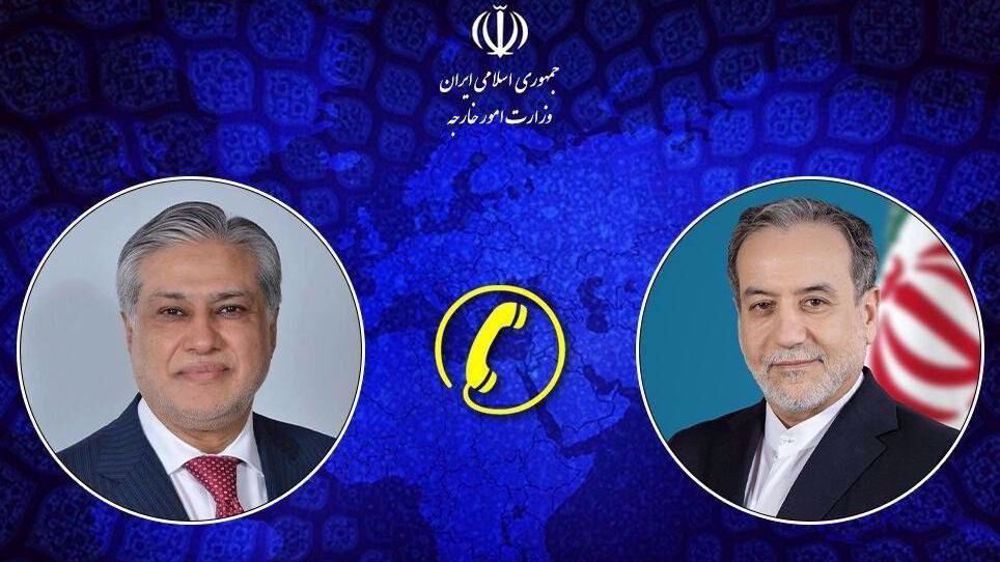
Iran FM discusses regional developments in phone talks with Pakistani, Omani counterparts
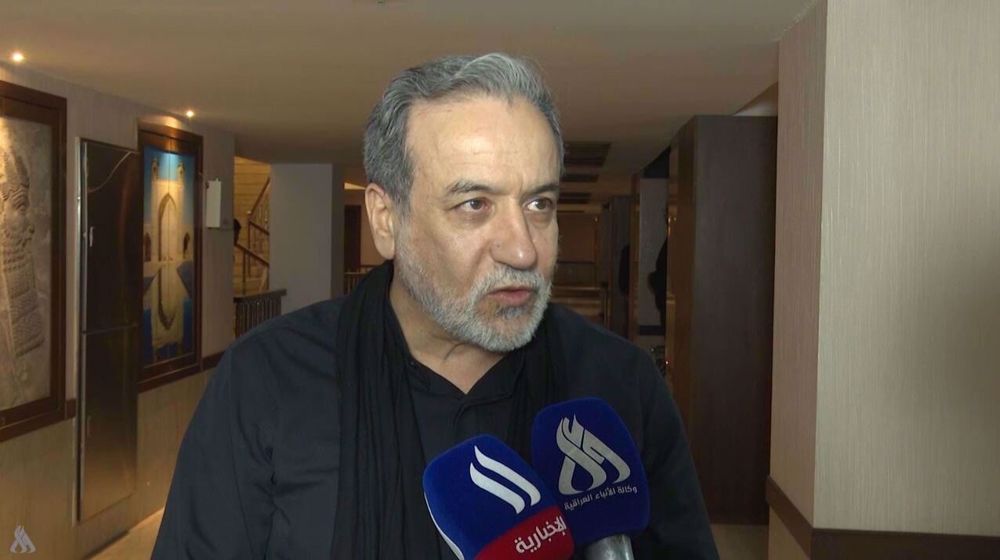
Araghchi: Arbaeen is grand display of Iran-Iraq national unity



Yemeni forces strike vital target in Saudi Najran Airport with drone
Hormuz closure creates ‘largest oil supply shock in history’: Aramco chief
VIDEO | Press TV's news headlines
Far reaching fallout of US war on Iran
VIDEO | Analyst: US pressure has strengthened Iran rather than forced surrender
Hezbollah chief: Lebanon’s direct talks with Israel have yielded nothing but shame
Hezbollah MP: Trump unwillingly acknowledged Iran’s key role on global stage
VIDEO | Heavy rains in Chile displace thousands, flood homes and open a sinkhole



 PressTV NEWSLETTER
now
PressTV NEWSLETTER
now
 This makes it easy to access the Press TV website
