US Strategic Oil Reserve falls to lowest level since 1983 in wake of war on Iran
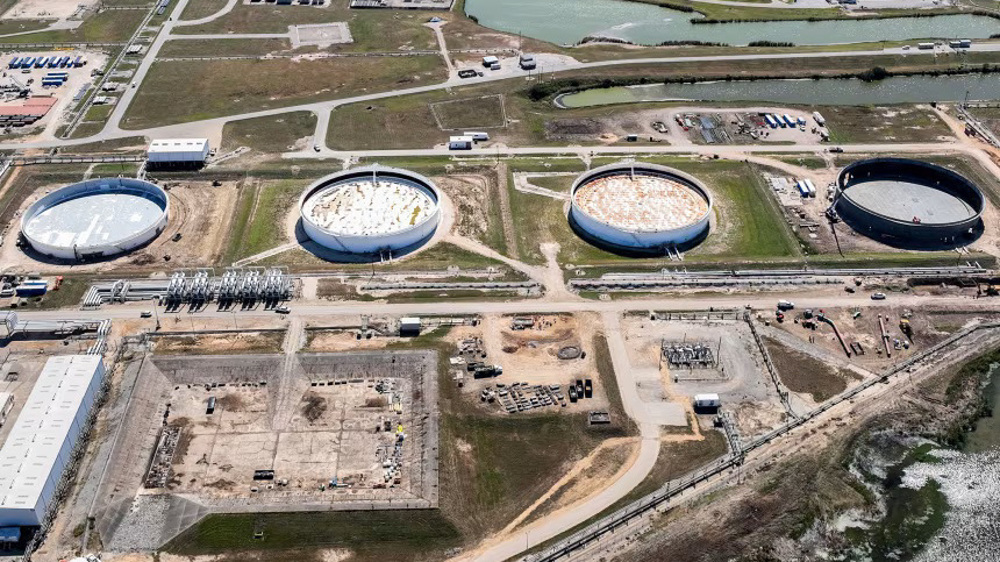
The United States' Strategic Petroleum Reserve has fallen to its lowest level since 1983 as Washington continues to draw down emergency oil supplies to shield the economy from the fallout of the war against Iran.
New federal data released on Monday showed that the US Strategic Petroleum Reserve (SPR) has dropped to 340.3 million barrels, the lowest level recorded since the Reagan administration began filling the emergency stockpile more than four decades ago.
The SPR, established in 1975 after an oil embargo triggered a major energy crisis, can hold up to 714 million barrels but is now less than half full.
The sharp decline reflects Washington's heavy reliance on emergency reserves to contain the economic consequences of successive geopolitical crises.
After releasing 180 million barrels in 2022 following the Ukraine war, the administration of US President Donald Trump announced in March that it would release an additional 172 million barrels over 120 days to blunt the impact of the war against Iran on energy prices.
Federal data showed that nearly nine million barrels were withdrawn in the past week alone, while the reserve has fallen by 75 million barrels, or 18 percent, since a US-Israeli military coalition launched an unprovoked war of aggression on the Islamic Republic on February 28.
The continued depletion of the SPR has raised concerns among energy analysts and exposed contradictions in US energy policy.
During his 2022 presidential campaign, Trump criticized his predecessor - Joe Biden - for drawing down emergency reserves, yet his administration is now reducing the stockpile at an even faster pace.
“We’re raising alarm bells right now. We’re getting to levels where we are starting to be concerned,” warned Mike Sommers, chief executive of the American Petroleum Reserve.
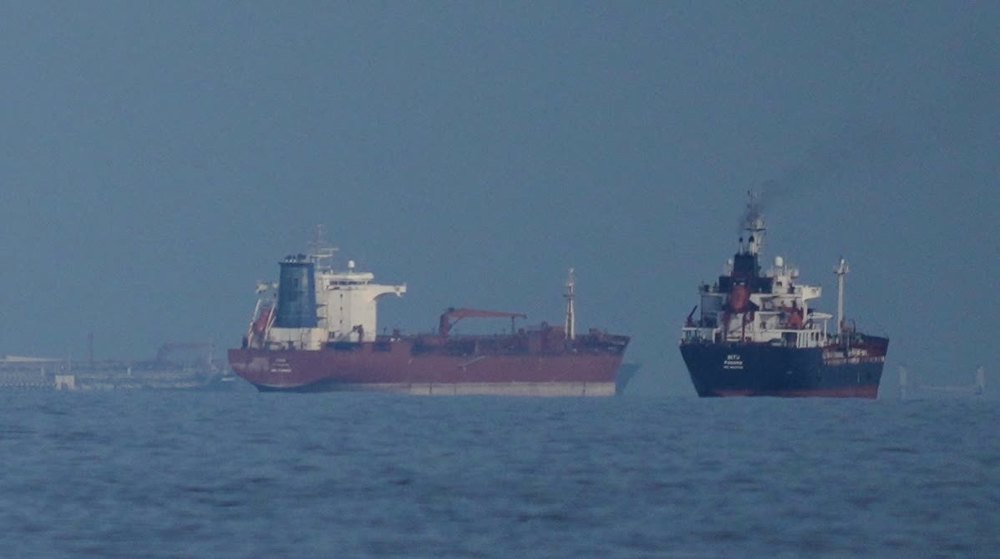
Analysts caution that the shrinking reserve could leave the US vulnerable to future supply disruptions, particularly during the peak of hurricane season.
Andy Lipow, president of Lipow Oil Associates, said emergency releases have so far prevented an energy price shock, noting, “The Strategic Petroleum Reserve releases, combined with releases by other governments and China reducing its exports, have prevented the Armageddon scenario of $150 oil from happening to date.”
However, he warned that the diminished buffer may prove insufficient if production is disrupted.
“If we were to get a major hurricane in the Gulf of Mexico that shuts production down for several weeks, that buffer would no longer be there,” Lipow added.
In response to the US-Israeli aggression, Iran's armed forces carried out more than 100 waves of retaliatory operations against US and Israeli assets across the region and closed the Strait of Hormuz, through which approximately one-fifth of global oil trade passes, to hostile vessels, which caused a sharp rise in oil prices.

World losing faith in US financial system says Araghchi amid US debt meltdown

Qalibaf: Bessent on the brink as oil reserves fall and bond yields surge
Iran's vice president warns of 'dark months' for US economy amid war



Enemies ‘bewildered’ by Iranian nation’s steadfastness: IRGC Aerospace chief
VIDEO | Ansarullah’s Red Sea gains challenge US policies
War on Iran damaged hundreds of US facilities, depleted key munitions: Pentagon
Iran downs another intruding US MQ-1 Predator drone over Strait of Hormuz
VIDEO | Press TV's news headlines
VIDEO | Austria bars Iranian nuclear chief from IAEA conference
Iran FM, Lebanese speaker discuss Zionist aggression, reaffirm support for resistance
VIDEO | Mokha residents welcome Sana'a forces after 9 years of proxy rule


 PressTV NEWSLETTER
now
PressTV NEWSLETTER
now
 This makes it easy to access the Press TV website
