
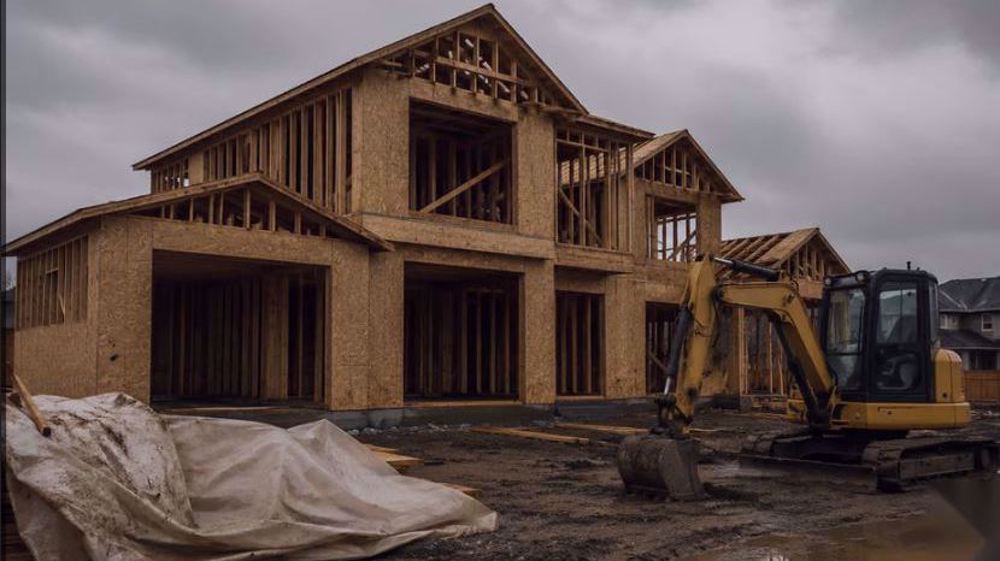
The average rate on a 30-year US mortgage has risen to its highest level in nearly a year this week, increasing borrowing costs for homebuyers as the war on Iran continues to increase oil prices and inflation.
The average rate on a 30-year fixed mortgage rose to 6.55 percent from 6.49 percent a week earlier, reaching its highest level since late August and making it more expensive for Americans to buy a home.
Higher mortgage rates can add hundreds of dollars to monthly loan payments, reducing buyers' purchasing power at a time when many families are already struggling with high living costs.
Mortgage rates generally follow the 10-year US Treasury yield, which has risen since the war on Iran increased oil prices and inflation concerns.
The yield stood at 4.57 percent this week, compared with 3.97 percent before the US-Israeli aggression against Iran began on February 28, reflecting continued concerns that inflation could remain high.
The war has increased pressure on global energy markets, with the closure of the Strait of Hormuz increasing oil prices and making it harder for borrowing costs to decline.
Although consumer inflation declined slightly last month, mortgage rates have remained high, leaving many prospective buyers unable to benefit from the improvement.

The housing market has also weakened, with pending home sales declining 5.4 percent in June from the previous month and falling slightly compared with the same period last year.
Demand for home loans has also declined, with mortgage applications falling 2.7 percent last week as applications to purchase homes recorded an even larger decline.
While the Federal Reserve does not directly set mortgage rates, its efforts to reduce inflation continue to influence borrowing costs, with investors closely watching future policy decisions.
The latest figures suggest the economic impact of the war is extending beyond energy markets, increasing borrowing costs for American households, reducing housing demand, and adding further uncertainty to an economy that is already slowing.
The latest round of US-Israeli attacks on Iran began on February 28, prompting Tehran to launch daily missile and drone strikes against US and Israeli assets across the region before the two sides signed the Islamabad Memorandum of Understanding (MoU) on June 17, although renewed US strikes in recent days have once again triggered Iranian retaliation.
 This makes it easy to access the Press TV website