Iran deputy FM says MoU with US to be signed in Geneva on Friday
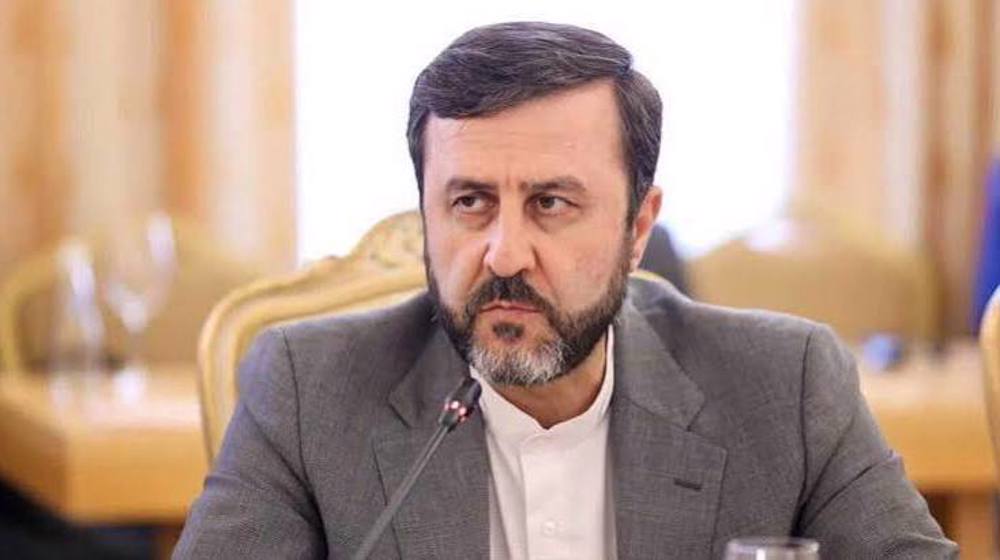
Iran’s Deputy Foreign Minister for Legal and International Affairs has announced that the memorandum of understanding (MoU) between Iran and the United States has been finalized and will be officially signed on Friday in Switzerland, while emphasizing that the agreement is built on “active distrust” of the enemy.
“We have incorporated all our important positions into the draft MoU,” Kazem Gharibabadi said on Sunday.
“This memorandum does not mean trusting the enemy; it has been written with active distrust. We will monitor the implementation of US commitments.”
The deputy minister declared that starting Monday night, the US naval blockade against Iran will be terminated, along with “the immediate and permanent end of the war and military operations on various fronts, including Lebanon.”
The announcement follows weeks of intensive negotiations mediated by Pakistan, with support from Qatar, Saudi Arabia, and Turkey.
Earlier on Sunday, Pakistani Prime Minister Shehbaz Sharif claimed a “peace deal” had been reached, and US President Donald Trump welcomed the announcement on Truth Social.
Distrust, not trust
Gharibabadi stressed that Iran never trusted the United States throughout the negotiations.
“This memorandum does not mean trusting the enemy; it has been written with active distrust,” he said. “We will monitor the implementation of US commitments.”
He added that after the official signing, the full text of the MoU will be published, and before that, Iranian officials will explain its various dimensions and achievements to the public through the media.
The deputy minister revealed that Iranian military power directly influenced the final text.
“Threats tonight by Iran were effective in advancing certain issues in the negotiation text,” Gharibabadi said, referring to warnings by Iran’s armed forces to the US about the consequences of the Israeli regime’s Sunday attacks on Beirut’s southern suburbs.
“We did not agree to the MoU until we had incorporated every last point and demand into the text. Negotiations continued until one hour before the announcement.”
US Vice President J.D. Vance says he plans to travel to Geneva Friday for the Iran deal–signing ceremony, with former President Trump possibly attending.
— Press TV 🔻 (@PressTV) June 14, 2026
Follow https://t.co/B3zXG73Jym pic.twitter.com/6kpHjtLetm
He also credited Hezbollah’s firm response to Israeli terrorism with facilitating the finalization.
“Our armed forces were ready to deliver a decisive response. Trump also adopted positions and criticized the Zionist regime. Hezbollah gave firm and decisive answers to the terrorist act of the Zionist regime.”
“Military power and the threats we made helped finalize the text and advance several issues we were working on,” Gharibabadi said.
The official also emphasized that the MoU is not merely a product of diplomacy but of Iranian military achievements.
“It is indebted to the pure blood of our martyrs, the steadfastness of the people, their round‑the‑clock presence in the streets supporting the system and the armed forces, the pure blood of the martyred Leader, the guidance of the Leader, and the efforts of officials.”
He declared that the enemy had been defeated in all its objectives.
“The enemy that attacked to operationalize its sinister goals has suffered defeat in all its objectives, and the Islamic Republic has achieved great victories in this war.”
60‑day verification and talks
Gharibabadi outlined a two‑stage process following Friday’s signing. First, a verification period will begin immediately.
“On Friday, we will have an official signing, and the heads of the two delegations will hold talks to determine the future arrangements of the negotiations. Until then, the US side’s commitments regarding ending the war, lifting the blockade, and releasing assets will be verified. Entering the 60‑day negotiations is conditional on the implementation of these US commitments.”
During the 60‑day negotiation period, he said, several issues will be discussed, including ending America’s primary and secondary sanctions against Iran, as well as terminating UN Security Council and IAEA Board of Governors resolutions.
He said the nuclear issue will also be discussed, along with a mechanism for the reconstruction and economic development of Iran following the imposed war.
The deputy minister said a system to oversee the proper implementation of commitments by both sides should also be created.
Pakistani PM Shehbaz Sharif: Following intensive talks, we are pleased to announce that the Peace Deal between the United States of America and Islamic Republic of Iran has been REACHED.
— Press TV 🔻 (@PressTV) June 14, 2026
Follow https://t.co/B3zXG73Jym pic.twitter.com/tPQNQRm5Ag
Gharibabadi confirmed that mediators will continue to play a role in the upcoming talks.
He also reiterated that Iran’s armed forces “will always keep their fingers on the trigger to counter any enemy conspiracy,” and that Tehran remains fully prepared to respond to any plot.
The deputy minister concluded that once the MoU is published, the Iranian people will see for themselves that Iran’s commitments are negligible compared to the country’s achievements.
The signing ceremony is set for Friday, June 19, in Switzerland.
Further technical and political talks are expected to follow the signing to address implementation details.
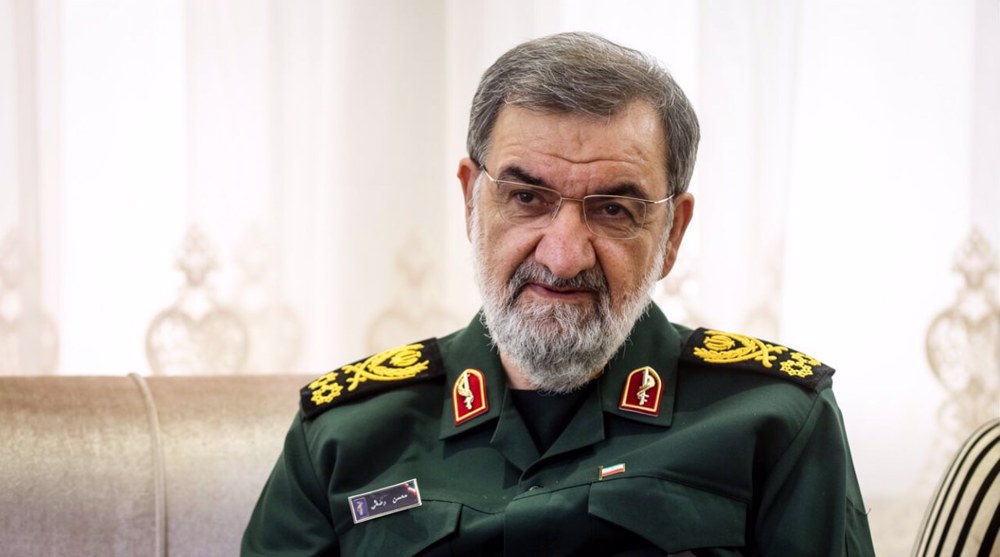
Iran’s nuclear doctrine not changed, but NPT withdrawal possible: Top security official
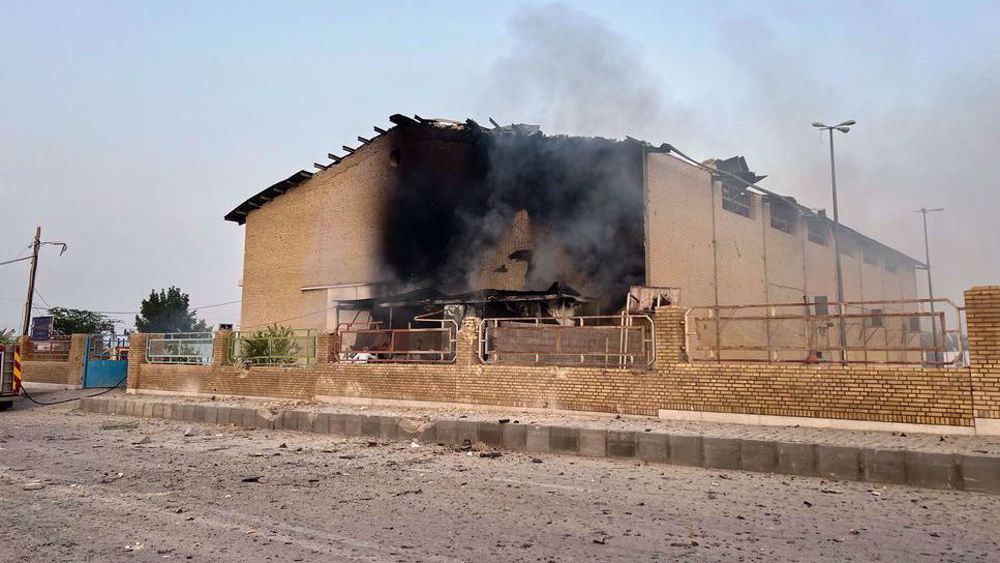
Iran dismisses White House accusations as ‘flight from reality,’ ‘act of projection’
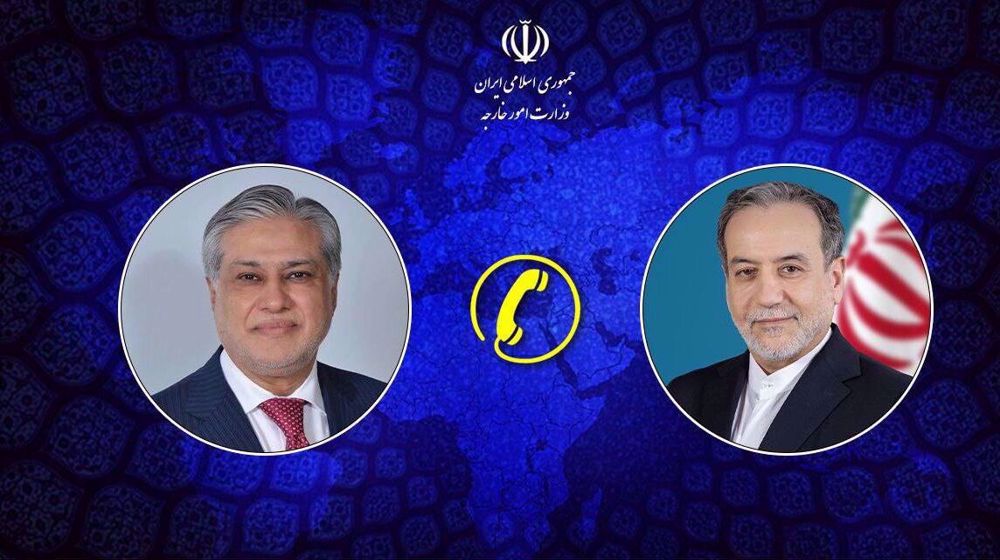
Iran, Pakistan FMs discuss regional developments, energy supplies



Saudi Arabia bombs Yemen 760 times since escalating aggression
VIDEO | Press TV's news headlines
VIDEO | Saudi Arabia, UAE helping US, Israelis to fulfill their mission in region: Analyst
VIDEO | Israel’s targeting of Palestinian journalists part of broader campaign to control narrative: Analyst
Iran Army downs US Orbiter reconnaissance drone over Strait of Hormuz
Iran must fight US blockade with energy blockade: Deputy speaker
North Korea launches 2 ballistic missiles, dials up pressure on US
Iran’s president to attend UN General Assembly in New York


 PressTV NEWSLETTER
now
PressTV NEWSLETTER
now
 This makes it easy to access the Press TV website
