1.4 million Palestinians face acute food insecurity in Gaza as medicine shortages deepen
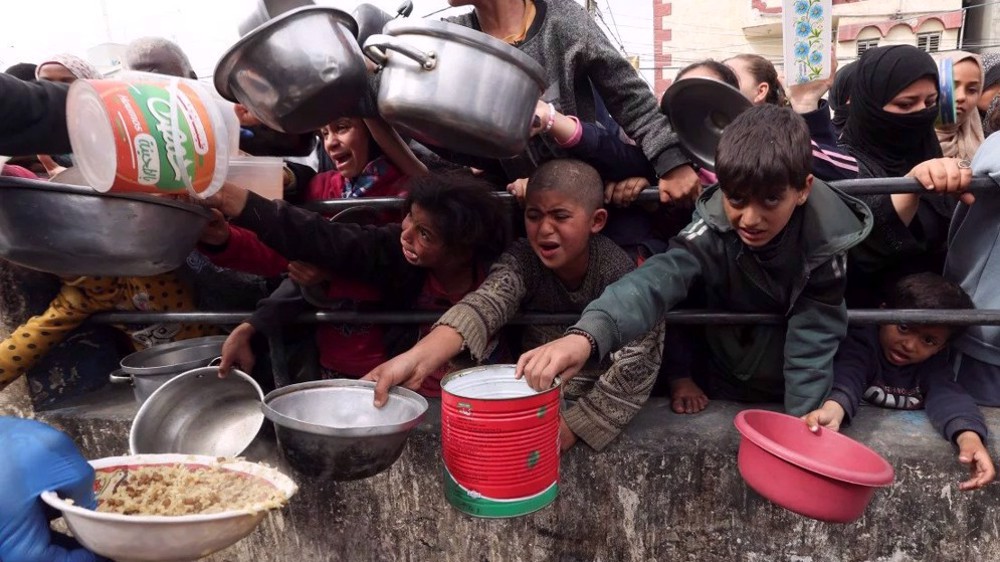
Around 1.4 million Palestinians in the besieged Gaza Strip face acute levels of food insecurity, while medicine shortages have reached 47%, officials say.
Palestinian Minister of Social Development Samah Hamad stated that 74,200 children require urgent treatment for acute malnutrition.
She made the remarks during a news conference in the occupied West Bank city of Ramallah, where she presented the findings of the Integrated Food Security Phase Classification (IPC) report alongside UN humanitarian officials.
“A relative improvement shown in the report does not mean the humanitarian crisis in Gaza has ended, but rather reflects the direct impact of continued humanitarian aid flows,” Hamad said.
She warned that any reduction in assistance could quickly reverse the limited gains.
“Palestinians in Gaza are not facing a temporary food shortage, but a systematic Israeli policy targeting the foundations of life through the blockade and restrictions on the entry of food, water and medicine,” she said.
Citing the IPC report, Hamad noted that more than 212,000 people are facing emergency levels of food insecurity, while 24,600 pregnant and breastfeeding women require urgent nutritional support. The findings, she stressed, underscore the continued fragility of the humanitarian situation despite limited improvements.
Separately, Gaza’s Health Ministry reported that shortages of medicines have reached 47%, medical consumables 58%, and laboratory testing materials 85%.
The ministry warned that these shortages threaten to bring key diagnostic and life-saving treatment services close to a halt.
Medicines for cancer and blood disorders are among the most critically affected, with shortages at 61%, placing patients at serious risk from treatment interruptions.
Shortages also include 56% for maternal and child health medicines, 55% for primary health care medicines, 46% for kidney and dialysis medicines, 35% for mental health and neurology medicines, 33% for emergency and intensive care medicines, 39% for surgical supplies, and 47% for orthopedic surgery supplies.
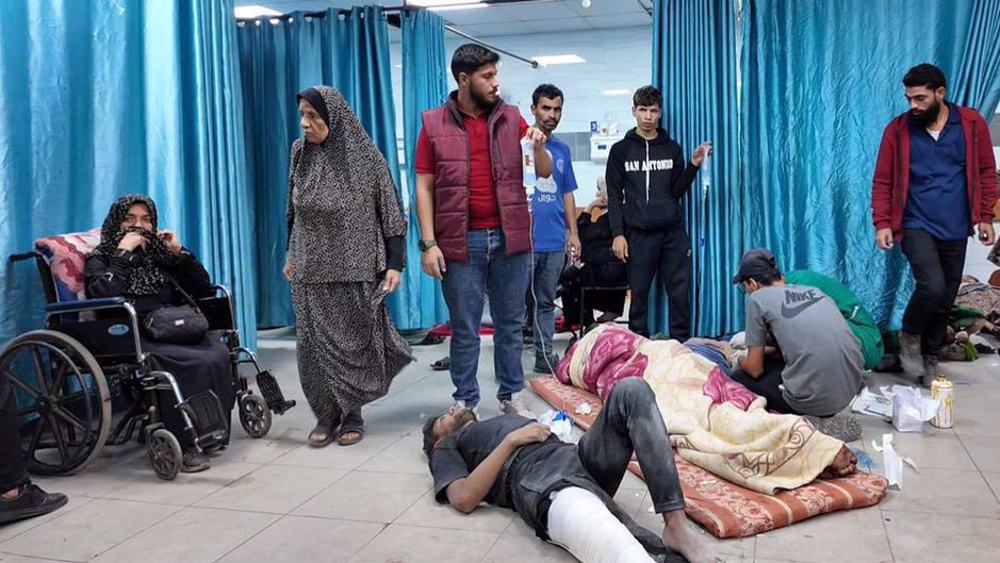
The ministry said the lack of essential laboratory tests, including complete blood counts, blood gas analysis, and clinical chemistry tests, is severely impairing medical teams’ ability to treat critically ill and wounded patients. It called on the United Nations and humanitarian organizations to facilitate the entry of medicines, medical consumables, and laboratory supplies into Gaza.
Gaza’s health sector has been severely weakened during the war by damage to hospitals and health facilities, as well as restrictions on the entry of medicines, medical supplies, and fuel, the ministry added.
UN warns Gaza food security improvement remains fragile
Ramesh Rajasingham, deputy emergency relief coordinator for the Middle East peace process and UN resident and humanitarian coordinator in the occupied Palestinian territory, said the IPC report should be interpreted with caution.
The improvement was achieved only because of sustained humanitarian aid deliveries and does not indicate that living conditions have recovered or that essential services have been restored.
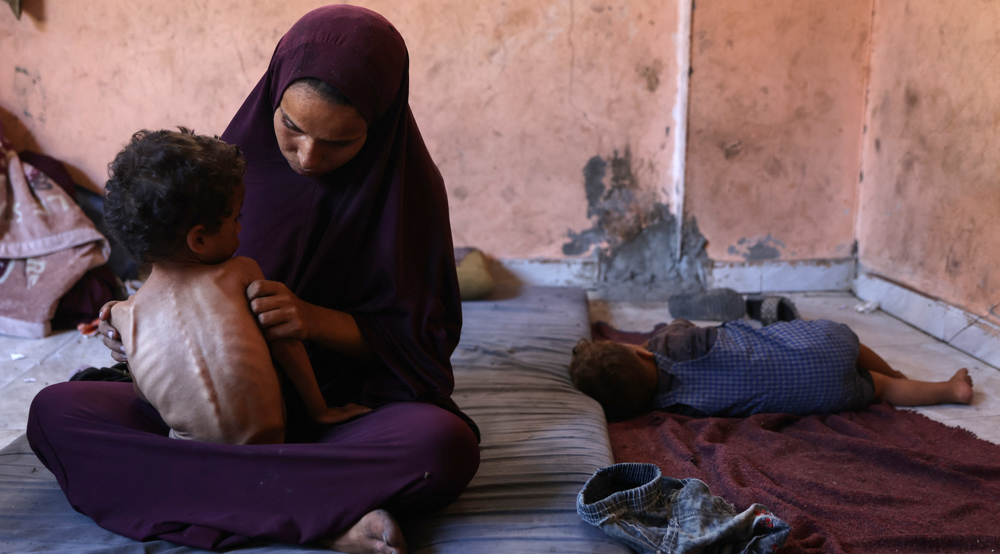
Around 67% of Gaza’s population, nearly 1.4 million people, remain in IPC Phase 3 or higher, while more than 200,000 are in IPC Phase 4, classified as emergency levels of food insecurity, he said. Continued humanitarian assistance remains essential to maintaining the limited improvement.
Rajasingham called for border crossings to be opened on a sustained basis, the resumption of commercial and economic activity, the restoration of livelihoods, and the launch of early recovery programs.
Shaun Hughes, the World Food Programme’s representative and country director in Palestine, said the IPC assessment was prepared independently by more than 60 experts from over 20 institutions and was based on the largest nutrition survey conducted in Gaza since the start of the brutal Israeli aggression.
“The relative improvement in indicators should not be interpreted as the end of the crisis, but as a direct result of continued relief operations,” Hughes said.
He noted that the WFP has reached approximately 75% of Gaza’s population each month since November through food assistance and cash transfers, warning that any decline in funding or aid deliveries would likely lead to a rapid deterioration in food security.
The Israeli genocide has already killed more than 73,000 Palestinians, wounded over 171,000, and destroyed around 90% of Gaza’s infrastructure, according to Gaza authorities. Despite a ceasefire that took effect on Oct. 10, 2025, Israeli attacks have continued, resulting in 1,250 deaths and 4,110 injuries across the besieged region.
Reconstruction has barely begun across most of Gaza, with only a fraction of the estimated $17 billion in pledged funds actually secured. Wealthy donors have largely refused to finance projects in areas still under Israeli control, viewing such efforts as legitimizing the occupation.
Gaza health system nears collapse amid shortages and fuel crisis

Hamas condemns Netanyahu’s illegal entry into Al-Aqsa Mosque

Poll: Over half of US Jews say Netanyahu fueling American anti-Semitism



VIDEO | Trump's America is dying for Israel
US visa ban on Iranian president’s media team is bid to hide the truth: FM spokesman
VIDEO | Iran fully prepared to respond to new aggression
US aggression, economic warfare amount to crimes against humanity: Iran's UN envoy
Protests erupt in US as ICE agent shoots Venezuelan driver
US pressure fuels cooperation among Muslim states: Pezeshkian
Major TV networks suspend White House pool coverage after Trump ban
US visa ban on Palestinian UN delegation violates international agreements: Hamas


 PressTV NEWSLETTER
now
PressTV NEWSLETTER
now
 This makes it easy to access the Press TV website
