Canada PM warns Post-Cold War global order is unraveling amid rising geopolitical tensions
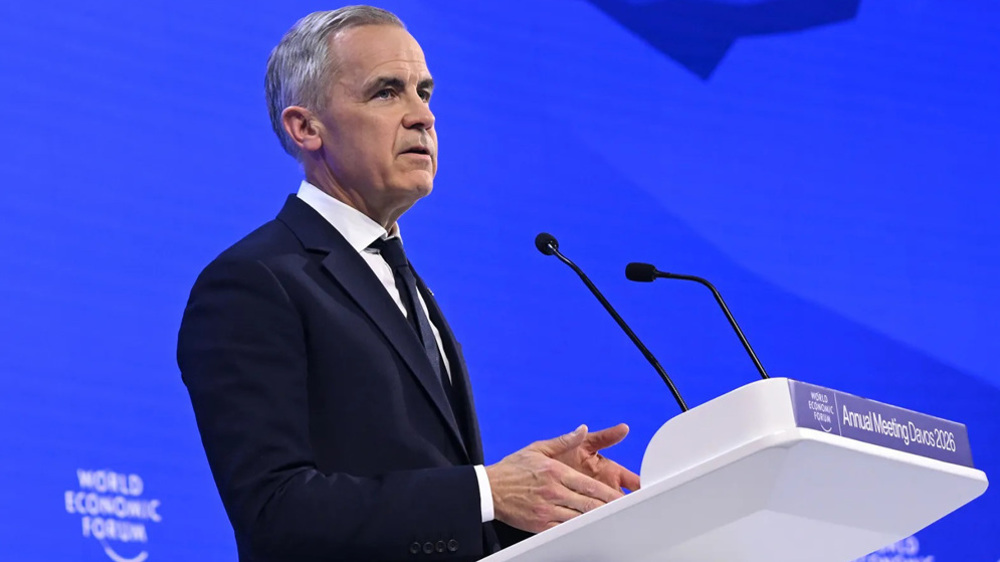
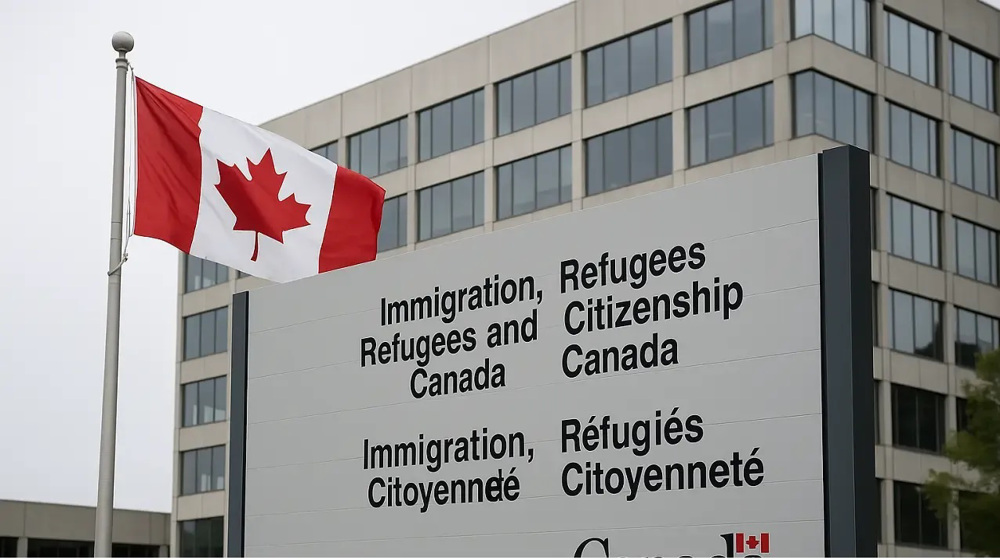
Canadian Prime Minister Mark Carney has warned that the rules-based international order that emerged after the Cold War is beginning to break down, arguing that multilateral institutions are weakening and the global trading system faces growing threats amid intensifying competition among major powers.
Speaking at Trinity College Dublin on Saturday, Carney said the global order is undergoing profound change as geopolitical competition intensifies and economic integration is increasingly being used as a tool of strategic leverage.
"The rules-based order that guided international relations after the Cold War is breaking down," Carney said, warning that multilateral organizations are becoming weaker and less capable of addressing global challenges.
He also noted that economic integration, a process from which countries such as Canada have benefited for decades, is increasingly being weaponized by major powers, placing the international trading system under significant strain.
"The global trade system, which has been a cornerstone of prosperity for many nations, is now under serious threat," he said.
Carney further called on middle powers to avoid becoming caught in the rivalry between major powers and instead pursue a "third path" based on deeper cooperation among like-minded countries.
According to the Canadian leader, countries with medium-sized economies and global influence face a strategic choice: compete for the favor of larger powers or work together to build an alternative framework capable of shaping international outcomes.
He also argued that nations investing in their domestic capabilities while strengthening partnerships with trusted allies can significantly amplify their influence on the world stage.
The remarks come as Canada seeks to expand its diplomatic engagement and deepen cooperation with both traditional allies and emerging partners amid a rapidly changing global landscape.
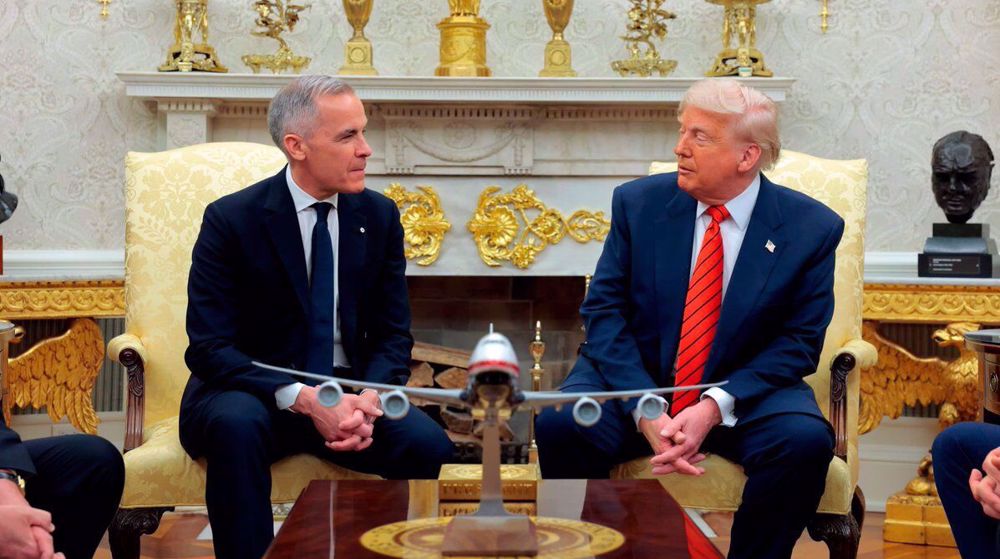
Carney's comments also reflect growing concerns among middle-power nations about increasing polarization between the world's major powers, particularly the United States and China.
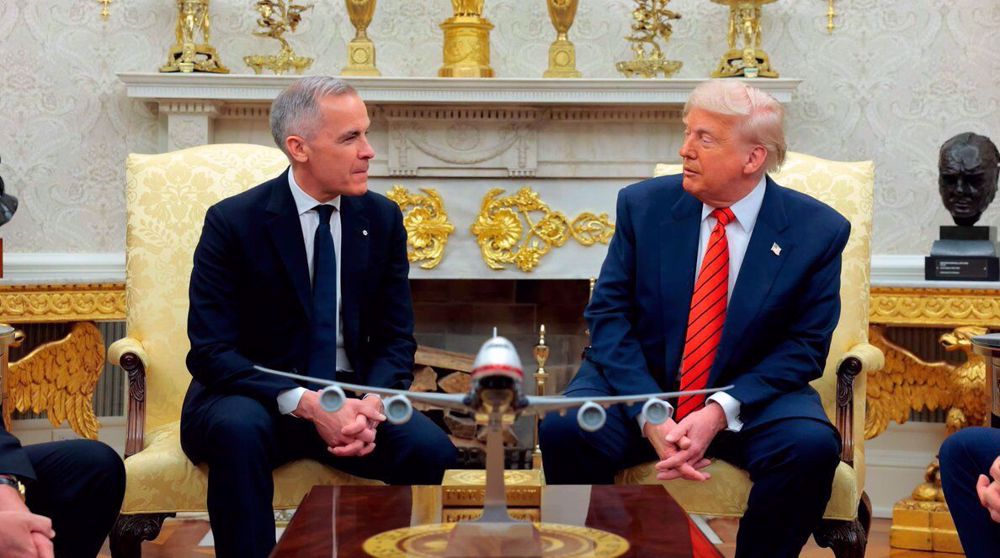
Carney's speech comes against the backdrop of recent strains in US-Canada relations over trade, industrial policy and economic security issues.
Supply chains and strategic industries have underscored concerns in Canada about excessive reliance on any single partner and reinforced calls for diversification of economic and diplomatic relationships.
Relations between Ottawa and Washington have deteriorated sharply since President Donald Trump took office, with US tariffs on Canadian goods and Trump's repeated suggestions that Canada should become the 51st US state straining ties to a breaking point.
On Wednesday, Trump announced that he will not renew the CUSMA trade pact with Canada and Mexico ahead of a July 1 milestone, saying, “We don’t need anything that Canada has, we don’t need anything that Mexico has.”
The US still accounts for close to 70 percent of all Canadian exports, down from 76 percent a year ago but still an overwhelming share by any measure.
Iran: Colombia’s ‘baseless’ allegations violate mutual respect, interests
US military lays groundwork for possible aggression against Cuba: Report

Pentagon says four killed in US strike on alleged drug boat in Caribbean



Hamas: Board of Peace’s 'hostile stance' on UNRWA aligns with Israel
VIDEO | Islamic Jihad: Nasrallah helped build a united regional front against Israel
Pezeshkian: Iran ‘no longer’ trusts US after being attacked twice during talks
Iran rejects speculation it may target airports in region over compliance with US sanctions
Restrictions on Iranian flights impede Iraq’s economic recovery: Senior MP
Tayebi wins shot put gold as Iran takes three more silvers at Aichi-Nagoya Asian Games
VIDEO | Israel’s UN isolation: Netanyahu faces criticism
Blood on their hands: NATO chief’s confession proves Europe enabled US-Israeli war against Iran



 PressTV NEWSLETTER
now
PressTV NEWSLETTER
now
 This makes it easy to access the Press TV website
