Canada’s most oil‑rich province nears independence vote after signature push

A pro-independence campaign in Alberta says it has collected enough signatures to trigger a referendum on whether the province should break away from Canada.
Activists from the "Stay Free Alberta" movement submitted nearly 302,000 signatures to election authorities in Edmonton on Monday.
The delivery was accompanied by a convoy of trucks, while more than 300 supporters gathered outside waving provincial flags and chanting "Alberta strong."
The total exceeds the 177,732 signatures required under Alberta’s citizen-initiative rules, equivalent to 10 percent of votes cast in the previous provincial election.
However, authorities have yet to verify the petition, titled "A Referendum Relating to Alberta Independence," before the process can proceed. The effort is backed by the Alberta Prosperity Project, a pro-sovereignty nonprofit.
If approved, the proposed referendum would ask voters, "Do you agree that the Province of Alberta should cease to be part of Canada and become an independent state?"
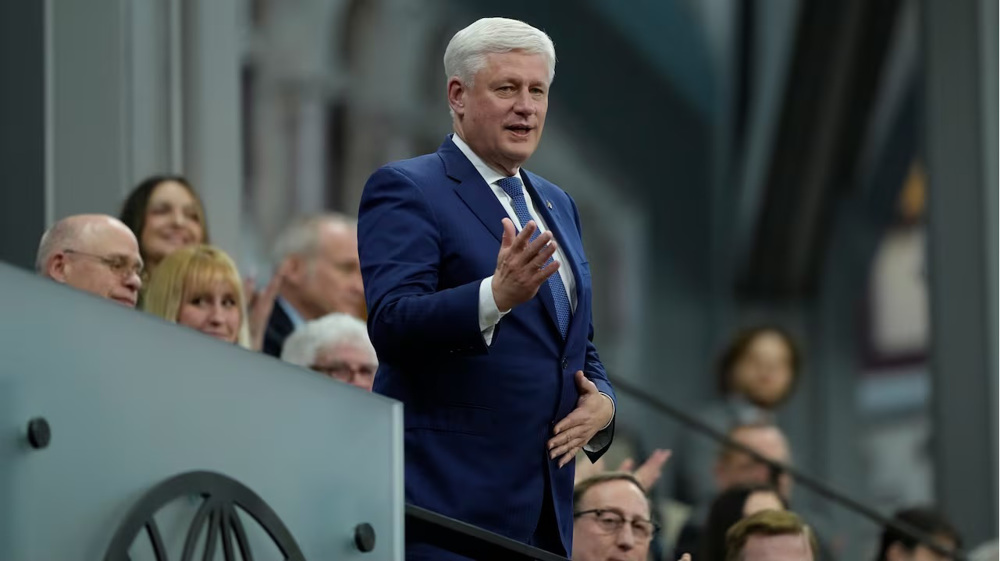
Canadian PM Mark Carney says he expects the US to respect Canada’s sovereignty following reports of American officials meeting with Alberta separatists multiple times.
— Press TV 🔻 (@PressTV) January 30, 2026
Follow: https://t.co/mLGcUTS2ei pic.twitter.com/O5sDhkKzw0
Organizers hope to see the question placed on a provincial referendum ballot in October.
Alberta Premier Danielle Smith has said the government would move forward with a referendum if the petition is validated, though she does not support separation.
Polling indicates independence remains a minority position. A February survey by the Angus Reid Institute, a national public opinion research organization, found 65 percent of respondents would vote to stay in Canada, compared to 29 percent favoring independence.
The push reflects long-standing tensions between Alberta and the federal government in Ottawa over energy policy, taxation, environmental regulations, and access to export markets.
Alberta is Canada’s primary energy-producing region, accounting for more than 80 percent of crude oil output and about 60 percent of natural gas production, and has the highest per-capita GDP among provinces.
Even if approved, a referendum would not automatically lead to independence. Under the Clarity Act, the House of Commons must determine whether the result clearly supports secession before negotiations can begin.
The initiative also faces a legal challenge from the Sturgeon Lake Cree Nation, a First Nations band government, which argues that potential secession would violate treaty rights and has asked a court to halt the process.
First Nations governments are the smallest units of government among the native people of Canada. At least fifty groups of native people throughout Canada are represented among the First Nations.
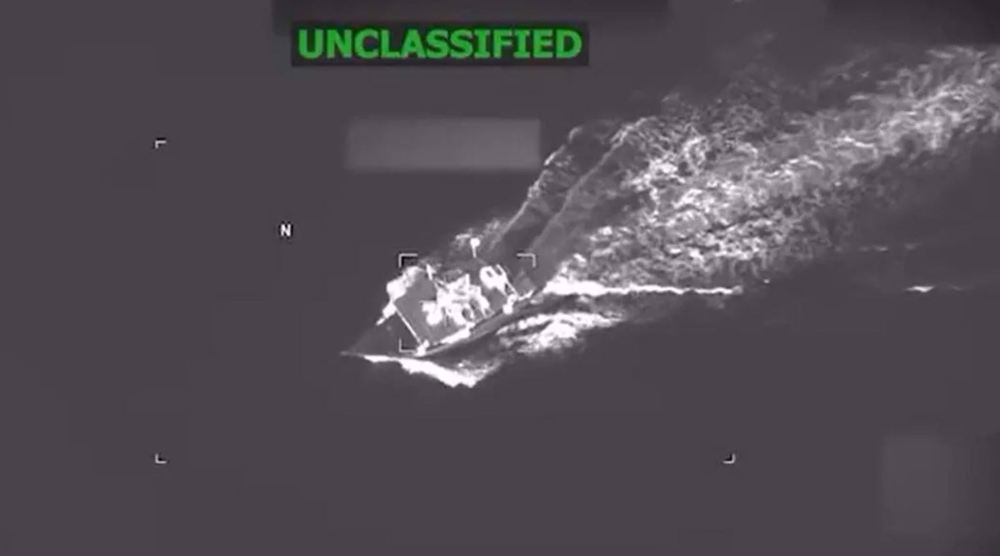
Pentagon says four killed in US strike on alleged drug boat in Caribbean
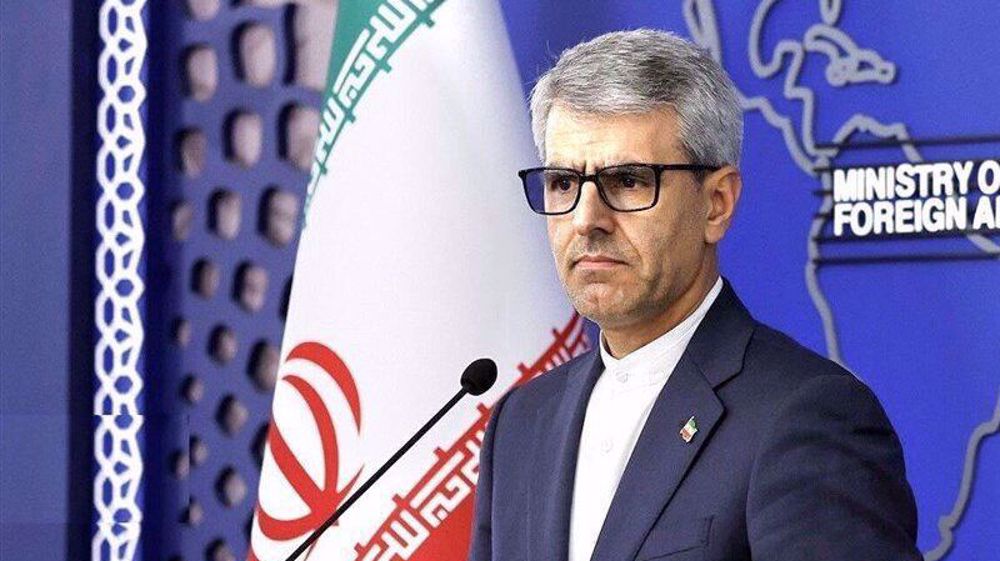
Iran slams Canada’s ‘strategic confusion’ and submission to US intimidation over Hormuz
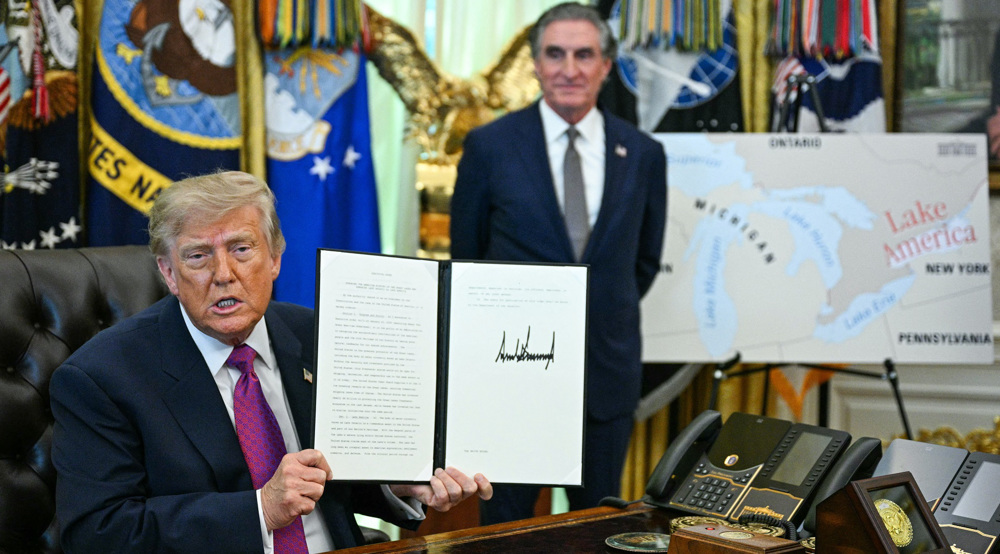
Trump orders ‘Lake Ontario’ renamed ‘Lake America’ amid trade war with Canada



US visa ban on Iranian president’s media team is bid to hide the truth: FM spokesman
US aggression, economic warfare amount to crimes against humanity: Iran's UN envoy
Protests erupt in US as ICE agent shoots Venezuelan driver
US pressure fuels cooperation among Muslim states: Pezeshkian
Major TV networks suspend White House pool coverage after Trump ban
US visa ban on Palestinian UN delegation violates international agreements: Hamas
VIDEO | Press TV's news headlines
Iran calls on France to respect law after suspending French cultural institute in Tehran


 PressTV NEWSLETTER
now
PressTV NEWSLETTER
now
 This makes it easy to access the Press TV website
