Iranian researcher says found what could be the oldest waqf deed in Islamic world
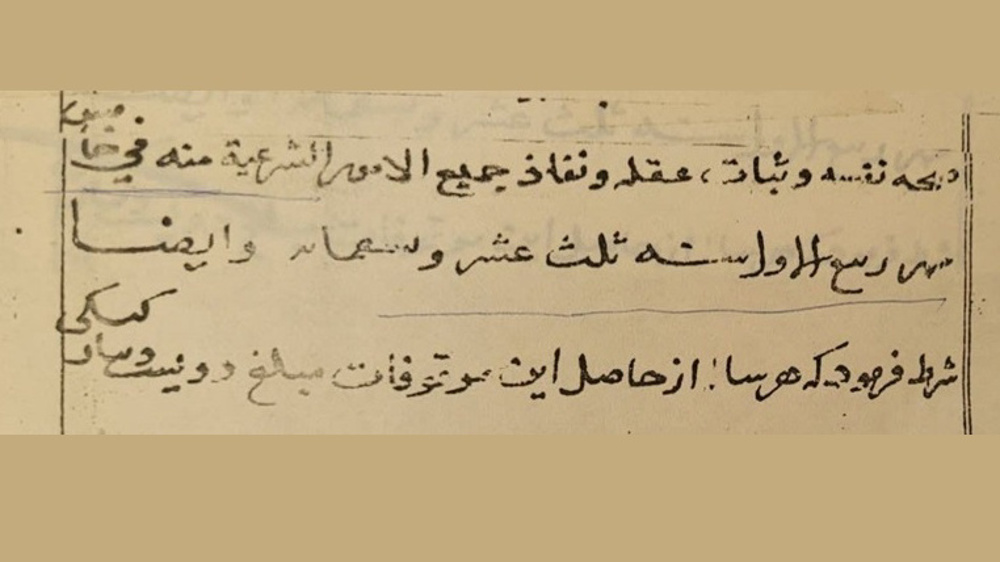
An Iranian researcher says he has identified a rare waqf (Islamic endowment) deed that could be the oldest known surviving waqf document in the Islamic world.
Mehdi Ghorbani, a researcher specializing in historical documents and manuscripts, said the discovery was made while examining archival materials and handwritten records related to the historic regions of Tun and Tabas.
“While the endowment deed of the Goharshad Mosque, dated to 829 AH, has long been regarded by researchers as the oldest surviving non-movable waqf document, this newly identified deed, dated 713 AH, may be considered the oldest waqf deed in the Islamic world,” Ghorbani was quoted as saying by the Iranian Book News Agency (IBNA).
According to the researcher, the document dates back to the Timurid era and is written on a piece of cloth measuring approximately 18 centimeters in width and 3.2 meters in length.
The text is written in Naskh script and reflects the linguistic and writing conventions commonly used during the period, offering valuable insights into the documentary practices of medieval Iran.
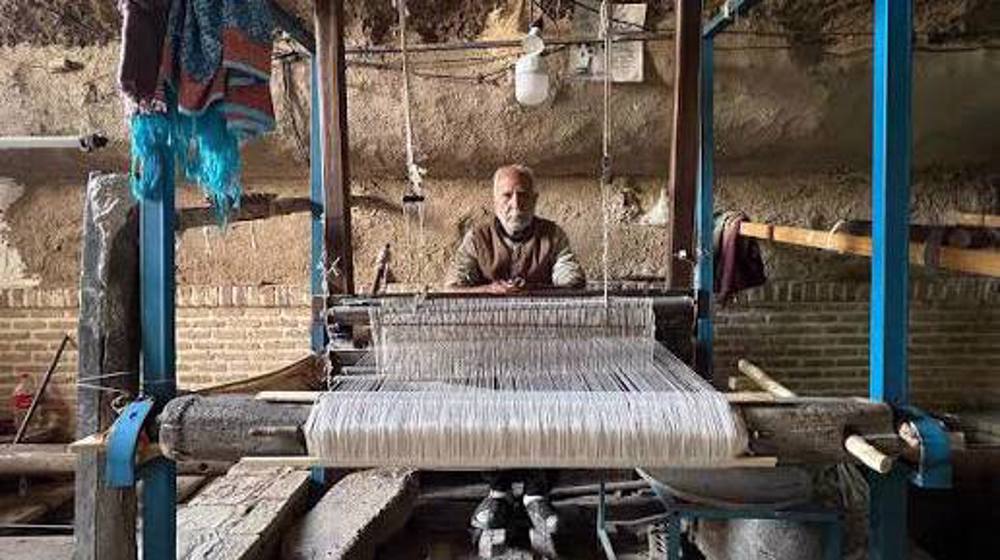
Ghorbani identified the benefactor named in the deed as Amir Mobarez al-Din Mohammad Bahador and said further studies are underway to verify and contextualize the finding.
He expressed hope that the results of the research would be published in a comprehensive academic paper.
“It is hoped that, following the completion of the investigations, the findings will be presented in a detailed article in a reputable scholarly journal,” he said.
Ghorbani has previously published more than a dozen books based on historical documents and manuscripts relating to the regions of Tun and Tabas during the late Qajar period.
Arbaeen 2026 becomes statement of unity and resilience amid US-Israeli war on Iran, resistance axis
First black stork spotted in Western Iran’s Zaribar Wetland, marking an environmental milestone
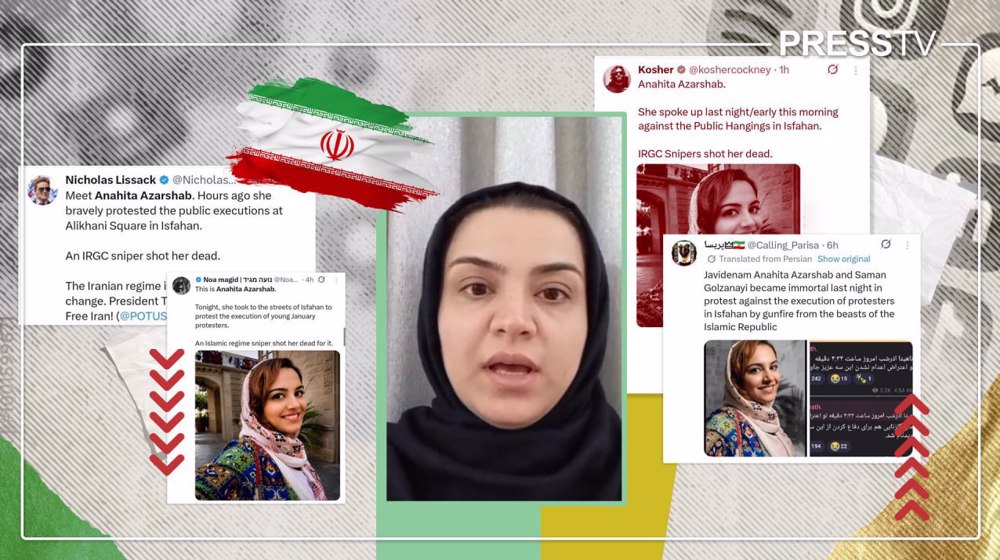
Old playbook, new 'victim': Iranian woman declared ‘killed’ appears alive, foiling unrest plot



Pakistan deploys six cabinet ministers for strategic talks with Iran
Israel burns over 120 hectares of centuries-old olive groves in south Lebanon
US investigates airspace safety incident involving Trump helicopter
VIDEO | Iran missiles stronger than Oreshniks
VIDEO | British academic wins legal battle as UK court protects anti-Zionist beliefs
VIDEO | Italian teachers face growing scrutiny for speaking out against Gaza genocide
VIDEO | Press TV's news headlines
Explosions heard at Dubai’s Jebel Ali industrial area: Report


 PressTV NEWSLETTER
now
PressTV NEWSLETTER
now
 This makes it easy to access the Press TV website
