Unmasking US-Israeli terrorist bombing of Iran's drug factories
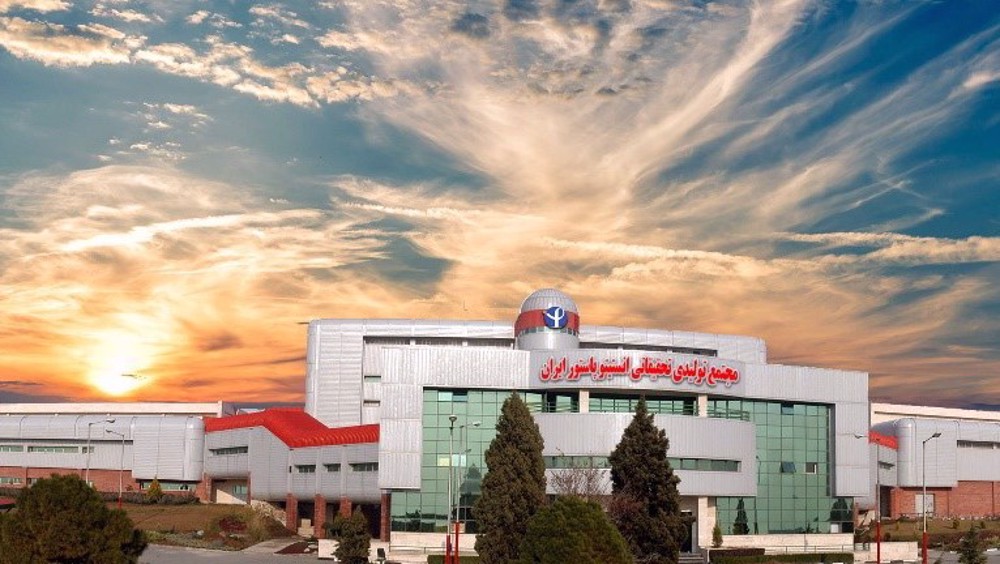
Over the past four decades, Iran's pharmaceutical industry has traveled a path full of ups and downs but has always moved forward.
The country has transformed from an importer of basic medicines into a leading producer of biopharmaceuticals and radiopharmaceuticals, a symbol of national dignity and economic resilience.
Iran's achievement in producing 97% of domestic medicine needs has provided pharmaceutical security for 85 million people and become a launching pad for exporting medicines to over 40 countries.
But this progress has been a thorn in the eye for hegemonic powers, especially the American and Israeli regimes.
Their inability to halt Iran's scientific development through sanctions has led them lately to economic terrorism and direct attacks on health infrastructure.
The recent airstrikes on pharmaceutical companies and the Pasteur Institute are a gross violation of international laws and the Geneva Conventions, and a clear example of crimes against humanity.
In the early decades after the Islamic Revolution, especially during the imposed war of the 1980s, the main policy was self-sufficiency in health.
Economic siege and severe restrictions on medicine imports forced Iranian scientists toward producing generic drugs and meeting basic needs. This era marked the beginning of the industrial infrastructure that is now a national pride.
According to official statistics, over 97% of medicines needed are produced domestically. This self-sufficiency was achieved under the harshest sanctions and severe shortages of financial resources.
Among over 3,000 drug items, 800 vital drugs are strategic reserves so that in times of crisis, no patient, especially those with chronic or terminal illnesses, remains without medicine.
High quality and low price are Iran's competitive advantage. According to head of the Food and Drug Administration Mehdi Pir Salehi, imported medicines cost 5 to 10 times more than domestic versions.
Methylphenidate for hyperactivity has a European version sold in Iraq for 35,000 dinars, while the Iranian version costs only 6,000 dinars.
An Iraqi doctor, faced with the sudden unavailability of the European drug, was forced to prescribe the Iranian version. He later said: "I thought I'd try it once because I didn't trust Middle Eastern companies. Then I started prescribing it every day.”
“After a few days, the patients' families said there was no difference between the Iranian and European medicine. This is when you understand why the Americans are bombing Iranian pharmaceutical companies."
A diabetes and obesity drug from the GLP-1 family costs 30 million tomans for the foreign version, while Iranian companies offer it for 6 million tomans.
Iran produces medicine at one-fifth to one-tenth of the global price. This has made Iran the pharmaceutical paradise of the region. Before the war, citizens of Iraq, Afghanistan, and Pakistan would travel to Iran for medicine.
One arena where Iran has shattered the scientific aura of the West is the radiopharmaceutical industry and the peaceful use of nuclear energy in medicine.
What angers the West is a simple scientific fact that sanctions cannot overcome. Radiopharmaceuticals have a very short half-life of only a few days or hours, which makes their import under sanctions effectively impossible.
Faced with this reality, Iran had no choice but to achieve full self-sufficiency. Today, Iran has not only done so but has also become an export hub for these advanced medicines to regional countries.
The country already produces over 70 types of radiopharmaceuticals, and at least 56 countries have applied to buy Iran's nuclear medical equipment.
On March 31, 2026, the Vardavard region in Tehran witnessed one of the heaviest missile attacks by American and Israeli regimes.
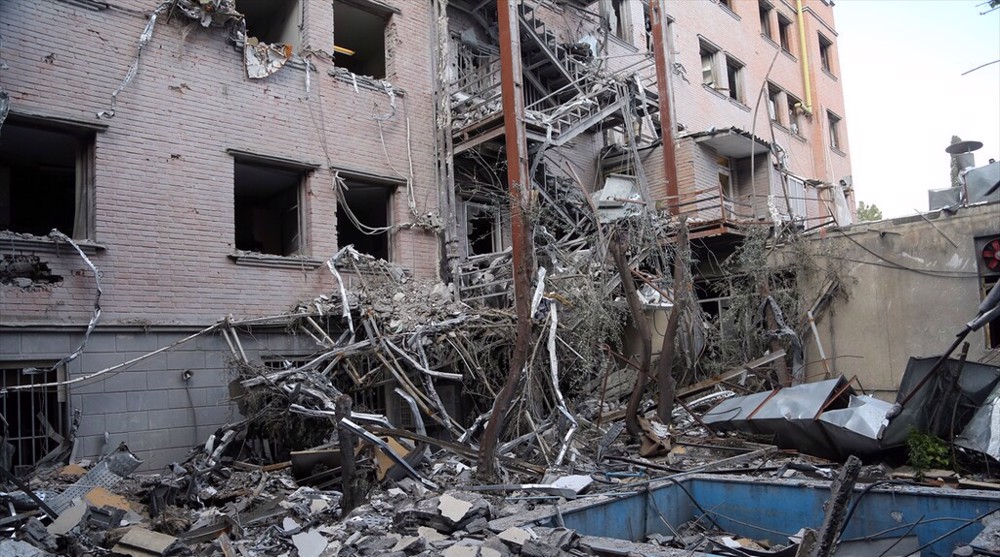
The Tofigh Daru company, a strategic hub for producing active pharmaceutical ingredients (APIs) for anticancer drugs, anesthetics, and MS drugs, was completely destroyed despite being a non-military facility belonging to Iran's retirees and workers under the Social Security Investment Company.
Its destruction meant a direct strike on the health of the most vulnerable. According to Pir Salehi, the facility had succeeded in localizing over 50 strategic APIs. The missiles completely destroyed the production units and the research and development section.
In a coordinated criminal action, the Zionist regime targeted the Pasteur Institute of Iran. Established around 105 years ago, it was not only a vaccine factory but a symbol of science in West Asia.
The World Health Organization announced that the center was severely damaged and no longer able to provide medical services. Tedros Adhanom Ghebreyesus emphasized that the Pasteur Institute had two WHO collaborating centers and played a vital role in emergencies.
The International Journal of Health Policy and Management concluded that the destruction of the Pasteur Institute has paralyzed public health across the Eastern Mediterranean Region.
The report, authored by researchers from 16 institutions including Stanford and the London School of Hygiene, used "scholasticide" to describe the destruction of the Pasteur Institute.
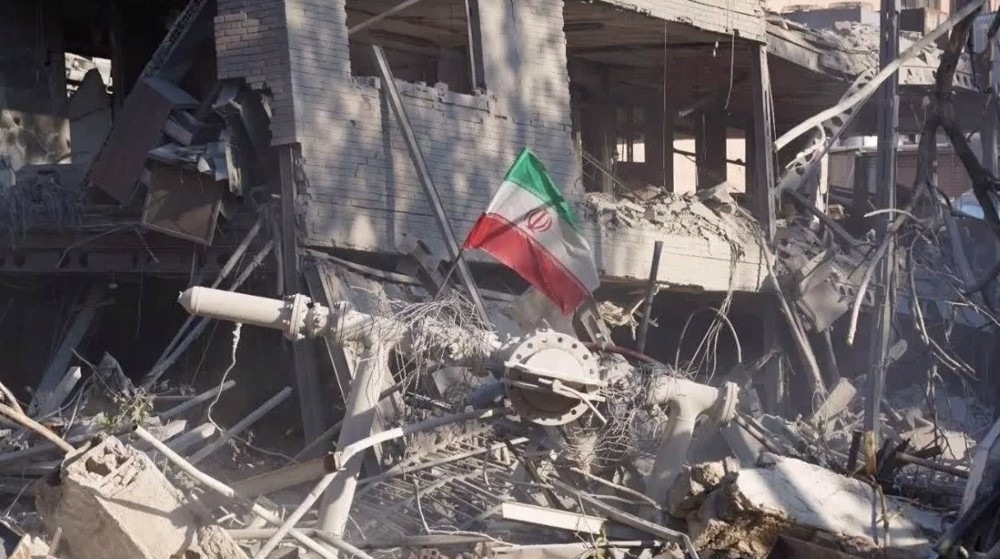
The Israeli regime raised false claims of chemical weapons production to justify this terrorist act. Physicians in Europe rejected the claims.
Dr. Hassan Nayeb Hashem said: "Israel claims this company was providing materials to the IRGC for weapons manufacturing, yet not a single valid document has been provided. This is a big lie to destroy Iran's medical infrastructure."
Tofigh Daru was the only competitor to a Zionist company in producing the API for MS drugs. With its destruction, the monopoly on the global market for this vital drug fell to the Zionist regime. A competition that could not be won in the free market was ended with bombs.
Despite the apocalyptic destruction, the pharmaceutical cycle did not stop. According to the Food and Drug Administration, by distributing specialized personnel to other factories and using spare capacities, the production of none of the strategic products stopped.
During the war, approximately 20 pharmaceutical and health personnel were martyred, including two female pharmacists, and 44 pharmaceutical companies were attacked. Tofigh Daru and the Pasteur Institute were directly attacked. About seven pharmacies in Tehran and nearly 50 across the country were damaged.
The terrorist bombing of Iranian pharmaceutical companies was a turning point in the history of economic wars. It showed that the enemy is willing to trample every ethical and legal red line to destroy a nation's progress.
Nevertheless, Iran's pharmaceutical industry, which grew in the heart of sanctions, has shown that every blow is an opportunity to rebuild stronger.
Understanding Iran’s tourism momentum amid war and sanctions

BRICS paving way for alternative world order, not a war machine against West: Analyst
Iran finds new platform in SCO to develop its rare-earth potential



US aggression, economic warfare amount to crimes against humanity: Iran's UN envoy
Protests erupt in US as ICE agent shoots Venezuelan driver
US pressure fuels cooperation among Muslim states: Pezeshkian
Major TV networks suspend White House pool coverage after Trump ban
US visa ban on Palestinian UN delegation violates international agreements: Hamas
VIDEO | Press TV's news headlines
Iran calls on France to respect law after suspending French cultural institute in Tehran
Israel lobby no longer shy about its grip on US policy on Iran: Araghchi


 PressTV NEWSLETTER
now
PressTV NEWSLETTER
now
 This makes it easy to access the Press TV website
