Iran urges ‘unconditional’ release of all its frozen assets; US defies
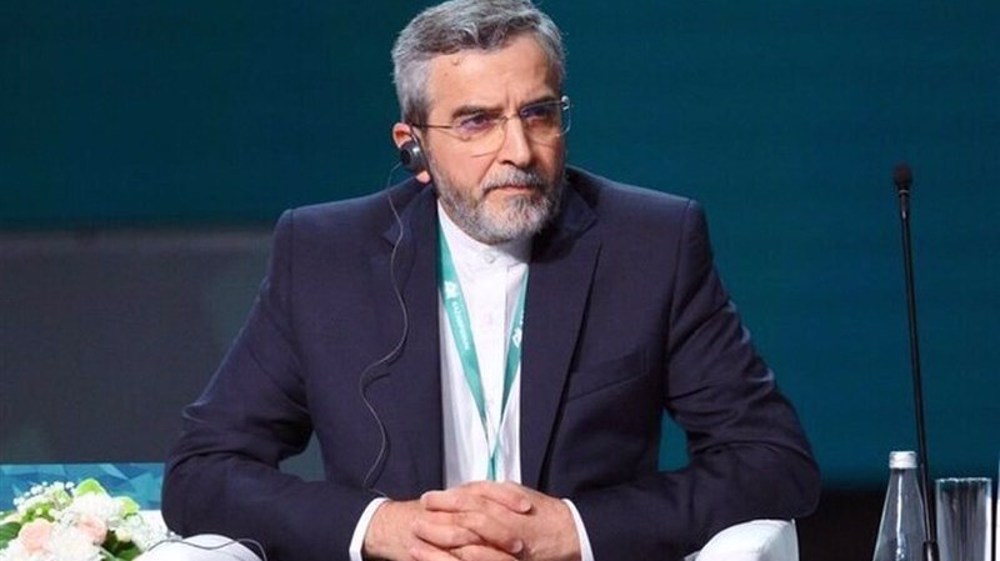
A senior Iranian security official urges the United States to “unconditionally” release all the country’s frozen assets, describing the demand as the “legal right” of the Iranian people.
“We are seeking the release of all Iranian assets frozen by the United States, and this is the legal right of the Iranian nation,” Deputy Secretary of Iran’s Supreme National Security Council (SNSC) Ali Bagheri Kani said in an interview with Russia's RIA Novosti news agency, Tasnim reported.
He added that Iran’s frozen assets must be returned to the country “in full and unconditionally.”
For 47 years, the United States has held billions of dollars of legitimate Iranian wealth: oil revenues, central bank reserves, and commercial assets, seized through illegitimate executive orders and maintained through political pressure.
Days after a ceasefire halted the joint US-Israeli aggression on Iran that began on February 28, the question of Iran's frozen assets emerged as the central test of American sincerity at the negotiating table.
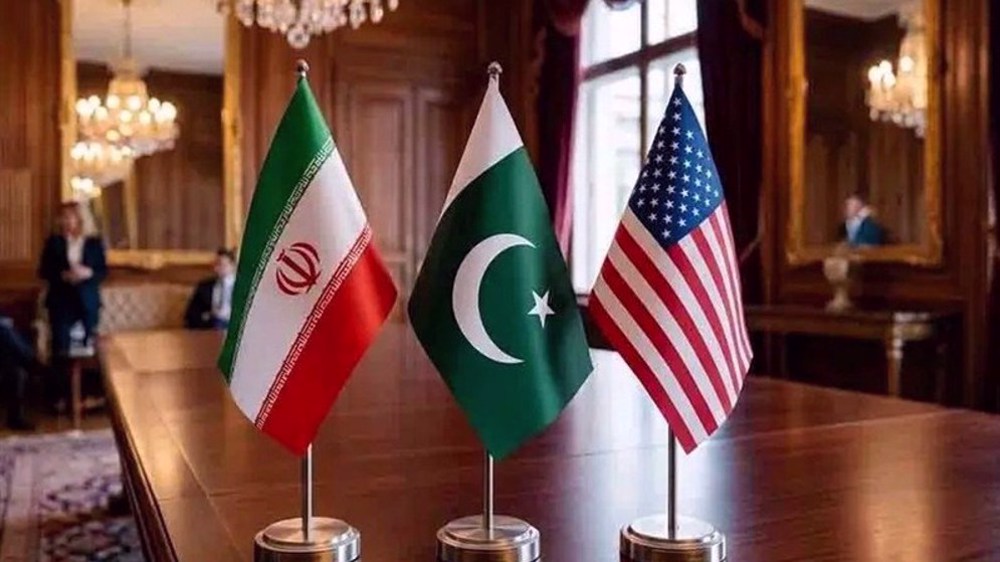
Fars news agency on Tuesday cited a source close to the negotiating team with the US as saying that the issue of Iran's frozen assets remains a key sticking point in the talks between Tehran and Washington, and that negotiations cannot proceed without the release of these funds.
Meaningful negotiations cannot begin without the release of Iran's frozen funds, the source said.
Despite suggestions that indirect talks between Iran and the US, mediated by Pakistan, is close to lead to a memorandum based on the Islamic Republic's 14-point proposal to end the war, American officials continue to make conflicting statements.
US President Donald Trump said on Wednesday that Iran would not receive any sanctions relief as a result of the negotiations.
“We’re not talking about any easing of sanctions or giving money,” Trump told the cabinet meeting.
In an interview with PBS News earlier in the day, the US president also reiterated his claim that Iran would surrender its reserves of enriched uranium but added that Iran would not receive any sanctions relief as a result of the negotiations.
“They’re going to give up their highly enriched uranium, not for sanctions relief. No, no, not at all,” Trump said.
US' excessive demands detached from reality: Bagheri
In an interview with RT, Bagheri Kani, who served as acting foreign minister in 2024, criticized the US for making “excessive demands” in talks with Iran, saying it indicated that officials in Washington are “detached from reality.”
He said the US is making unacceptable demands during the negotiations after failing to defeat Iran militarily.
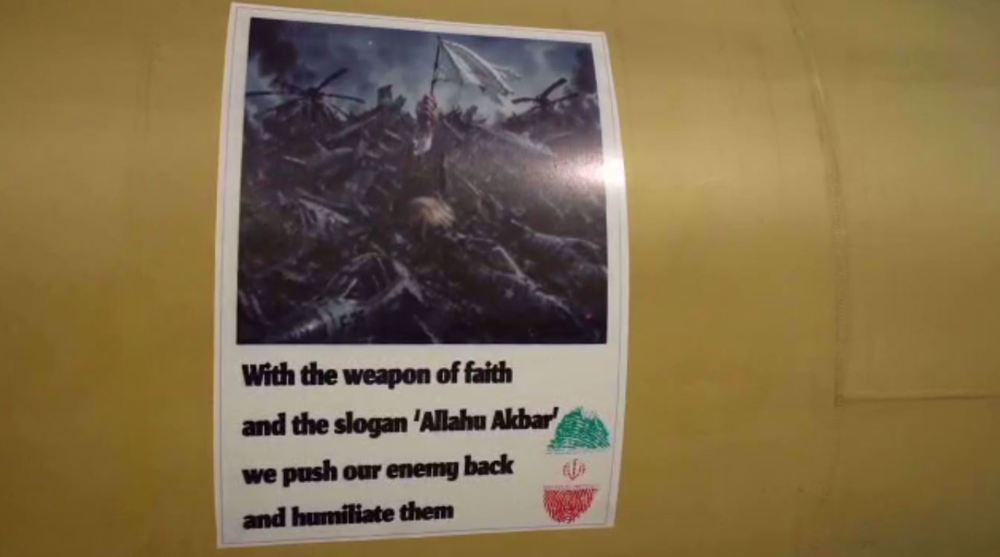
Pointing to Iran’s closure of the Strait of Hormuz, he added that the conflict shows that the status of the strategic waterway is vital to national security.
“Iran, like other independent countries, believes in peace through dialogue and negotiations. The US does not believe in peace through diplomacy. It believes in peace through force, aggression, and barbarism,” the Iranian official emphasized.
He also held the US accountable for current tensions in the region, reiterating that there is “no problem” in relations between Iran and the Persian Gulf states.
The military presence of the US and Israel is an obstacle to peace in the region, he noted.
Bagheri Kani participated in a security conference in Moscow and met with Russian Deputy Foreign Minister Georgi Borisenko.
The United States and Israel launched their unprovoked war of aggression against Iran on February 28. They assassinated Leader of the Islamic Revolution Ayatollah Seyyed Ali Khamenei and struck nuclear facilities, schools, hospitals and civilian infrastructure.
Iran’s Armed Forces responded with retaliatory strikes under Operation True Promise 4, launching hundreds of ballistic and hypersonic missiles, as well as drones, against American military bases across West Asia and Israeli positions throughout the occupied territories.
Iran also shut down the Strait of Hormuz to enemies and their allies following the unprovoked aggression targeting the Islamic Republic.
It began exercising far stricter controls after Trump announced an illegal blockade of Iranian vessels and ports in continuation of the aggression and in violation of the terms of a ceasefire the US president, himself, had declared earlier.
The Islamic Republic has consistently maintained that its retaliatory operations were legitimate self-defense under international law, targeting only American and Israeli military assets while avoiding harm to civilian infrastructure.
Iran also maintains that it seeks to ensure the security of the Strait of Hormuz through enforcing Leader of the Islamic Revolution Ayatollah Seyyed Mojtaba Khamenei's "historic" directive concerning the Persian Gulf and the Strait of Hormuz.
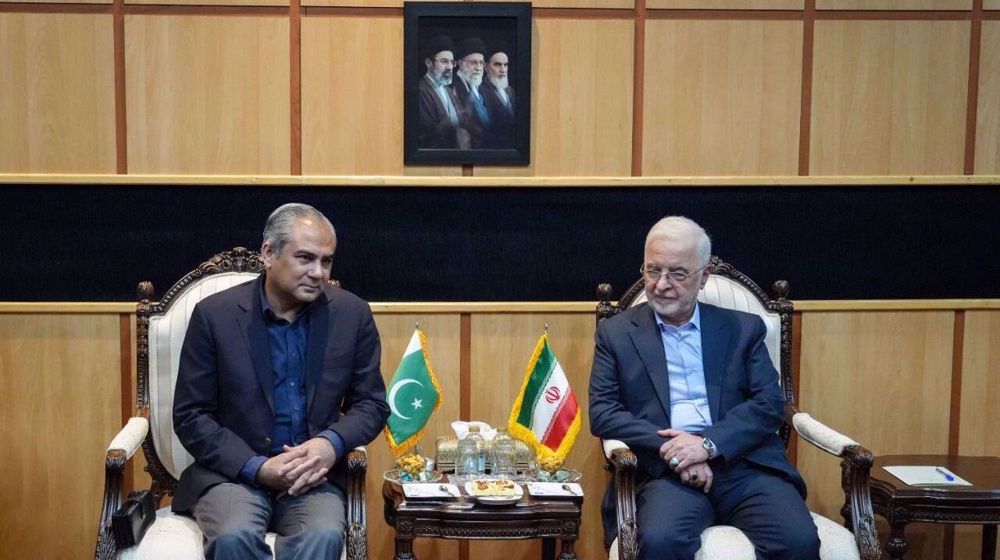
Iran, Pakistan push to finalize agreements, boost cooperation

Drawings of Minab children killed in US attack exhibited outside UN office in Geneva
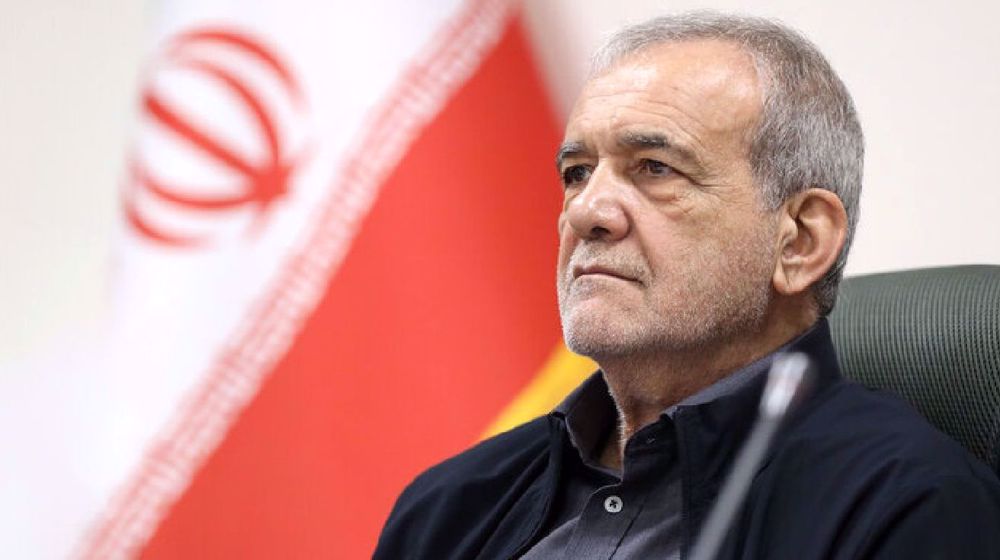
Pezeshkian to travel to New York on Tuesday to address UN General Assembly



Iran urges France to respect Vienna Convention after Tehran suspends institute
Israel lobby no longer shy about its grip on US policy: Iran FM
Saudi Arabia allows Israel to use its military bases to spy on Yemen: Houthi
Judiciary: 12 Iranian fishermen killed, 760 vessels damaged in US attacks on Hormozgan
Iran, Pakistan push to finalize agreements, boost cooperation
VIDEO | Trump’s ICC sanctions prove US support for Israel: Analyst
Drawings of Minab children killed in US attack exhibited outside UN office in Geneva
Iranian engineers develop indigenous engine control units, advancing automotive electronics


 PressTV NEWSLETTER
now
PressTV NEWSLETTER
now
 This makes it easy to access the Press TV website
