Heavy rainfall revives Lake Urmia and Iran's other wetlands – some for first time in years

By Mina Mosallanejad
A series of intense rain systems that began sweeping into Iran in late December has dramatically changed the outlook for many of the country’s parched lakes and wetlands.
The heaviest downpours, concentrated in late March and April, saturated nearly 20 provinces. offering a rare reprieve to ecosystems pushed to the brink by prolonged drought.
As the rains spread across the country, wetlands that had suffered years of desiccation began slowly refilling, and some of them for the first time in nearly a decade.
From the receding shores of Lake Urmia in the northwest to the vast reedbeds of Hoor al-Azim in Khuzestan and the deltaic plains of the Helleh wetland in Bushehr, officials report markedly improved water levels following years of alarming decline.
Yet environmental experts urge caution. They warn that this season of recovery will remain a fleeting anomaly unless wetlands receive their environmental water rights and fundamental water management policies are reformed.
Lake Urmia records highest water volume in five years
On May 3, Reza Rahmani, governor of West Azarbaijan province and secretary of the National Lake Urmia Restoration Taskforce, announced that the lake currently holds approximately 3.5 billion cubic meters of water, describing the development not as “the beginning of Lake Urmia’s revival.”
Speaking to the media, Rahmani attributed the improved conditions to a combination of interventions: cloud seeding operations, dredging of river channels, and the reopening of waterways feeding into the lake.
“Today’s conditions are largely the result of water entering from rivers whose routes were reopened and dredged,” he said.
Rahmani added that cloud seeding had been carried out 23 times in the region this year, while river restoration projects were pursued “seriously” with the cooperation of local communities and villagers.
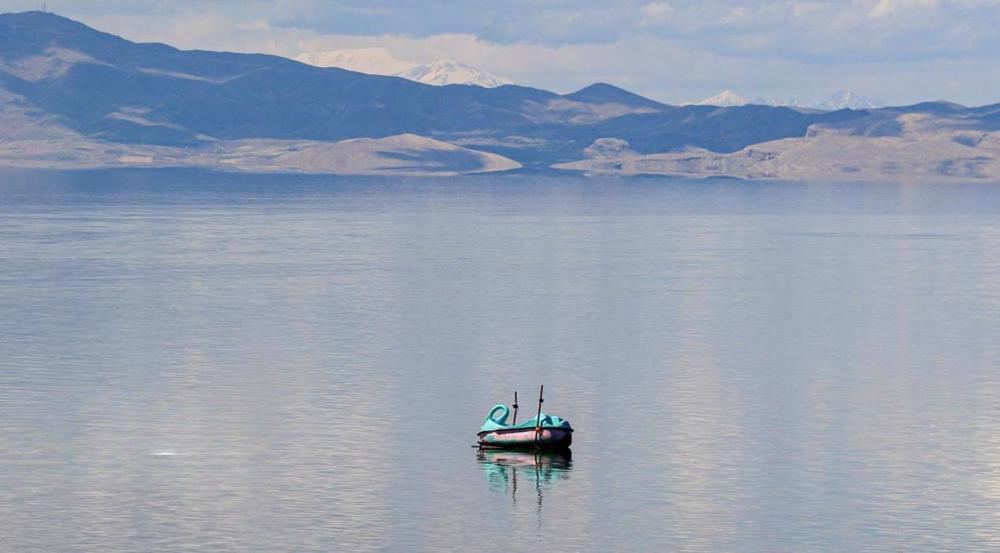
He noted that if water volume exceeds four billion cubic meters during the rainy season, even with up to two billion cubic meters lost to summer evaporation, "the lake could still remain in good condition through the warm season."
Rahmani also added that most dams in the province are now approaching full capacity, and water stress has declined considerably.
However, he stressed that unless agricultural water consumption is reduced by 50 percent from current levels, Lake Urmia will remain under persistent threat.
On the same day, Saeed Issapour, director of planning and integration at the Lake Urmia Restoration Taskforce, told the media that the lake’s current water volume stands more than three billion cubic meters above its level at the start of the current water year, the highest recorded in the past five years.
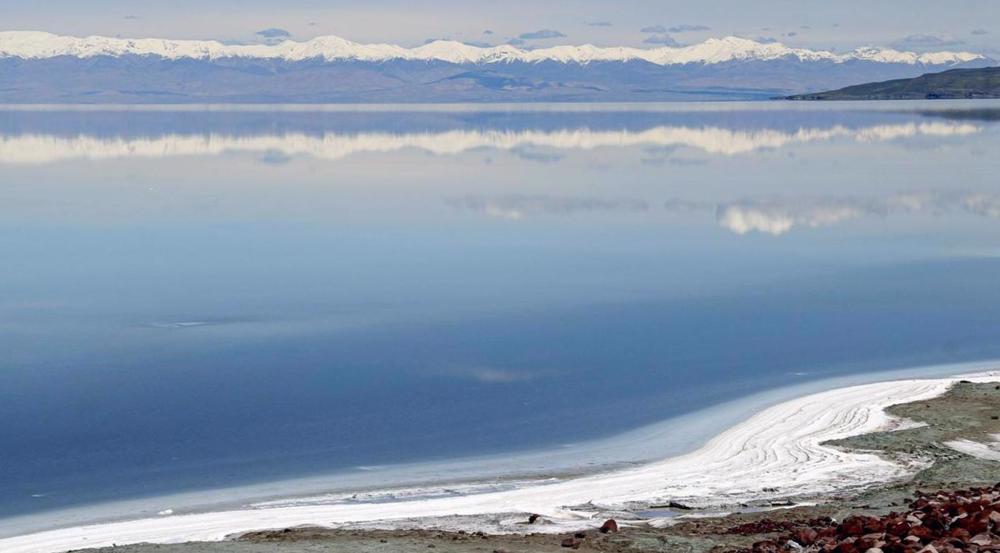
According to Issapour, the lake's water level has risen by 1.4 meters compared to the start of the water year, while its surface area has expanded to 2,255 square kilometers.
He urged farmers and water users along river routes to avoid unnecessary withdrawals from surface water resources, allowing more water to reach the lake.
"Forecasts of significant rainfall in the coming autumn and winter give us hope that after the spring rains, sufficient lake volume, and the passage of the hot season, we can maintain the body of Lake Urmia in a stable condition until the autumn rains arrive," he said.
Under such conditions, he noted, a markedly improved situation for Lake Urmia could be envisioned in the next water year, provided the expected autumn, winter, and spring rainfall materializes.
Miqan wetland revived after years of drought
According to the Wetlands Protection Center of Markazi Province, the Miqan wetland near Arak has also experienced a significant revival after the recent rainfall.
Officials said on May 5 that the wetland's 12,000-hectare water body has been restored following years of drought, thanks to favorable rainfall.
The last time more than 100 million cubic meters of water entered the wetland was in 2019, when the entire basin became submerged.
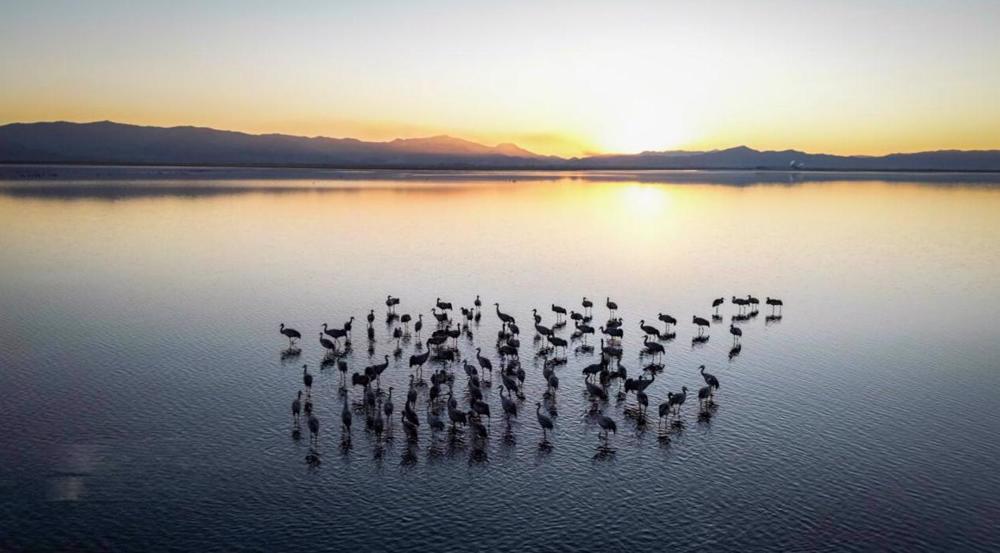
Miqan Wetland hosts around 12,000 migratory birds annually, including species arriving from Siberia.
Environmental authorities say more than 16 percent of Iran’s bird species and 60 percent of the bird species recorded in Markazi province inhabit the wetland.
Helleh wetland filled for first time in two decades
Abdolrahman Moradzadeh, director general of the Department of Environment in Bushehr province, said on May 6 that the Helleh wetland has become completely filled for the first time in two decades.
Speaking to reporters, Moradzadeh described the current water volume as unprecedented following recent rainfall.
He noted that Helleh, the only natural freshwater wetland in the region, had long struggled with chronic water shortages and the absence of dedicated environmental water allocation.
Ahmadreza Lahijanizadeh, deputy head of Iran's Department of Environment, told Fars News Agency that a combination of dredging operations and recent rainfall had successfully redirected floodwaters toward the wetland.
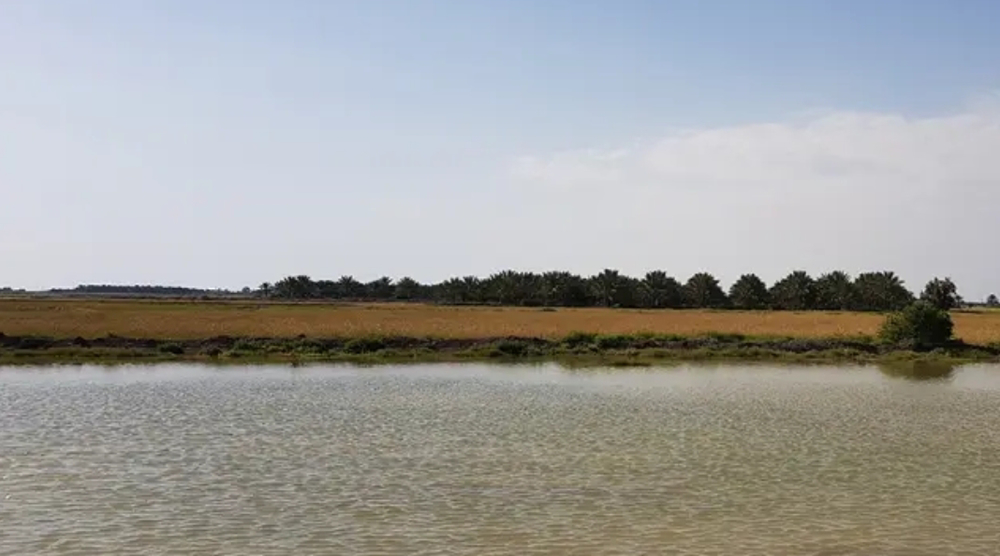
“Even excess water has overflowed into surrounding lands, creating conditions that could support a better breeding season for birds and help restore habitats,” he said.
Sadegh Pursalem, head of the Department of Environment in Bushehr County, also said more than 120 bird species have now been identified in Helleh Wetland.
“Many of these species are migratory winter birds that return to the region every rainy season,” he said, adding that improved water conditions and vegetation had encouraged several species to return after years of absence.
Pursalem also noted that around 20 mammal species inhabit the wetland area at the moment.
Hoor al-Azim and Zarivar see significant recovery
The recent rains have also improved conditions in Hoor al-Azim wetland in southern Khuzestan province, known for its arid climate.
Satellite imagery during autumn and winter last year showed less than 30 percent of the wetland covered by water, amid declining rainfall and extensive dam construction upstream.
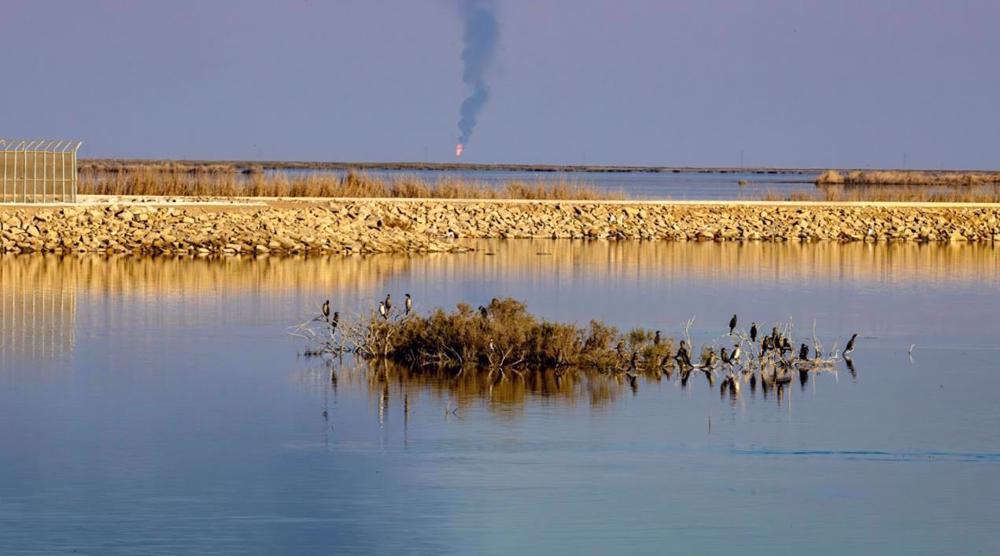
Following recent precipitation, however, officials report that approximately 60 percent of the wetland has now been refilled.
Meanwhile, the Zarivar international wetland in Marivan has overflowed after its water volume exceeded 64 million cubic meters.
Mehdi Balideh, head of the local Department of Environment, said the overflow occurred from the southern section of the wetland into the Marivan River, coinciding with the return of migratory and native bird species.
Environmental specialists note that the overflow reflects strong natural recharge, a promising sign of hydrological recovery. Nevertheless, they stress that the situation still requires careful scientific monitoring.

Kani Barazan and Gahar lake return to life
Kani Barazan wetland, located about 30 kilometers north of Mahabad, has also recovered significantly after nearing complete desiccation during recent months of extreme heat and water shortages.
Officials say approximately five million cubic meters of water have entered the internationally recognized wetland, potentially paving the way for ecosystem recovery in the area.

The wetland’s watershed covers more than 1,000 square kilometers, while nearly 907 hectares are managed directly by Iran’s Department of Environment.
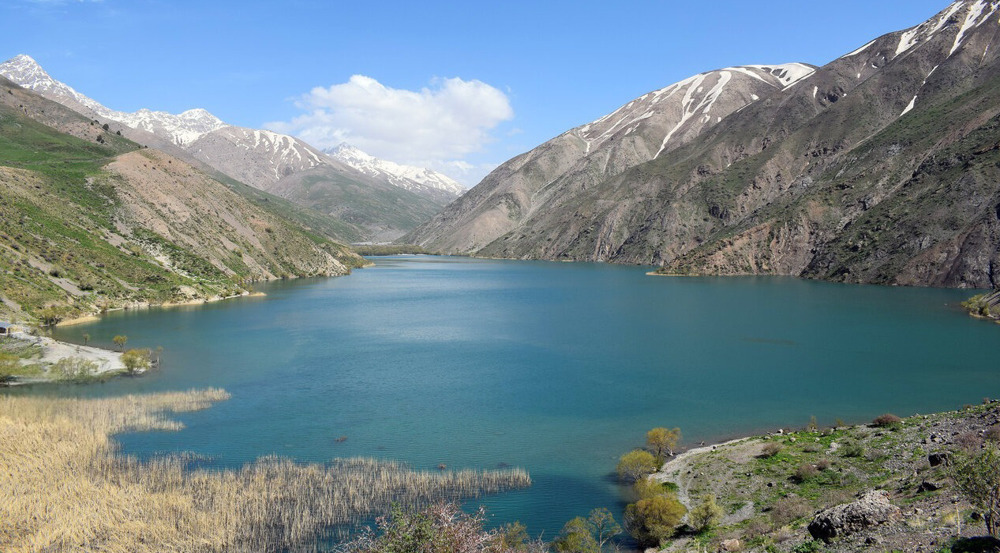
In Lorestan province, Gahar Lake, currently under consideration for registration under the international Ramsar Convention, is now reported to be completely full.
According to environmental authorities, the picturesque lake, located in the protected Oshtorankuh region at an elevation of 2,360 meters above sea level, has reached full capacity after seasonal precipitation.
Flamingos return to Boujagh National Park
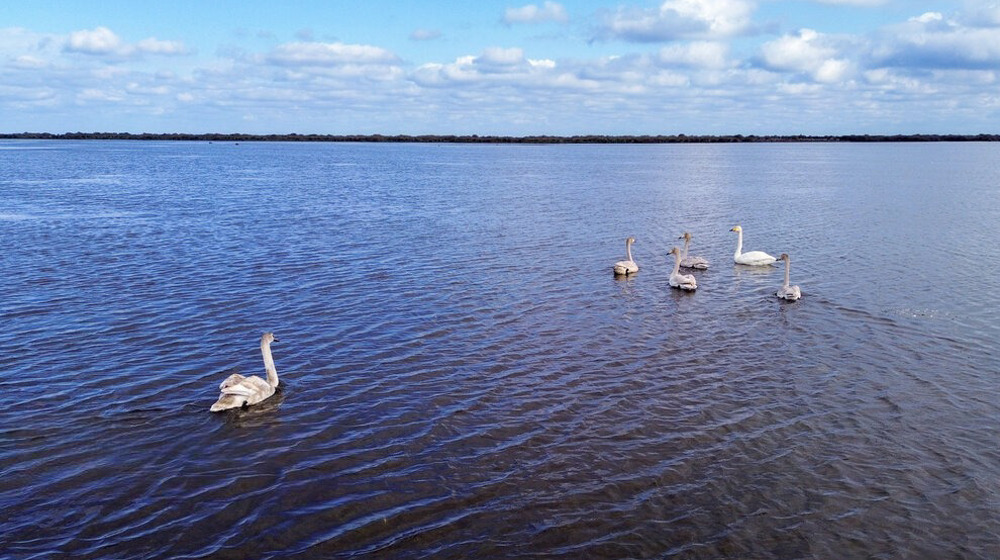
In northern Iran, officials in Gilan province reported the arrival of 40 flamingos at Boujagh National Park wetland on May 8.
Yaghoub Rakhshbahar, acting head of Boujagh National Park, said the presence of flamingos reflects favorable ecological conditions in the wetland.
“The arrival of flamingos indicates suitable water quality, access to food resources and relative safety within the habitat,” he said.
He described the wetland as one of northern Iran’s most valuable ecosystems for migratory birds.
Meteorological Organization: Rainfall part of a regional pattern
Sahar Tajbakhsh, head of Iran’s Meteorological Organization, said the recent precipitation resulted from interactions between large-scale and mid-scale atmospheric systems that transferred moisture from sources such as the Indian Ocean and the Mediterranean Sea.
Speaking to the media, Tajbakhsh said similar rainfall patterns had also affected other countries in West Asia.
“Heavy rainfall was recorded in neighboring countries before reaching Iran, showing that these weather events had a regional nature,” she said.
According to Tajbakhsh, above-normal rainfall had been forecast months in advance using scientific climate models.
Environmental expert warns against false optimism
Despite the improved conditions, Iranian environmentalist Mohammad Darvish cautioned against interpreting the recent rainfall as the beginning of a long-term wet period.
Darvish, who previously served as director general of public participation at Iran’s Department of Environment and later headed environmental policy at the Strategic Studies Center of the presidency, told the Press TV website that Iran remains structurally a dry country located within the world’s arid belt.
“We should not assume that Iran is entering a prolonged wet cycle,” he said. “Historically, drought has been the dominant condition in this region.”
Darvish, who also chaired the environmental committee at UNESCO’s Social Health Chair, said Iran’s development planning should become less dependent on water-intensive economic activity and more resilient to climate variability.
“Our development model should not remain heavily dependent on rainfall and water-intensive industries,” he said. “The economy needs to move toward activities that require less pressure on water resources.”
He noted that rainfall across Iran has so far reached 225.1 millimeters this year — roughly four percent above the country’s 57-year average — though major population centers such as Tehran, Isfahan and Qom continue to face drought conditions.
“Iran is naturally located within one of the world’s dry belts, and drought is generally the norm rather than the exception,” Darvish said.
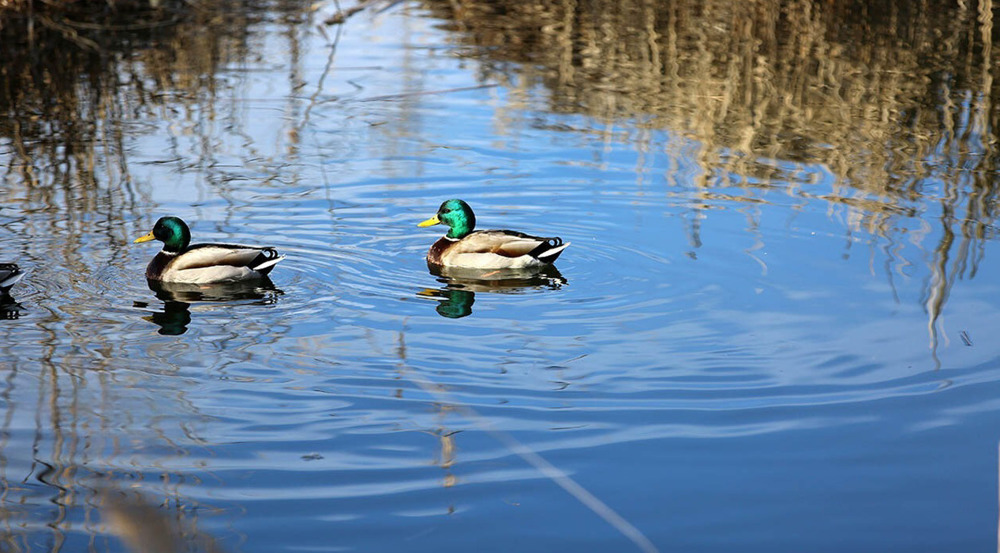
Darvish also warned that Lake Urmia’s current recovery should not yet be considered a full restoration.
“The current improvement in Lake Urmia is largely the result of an exceptional rainy year in the basin,” he said. “Without stable environmental water allocation, it is difficult to describe the lake as fully restored.”
He explained that this year’s recovery was primarily driven by unusually high rainfall across West Azarbaijan, East Azarbaijan and Kordestan provinces rather than structural water reforms.
According to Darvish, Lake Urmia still contains only a fraction of the roughly 20 billion cubic meters of water needed to return to normal ecological conditions.
While acknowledging that river dredging and restoration projects can help improve water flow, Darvish said sustainable recovery ultimately depends on long-term allocation of environmental water rights and balanced management of upstream water resources.
“Large-scale upstream water management projects, alongside climate change and expanding agricultural demand, have all contributed to pressure on Iran’s wetlands,” he said.
As Darvish puts it, the key question is not whether Iran can experience wet years — but whether it can sustainably manage its water resources in a country where drought remains the historical baseline.
200 nights, one resilient nation: Iranian people’s epic in defense of homeland and Revolution

Discover Iran: Tabriz Grand Bazaar, where centuries of trade, culture and craftsmanship still thrive

Rashti embroidery showcases Iranian heritage at BRICS summit



IRGC Navy strikes Togo-flagged tanker after illegal attempt to transit Strait of Hormuz
US lawmaker slams Trump’s $5 billion weapons sale to Saudi Arabia
Russia, China veto US backed anti-Iran resolution at UN Security Council
Araghchi welcomes Xi’s initiatives, hails China-Iran strategic partnership
VIDEO | Gaza transport crisis deepens as 70% of vehicles remain out of service
VIDEO | Press TV's news headlines
Iran summons German ambassador over Berlin’s hostile positions, interventionist activities
Israeli occupation court extends detention of Press TV journalist Naqaa Hamed


 PressTV NEWSLETTER
now
PressTV NEWSLETTER
now
 This makes it easy to access the Press TV website
