
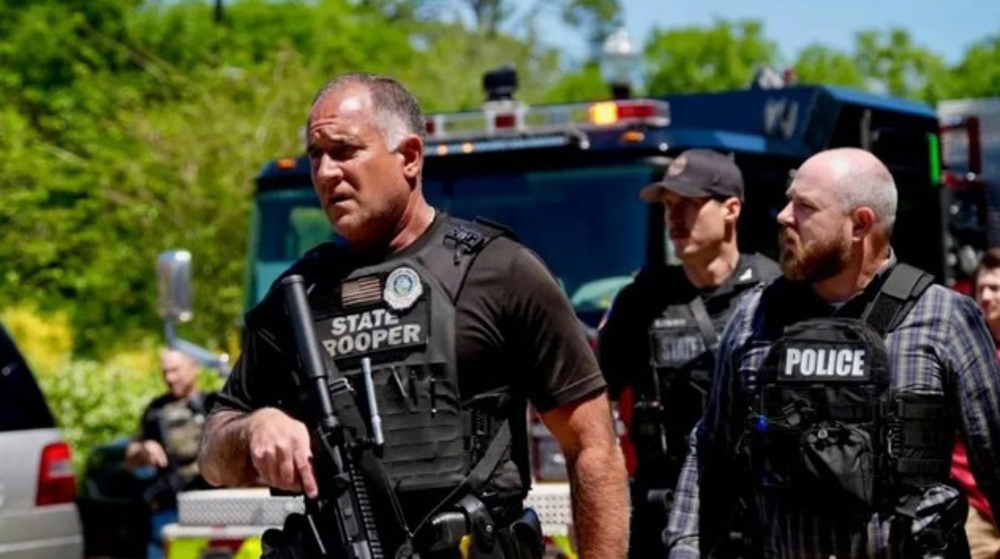
OpenAI is facing a federal lawsuit over the role of its chatbot, ChatGPT, in helping enable the April 2025 mass shooting at Florida State University that left two people dead.
The lawsuit was filed in Florida on Sunday by Vandana Joshi, the widow of Tiru Chabba, who was killed alongside university dining director Robert Morales. The complaint also names Phoenix Ikner, the man accused of carrying out the attack, as a defendant.
According to the lawsuit, Ikner engaged in "extensive conversations" with ChatGPT before the shooting. The filing alleges OpenAI failed to recognize warning signs, claiming the chatbot "either defectively failed to connect the dots or else was never properly designed to recognize the threat."
The complaint says Ikner shared firearm images with ChatGPT, which allegedly explained how to use the weapons, including telling him a Glock "had no safety" and was designed to be fired "quick to use under stress."
The suit also alleges the chatbot discussed how shootings attract media attention and provided information about the busiest hours at the FSU student union. According to the complaint, ChatGPT identified weekday lunchtime between 11:30 a.m. and 1:30 p.m. as peak hours. Ikner allegedly began the attack at about 11:57 a.m.
The lawsuit further claims ChatGPT encouraged Ikner’s extremist thinking and failed to intervene, despite discussions about suicide, terrorism, mass shootings, and ideologies linked to Nazis, fascism, and racism. It also says Ikner discussed previous attacks, including the Columbine High School massacre and the Virginia Tech shooting.
OpenAI rejected claims that ChatGPT was responsible for the attack.
"Last year’s mass shooting at Florida State University was a tragedy, but ChatGPT is not responsible for this terrible crime," OpenAI spokesperson Drew Pusateri said.
He added that ChatGPT provided factual information already publicly available online and "did not encourage or promote illegal or harmful activity."
The case comes amid growing scrutiny of AI safeguards and concerns that chatbots may reinforce harmful or delusional thinking in vulnerable users.
 This makes it easy to access the Press TV website