May 8: Iranian forces inflict damage on US assets in Strait of Hormuz as Trump's desperation grows
By Press TV Website Staff
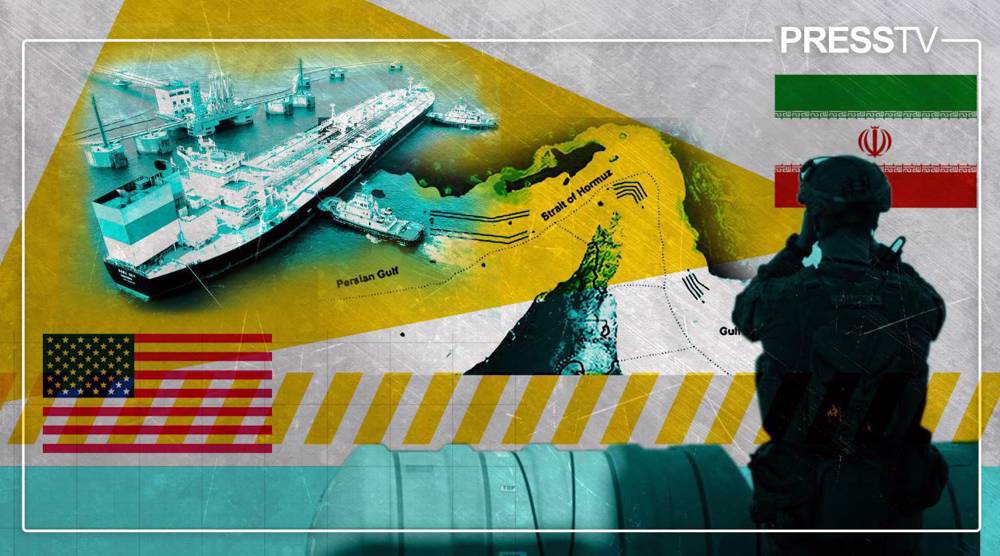
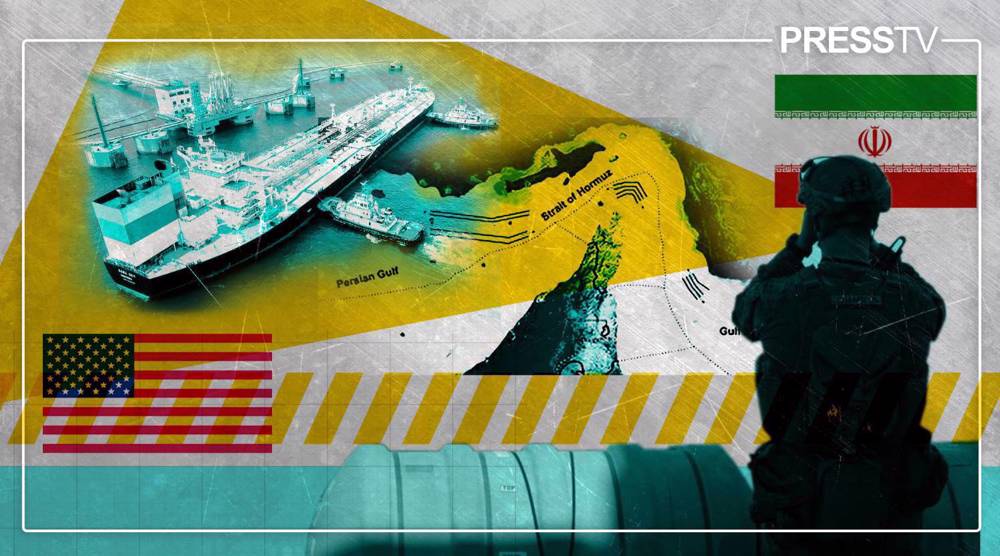
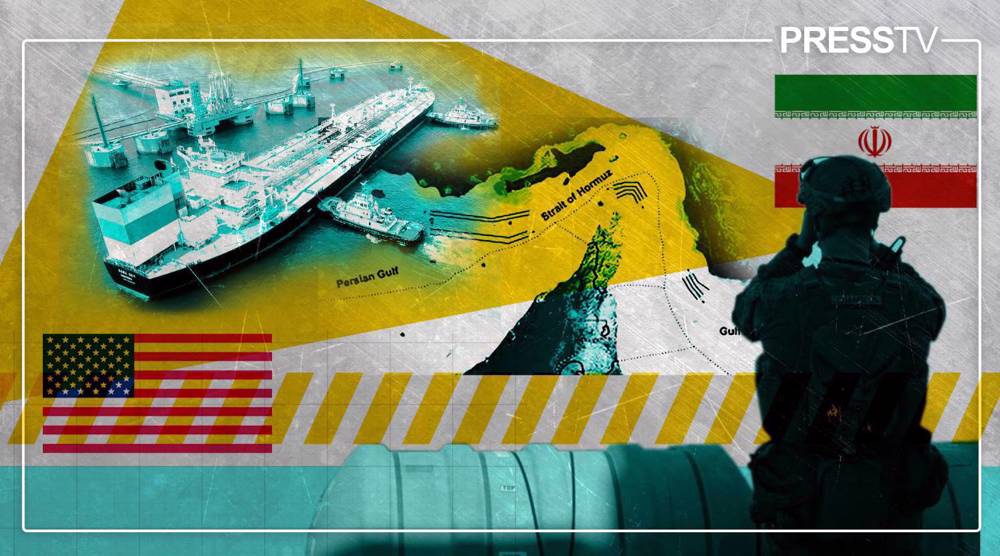
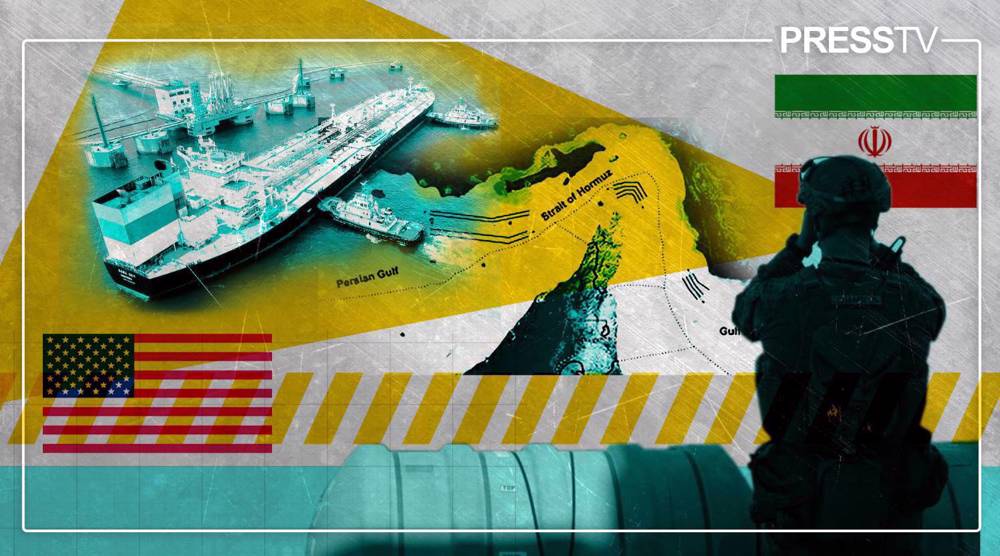
Tightening their strategic grip on the Strait of Hormuz, Iranian armed forces confirmed inflicting significant damage on US naval assets in a coordinated operation that forced three American destroyers to flee the strategic waterway.
In a separate development, the Iranian Navy detained the Ocean Koi tanker off the Gulf of Oman for attempting to disrupt Iran’s oil exports, even as Tehran openly dismissed Washington’s deadlines on a US proposal to end the imposed war.
Foreign Minister Abbas Araghchi warned that the US turns to “military adventurism” when diplomacy is within reach, reaffirming that the Islamic Republic will not yield to pressure.
Senior Iranian officials underscored the collapse of Washington's attempts to choke regional trade through maritime banditry, piracy, and military aggression.
Meanwhile, international developments highlighted Washington's growing regional and global isolation. Russia's UN Ambassador Vasily Nebenzya rejected a US-backed anti-Iran resolution, and Saudi officials denied opening their airspace for US attacks.
Brent crude surged above $101 per barrel following Washington's attack on Iranian vessels, heightening global concerns over energy security.
Key developments on day 70 of the war, the thirty-first day of the ceasefire:
- Iran’s Foreign Minister Abbas Araghchi warned that the United States tends to resort to military adventurism precisely when a diplomatic solution appears imminent, stressing that the Islamic Republic will never yield to pressure.
- The Iranian Navy detained an oil tanker, Ocean Koi, off the Gulf of Oman over maritime violations and attempting to disrupt Iran’s oil exports.
- The Islamic Revolution Guards Corps (IRGC) Navy said its forces inflicted significant damage on US naval assets in a large-scale and coordinated operation on Thursday evening, forcing three American destroyers to flee the Strait of Hormuz. The operation was launched in response to two attacks on Iranian tankers by the US military.
- Iran’s Foreign Ministry strongly condemned US acts of aggression against Iranian oil tankers and coastal infrastructure, describing the attacks as a blatant violation of the ceasefire agreement.
- The spokesperson for Iran’s Foreign Ministry, Esmaeil Baghaei, said Tehran’s response to a proposal by the United States to end the war against the Islamic Republic is still under review, paying no heed to the Americans’ deadlines.
- Iranian President Masoud Pezeshkian said that colonialism and exploitation will have no place in the world of tomorrow, reaffirming Tehran's commitment to expanding friendly relations based on mutual respect and common interests.
- Petroleum Minister Mohsen Paknejad said the country's oil production and exports continued without disruption during the 40 days of the US-Israeli aggression, while officials explore new revenue streams tied to tighter control of the Strait of Hormuz.
- Ali Akbar Pourjamshidian, deputy interior minister for Security and Law Enforcement, said the so-called US naval blockade in the Persian Gulf has failed to disrupt the country’s trade and border operations, with all crossings and shipping routes remaining fully functional.
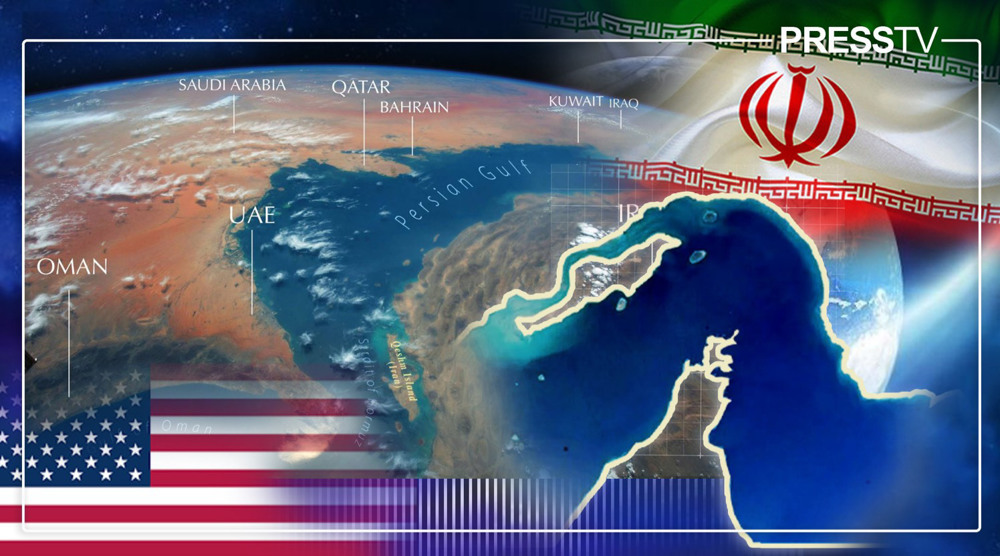
- Mohammad Mokhber, top advisor to the Leader of the Islamic Revolution, Ayatollah Seyyed Mojtaba Khamenei, said Iran will never give up the Strait of Hormuz, highlighting its great capabilities.
- Iran firmly rejected a US-Bahrain draft resolution on the Strait of Hormuz, calling it a one-sided attempt to legitimise unlawful military actions while ignoring the root cause of the crisis, which is the US-Israeli war of aggression against the Islamic Republic since February 28.
- Iran’s Foreign Ministry spokesperson praised the extraordinary courage and sacrifices of Iranian Red Crescent workers and volunteers during the recent US-Israeli war of aggression.
- The chairman of the Iranian Parliament's National Security and Foreign Policy Committee, Ebrahim Azizi, praised South Korea’s “wise” decision not to join the United States’ military campaign to forcibly reopen the Strait of Hormuz.
- Russia’s permanent representative to the United Nations, Vasily Nebenzya, categorically rejected a US-proposed anti-Iran resolution at the UN Security Council, terming it yet another unbalanced and confrontational attempt by Washington to isolate the Islamic Republic while ignoring the real roots of the crisis in West Asia.
- A Saudi official denied reports that Riyadh opened its airspace for US military aggression against Iran, saying such claims are being circulated in the media for “suspicious reasons,” a report said.
- Israeli air attacks on the Lebanese towns of Doueir, Harouf and Habboush in the Nabatieh district killed 11 people, including two children, and wounded 36, Lebanon’s National News Agency reported.
- Iran strongly condemned the Israeli regime's terrorist attacks on residential areas in the southern suburbs of the Lebanese capital of Beirut.
- Lebanon’s Hezbollah resistance movement carried out 13 targeted military operations against invading Israeli troops advancing into Lebanese territory.
- Trump administration reportedly approved sales of thousands of interceptor missiles and related services worth $17 billion to three Persian Gulf Arab countries, including Kuwait, the UAE and Bahrain, New York Times reported
- The United Arab Emirates provided $100 million to Trump’s so-called Board of Peace to finance the training of a new police force aimed at controlling Gaza on behalf of the Israeli regime, according to reports.
- Amid growing isolation, US Secretary of State Marco Rubio rushed to Italy in a desperate bid to shore up support for Washington and Tel Aviv’s unpopular war of aggression against Iran, amid rapidly deteriorating relations between them.
- Israeli prosecutors indicted three Israeli soldiers and a settler with spying for Iran after they allegedly maintained long-term contact with Iran-linked agents.
- Unknown traders placed nearly $920 million in short positions on crude oil on May 6, just minutes before Axios published a report saying Washington and Tehran were nearing a deal to end the war, according to data from Unusual Whales, a trading surveillance platform that monitors unusual market activity.
- Oil prices surged after the US attacked Iranian vessels in the Strait of Hormuz, raising fears over the fragile ceasefire and the security of global energy supplies. Brent crude rose as much as 7.5 percent before easing to about $101 per barrel early Friday.
Border guards seize 33 firearms in anti-smuggling operations in northwestern Iran
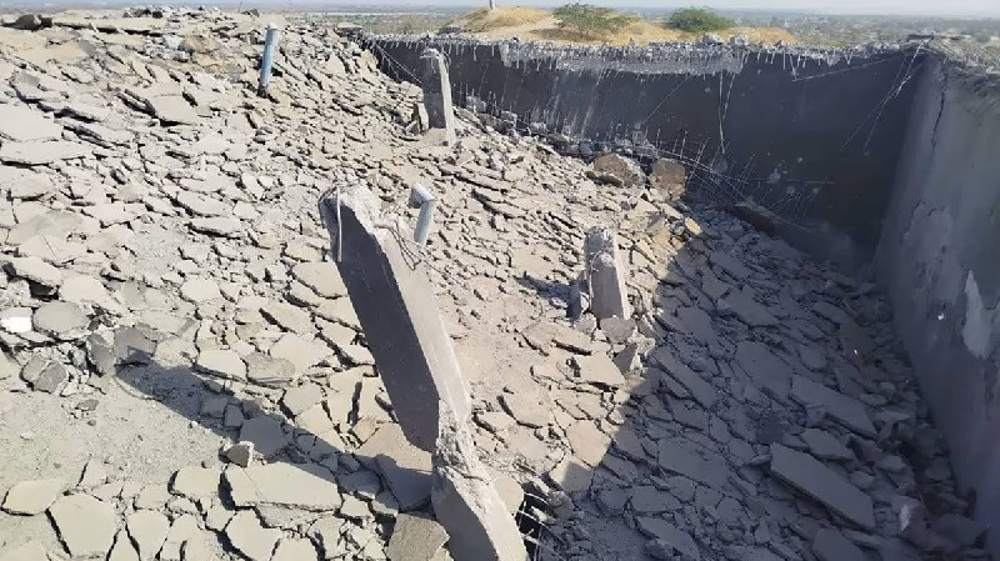
Water supply fully restored in Hormozgan's Sirik after US strikes
Iran’s resistance against US aggression echoes China’s Korean War, signaling end of Western hegemony



Bulgaria summons Ukrainian envoy after drone explodes on its territory
Iran won’t hold new talks as long as US violates war-ending deal: FM Araghchi
Yemeni forces launch fresh missile, drone strikes on Saudi-backed mercenaries
VIDEO | Press TV's news headlines
President Pezeshkian meets Leader as he begins his third year in office
Border guards seize 33 firearms in anti-smuggling operations in northwestern Iran
Yemen says Saudi Arabia paid for hostile Security Council statement
Water supply fully restored in Hormozgan's Sirik after US strikes



 PressTV NEWSLETTER
now
PressTV NEWSLETTER
now
 This makes it easy to access the Press TV website
