Iran says oil output uninterrupted as tankers crush US blockade, Tehran eyes new revenue from Hormuz
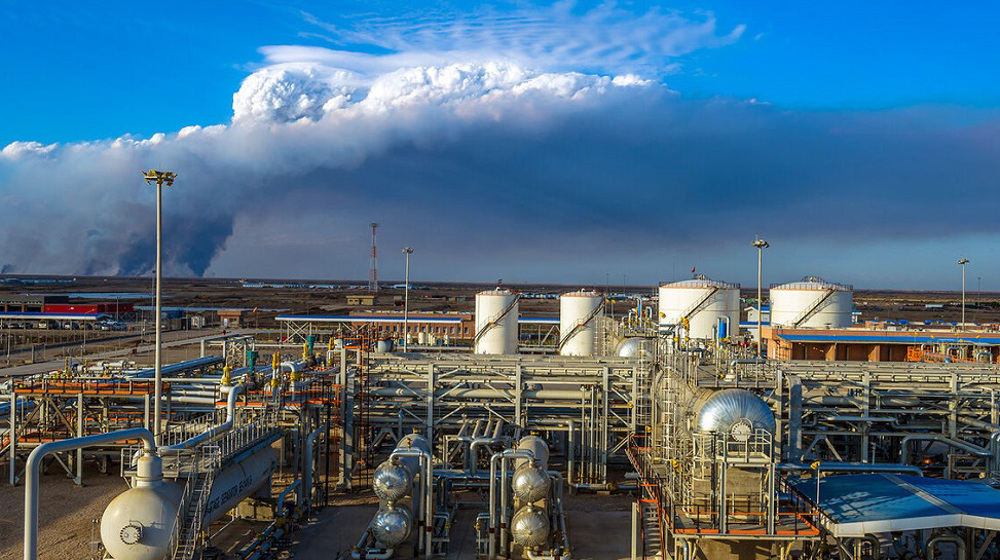
Iran says its oil production and exports continued without disruption during the 40 days of the US-Israeli aggression, while officials explore new revenue streams tied to tighter control of the Strait of Hormuz.
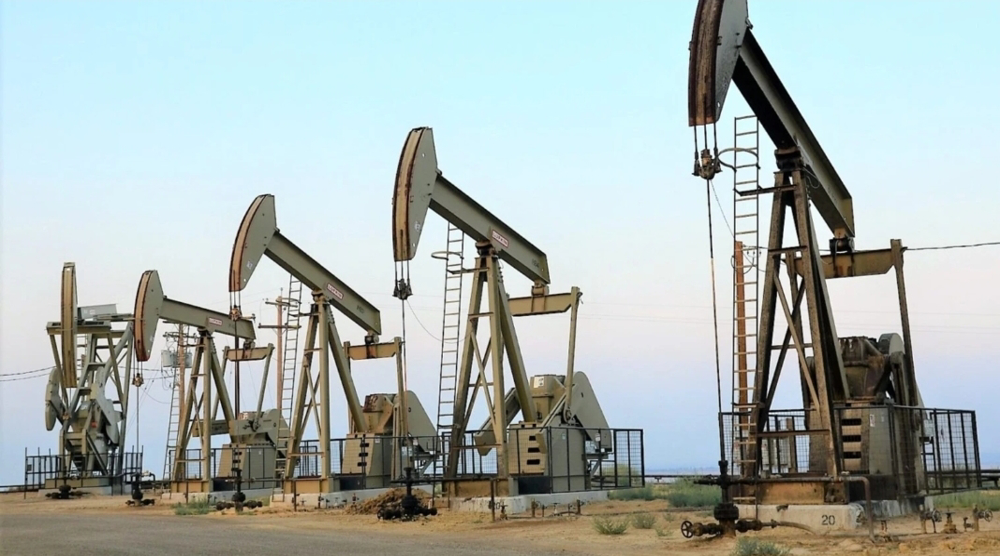
Iran’s oil minister said the country maintained steady crude production throughout the recent 40‑day war, which began on February 28, even as some energy facilities came under attack and tensions escalated around the strategic Strait of Hormuz.
Petroleum Minister Mohsen Paknejad said the sector continued operating despite the war. “During the 40 days of war, we practically had no reduction in crude oil production and our exports continued properly and there was no problem in this regard,” he said.
Paknejad praised workers across the industry, calling their performance “very brilliant” during the period.
He acknowledged that several facilities sustained damage from strikes by the American‑Zionist enemy, but said repair work was launched immediately.
According to the minister, reconstruction is progressing quickly so that the affected infrastructure can return to service on schedule and ensure the continuation of energy supplies.
Former IRGC commander Mohsen Rezaei:
— Press TV 🔻 (@PressTV) April 27, 2026
No country is capable of blocking Iran's oil exports. The President of the United States is advised to focus on organizing the chaos prevailing over the US government, economy, and armed forces, instead of engaging in empty boasting. pic.twitter.com/gOnUEzvq4u
The comments come amid heightened tensions in the Strait of Hormuz, a critical maritime corridor through which a significant share of the world’s energy trade passes.
Iran shut down the strait to its enemies and their allies after the unprovoked US‑Israeli aggression. Iranian authorities began enforcing much stricter controls last month following US President Donald Trump’s announcement of a blockade targeting Iranian vessels and ports.
Tehran says the measures violate the terms of a Pakistan‑brokered ceasefire that took effect on April 8 and was later extended unilaterally by Washington.
Despite the blockade, shipping activity linked to Iranian crude appears to be continuing.
Tanker tracking service TankerTrackers reported on Friday that three cargo‑empty tankers belonging to the National Iranian Tanker Company had crossed the US Navy blockade line after returning to Iran through Pakistan’s Exclusive Economic Zone.
Combined, the vessels have the capacity to transport roughly five million barrels of Iranian crude oil, it added.
According to TankerTrackers, over the past two days, three empty NITC oil tankers passed through Pakistan’s exclusive economic zone and reached Iran, slipping past a US military blockade.
— Press TV 🔻 (@PressTV) May 8, 2026
The three tankers have a combined capacity of around 5 million barrels of crude. pic.twitter.com/TN2Tl0IyiP
Meanwhile, Iranian officials are examining ways to generate new income from the strategic waterway.
According to Ali Khezrian, a member of parliament’s National Security and Foreign Policy Commission, the economy minister recently briefed the cabinet on projected revenue streams from managing traffic in the Strait of Hormuz.
The report examined the economic potential of the corridor, one of the region’s most important geopolitical and commercial chokepoints.
Although no formal details have been released, domestic speculation has focused on possible earnings from transit fees, maritime services and traffic management.
Analysts cited by Iranian media say that, with new legal and operational mechanisms, Tehran could convert part of the strait’s economic capacity into stable foreign‑currency income.
Iran maintains that the waterway will remain closed to its adversaries as long as the US blockade of Iranian ports continues, describing the restrictions as maritime piracy and a war crime.
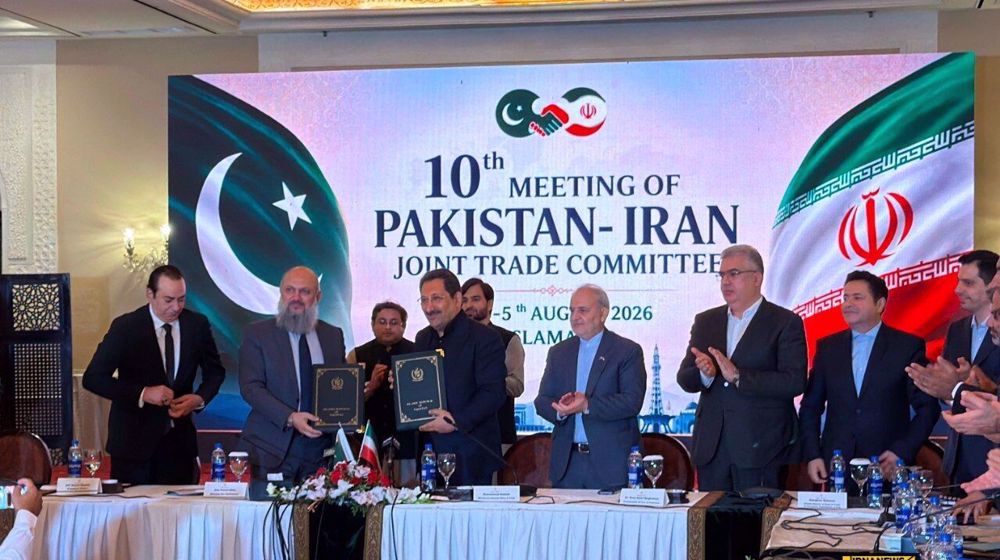
Iran, Pakistan commit to $10 billion trade goal with new partnership deal
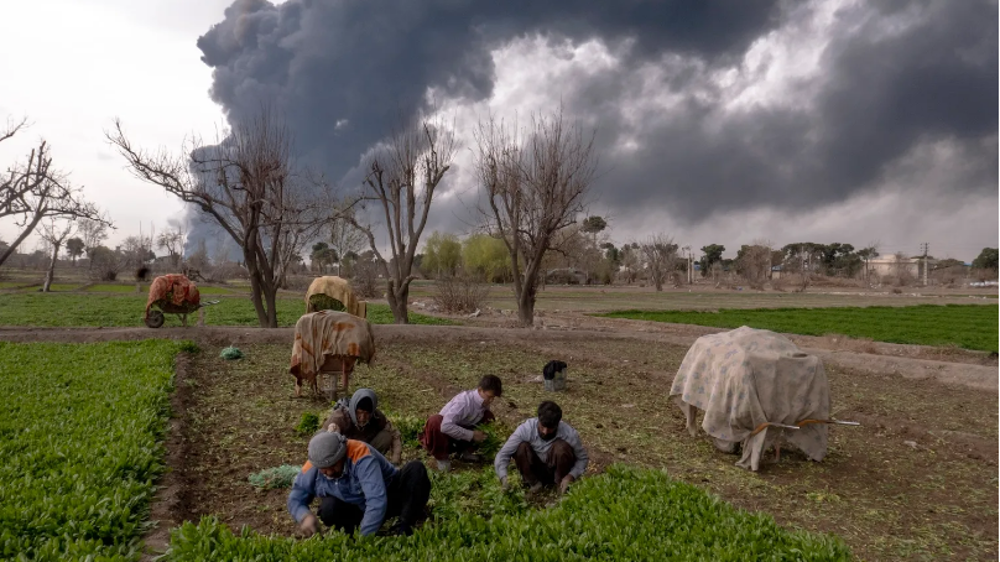
The untold story of hidden war on Iran's dinner table
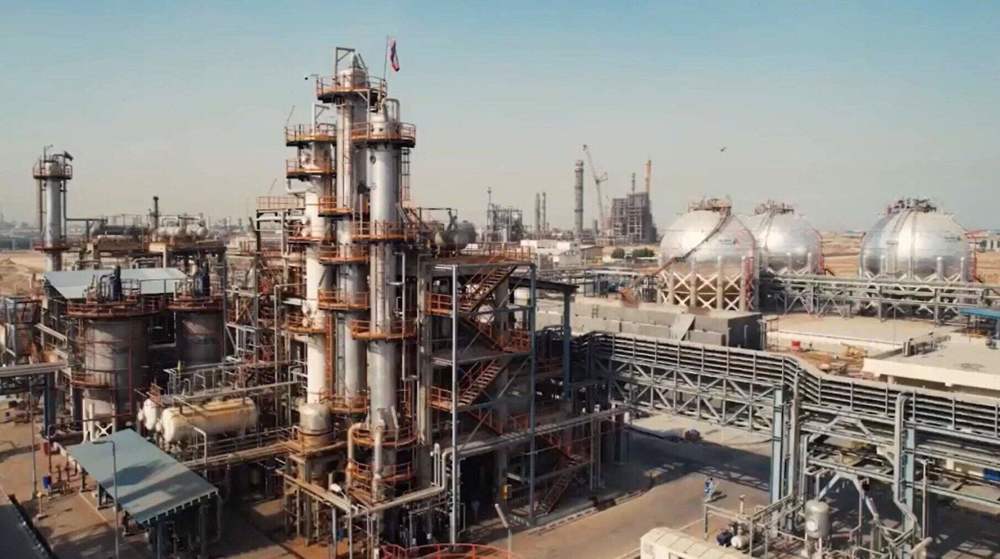
Iran localizes 2,000 sanctioned petrochemical components to boost domestic production



US Senate overwhelmingly approves sweeping Russia sanctions package negotiated by late Sen. Graham
‘Time to rely only on ourselves, embrace true brotherhood’: Iran tells regional Muslim nations
US on the verge of 'significant strategic defeat' against Iran: Ex-US negotiator
VIDEO | Tunisia’s medicine price hikes fuel social concerns over healthcare access
AIPAC eyes another push against El-Sayed after $32 million defeat in Michigan primary
Any country joining Saudi aggression is aggressor, Yemen warns after joint ‘defense' deal
VIDEO | Press TV's news headlines
Persian Gulf security must come from within the region, not outside: Iran deputy FM



 PressTV NEWSLETTER
now
PressTV NEWSLETTER
now
 This makes it easy to access the Press TV website
