Iran will soon hold 'great victory' celebration over enemies: Vice president
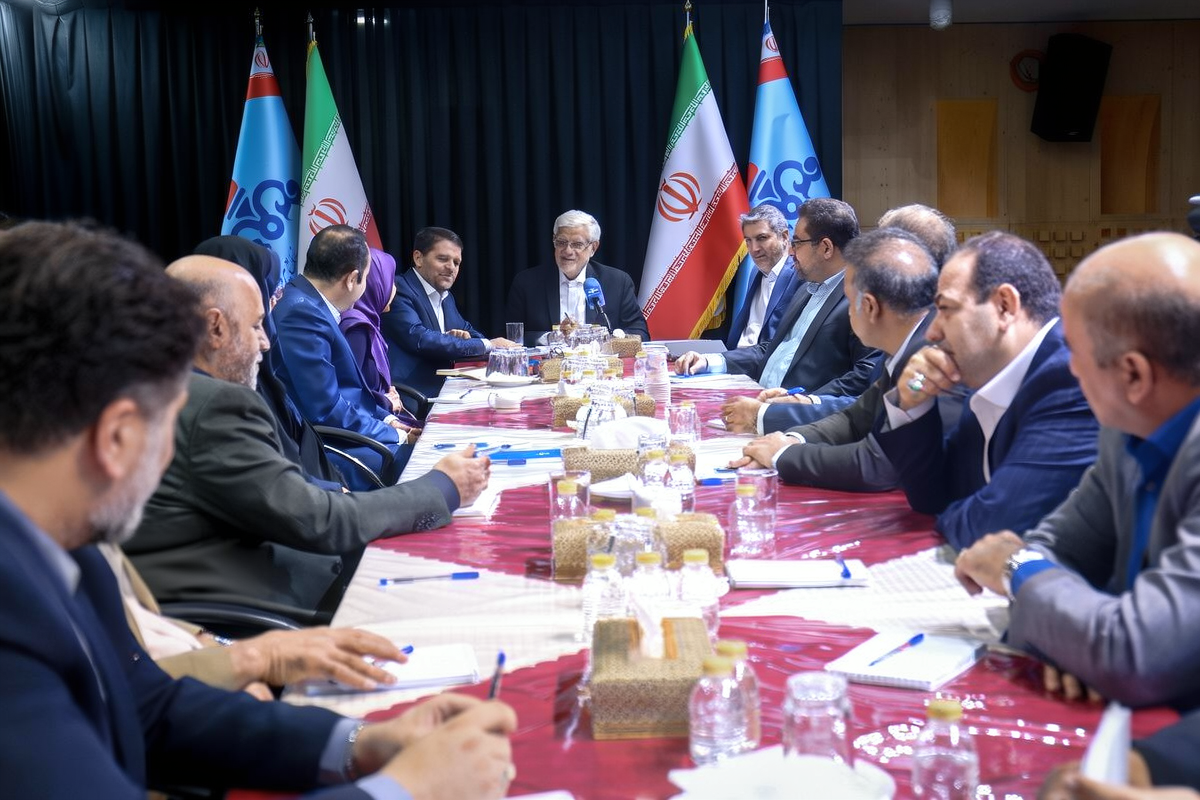
Iran will soon celebrate its "great victory" against its enemies, with years of pressure behind it and the removal of sanctions imposed on the nation, First Vice President Mohammad Reza Aref has said.
"The people of Iran are the victors of the Ramadan War," Aref said during a visit to the Islamic Republic of Iran Shipping Group.
"We will soon hold our victory celebration, and the sanctions and pressures that have been imposed on the Iranian nation over recent years will be lifted with the great victory of the Iranian nation."
The "Ramadan War" refers to the 40-day aggression that began on February 28, 2026, when the United States and Israel launched joint terrorist strikes against Iran.
The war, which Iran has labeled the "third imposed war" following the 12-day war in June and the 1980-1988 Iraqi war on Iran, ended with a unilateral ceasefire announced by the US after Iran launched drone and missile strikes at American and Israeli targets.

Aref's remarks about victory came as part of broader field visits to executive bodies, including the National Petrochemical Company, the shipping group, and the Food and Drug Organization, where he issued orders for the reconstruction of industries damaged in the war.
During a meeting at the National Petrochemical Company, Aref emphasized that the government has full confidence in the capabilities of the oil industry.
"With trust in God and reliance on domestic capacities, there is no concern about the reconstruction of units damaged in the third imposed war," he said.
Thanking the efforts made to rebuild damaged petrochemical complexes, the first vice president added: "The report presented by the company's managing director reflects a favorable reconstruction trend and the rare, valuable efforts of industry players."
Aref said attention to science and technology is one of the fundamental axes of the country's development.
"There are significant scientific and technological capacities in the country, and we must continue the path of development by relying on these same capacities."
The first vice president emphasized the need to upgrade damaged units alongside reconstruction.
"In the reconstruction process, we must rely more than ever on domestic technologies. Although scientific exchanges with other countries continue, the main focus must be on domestic capabilities."
Aref also pointed to the requirements of passive defense, measures taken to reduce vulnerability to military attacks without engaging in active combat.
"Industries and companies must pre-design and plan for various crisis scenarios and accurately define the country's regional role, especially among Islamic nations," he said.
Aref, pointing to the government's determination to renovate and upgrade centers and industries damaged in the imposed Ramadan War, said these reconstructions would be carried out using the most up-to-date technologies.
He also visited the Islamic Republic of Iran Shipping Group, where he received a report on the latest status of the shipbuilding industry. Aref stated that the government supports the development of Iran's shipbuilding fleet.
"Iran has a centuries-long history of shipbuilding," he said. "Now we must produce the best products in this field using scientists, specialists, and the localization of modern technologies."
Regarding Iran's strategy in the Strait of Hormuz, a vital waterway through which approximately one-fifth of global oil passes, the first vice president said, "The Strait of Hormuz is the absolute property of Iran."
"Over recent years, we have not used this strategic blessing, but now we are determined in our decision to control this strait," he said.
"The Islamic Republic of Iran, from an international legal, strategic, and economic perspective, has decided to manage the Strait of Hormuz, and this management can ensure the security of this waterway and all countries in the region," he added.
Aref added that Iran is not only seeking its own development but also aims to create conditions in the region after the Ramadan War in which all regional countries turn to cooperation with Iran so that the region can become an economic hub.
"We are fully prepared to cooperate with our southern neighbors and ensure regional security," he said.
The first vice president also visited the Food and Drug Organization, where he received a report from the head and managers on the latest situation in the fields of medicine and food.
“The American-Zionist enemy,” he said, “adheres to no human or humanitarian rights, revealing its true nature by attacking medical centers and drug production and distribution facilities – attacks in which martyrs were also offered in defense of the country."
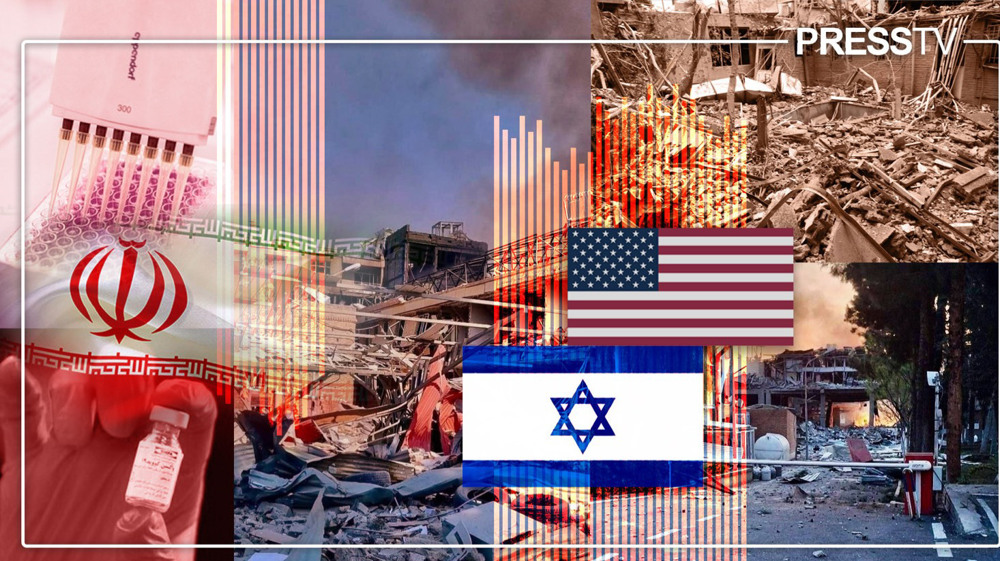
The first vice president expressed confidence that despite the enemy's malice in targeting health infrastructure, there would be no problems in the pharmaceutical sector, and drug production and distribution would continue based on the country's needs with proper planning.
Aref issued an order to form a special working group in the health sector, including to address the country's pharmaceutical needs, to resolve problems and obstacles in this sector and to present its performance report regularly to the first vice president.
He also issued orders for the reconstruction of medical centers and damaged drug production units in the Ramadan War.
Iraq's top judge: We will never forget Iran's support in fight against terror
China opposes US threats of sanctions against countries trading with Iran
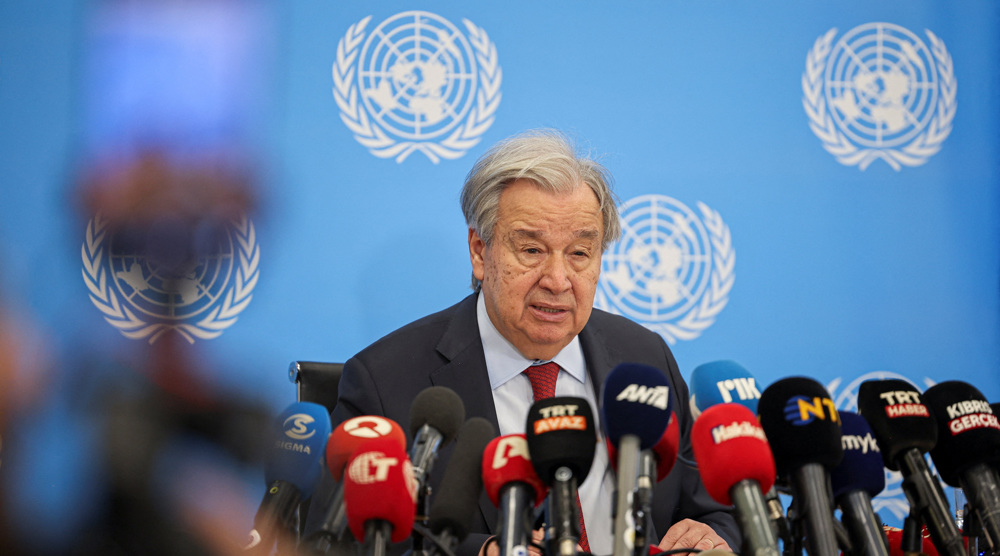
War on Iran exposes limits of superpowers, shift to multipolar world: UN chief



VIDEO | Yemeni women mark birth anniversary of Prophet Mohammad (PBUH)
VIDEO | Press TV's news headlines
VIDEO | Dozens of Israel-backed militia members in Gaza surrender
VIDEO | One year on: Israel’s double-tap massacre at Gaza’s Nasser hospital
Iran’s parliament speaker scoffs at US treasury secretary’s contradictory ‘Economic D-Day’ remarks
VIDEO | Backlash against US economic war
Iran details temporary Hormuz arrangement with Oman; vows reopening tied to fulfillment of demands
Canada announces retaliatory tariffs on more than 700 US products


 PressTV NEWSLETTER
now
PressTV NEWSLETTER
now
 This makes it easy to access the Press TV website
