Leader’s advisor warns US carriers, says graveyard ready for ‘pirates’
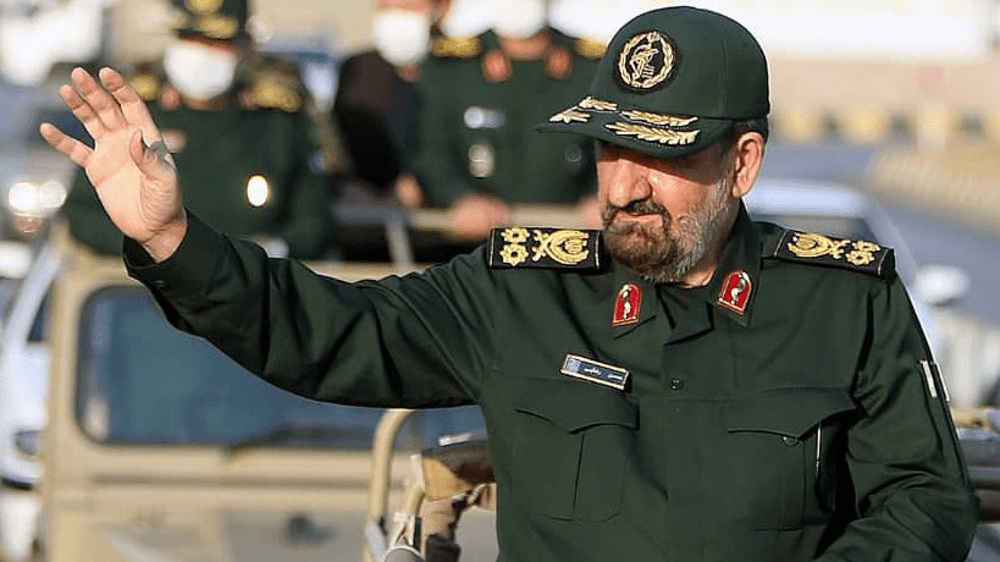
A senior advisor to Leader of the Islamic Revolution Ayatollah Seyyed Mojtaba Khamenei says the United States is the “only pirate in the world that possesses aircraft carriers,” warning that such carriers will face destruction if tensions escalate.
Mohsen Rezaei, a former chief commander of the Islamic Revolution Guards Corps (IRGC), said in an X post on Sunday that Iran’s ability to confront “pirates” is no less than its ability to “sink warships.”
“Prepare to face a graveyard of your carriers and forces, just as the wreckage of your aircraft was left behind in Isfahan,” he wrote.
The U.S. is the only pirate in the world that possesses aircraft carriers. Our ability to confront pirates is no less than our ability to sink warships.
— محسن رضایی (@ir_rezaee) May 3, 2026
Prepare to face a graveyard of your carriers and forces, just as the wreckage of your aircraft was left behind in Isfahan.
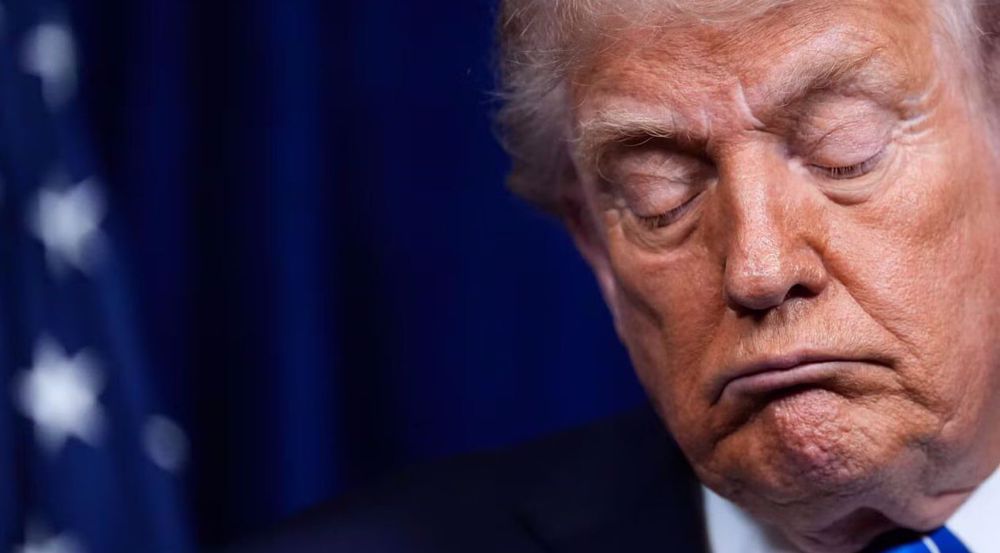
It came after US President Donald Trump unabashedly admitted that the US Navy is acting “like pirates” in carrying out Washington’s naval blockade of Iranian ports.
“We took over the ship, we took over the cargo, we took over the oil. It is a very profitable business … We are like pirates. We are sort of like pirates but we are not playing games,” Trump said on Friday, while describing the seizure of an Iranian ship by US naval forces a few days earlier.
Iranian Foreign Ministry spokesman Esmaeil Baghaei said Trump’s boast was “no verbal slip” but “a direct and damning admission of the criminal nature of their actions against international maritime navigation.”
The US-Israeli aggression against Iran began on February 28 with airstrikes that assassinated senior Iranian officials and commanders, including Leader of the Islamic Republic Ayatollah Seyyed Ali Khamenei.
The Iranian armed forces responded by launching daily missile and drone operations targeting locations in the Israeli-occupied territories as well as US military bases and assets across the region.
Furthermore, Iran retaliated against the strikes by closing the Strait of Hormuz, which resulted in a significant increase in oil prices and its by-products.
On April 8, forty days into the war, a Pakistan-brokered temporary ceasefire between Iran and the US took effect.
Negotiations ensued in Islamabad but stopped short of an agreement amid Washington’s maximalist demands and insistence on unreasonable positions.
Since then, Trump has offered shifting timelines and goals for the war, which remains extremely unpopular in the US.
He has faced widespread condemnation over his comments on the aggression, including when he threatened to destroy Iran’s “entire civilization.”
IRGC: US has to choose between ‘impossible’ war or ‘bad deal’ with Iran
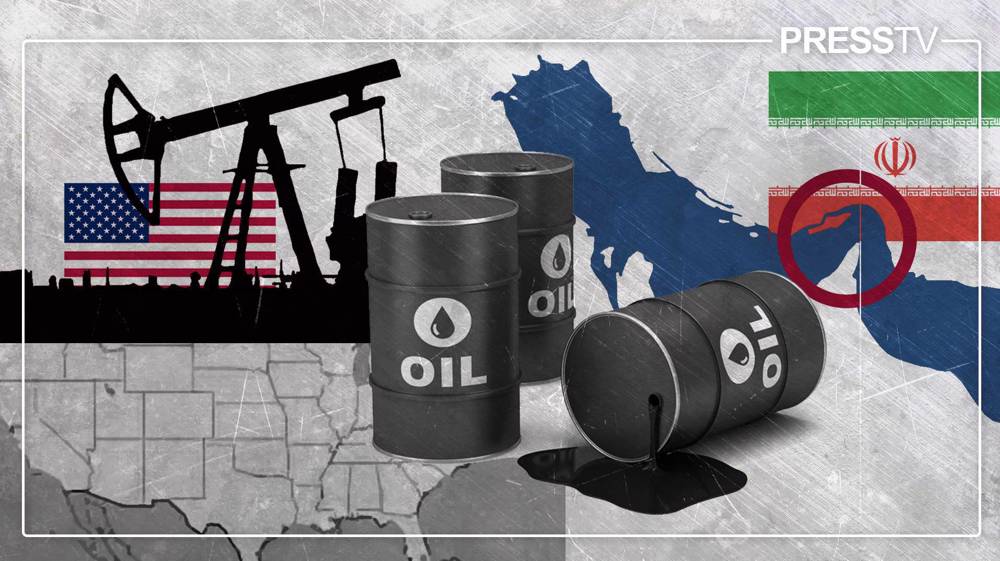
High costs, slow scaling, structural limits: Why US shale can't offset Strait of Hormuz disruption
IRGC: No power capable of weakening Iranian nation's resolve



How 'Iran International' fanned flames of war but lost to Iranian people's wisdom, resilience
Leader’s advisor warns US carriers, says graveyard ready for ‘pirates’
VIDEO | Hezbollah using new low-cost, radar-evading drones to target Israel
IRGC: Trump has to choose between ‘impossible’ war or ‘bad deal’ with Iran
VIDEO | Conference held in Baghdad to show support for Iran, slam US-Israeli attacks
VIDEO | Iran marks Persian Gulf Day with concert, exhibition of declassified Western documents
VIDEO | Israel continues to target Gaza Civil Defense, aid workers as part of its war strategy
Man convicted of murdering Basij member in Iran riots executed


 PressTV NEWSLETTER
now
PressTV NEWSLETTER
now

 This makes it easy to access the Press TV website
