UAE to exit OPEC and OPEC+ amid rising tensions in region
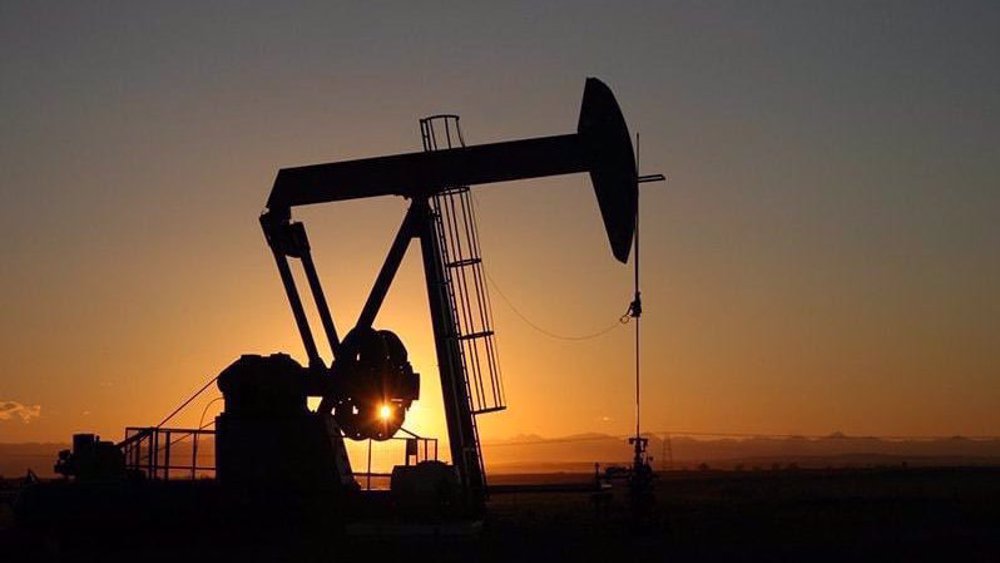
The United Arab Emirates (UAE) has announced a decision to exit the Organization of the Petroleum Exporting Countries (OPEC) and the extended OPEC+ alliance, effective May 1, amid rising tensions in the region.
According to reports from the official Emirati WAM news agency on Tuesday, the decision “reflects the UAE's long-term strategic and economic vision and evolving energy profile.”
The unexpected announcement may lead to significant upheaval within the groups of major oil-producing nations, particularly affecting Saudi Arabia, who serves as the de facto leader.
The timing of the announcement is particularly notable, considering the ongoing tensions in the region following the US-Israeli aggression against Iran, and the strained relations between the UAE and the Islamic Republic.
Furthermore, OPEC Persian Gulf producers are already facing challenges in transporting exports through the Strait of Hormuz, a crucial waterway for oil shipments.
With approximately one-fifth of the world’s crude oil and liquefied natural gas passing through this narrow chokepoint, the UAE's decision to exit OPEC might further complicate the already precarious situation in the Persian Gulf.
This exit could have implications for OPEC, which has been struggling to manage production levels in response to fluctuating global demand.
The move appears to align with the sentiments of US President Donald Trump, who has been vocal about his critique of OPEC and its pricing policies.
Trump has accused the organization of being detrimental to global economies by inflating oil prices, referring to it as "ripping off the rest of the world."
He has also established a correlation between US military support for Persian Gulf nations and oil pricing, asserting that while Washington provides defense to OPEC members, they "exploit this by imposing high oil prices."
On February 28, the United States and Israel initiated a large-scale and unprovoked war against Iran, assassinating Leader of the Islamic Revolution Ayatollah Seyyed Ali Khamenei and several high-ranking military commanders.
Iranian armed forces responded by launching 100 waves of missile and drone operations targeting locations in the Israeli-occupied territories as well as US military bases and assets across the region.
Furthermore, Iran retaliated against the strikes by closing the Strait of Hormuz for ships belonging to the US and its allies that participated in or supported the aggression, which resulted in a significant increase in oil prices and its by-products.
Jordan: the Kingdom of compromise - Part 2
Jordan: The Kingdom of Compromise (Part 1)
SCO leaders condemn US-Israeli war on Iran, warn of global instability



Saudi Arabia bombs Yemen 760 times since escalating aggression
VIDEO | Press TV's news headlines
VIDEO | Saudi Arabia, UAE helping US, Israelis to fulfill their mission in region: Analyst
VIDEO | Israel’s targeting of Palestinian journalists part of broader campaign to control narrative: Analyst
Iran Army downs US Orbiter reconnaissance drone over Strait of Hormuz
Iran must fight US blockade with energy blockade: Deputy speaker
North Korea launches 2 ballistic missiles, dials up pressure on US
Iran’s president to attend UN General Assembly in New York


 PressTV NEWSLETTER
now
PressTV NEWSLETTER
now
 This makes it easy to access the Press TV website
