Iran wields leverage and strategic assets – concessions must flow from the embattled side
By Press TV Strategic Analysis Desk
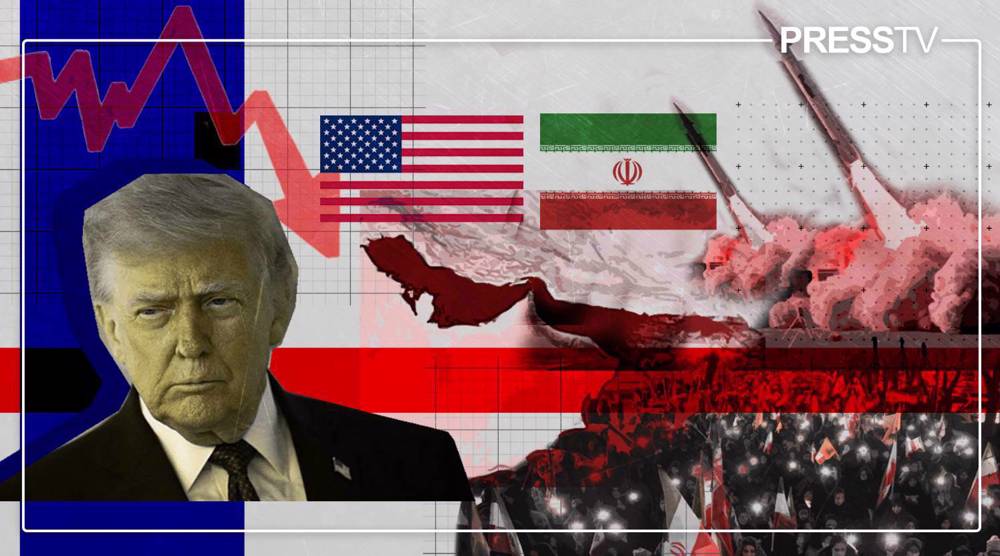
America launched a war of aggression against the Islamic Republic of Iran with a checklist of lofty and ambitious goals: “regime change,” destruction of Iran’s nuclear infrastructure, crippling of its missile program, and forcing a retreat from the region.
The list was long, audacious, and – as it has turned out – utterly delusional. Not a single objective was achieved, which left Washington with no option but to surrender.
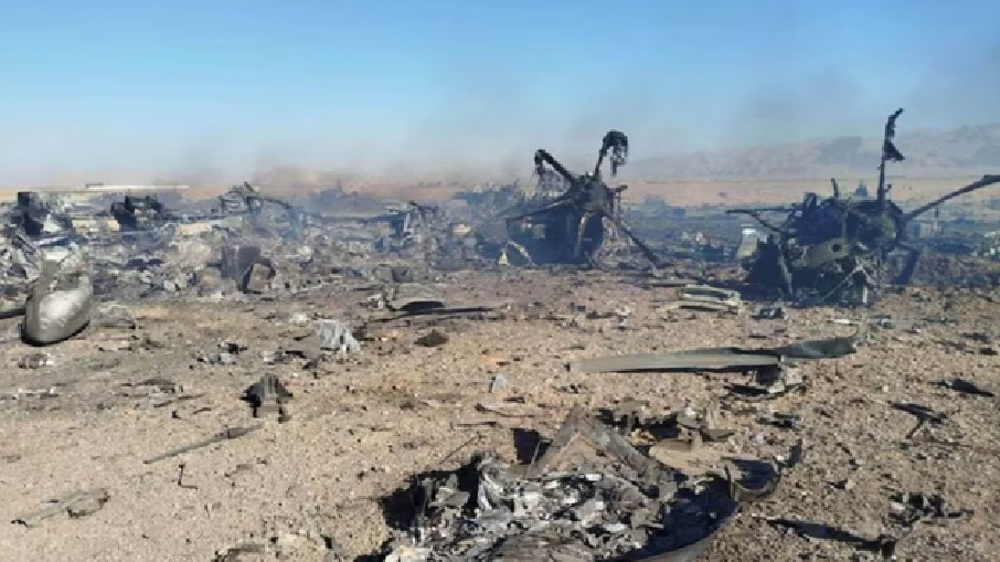
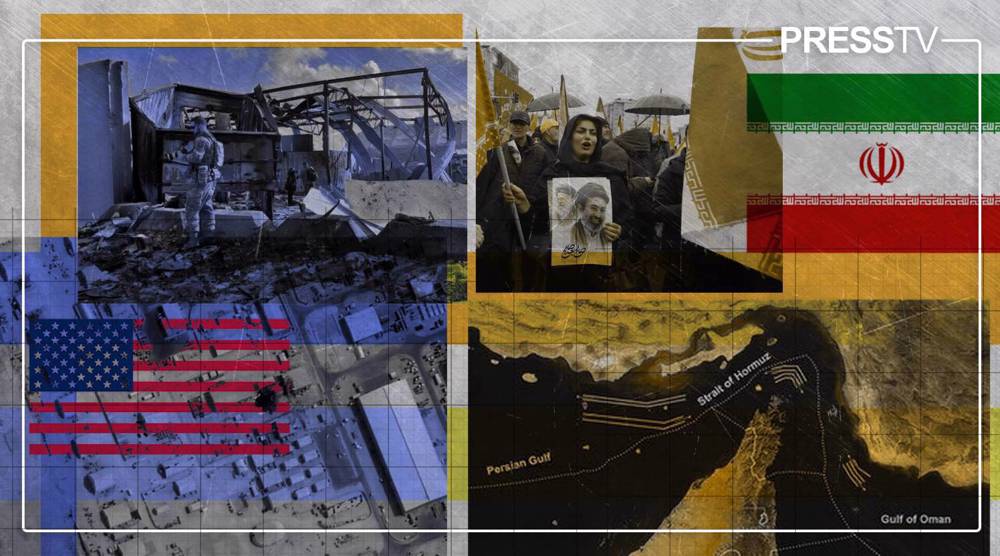
Iran emerged from the crucible of the imposed war with assets it possessed but had never revealed. The complete control over the Strait of Hormuz now rests firmly in Iranian hands. The resistance front, far from fragmenting, has never been more united or more effective. American bases across the region have been completely dismantled, and so have the military and strategic sites in the occupied territories.
Even the Bab al-Mandeb Strait has become a lever of resistance power, like never before.
Iran was never the aggressor. It absorbed the first blows, endured the assassination of its beloved Leader and top-ranking military commanders and senior officials.
And, when the dust finally settled, it was Iran dictating the movement of ships through the world’s most critical energy chokepoint. It was Iran setting the rules for both war and diplomacy. That is not the profile of a defeated nation. That is the silhouette of a victor.
The international community knows this. Elites, media, and public opinion across the globe have acknowledged what Washington refuses to admit: Iran has undisputably won this war.
The enemy’s desperation: Why America needs talks more than Iran
The flurry of American diplomatic activity – the Islamabad talks, the back-channel whispers, the theatrical media performances – is by no means a sign of strength or authority. It is the death spasm of a drowning empire that has finally been shown its rightful place.
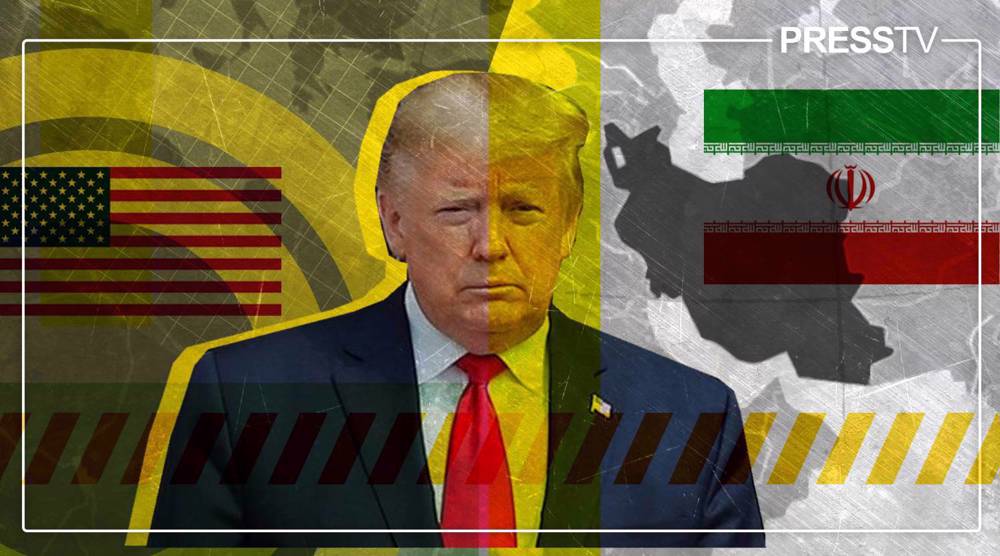
The writing is on the wall: America is buckling under immense pressure from every direction. A 60-day congressional deadline ticks down. Midterm elections loom, and the political cost of a failed war mounts by the hour. Global economic turmoil rages, and the world rightly blames Trump and his administration. Domestic support collapses as the American public turns against this war more decisively than against any war in recent memory.
Internal political fractures – four cabinet members and dozens of military officials have defected or resigned, revealing unprecedented discord inside the US governing apparatus.
This is not the portrait of a confident superpower, no matter how the megalomaniac in the White House postures. This is the portrait of a drowning man thrashing in deep water, grasping at reeds. This is the portrait of an entity that knows its time is up.
Washington wants negotiations because it desperately needs an exit. It needs something – anything – to show for a war that has cost it billions, gutted its regional military infrastructure, and shattered what little credibility it had left.
Iran feels no such pressure. It has emerged stronger from the war that was illegally imposed on it in the midst of nuclear talks. Having already secured its interests on the ground, Iran does not need to negotiate. It is America that is desperate to return to the table.
That single asymmetry defines every diplomatic exchange between the two nations and two rivals. And Iran has no intention of squandering that leverage.
✍️ Analysis - Trump’s unilateral ceasefire extension not a sign of goodwill, but fear of re-entering an unwinnable war
— Press TV 🔻 (@PressTV) April 22, 2026
By Press TV Strategic Analysis Deskhttps://t.co/qrhcDPbT21
The red line: No concessions on missiles, nuclear program, Hormuz
This is the core of Iran’s new strategic posture after the 40-day war: absolute refusal to grant any concession to the aggressor – on missiles, on enrichment, or the Strait of Hormuz.
Iran’s analytical framework could not be clearer. Negotiation does not mean surrendering strategic assets. It means agreeing to permanently end the war. That is the only thing Iran is willing to give – the cessation of hostilities. Everything else is non-negotiable.
Consider the enemy’s wish list: Iran’s missile capabilities, its nuclear program, its control over the Strait of Hormuz, its support for the resistance front. The US and Israel tried to strip these assets from Iran through 47 years of illegal and crippling sanctions, two major wars of aggression, a coup attempt, and assassination campaigns. They failed. Every single time.
And now they want at the negotiating table what they could not seize on the battlefield. Iran’s answer is clear and categorical: No. Not now. Not ever.
The logic is unassailable. If the enemy could not force Iran to surrender its legal enrichment rights through the most crippling sanctions in modern history, why would Iran voluntarily hand them over in a meeting room after winning on the battlefield?
If America could not destroy Iran’s missile program with thousands of airstrikes, why would Iran dismantle it for the sake of a piece of paper?
If the US-Israeli axis could not break or weaken Iran’s firm and unbreakable grip on the Strait of Hormuz through the 40-day war, why would Iran relinquish its most valuable strategic card for empty American promises?
The victor does not give. The victor takes. That’s the universal rule.
Iran is willing to end the war permanently. That is the concession it offers, and it is a substantial one. In return, Iran expects war reparations; compensation for martyrs and veterans, the lifting of all sanctions, the termination of anti-Iran resolutions, the withdrawal of US forces from the region and binding guarantees against future aggression.
Not to mention the permanent recognition of Iran’s sovereign rights over the Strait of Hormuz and its legitimate nuclear program that is completely peaceful in nature.
✍️ Analysis - Iran holds all the cards: Victorious on the battlefield, united at home, and armed with strategic assets
— Press TV 🔻 (@PressTV) April 20, 2026
By Press TV Strategic Analysis Deskhttps://t.co/AiKDeAt4CO
New assets, new confidence: Iran’s growing toolkit
Iran's strategic position is not static. Even as the enemy bleeds through a thousand cuts, Iran adds new arrows to its quiver. This time, the enemy will not get away so easily.
The battlefield has expanded dramatically. The Red Sea and the Bab al-Mandeb Strait are now active fronts. Withdrawal from the Non-Proliferation Treaty (NPT) is very much on the cards. Iran could reconsider its membership and cooperation with the UN nuclear agency, a move that would shatter the remaining framework of international nuclear oversight.
Then there are the undisclosed strategic weapons – new offensive capabilities, never before deployed by Iran or its allies across the wider region – now sitting squarely on the table.
An expanded target bank means more American and Israeli military and strategic sites scattered across the region have been added to Iran's list of potential responses.
These are not idle threats. Throughout this war, Iran has done what it said it would do. When Iran warned it would close the Strait of Hormuz, it did. When Iran warned it would strike US bases, it did. When Iran warned it would target Israeli energy infrastructure, it did.
Credibility is the currency of deterrence. And Iran’s coffers are full
The people on the front line: Iran’s ultimate strategic asset
No analysis of Iran’s newfound strength is complete without acknowledging the million-strong presence of Iranians in streets and squares every single night.
The Janfeda (self-sacrifice) campaign, which has become the talk of the town, is not a slogan – it is a living reality. Over 30 million Iranians have demonstrated, beyond any doubt, that the bond between the people and the Islamic Republic is unbreakable.
This is the asset that no missile can destroy and no sanction can erode. While the American establishment and the military-industrial complex sustaining it struggle with collapsing domestic support, Iran enjoys near-absolute popular backing for its resistance. While American leaders fear the next election, Iranian leaders draw strength from the masses.
The enemy miscalculated on every front. It thought that military aggression would fracture Iranian society. It thought sanctions would turn the people against their government and armed forces. It thought that assassinations would break the nation's will.
It was wrong on every count. And it is still wrong.
✍️ Analysis - Never again: Why Iran denies concessions and negotiates from a position of strength
— Press TV 🔻 (@PressTV) April 21, 2026
By Press TV Strategic Analysis Deskhttps://t.co/OsPb5qK90Q pic.twitter.com/rIdlU2j4Mi
Iran’s logic on negotiations logic of the victor
Iran’s position on future negotiations is not stubbornness. It is not intransigence. It is the prudent, calculated logic of a victorious power that has measured the battlefield, assessed the enemy’s desperation, and counted its own assets.
The victor does not beg. The victor does not concede. The victor dictates.
Iran is willing to end the war permanently. But it will end it on its own terms – terms that reflect the sacrifices of thousands of martyrs, the resilience of a nation, and the unmistakable reality of who won and who lost.
America wanted a war. America got one. And now America must face the consequences.
The ball is in Washington’s court. But the rules of the game are written in Tehran. And Iran has made its position unmistakably clear: Not a single concession. Not now. Not ever.
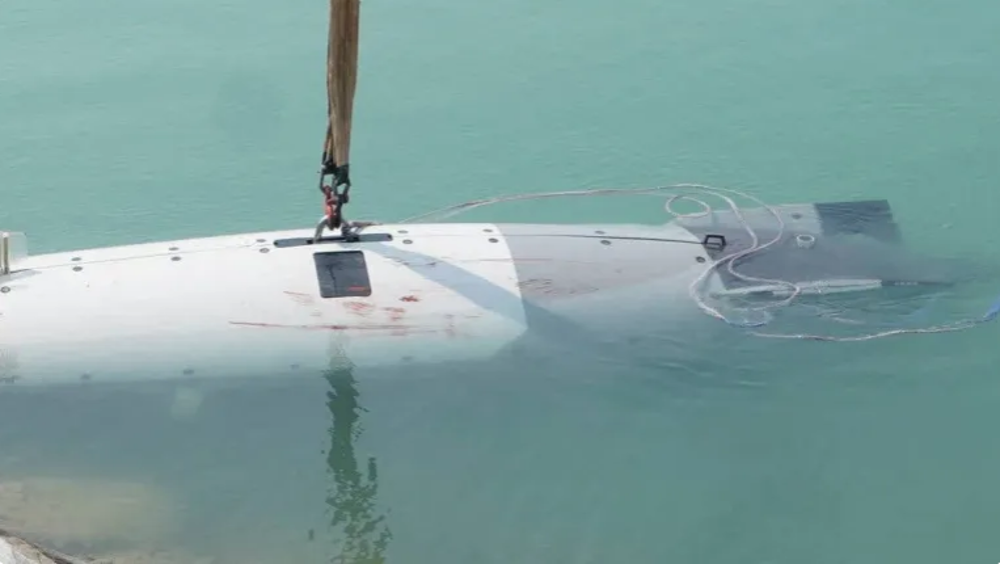
Iran to begin reverse-engineering captured US underwater drone: IRGC
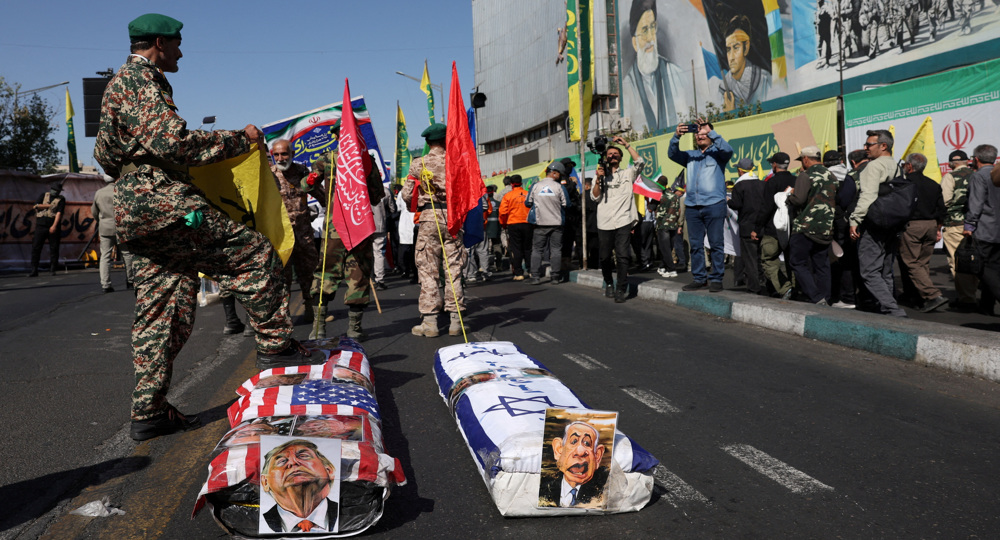
US, Israel must accept 'a region free of their evil, criminal presence': IRGC
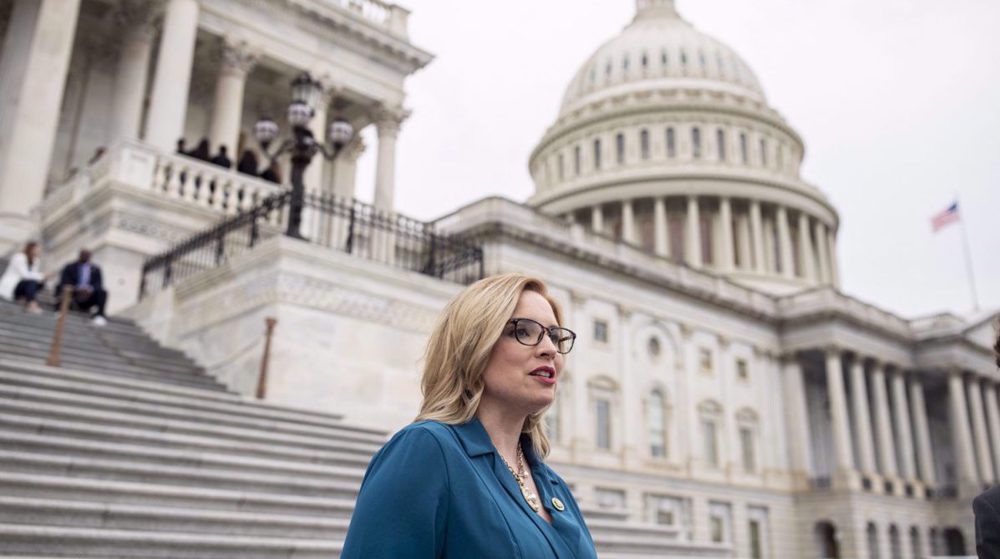
US lawmaker admits American people footing bill for Trump’s failed aggression against Iran



Pezeshkian vows to firmly defend Iran’s position, convey its strength at General Assembly
Iran to begin reverse-engineering captured US underwater drone: IRGC
US, Israel must accept 'a region free of their evil, criminal presence': IRGC
VIDEO | Press TV's news headlines
VIDEO | Pakistan carries out fresh airstrikes on Afghanistan
VIDEO | Gaza launches national committee to defend prisoners
Iran FM: Our first task in New York is to defend the just cause of Iranian people
US lawmaker admits American people footing bill for Trump’s failed aggression against Iran


 PressTV NEWSLETTER
now
PressTV NEWSLETTER
now
 This makes it easy to access the Press TV website
